Source Plus Size Anti-Pilling T Shirts for Gym, Yoga, and Fitness
Compare 30 listings for Plus Size Anti-Pilling T Shirts designed for gym, yoga, and fitness activities. Buyers can review specifications like material, size, and customization options from verified suppliers in China; compare the available evidence and request quotations based on your requirements.
Key considerations
Products List


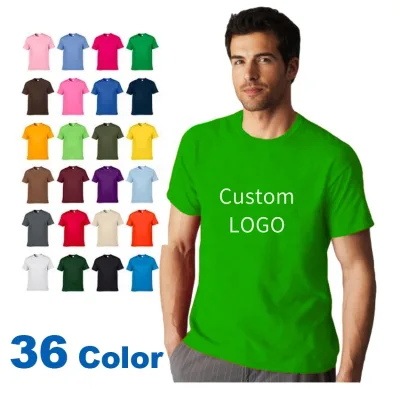
Comprehensive Sourcing Guide
Plus Size Anti-Pilling T Shirts Sourcing Guide
Sourcing plus size anti-pilling t-shirts requires a strategic balance between fabric durability and inclusive sizing accuracy. Buyers must prioritize garments constructed from high-quality cotton blends or polyester-spandex mixes, as these materials offer the structural integrity needed to resist surface fuzzing and pilling during repeated wear and washing cycles. The observed market data indicates a wide range of product types, including long-sleeve designs, short-sleeve rounds, and specialized athletic wear, all of which can be adapted for plus-size demographics. Understanding the specific usage context, whether for casual everyday wear, gym fitness, or promotional events, is essential for selecting the right fabric weight and knit structure.
The procurement process also demands careful attention to customization capabilities and supply chain transparency. Many suppliers offer OEM services, allowing for custom logos, tags, and packaging, which is crucial for brands looking to establish a distinct identity in the competitive apparel market. With observed MOQs ranging from single pieces to two hundred units, buyers can test market demand with low-risk orders before scaling up production. It is vital to verify that the supplier’s size charts accurately reflect plus-size proportions, ensuring that the "anti-pilling" claim does not come at the expense of fit and comfort, which are paramount for customer retention in this segment.
Product Scope and Observed Listing Signals
The current market landscape for plus size t-shirts features a diverse array of styles, including new design long-sleeve options, classic round-neck tees, and performance-oriented athletic wear. Observed listings highlight products made from materials such as cotton, polyester, and spandex blends, catering to various consumer preferences for breathability, softness, and moisture management. Key attributes frequently mentioned include waterproof capabilities, body-shaping features, and quick-dry technologies, which are particularly relevant for fitness and outdoor usage scenarios. Buyers should note that while "pure colour" and "printed" patterns are common, the structural integrity of the fabric is the primary indicator of anti-pilling performance.
Listing signals also reveal significant variability in product specifications, with models ranging from generic designs to specific codes like SNTA-530-3 and TL21. Seasonal variations are evident, with summer collections focusing on short sleeves and breathability, while autumn lines emphasize long sleeves and heavier fabric weights. The observed price range of $0.5 to $20 USD suggests a broad spectrum of quality tiers, necessitating rigorous sample evaluation. Additionally, the availability of customized services, including logo printing and specialized packaging, indicates that many manufacturers are equipped to handle branded orders, provided the buyer clearly communicates their quality expectations and sizing requirements upfront.
Technical Specifications to Verify
When evaluating technical specifications, buyers must scrutinize the fabric composition and weight to ensure genuine anti-pilling properties. Trusted category knowledge suggests that tightly knit structures and high-quality cotton or synthetic blends resist pilling better than loose weaves. Observed product weights range from 140g to 280g, with heavier weights often providing better durability but potentially reduced breathability. It is critical to verify the exact percentage of spandex or elastane, as this affects the garment’s stretch recovery and shape retention, which are vital for plus-size comfort. Buyers should request detailed fabric test reports to confirm that the material meets specific pilling resistance standards, such as those defined by ASTM or ISO, rather than relying solely on supplier claims.
Sizing accuracy is another paramount technical consideration for plus-size apparel. While standard sizes like XS to XXXL are listed, many suppliers also offer customized sizing options. Buyers must ensure that the supplier’s grading rules are consistent and that the pattern pieces are designed to accommodate broader body shapes without compromising the garment’s aesthetic or functional integrity. Additionally, verify the collar style, sleeve shape, and seam construction, as these elements impact long-term wear. For instance, reinforced seams and stable collar knits prevent distortion after multiple washes, directly contributing to the perceived quality and longevity of the anti-pilling t-shirt.
Compliance and Safety Documentation
Compliance and safety documentation are non-negotiable for international apparel procurement, particularly when targeting markets with strict regulatory requirements. Buyers should verify that suppliers hold relevant certifications, such as OEKO-TEX or GOTS, which ensure that the fabrics are free from harmful substances and produced under environmentally responsible conditions. Although these certifications are listed as low-confidence background information, their presence or absence significantly impacts market access and brand reputation. It is essential to request valid certificates directly from the supplier and cross-check them with the issuing bodies to avoid fraudulent documentation. This due diligence protects the buyer from potential legal liabilities and ensures that the products meet consumer safety expectations.
Beyond material safety, buyers must also consider labor compliance and ethical manufacturing practices. Reputable suppliers should be able to provide evidence of fair labor standards, including safe working conditions and fair wages. This is particularly important for brands that emphasize corporate social responsibility in their marketing. Additionally, verify that the supplier adheres to labeling regulations in the target market, ensuring that care instructions, fiber content, and country of origin are accurately displayed. Proper documentation not only facilitates smooth customs clearance but also builds trust with end consumers who are increasingly conscious of the ethical and environmental impact of their clothing purchases.
Cost Drivers and Commercial Terms
Several key factors influence the cost structure of plus size anti-pilling t-shirts, including fabric quality, order volume, and customization complexity. Higher-grade cotton or specialized synthetic blends with anti-pilling treatments typically command higher prices, reflecting the increased material and processing costs. Observed MOQs ranging from 1 to 200 units allow for flexible ordering, but larger volumes often yield better per-unit pricing. Buyers should also consider the impact of design elements, such as printed patterns or custom logos, which may incur additional setup fees. Understanding these cost drivers enables more accurate budgeting and helps in negotiating favorable terms with suppliers.
Commercial terms, including payment methods and delivery options, also play a significant role in the overall procurement cost. Common payment methods include T/T, L/C, Western Union, and credit cards, each with varying levels of security and convenience. Delivery options range from express couriers like DHL and FedEx to sea and air freight, with lead times and costs differing substantially. Buyers should clarify the Incoterms, such as FOB or EXW, to understand who bears the risk and cost during transit. Additionally, inquire about sample times, which are typically 5-7 days, and factor this into the production schedule. Clear communication of these terms prevents unexpected expenses and ensures a smooth transaction process.
Supplier Qualification and Quality Control
Supplier qualification is a critical step in mitigating procurement risks, requiring a thorough assessment of the manufacturer’s capabilities and reliability. Buyers should verify the supplier’s production capacity, quality control processes, and past performance with similar orders. Requesting references or case studies from previous clients can provide valuable insights into the supplier’s consistency and responsiveness. Additionally, conduct a virtual or on-site audit to evaluate the factory’s equipment, workforce, and adherence to quality standards. This due diligence helps identify potential bottlenecks or quality issues before committing to large orders, ensuring a reliable supply chain for plus size anti-pilling t-shirts.
Quality control measures should be integrated throughout the production process, from raw material inspection to final packaging. Buyers should establish clear quality benchmarks and communicate them explicitly to the supplier. Implementing pre-production samples, in-line inspections, and final random inspections can help catch defects early and prevent costly rework or returns. It is also advisable to define acceptable quality limits (AQL) for various defect types, such as stitching errors, color mismatches, or fabric flaws. By maintaining rigorous quality control standards, buyers can ensure that the final products meet their expectations for durability, fit, and aesthetic appeal, thereby protecting their brand reputation and customer satisfaction.
Long-Term Procurement Checks
Long-term procurement success depends on continuous monitoring and relationship management with suppliers. Establishing regular communication channels and conducting periodic performance reviews helps maintain high standards and addresses any emerging issues promptly. Buyers should track key performance indicators, such as on-time delivery rates, defect rates, and responsiveness to inquiries, to assess supplier reliability over time. Building a strong partnership based on mutual trust and transparency can lead to better pricing, priority production slots, and collaborative innovation in product design. This proactive approach ensures a stable and efficient supply chain, supporting the long-term growth of the plus size apparel business.
Additionally, staying informed about market trends and consumer preferences is essential for adapting product offerings to changing demands. Regularly updating fabric technologies, design styles, and sizing options can help maintain competitiveness in the market. Buyers should also monitor regulatory changes and sustainability trends, ensuring that their procurement practices align with evolving industry standards. By continuously evaluating and optimizing their sourcing strategies, buyers can mitigate risks, enhance product quality, and drive sustainable growth in the plus size anti-pilling t-shirt segment. This strategic focus on long-term checks fosters resilience and adaptability in a dynamic global marketplace.
FAQs
What materials are used for Plus Size Anti-Pilling T Shirts?
These garments are typically made from cotton or polyester blends. Some listings specify polyester and spandex combinations for stretch. You can also find options using high-quality cotton fabrics. The material choice affects breathability and comfort during various sports activities.
Can I customize the logo and packaging for these t shirts?
Yes, customization services are available for logos, tags, labels, and packaging. Buyers can request specific designs for promotional or advertising purposes. The supplier offers OEM services to meet unique branding needs. This allows for tailored products that match your specific marketing requirements.
What sizes are available for Plus Size Anti-Pilling T Shirts?
Standard sizes range from XS to XXXL to accommodate various body types. Some suppliers also accept customized size requests to fit specific needs. The product line includes unisex options suitable for both men and women. This ensures a proper fit for diverse customer demographics.
How long does it take to receive a sample order?
Sample production typically requires five to seven days to complete. This timeframe allows for quality checks before bulk manufacturing begins. Buyers should plan their timelines accordingly when requesting prototypes. The lead time ensures that the sample meets the required specifications.
Which features make these t shirts suitable for sports?
Key features include breathability, moisture absorption, and quick-dry capabilities. The fabric is designed to be comfortable and soft during physical activity. Some items offer body-shape compression for enhanced performance. These attributes make them ideal for gym, fitness, and various ball sports.
What is the minimum order quantity for these products?
The minimum order quantity ranges from one to two hundred pieces depending on the supplier. Specific MOQs vary based on customization levels and product specifications. Buyers should confirm the exact requirement with the vendor before placing an order. Flexible options exist for smaller initial purchases.
Where are these t shirts manufactured and shipped from?
The products originate from China and are shipped globally via various carriers. Delivery options include DHL, UPS, FedEx, and sea freight for large orders. The location ensures access to established manufacturing networks. Buyers can choose shipping methods based on urgency and budget constraints.