Source Antique Double Layer Shoe Rack for Home Shop Office
Compare 30 listings for an Antique Double Layer Shoe Rack suitable for home, shop, and office use. Buyers can evaluate specifications, materials, and prices from verified suppliers in China to find the right storage solution.
Key considerations
Products List

$5.00 - $20.00
MOQ: 50 Pieces
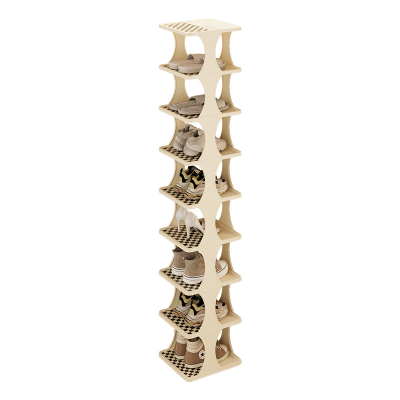


Modern Shoes Rack for Entryways Shoe Rack Cabinet Organizer Shoe Racks
$195.00 - $235.00
MOQ: 5 Pieces


Comprehensive Sourcing Guide
Sourcing Strategy for Antique Double Layer Shoe Rack Solutions
When procuring footwear storage solutions under the specific descriptor of an "Antique Double Layer Shoe Rack," buyers must navigate a complex landscape where marketing terminology often diverges from technical reality. The term "antique" in modern B2B listings frequently refers to a specific aesthetic finish, such as a distressed wood look or a vintage color palette, rather than a historical artifact. However, the supplied product data reveals a diverse inventory where the functional definition of a "shoe rack" varies significantly in material composition, layer count, and installation method. This guide provides a disciplined framework for evaluating suppliers, interpreting technical specifications, and ensuring that the final procurement aligns with actual product capabilities rather than ambiguous marketing claims.
Understanding Material Composition and Structural Integrity
The first critical step in sourcing is verifying the material composition, as the term "antique" can apply to various substrates. The observed product data indicates a split in material specifications. Some units are explicitly constructed from Wood, with a specific mention of Wooden fabric type, which aligns most closely with a traditional antique aesthetic. These units often feature a Glossy technics finish, suggesting a lacquered or varnished surface intended to mimic the sheen of polished vintage furniture. In contrast, other listings in the same category specify PP (Polypropylene) as the primary material. While PP is durable and moisture-resistant, it does not inherently possess the visual characteristics of an antique wood product unless heavily textured or painted.
Buyers must distinguish between these material classes during the initial inquiry phase. A product described as "antique" but made of PP requires verification of the surface treatment to ensure it achieves the desired visual depth. Furthermore, the structural integrity of a double-layer unit depends heavily on the thickness and dimensional tolerance. The data notes a thickness of 9 wire (likely referring to a specific gauge or wire mesh construction in some variants) and a dimensional tolerance of <±1mm. For a wooden unit, the thickness of the panels and the quality of the joinery are paramount. Buyers should request physical samples to assess the Single gross weight, which is listed as 4.500 kg for certain models. This weight metric serves as a proxy for density and sturdiness; a unit that is too light may indicate hollow construction or inferior wood quality, while a unit that is excessively heavy might suggest solid timber, which could be prone to warping in humid environments if not properly treated.
Technical Specifications and Dimensional Verification
The technical specifications of a shoe rack are not merely aesthetic choices but functional constraints that determine compatibility with the intended space. The supplied data presents a wide variance in dimensions. One model is listed with a standard size of 802382cm, while another has a specification of 271525.5. This discrepancy highlights the necessity of precise measurement before ordering. A "double layer" unit in one catalog might measure 82cm in height, whereas a similar unit in another could be significantly shorter.
Buyers must verify the Single package size, which is recorded as 55X35X30 cm for certain items. This dimension is crucial for logistics planning, particularly for air freight or LCL (Less than Container Load) shipments. The packaging method is also a technical specification; the data indicates 1PCS/CTN and Carton Box Packing, alongside Mail order packaging. The choice of packaging affects the risk of damage during transit. For wooden units, which are susceptible to moisture and impact, the internal cushioning and the rigidity of the outer carton are critical.
Additionally, the no. of tiers varies in the data, ranging from 1 Layer to Ninth floor. A buyer specifically seeking a "double layer" must confirm that the supplier's inventory includes this specific configuration. Some listings offer Checkerboard patterns with varying layer counts, including Two Layers through Nine Layers. The functional design is noted as Detachable and Multifunction, which implies that the double-layer unit may be assembled from separate components. This modularity affects the installation process, which is listed as Floor Mounted for some units and Screw installation for others. Buyers should clarify whether the unit requires permanent fixing or if it is a freestanding structure.
Compliance, Certification, and Safety Standards
In the realm of B2B procurement, compliance is often a post-purchase concern, but it must be addressed during the sourcing phase. The supplied data does not explicitly list specific international certifications such as FSC (Forest Stewardship Council) for wood or REACH compliance for plastics. Therefore, buyers cannot assume that a product labeled "antique wood" is sustainably sourced or free from harmful chemicals without explicit verification.
When sourcing wooden furniture, the prod_standard is listed as Size: 802382cm for some items and as customized for others. This variability suggests that many suppliers operate on a made-to-order basis. In such cases, the buyer must define the quality standards in the purchase order. For units intended for commercial use, such as in a Shop or Home setting, the structural stability must meet safety requirements to prevent tipping. The installation type being Screw implies that the unit requires anchoring or assembly with hardware. Buyers should verify that the Hardware, such as handles or screws, meets the necessary strength standards for the intended load.
Furthermore, the plastic type is explicitly noted as No for some units, while others are made of PP. This distinction is vital for fire safety and chemical off-gassing regulations. If the product is intended for export to markets with strict fire codes, the supplier must provide test results regarding flame retardancy. Without specific certification data in the source material, the procurement strategy must include a requirement for the supplier to provide third-party test reports for flammability and formaldehyde emissions, particularly for wooden units with a Glossy finish that may involve varnishes or sealants.
Cost Drivers and Pricing Dynamics
The pricing landscape for shoe racks is influenced by material costs, labor intensity, and customization levels. The observed price range in the data spans from 0.75 to 235 USD. This extreme variance indicates that the "antique double layer" category encompasses both low-cost, mass-produced items and high-end, custom-crafted units. The lower end of the spectrum likely corresponds to units made of PP or thinner wood composites with minimal finishing. The higher end likely reflects solid wood construction, complex Checkerboard designs, or custom finishes.
The MOQ (Minimum Order Quantity) also plays a significant role in cost. The observed range is 1-2000, with a specific listing showing 1 Set as the MOQ. For buyers seeking a specific "antique" look, a low MOQ might be advantageous for sampling, but it often comes with a higher unit price. Conversely, ordering in bulk can reduce the per-unit cost but requires a larger upfront investment. The Delivery Time is listed as Within 20 Days for some items, which suggests that lead times can be relatively short for standard models. However, for customized units where the prod_standard is as customized, lead times may extend significantly beyond this baseline.
Buyers should also consider the Selling Units metric. If the product is sold as a Single item, the logistics cost per unit will be higher compared to bulk packaging. The Single gross weight of 4.500 kg is another factor; heavier units incur higher shipping costs, which can erode the savings from a lower base price. A comprehensive cost analysis must include the total landed cost, factoring in freight, insurance, and any potential duties, rather than focusing solely on the factory gate price.
Supplier Evaluation and Quality Control Protocols
Evaluating a supplier for "antique" furniture requires a focus on their ability to maintain aesthetic consistency and structural quality. The data lists JBM as a brand name and Guangdong, China as the place of origin. While this provides a geographic anchor, it does not guarantee quality. Buyers should verify the supplier's experience with Wood materials and their ability to execute the Glossy finish consistently. The technics of Glossy application can vary widely in quality; a poor application can lead to peeling, bubbling, or an uneven sheen that detracts from the "antique" appeal.
Quality control should be a multi-stage process. First, the buyer must verify the prod_model numbers, such as S-Z158, JBM/762, or SB-010, to ensure they are ordering the correct specifications. Second, a pre-shipment inspection is essential to check the dimensional tolerance of <±1mm. This tolerance is tight and indicates a high level of precision in manufacturing. If the supplier cannot meet this tolerance, the fit of the shelves or the alignment of the legs may be compromised. Third, the weight tolerance of <±1% should be monitored to ensure consistency across the batch. Variations in weight can indicate inconsistencies in material density or the presence of defects.
Buyers should also assess the functional design aspects, such as the Detachable nature of the unit. A well-designed detachable unit should be easy to assemble without specialized tools and should not compromise the stability of the structure. The Hardware provided, such as handles, must be robust and securely attached. For units intended for Behind Doors/On Walls, the installation method must be secure and non-damaging to the surrounding environment.
Typical Applications and Long-Term Procurement Considerations
The versatility of the shoe rack is evident in the Usage field, which lists Home and Shop. This dual applicability means the product must withstand different levels of wear and tear. In a Home setting, the aesthetic is paramount, and the Simple style and Checkerboard patterns are likely to be the primary selling points. In a Shop environment, durability and capacity are more critical. The Type of product is listed as Stand or Cabinets, which suggests different storage capacities and organizational capabilities.
Long-term procurement considerations involve the Customization availability. The data indicates that customization is Available, allowing buyers to tailor the Layer count, Color, and Size to specific needs. However, customization introduces complexity in the supply chain. The prod_standard for customized units is as customized, meaning there is no fixed benchmark for quality or dimensions. Buyers must establish clear specifications and quality benchmarks in the contract to avoid disputes.
The packaging method, specifically Carton Box Packing and Mail order packaging, also has long-term implications. If the product is intended for retail display, the packaging must be attractive and protective. If it is for direct-to-consumer shipping, the packaging must be robust enough to survive the last mile of delivery. The Single package size of 55X35X30 cm provides a baseline for storage and handling requirements.
Finally, buyers should consider the place of origin in Guangdong, China. This region is a major hub for furniture manufacturing, offering a wide range of suppliers. However, it also means that competition is high, and buyers must be diligent in selecting partners who prioritize quality over price. The Lead Time of Within 20 Days is a positive indicator, but for customized orders, this timeline may need to be extended. Establishing a reliable relationship with a supplier who can consistently deliver on time and maintain quality standards is essential for long-term success in sourcing "antique" style shoe racks.
Conclusion
Sourcing an "Antique Double Layer Shoe Rack" requires a meticulous approach that goes beyond the surface-level marketing terms. By rigorously analyzing the material composition, verifying technical specifications such as dimensions and tolerances, and ensuring compliance with safety and quality standards, buyers can mitigate the risks associated with this category. The wide variance in price, MOQ, and specifications found in the market data underscores the importance of detailed due diligence. Whether the end use is for a residential Home or a commercial Shop, the key to a successful procurement lies in clear communication, precise specification, and a commitment to quality control throughout the supply chain.
FAQs
What materials are used for antique double layer shoe racks?
Materials include wood and PP plastic depending on the specific model. Wood units often feature a glossy finish to mimic vintage aesthetics, while PP variants offer moisture resistance. Buyers must verify the material composition to ensure it matches the desired antique look and structural needs.
Can these shoe racks be customized for specific sizes?
Customization is available for many models, allowing adjustments to layers and dimensions. Some units follow a standard size of 80*23*82cm, while others are made to order. Buyers should confirm the customization scope and lead time, which may extend beyond the standard 20-day delivery window for bespoke requests.
How are these units installed in a home or shop?
Installation methods vary between floor mounting and screw fixing depending on the design. Some units are freestanding stands, while others require anchoring for stability. Buyers should check the specific installation type and hardware requirements to ensure compatibility with their intended space behind doors or on walls.
What is the typical weight and packaging for these racks?
Single gross weight is approximately 4.5 kg for certain models, indicating solid construction. Packaging is typically 1 piece per carton or mail order packaging to prevent damage. The single package size is often around 55x35x30 cm, which is critical for calculating shipping costs and logistics planning.
Which layer counts are available for double layer configurations?
Layer counts range from one to nine, including specific two-layer options. Some listings offer checkerboard patterns with varying tiers, allowing for flexible storage capacity. Buyers must explicitly confirm the two-layer specification as the inventory includes single, double, and multi-tier variants.
What is the minimum order quantity for these shoe racks?
The minimum order quantity ranges from 1 set to 2000 units depending on the supplier. Low MOQ options allow for sampling, while bulk orders may reduce unit costs. Buyers should verify the specific MOQ for their chosen model to align with their inventory needs and budget constraints.
How long does delivery take for standard orders?
Standard delivery time is within 20 days for many models. Customized units with specific standards may require longer lead times. Buyers should confirm the estimated delivery window before placing orders to ensure timely arrival for their home or shop usage requirements.