Source Antique Glossy Spruce Violin for Schools, Bands, and Retail
Find 30 Antique Glossy Spruce Violin options from Chinese manufacturers. Compare models like VS302E and VNF105E, featuring ebony or rosewood fingerboards, oblong cases, and customizable logos for educational and professional use; compare the available evidence and request quotations based on your requirements.
Key considerations
Products List


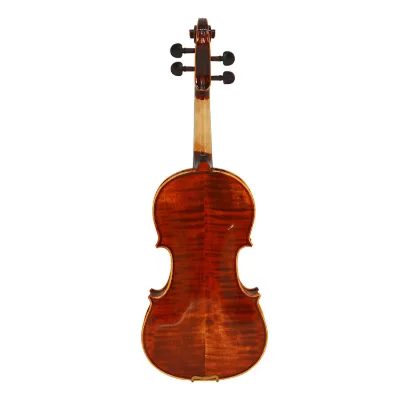
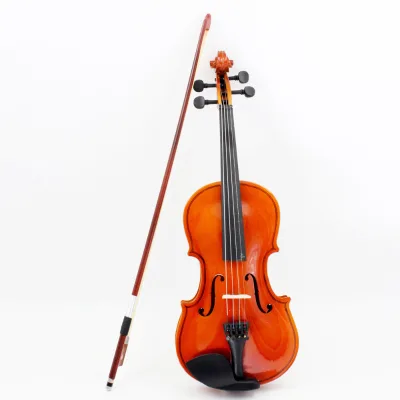
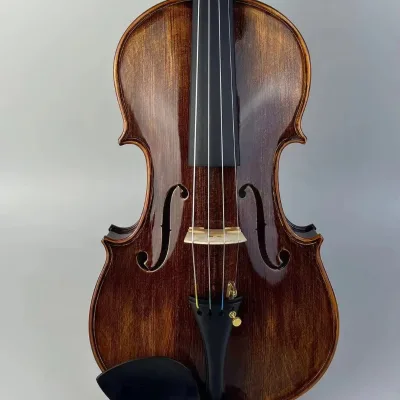
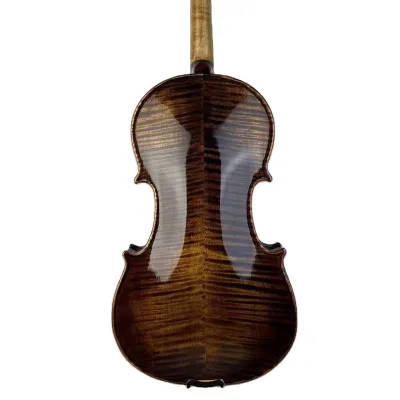
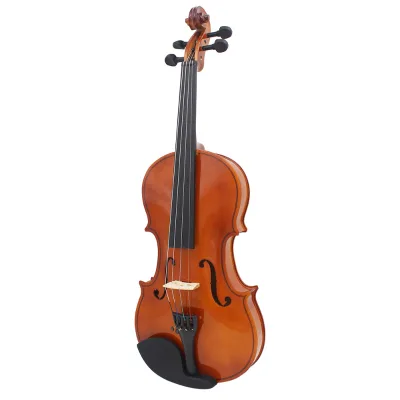
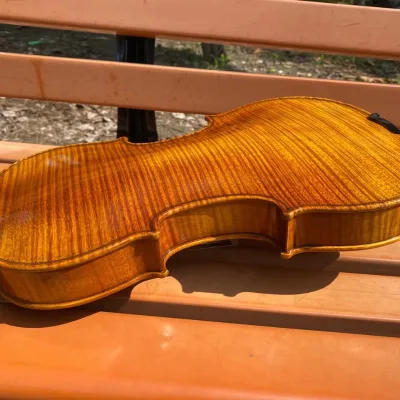


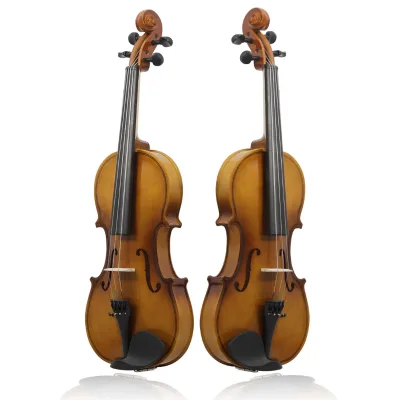

Black Professional Electric Violin Electroacoustic Violin Hot Seller Factory Direct
$32.50 - $36.00
MOQ: 1 pieces
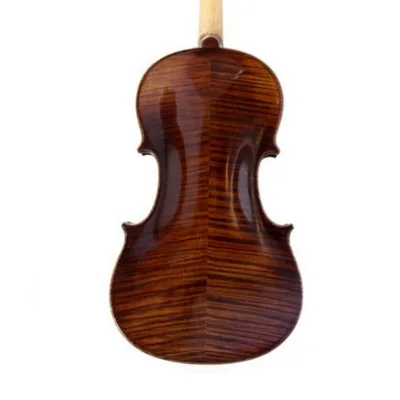

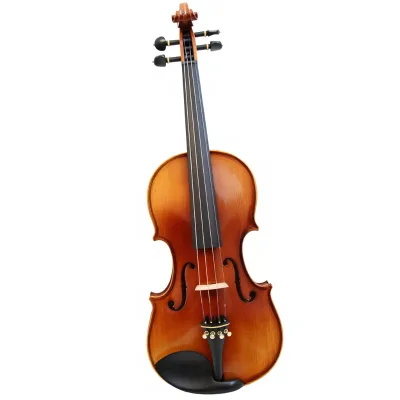
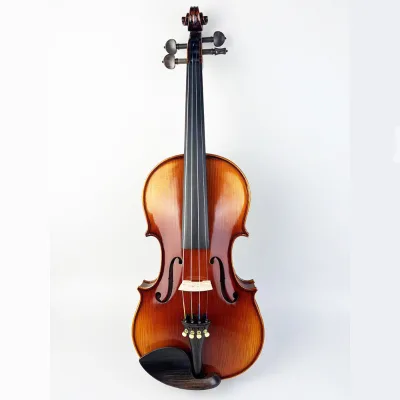


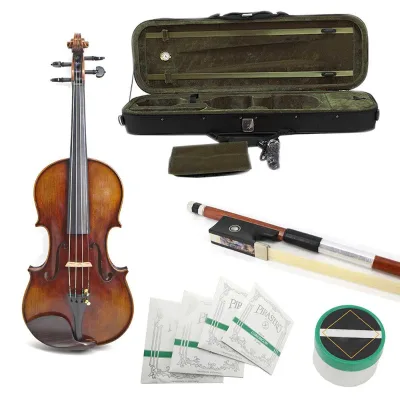


4/4 Baroque Violin, Professional Hand Made Conservatory Violin (VH500Z-A)
$509.00 - $661.70
MOQ: 2 Pieces
Comprehensive Sourcing Guide
Antique Glossy Spruce Violin Sourcing Guide
Sourcing an Antique Glossy Spruce Violin requires distinguishing between genuine vintage instruments and modern reproductions that utilize specific aesthetic finishes to mimic historical appeal. The observed market data indicates a strong presence of OEM and ODM manufacturers in Jiangsu and Guangdong, China, offering models like the VS302E and VNF105E with glossy finishes and spruce tops. Buyers must carefully evaluate whether the "antique" descriptor refers to a specific color treatment, such as the observed Antique Glossy or Antique Brown finishes, rather than the age of the instrument itself.
Procurement decisions should prioritize suppliers who explicitly list spruce as the top material and ebony or rosewood for the fingerboard, as these are the standard construction elements for this category. The available listings show a wide range of customization options, including peg materials and rosin quality, which directly impact the final instrument's playability and visual consistency. It is essential to verify that the "antique" finish is applied over a solid spruce top rather than a laminate, ensuring the acoustic properties align with the visual expectations of a high-quality violin.
Product Scope and Observed Listing Signals
The current market for antique glossy spruce violins encompasses a diverse range of models, from student-grade instruments suitable for beginners to advanced setups featuring selected ebony pegs and advanced rosin. Listings reveal specific model numbers such as VHF203E and VS304E, which often come with distinct packaging configurations like oblong or triangle foam cases. These variations suggest that buyers can source instruments tailored to different skill levels, with some explicitly marked as suitable for beginner players while others offer more premium material selections.
Visual and material signals in the listings indicate a strong emphasis on finish types, with glossy and matte options available alongside specific color profiles like yellow golden or dark brown. The presence of "Customized" attributes and "OEM" branding suggests that many suppliers are prepared to produce instruments with specific aesthetic requirements, including custom logos and tailored packing dimensions. Buyers should note that while the core material is often spruce, the side and back materials may vary, with plain pattern maple being a common pairing in the observed data.
Technical Specifications to Verify
When evaluating technical specifications, the primary focus must be on the wood composition, specifically confirming that the top material is genuine spruce and the fingerboard is made of ebony or rosewood. The observed data highlights models with specific dimensions, such as 4/4 size, and varying package sizes ranging from 82x30x15 cm to larger cartons containing multiple units. Buyers should verify the exact dimensions of the single package and the gross weight, which can range from 1.990 kg for individual items to heavier loads for bulk shipments, to ensure logistics compatibility.
Finish quality and structural integrity are critical verification points, as the "antique glossy" appearance must not compromise the instrument's acoustic performance. Specifications like the "Glossy Violin" model number and the "Plain Pattern Maple" back and side material provide a baseline for comparison, but buyers must confirm that the finish type is consistent across the batch. Additionally, the inclusion of accessories like advanced or student normal rosin and specific case types should be cross-referenced with the order requirements to avoid receiving mismatched components.
Compliance and Safety Documentation
While the provided product data does not explicitly list specific safety certifications, buyers must ensure that all wooden instruments comply with international phytosanitary regulations regarding wood treatment and export. Since the origin is listed as Jiangsu or Guangdong, China, suppliers should provide necessary documentation proving that the spruce and maple woods have been properly treated to prevent pest infestation during transit. This is particularly important for instruments entering markets with strict agricultural import controls, where untreated wood can lead to shipment delays or confiscation.
Safety documentation should also cover the chemical composition of the finishes and glues used in the construction of the antique glossy violins. Buyers need to request Material Safety Data Sheets (MSDS) to verify that the glossy finishes do not contain hazardous substances that could pose health risks to musicians or children. Although the listings mention "Good Quality Rosin" and "Advanced Rosin," the safety of these consumables and the non-toxic nature of the instrument's surface coating must be independently verified before large-scale procurement.
Cost Drivers and Commercial Terms
The cost of antique glossy spruce violins is influenced by the complexity of the customization, the quality of the selected materials, and the volume of the order. The observed MOQ range spans from 1 to 100 units, with some suppliers requiring a minimum of 3 or 100 pieces, which significantly impacts the unit price and overall budget. Buyers should anticipate that instruments with premium features like selected ebony pegs and advanced rosin will command higher prices compared to those with standard student-grade components.
Commercial terms must be clearly defined regarding packaging, shipping, and lead times, as the observed data shows varied packing configurations and single package sizes. The "10PCS/Carton" standard and specific dimensions like 83x76x58 cm affect freight costs and storage requirements, necessitating precise calculation of logistics expenses. Additionally, the availability of OEM and ODM services means that customization fees may apply, and buyers should negotiate these costs upfront to avoid unexpected surcharges on the final invoice.
Supplier Qualification and Quality Control
Supplier qualification should focus on verifying their manufacturing capabilities in Jiangsu and Guangdong, ensuring they have the expertise to produce consistent antique glossy finishes on spruce tops. Buyers must assess the supplier's ability to maintain quality control across different model numbers, such as the VS302E and VNF105E, to ensure that every instrument meets the specified material and finish standards. The presence of "Customized Logo" and "OEM" services indicates a flexible production line, but this flexibility must not come at the expense of structural integrity or acoustic quality.
Quality control protocols should include rigorous inspection of the fingerboard material, peg alignment, and finish uniformity to prevent defects in the final product. Since the listings mention "Durable" styles and "DIY" applications, suppliers should demonstrate their ability to produce instruments that withstand handling and assembly processes. Buyers should request sample inspections or third-party quality reports to validate that the "Plain Pattern Maple" and "Spruce" materials are free from cracks, warping, or other structural issues before committing to a bulk order.
Long-Term Procurement Checks
Establishing a long-term procurement strategy requires regular audits of the supplier's ability to maintain consistent material quality and finish standards over time. Buyers should monitor the consistency of the "Antique Glossy" finish and the durability of the "Selected Ebony" or "Rosewood" fingerboards across multiple production batches to ensure brand reliability. The ability to source specific models like the VHF203E and VS304E consistently is crucial for maintaining a stable product line and meeting customer expectations for vintage aesthetics.
Continuous communication with suppliers regarding updates in wood sourcing and finishing techniques will help mitigate risks associated with material shortages or quality degradation. Buyers should also track the performance of the instruments in the field, particularly for beginner players, to identify any recurring issues with the rosin, pegs, or case protection. By maintaining a proactive approach to supplier management, buyers can ensure that their Antique Glossy Spruce Violin inventory remains high-quality and competitive in the global market.
FAQs
What materials are used for the fingerboard and top?
The fingerboard is crafted from either ebony or rosewood, while the top material is spruce. This combination ensures a rich tonal quality and durability. The back and side materials feature plain pattern maple. These material selections are standard across the available models to provide consistent performance for various player levels.
Can I customize the logo and finish on these violins?
Yes, customization is available for logos and finishes. You can choose between glossy or matte finishes, with options like antique glossy or yellow golden colors. The service supports OEM and ODM customization, allowing you to apply your custom logo. This flexibility ensures the products align with your brand identity and specific market requirements.
What are the typical MOQ and packaging details?
The minimum order quantity ranges from 1 to 100 pieces, depending on the specific model and customization needs. Packaging is typically 10 pieces per carton, with dimensions around 82cm by 64cm by 46cm. Single package sizes are approximately 82x30x15 cm. These details help in planning logistics and storage efficiently for bulk orders.
Which models are suitable for beginner players?
Specific models like the VHF201E are explicitly suitable for beginner players. These instruments often come with student normal rosin and durable styles. The available sizes include 4/4 and smaller fractions like 1/16. This variety ensures that beginners of different ages and skill levels can find an appropriate instrument to start their musical journey effectively.
Where are these violins manufactured and shipped from?
These violins are manufactured in China, with origins in Jiangsu and Guangdong provinces. The production facilities support OEM services and various customization options. Shipping details are provided per carton, with gross weights around 1.990 kg per single item. This geographic sourcing allows for competitive pricing and efficient supply chain management for international buyers.
What types of cases are included with the violins?
The violins come with various case options, including oblong foam cases and triangle foam cases. These cases are designed to protect the instrument during transport and storage. The specific case type may vary by model, such as the VS302E or VNF105E. Buyers should check the specific model details to confirm the included case type for their order.