Source API 7-1 Oil and Gas Drilling Bits For Well Drilling
Compare 27 verified products including API 7-1 Oil and Gas Drilling Bits for well drilling, core drilling, and general extraction. Buyers can review specifications like size, material, and seal types from Chinese manufacturers; compare the available evidence and request quotations based on your requirements.
Key considerations
Products List


Premium Oil Well Drilling Bits for Enhanced Performance and Durability
$700.00 - $750.00
MOQ: 1 Pieces

API 12-1/4" Oil Drilling Bit, 6 Blades for Horizontal Well
$5000.00 - $6000.00
MOQ: 1 Pieces
Weifang Sheng De Petroleum Machinery Manufacturing Co., Ltd.

API 8-3/4" Oil Drilling Bit for Horizontal Well
$1000.00 - $3000.00
MOQ: 1 Pieces
Weifang Sheng De Petroleum Machinery Manufacturing Co., Ltd.

API 8 3/4" Driling Bit, 4 Blades for Oil Well Drilling
$4500.00 - $5000.00
MOQ: 1 Pieces
Weifang Sheng De Petroleum Machinery Manufacturing Co., Ltd.


Comprehensive Sourcing Guide
API 7-1 Oil and Gas Drilling Bits Sourcing Guide
Procuring API 7-1 certified drilling bits requires a rigorous understanding of both mechanical specifications and regulatory compliance frameworks. Buyers must navigate a complex landscape where material integrity, such as alloy steel or tungsten carbide, directly impacts performance in high-stress well drilling environments. The global market offers various configurations, including roller cone bits and core drills, each tailored to specific geological conditions. Understanding these distinctions is the first step in defining accurate procurement requirements that align with operational goals.
This guide provides a structured approach to evaluating suppliers and products based on observed market signals and industry standards. It emphasizes the importance of verifying technical attributes like surface treatment, customization options, and sealing mechanisms before finalizing orders. By focusing on evidence-based verification steps, procurement teams can mitigate risks associated with non-compliant equipment and ensure that selected drilling bits meet the stringent demands of modern oil and gas extraction projects.
Product Scope and Observed Listing Signals
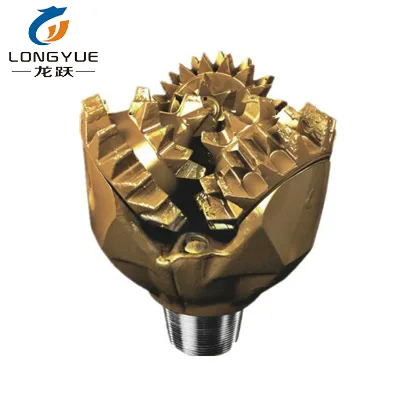
The current market for API 7-1 drilling bits displays a wide range of product types, including XMF floating bearing rubber seal roller cone bits, tricone bits, and core drills. Listings frequently highlight specific models such as XMF, XMW, and XMY, indicating a diverse portfolio designed for various drilling depths and formations. Buyers should note that materials vary significantly, with some products utilizing alloy steel bodies while others incorporate tungsten carbide or polycrystalline raw materials for enhanced durability and cutting efficiency.
Observed specifications reveal a strong emphasis on customization, with suppliers offering tailored sizes ranging from 6 1/4 inches to 17 1/2 inches. Surface treatments like polishing and colors such as golden, black, or blue are common visual indicators of specific product lines or protective coatings. Additionally, the presence of video outgoing-inspection services suggests a market trend toward transparency, allowing buyers to visually verify the condition and assembly of complex mechanical components before shipment.
Technical Specifications to Verify
When evaluating technical data, buyers must prioritize the verification of bearing and sealing systems, which are critical for bit longevity. Products often feature rubber seals or metal seals to protect internal components from abrasive drilling fluids and debris. The choice between steel tooth configurations and other cutting structures should be aligned with the specific rock formations being drilled. Verifying the exact cutter diameter, such as 13mm, and blade quantity, like 7 blades, ensures compatibility with existing drilling rigs and operational parameters.
Material composition is another vital area for scrutiny, as the distinction between alloy steel bodies and tungsten carbide inserts affects wear resistance and impact tolerance. Buyers should confirm whether the product is a core drill or a standard roller cone bit, as this determines the extraction method and core recovery rates. Additionally, checking for specific model designations like API 7-1 or custom sizes helps in cross-referencing technical datasheets and ensuring that the physical dimensions match the wellbore requirements precisely.
Compliance and Safety Documentation
API 7-1 certification is a fundamental requirement for drilling bits used in oil and gas applications, ensuring they meet rigorous safety and performance standards. Buyers must request valid certification documents that confirm the product’s adherence to this specific standard, which governs the design, manufacturing, and testing of drilling equipment. Without proper certification, the risk of equipment failure increases significantly, potentially leading to costly downtime and safety hazards in the field.
Beyond API 7-1, suppliers may provide additional documentation such as video outgoing-inspection reports, which serve as preliminary quality assurance records. These videos can verify the assembly integrity and surface finish of the bits before they leave the factory. Buyers should also inquire about any supplementary standards or internal quality protocols that the manufacturer follows, as these can provide additional confidence in the product’s reliability and consistency across batches.
Cost Drivers and Commercial Terms
Several factors influence the final cost of API 7-1 drilling bits, including material selection, manufacturing complexity, and customization requirements. Forging processes and specialized surface treatments like polishing add to production costs, while custom sizes or unique sealing mechanisms may incur additional engineering fees. Buyers should expect price variations based on the specific model and material composition, with high-performance variants typically commanding higher prices due to their advanced design and durability.
Commercial terms such as minimum order quantities (MOQ) and delivery times also play a crucial role in procurement planning. While some suppliers offer an MOQ of just one unit, others may have different thresholds depending on the product type. Delivery times generally range from 15 to 45 days, reflecting the time needed for manufacturing, quality control, and packaging. Understanding these terms helps buyers budget accurately and manage inventory levels to avoid production delays.
Supplier Qualification and Quality Control
Supplier qualification involves verifying the manufacturer’s origin and production capabilities, with many suppliers based in China, including specific regions like Cangzhou. Buyers should assess the supplier’s ability to provide OEM services and customized packaging, such as wooden boxes or plywood crates, to ensure safe transportation. The availability of standard exported packages indicates a mature supply chain capable of handling international logistics and compliance requirements effectively.
Quality control measures are essential for maintaining product consistency and reliability. Buyers should request detailed inspection reports and verify that the supplier conducts thorough checks on critical components like bearings and seals. The provision of video outgoing-inspection is a positive indicator of a supplier’s commitment to transparency and quality assurance. Additionally, confirming the supplier’s adherence to API standards and their internal quality management systems helps ensure that every batch meets the required performance specifications.
Long-Term Procurement Checks
Establishing long-term procurement relationships requires ongoing monitoring of product performance and supplier reliability. Buyers should track field performance data, including bit life and rate of penetration, to evaluate the effectiveness of different models and materials. Regular feedback loops with suppliers can help identify areas for improvement and ensure that future orders meet evolving operational needs. This continuous evaluation process helps optimize procurement strategies and reduces the risk of recurring issues.
It is also important to stay updated on changes in API standards and industry regulations that may affect product requirements. Buyers should periodically review their supplier’s certification status and ensure that all products remain compliant with the latest safety and performance guidelines. By maintaining a proactive approach to compliance and performance monitoring, procurement teams can safeguard their operations and ensure the continued success of their drilling projects.
FAQs
What certifications do these drilling bits hold?
These drilling bits hold API 7-1 certification as a primary standard. The product page confirms API 7-1 compliance alongside general API standards. This ensures the equipment meets rigorous industry requirements for safety and performance in oil and gas operations globally.
Which materials are used in manufacturing these bits?
Manufacturing utilizes alloy steel and tungsten carbide for durability. Some components also feature polycrystalline raw materials. These materials ensure high performance during well drilling applications, providing the necessary strength and wear resistance required for demanding subsurface extraction tasks.
Can I request custom sizes for these drilling bits?
Yes, customization is available for specific size requirements. The product list includes various standard sizes like 8 1/2 inches and 14 3/4 inches. Buyers can also request custom dimensions, allowing for tailored solutions that fit unique drilling project specifications and operational needs.
How long is the delivery time for these products?
The standard delivery time ranges from 15 to 45 days. This lead time applies to orders placed for these specific drilling bits. Buyers should plan their procurement schedules accordingly to ensure timely arrival of equipment for their ongoing well drilling projects and operational timelines.
What packaging options are provided for these bits?
Packaging includes standard exported packages, wooden boxes, and plywood boxes. Some options allow for customization based on buyer requirements. This ensures the drilling bits are protected during international shipping and arrive in optimal condition for immediate deployment in the field.
Where are these drilling bits manufactured and shipped from?
These bits originate from China, with specific mentions of Cangzhou as a production location. The market scope is global, indicating worldwide distribution capabilities. Buyers can expect products to be sourced from these established manufacturing centers in China for international delivery.
What types of seals are used in these roller cone bits?
The roller cone bits utilize both rubber seals and metal seals. This combination is designed to enhance performance and longevity under high-pressure conditions. The specific seal type may vary by model, ensuring reliable operation during complex well drilling operations across different geological formations.