Source API Forged Drilling Swivel for Oil Drilling, Well Drilling, and Oil Field Operations
Find and compare 30 API Forged Drilling Swivel options for oil drilling, well drilling, and oil field applications. These tools, available in carbon steel, alloy steel, and cast steel, feature forging or casting processes with API 7K and API 8c certifications. Buyers can review specifications like 35MPa max working pressure and global supply capabilities.
Key considerations
Products List


API Spec 8c Precision Power Swivel for Oil and Gas Drilling Equipment
$170000.00 - $180000.00
MOQ: 1 Pieces


API Spec 8c Safe and Reliable Power Swivel for Oilfield Drilling
$170000.00 - $180000.00
MOQ: 1 Pieces


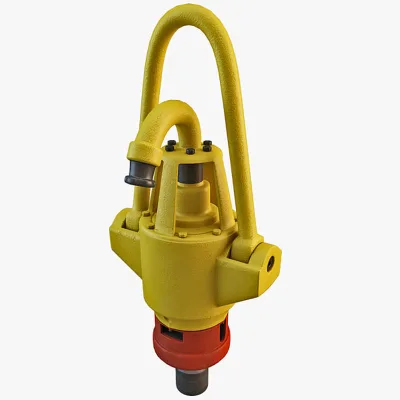


Oilfield Drilling Swivel Water Swivel with Spinners for Drilling Rig
$200000.00 - $201000.00
MOQ: 1 Pieces

Hot Sale Well API China for Oil and Water Rig Drilling Power Rotary Swivel
$1000.00 - $4000.00
MOQ: 1 Pieces

$5000.00 - $5500.00
MOQ: 1 Pieces


API Standard Water Swivel for Drilling Rig/Water Well Drilling Swivel
$15000.00 - $20000.00
MOQ: 1 Pieces


API Drill Rotary Swivel with Kelly Spinner for Oilfield Drilling Rig Petroleum Equipment
$970.00 - $1000.00
MOQ: 2 Pieces

API Mining Oilfield Drilling Rig Spare Parts SL450 Oil Drilling Rig Water Swivel
$8900.00 - $9800.00
MOQ: 1 Pieces


API Drilling Power Swivels with Spinner Petroleum Equipment Machinery
$899.00 - $1000.00
MOQ: 2 Pieces


Comprehensive Sourcing Guide
API Forged Drilling Swivel Sourcing Guide
Sourcing an API Forged Drilling Swivel requires a disciplined approach that balances technical precision with commercial pragmatism. These critical components serve as the rotating interface between the drill string and the top drive or rotary table, transmitting torque and weight while allowing the drill pipe to rotate freely. Because the swivel operates under extreme mechanical stress and abrasive conditions, the procurement strategy must prioritize material integrity, manufacturing process verification, and strict adherence to industry standards. Buyers must recognize that not all swivels are created equal; the distinction between forged and cast components is paramount for high-stress applications, directly influencing the equipment's lifespan and operational safety.
This guide provides a structured framework for evaluating suppliers and products based on observed market signals and trusted category knowledge. It focuses on helping procurement professionals navigate the complexities of specifications, compliance, and supplier qualification without relying on unverified claims. By adhering to the evidence-based insights provided, buyers can mitigate risks associated with premature failure, non-compliant documentation, and logistical delays. The objective is to empower decision-makers with the necessary context to conduct thorough due diligence, ensuring that the selected drilling swel meets the rigorous demands of oil and gas exploration and drilling operations.
Product Scope and Observed Listing Signals
The current market landscape for drilling swivels reveals a diverse range of product offerings, with observed prices spanning from $500 to $201,000 USD. This wide variance indicates that buyers are presented with options ranging from smaller, auxiliary components to complete, heavy-duty swivel assemblies designed for large-scale drilling rigs. The minimum order quantity (MOQ) typically ranges from 1 to 2 sets, suggesting that suppliers are accustomed to handling both single-unit replacements and small batch orders for fleet expansion. This flexibility allows buyers to procure specific parts without committing to excessive inventory, though it also necessitates careful evaluation of unit economics for smaller orders.
Product listings frequently highlight customization options, with colors ranging from standard golden finishes to fully customizable requests, and packaging varying from steel cases to wooden crates. The observed product names and models, such as DSL85/DSL110/DSL135 and SL170/225/450, suggest a modular approach to manufacturing where different models cater to varying load capacities and operational requirements. Buyers should note that while some listings emphasize high-efficiency and global market availability, others focus on specific attributes like atmospheric pressure operation or mud compatibility. These signals indicate that suppliers are targeting a broad spectrum of drilling environments, from standard oil fields to more specialized well drilling applications.
Technical Specifications to Verify
Material composition is a critical differentiator, with observed listings citing alloy steel, cast steel, and carbon steel as primary materials. For high-stress applications, forged components are generally preferred due to their superior grain structure and resistance to fatigue, whereas cast steel may be suitable for less demanding roles. Buyers must verify the specific material grade and manufacturing process for each component, as the distinction between forging and casting significantly impacts the swivel's durability and performance under load. The observed weight specifications, ranging from 500kg to 1400kg, further underscore the importance of matching the swivel's mass and structural integrity to the specific requirements of the drilling rig.
Pressure ratings and operational parameters are equally vital, with observed maximum working pressures reaching up to 35MPa and some units rated for atmospheric pressure. The applicable medium is consistently identified as mud, highlighting the need for robust sealing systems and corrosion-resistant finishes. Buyers should verify the model numbers against their rig's specifications to ensure compatibility, as models like DSL and SL series often correspond to specific load capacities and dimensional constraints. Additionally, the supply ability of up to 1000 sets per month suggests that major manufacturers have the capacity to handle large orders, but buyers should confirm lead times and production schedules to avoid project delays.
Compliance and Safety Documentation
Certification is a non-negotiable aspect of sourcing drilling swivels, with API 8c and API 7K standards frequently cited in product listings. These standards ensure that the swivel meets rigorous requirements for design, manufacturing, and testing, providing a baseline for safety and reliability. Buyers must request valid certification documents from suppliers to verify that the products have undergone the necessary inspections and tests. The presence of ISO 9001 certification for manufacturing processes further indicates a commitment to quality management systems, although buyers should treat this as a supporting factor rather than a substitute for API compliance.
Documentation should also include video outgoing-inspection reports, which provide visual evidence of the product's condition before shipment. This transparency allows buyers to verify the physical state of the swivel, including surface treatments like spray-paint finishes, and to confirm that the product matches the ordered specifications. Warranty terms, typically observed at one year, offer additional protection against manufacturing defects, but buyers should clarify the scope of coverage and the process for claiming warranty services. Ensuring that all compliance and safety documentation is complete and verifiable is essential for maintaining operational integrity and regulatory adherence.
Cost Drivers and Commercial Terms
The cost of a drilling swivel is influenced by several factors, including material quality, manufacturing complexity, and certification requirements. The observed price range of $500 to $201,000 USD reflects the diversity of products available, from smaller components to complete assemblies. Buyers should analyze the cost structure in relation to the product's specifications, such as weight, material type, and pressure rating, to ensure that they are receiving fair value. Customization options, such as specific colors or packaging, may also impact the final price, so buyers should clarify any additional costs associated with tailored requirements.
Commercial terms, including packaging details and port of dispatch, play a significant role in the overall procurement cost. Standard exported packages, wooden cases, and steel cases are commonly used to protect the swivel during transit, but buyers should verify that the packaging is suitable for sea transportation to prevent damage. The port of dispatch, often Shanghai or as requested, affects logistics planning and shipping costs, so buyers should consider the proximity of the port to their destination to minimize transit times and expenses. Understanding these commercial terms helps buyers budget accurately and avoid unexpected costs during the procurement process.
Supplier Qualification and Quality Control
Supplier qualification involves assessing the manufacturer's capability to produce high-quality drilling swivels consistently. Buyers should verify the supplier's manufacturing process, ensuring that they utilize forging techniques for critical components to enhance durability. The observed place of origin, such as Shandong, China, indicates a concentration of manufacturing hubs, but buyers should conduct thorough due diligence to confirm the supplier's reputation and track record. Requesting references or case studies from previous clients can provide valuable insights into the supplier's reliability and product performance.
Quality control measures, including video outgoing-inspection and standard export packing, are essential for ensuring that the product meets the specified requirements before shipment. Buyers should request detailed inspection reports and test results to verify the swivel's performance under simulated operating conditions. The condition of the product, typically listed as new, should be confirmed through visual inspection and documentation. By implementing rigorous quality control checks, buyers can minimize the risk of receiving defective products and ensure that the swivel performs reliably in the field.
Long-Term Procurement Checks
Long-term procurement success depends on establishing a sustainable relationship with suppliers who can provide consistent quality and support. Buyers should monitor the supplier's supply ability and lead times to ensure that they can meet future demand without compromising quality. The observed supply ability of 1000 sets per month suggests that major manufacturers have the capacity to scale production, but buyers should confirm the supplier's ability to maintain this capacity during peak demand periods. Regular communication and feedback loops can help identify potential issues early and foster a collaborative partnership.
Continuous improvement and adaptation to industry changes are also critical for long-term procurement success. Buyers should stay informed about updates to API standards and other relevant regulations to ensure that their procurement practices remain compliant. The availability of customization options and the ability to adapt to specific operational requirements, such as different applicable mediums or pressure ratings, can provide a competitive advantage. By maintaining a proactive approach to supplier management and quality assurance, buyers can secure a reliable supply of drilling swivels that support their operational goals and safety standards.
FAQs
What certifications do api forged drilling swivels have?
These products hold API 8C and API certifications alongside ISO 9001 for manufacturing processes. The specific certification depends on the model and application requirements for oil drilling or well drilling operations.
Which materials are used for api forged drilling swivels?
Manufacturers utilize alloy steel, cast steel, and carbon steel for these units. The material selection ensures durability and performance under high-pressure conditions up to 35MPa in oil field applications.
Can I customize the size of api forged drilling swivels?
Yes, customization is available for standard sizes and specific requirements. Buyers can request customized dimensions while maintaining compliance with API 7K standards for drilling rig swivels used in energy sectors.
How is the API Forged Drilling Swivel manufactured?
Production involves forging and casting processes with spray-paint surface treatment. The manufacturing ensures high efficiency and results in new condition units weighing between 500kg and 1400kg depending on the model.
What is the minimum order quantity for api forged drilling swivels?
The minimum order quantity is typically one set for single items. Some listings indicate an MOQ of one to two units, allowing flexible procurement for various project scales in the global market.
Where are api forged drilling swivels shipped from?
Products originate from Shandong, China, with dispatch ports like Shanghai. Shipping is primarily conducted by sea, and packaging includes steel cases or wooden cases for standard export requirements.