Source API Standard Forged Drill Collar for Oil Mining, Well Drilling, and Coal Mining
Find and compare 30 listings for API Standard Forged Drill Collar options suitable for oil mining, well drilling, and coal mining applications. These high manganese steel tools feature CNC machining and forging processes, with customizable models and global shipping available from verified suppliers.
Key considerations
Products List
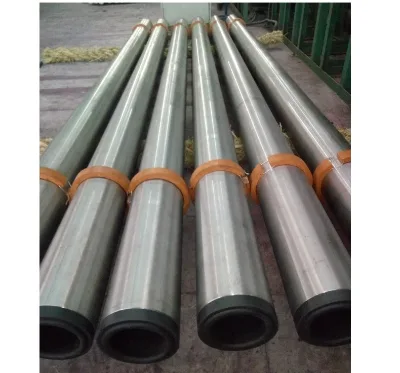
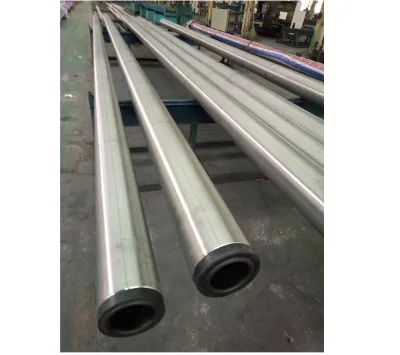
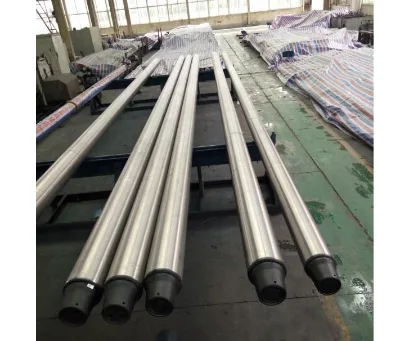


API Standard Forged 3 1/2" Non-Magnetic Drill Collars Logging While Drilling (LWD)
$1000.00 - $10000.00
MOQ: 1 Pieces


Non-Magnetic Flex Drill Collar for Well Drilling Forged Steel Drill Pipe
$1000.00 - $10000.00
MOQ: 1 Pieces

$1000.00 - $10000.00
MOQ: 1 Pieces


$5000.00 - $20000.00
MOQ: 1 Pieces


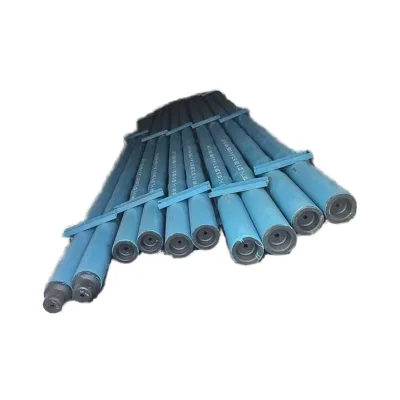
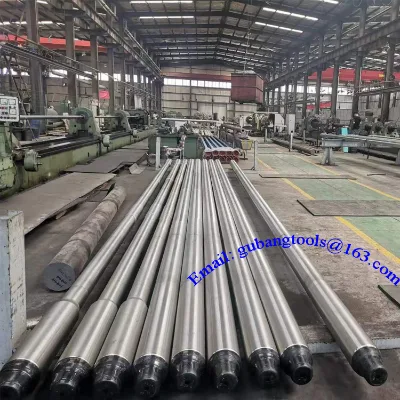


API Standard High Quality Non-Magnetic Spiral Drill Collar for Oil Field
$2000.00 - $5000.00
MOQ: 1 Pieces


Comprehensive Sourcing Guide
API Standard Forged Drill Collar Sourcing Guide
Procuring API standard forged drill collars requires a disciplined approach that balances technical precision with commercial due diligence. These critical components serve as the backbone of the Bottom Hole Assembly (BHA), providing the necessary weight to drive the drill bit into the formation while maintaining the structural integrity of the drill string. Buyers must recognize that not all listings labeled as "API standard" are created equal; the manufacturing process, material selection, and quality control protocols vary significantly across suppliers. This guide provides a structured framework for evaluating suppliers, verifying technical specifications, and ensuring that the procured equipment meets the rigorous demands of well drilling operations.
The sourcing process begins with a clear understanding of the product’s role in the drilling operation. Drill collars are heavy-walled pipes that connect the drill pipe to the bit, transferring weight and absorbing compressive forces. Because they operate under extreme stress, the choice between forged and welded constructions is pivotal. Forged drill collars generally offer superior mechanical properties and fatigue resistance, making them the preferred choice for demanding drilling environments. Buyers should focus on suppliers who explicitly state their manufacturing processes and provide evidence of adherence to recognized industry standards, rather than relying on generic marketing claims.
Product Scope and Observed Listing Signals
The market for drill collars presents a wide range of options, with observed listing prices spanning from approximately $6.24 to $30,000 USD. This vast disparity highlights the importance of looking beyond the headline price to understand what is included in the offer. Lower-priced items may represent smaller diameters, non-standard configurations, or components with limited warranty coverage. Conversely, higher-priced listings often reflect larger diameters, specialized materials, or comprehensive quality assurance packages. Buyers must correlate the price with the specific model number, diameter, and weight to ensure they are comparing equivalent products.
Observed Minimum Order Quantities (MOQs) typically range from 1 to 10 units, indicating that suppliers are flexible in handling both single-unit replacements and bulk orders for new drilling programs. Many suppliers support customization, allowing buyers to specify dimensions, thread types, and surface treatments to match their existing BHA configurations. It is also common to see listings that include video outgoing-inspection services, which provide a visual verification of the product’s condition before shipment. Buyers should leverage these signals to request detailed quotations that break down costs by unit, packaging, and any additional customization fees.
Technical Specifications to Verify
Material composition is the most critical technical factor in selecting a drill collar. Listings indicate the use of high manganese steel and alloy materials, with specific mentions of non-magnetic materials like AISI 4154H and magnetic materials such as P530 or P550. Buyers must verify the exact grade of steel used, as this determines the collar’s yield strength, toughness, and resistance to wear and corrosion. The manufacturing process is predominantly forging, often combined with CNC machining, drilling, boring, and turning to achieve precise dimensional tolerances. Understanding the specific processing methods helps buyers assess the potential for internal defects and the overall mechanical reliability of the component.
Dimensional and connection specifications must align precisely with the drilling rig’s requirements. Available diameters range from 4 1/2 inches to 20 inches, with model numbers such as 3 1/2 inches also being common. Connection types include API If, Nc, Reg, Fh, Xt, and premium threads, each offering different sealing and make-up characteristics. Buyers should confirm the operating pressure and temperature ranges, with some listings noting atmospheric pressure operation and temperature tolerances from -40°C to +200°C. Additionally, features like stress relief grooves and surface polishing treatments play a significant role in fatigue life and should be explicitly confirmed in the purchase order.
Compliance and Safety Documentation
Adherence to API standards is a fundamental requirement for drill collars used in professional well drilling operations. Listings frequently cite API Standard certification, which ensures that the product meets the rigorous testing and manufacturing guidelines set by the American Petroleum Institute. Buyers must request valid API monogram certificates or equivalent compliance documentation from the supplier. It is important to note that while API certification is a strong indicator of quality, it does not automatically guarantee that every individual unit has passed all required tests. Buyers should verify whether the certification applies to the manufacturing facility or the specific product line.
Other compliance documents, such as machinery test reports, are often listed as "Not Available" in initial product descriptions. This absence does not necessarily indicate a lack of quality but rather a gap in the digital listing information. Buyers should proactively request these reports, including hydrostatic pressure tests, tensile tests, and hardness tests, as part of the pre-shipment inspection process. Additionally, warranty terms, such as the 6-month warranty observed in some listings, provide a layer of protection against premature failure. Buyers should clarify the scope of the warranty, including what constitutes valid coverage and the process for filing claims.
Cost Drivers and Commercial Terms
Several factors influence the final cost of API standard forged drill collars. The weight of the component, which can reach up to 500 kg per unit, significantly impacts shipping and handling costs. Packaging methods, such as iron frame packaging or standard export packages, also affect the overall expense, as robust packaging is essential to prevent damage during transit. Buyers should consider the total landed cost, including freight, insurance, and customs duties, rather than focusing solely on the unit price. Suppliers offering competitive prices may achieve this through efficient manufacturing processes or economies of scale, but buyers should ensure that cost savings do not compromise material quality or inspection rigor.
Commercial terms such as payment methods, lead times, and after-sales support are critical components of the procurement agreement. While specific lead times are not provided in the observed data, buyers should negotiate clear delivery schedules to align with their drilling operations. The availability of customized solutions, including specific thread types and surface treatments, may incur additional costs but can reduce installation time and improve operational efficiency. Buyers should also evaluate the supplier’s responsiveness to technical inquiries and their ability to provide timely support during the warranty period.
Supplier Qualification and Quality Control
Evaluating supplier qualifications is essential to mitigate the risk of procuring substandard drill collars. Buyers should verify the supplier’s manufacturing capabilities, including their forging and CNC machining facilities. Listings indicate origins in Beijing and Henan, China, but buyers should conduct on-site audits or request third-party verification of the production environment. The presence of video outgoing-inspection services is a positive indicator, as it allows buyers to visually confirm the product’s condition before payment. However, visual inspection should be supplemented with documentary evidence of quality control processes.
Quality control protocols should include rigorous testing at multiple stages of production. Buyers should inquire about the supplier’s internal quality management systems, such as ISO 9001 certification, although this should be treated as a background indicator rather than a definitive guarantee. The availability of high-quality materials and precise manufacturing processes, such as CNC milling and polishing, suggests a commitment to quality. Buyers should also assess the supplier’s track record in the global market, looking for testimonials or case studies that demonstrate successful deliveries to international clients.
Long-Term Procurement Checks
Establishing a long-term relationship with a reliable supplier requires ongoing monitoring and performance evaluation. Buyers should track the performance of the drill collars in actual drilling operations, monitoring metrics such as service life, failure rates, and maintenance requirements. Feedback from field engineers and drilling supervisors is invaluable for assessing the real-world performance of the components. Suppliers who actively engage in continuous improvement and incorporate field feedback into their manufacturing processes are more likely to deliver consistent quality over time.
Regular audits and re-verification of compliance documentation are necessary to ensure that the supplier maintains their quality standards. Buyers should periodically review the supplier’s certification status, manufacturing processes, and quality control protocols. Additionally, maintaining open communication channels with the supplier can facilitate quick resolution of any issues that arise during the warranty period. By adopting a proactive approach to supplier management, buyers can secure a stable supply of high-quality API standard forged drill collars, supporting the efficiency and safety of their drilling operations.
FAQs
What material is used for API standard forged drill collars?
High manganese steel is the primary material used for these drill collars. Some variants also utilize alloy steel or specific non-magnetic materials like AISI 4154h. The manufacturing process involves forging to ensure durability. This material selection supports high-quality performance in demanding drilling environments.
Can these drill collars be customized for specific projects?
Yes, customization is available for these drill collars. Buyers can request specific models, sizes, and surface treatments. The product supports customized standards and packaging options. This flexibility allows the equipment to meet unique operational requirements for well drilling and mining applications.
What is the typical MOQ for ordering drill collars?
The minimum order quantity is typically one unit. This low MOQ allows buyers to test the product quality before committing to larger orders. The selling unit is listed as a single item. This policy facilitates easier procurement for various project scales.
Which connection types are supported for these drill collars?
Multiple connection types are supported, including API, Reg, Fh, If, Nc, and Tx39. These options ensure compatibility with various drilling systems. The product adheres to API standards for reliability. Buyers can select the appropriate thread type based on their specific BHA requirements.
What certifications are provided for these forged drill collars?
API certification is provided for these drill collars. The product meets API standards for quality and safety. Video outgoing inspections are also provided to verify condition. This documentation ensures that the equipment meets international industry requirements for well drilling operations.
How are these drill collars packaged for shipping?
The drill collars are packaged in iron frames or standard export packages. This method ensures safe transportation and protection during transit. The single gross weight is approximately 500 kg. The packaging is designed to withstand global shipping conditions while maintaining product integrity.