Source API Galvanized Steel Square Tube for Construction, Greenhouse, and Pipeline
Find API Galvanized Steel Square Tube from 30 verified listings. Compare sizes, thicknesses, and zinc coatings for construction, greenhouse, and pipeline transport applications. View pricing and MOQ details to streamline your procurement process; compare the available evidence and request quotations based on your requirements.
Updated
Key considerations
Products List


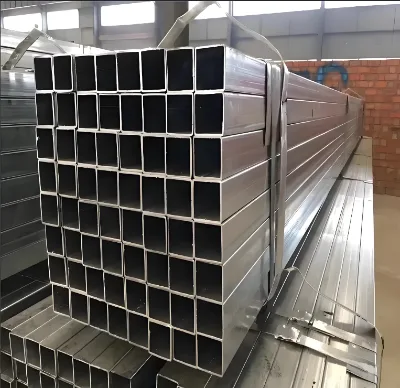


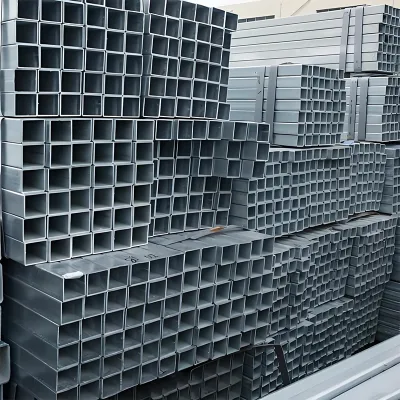
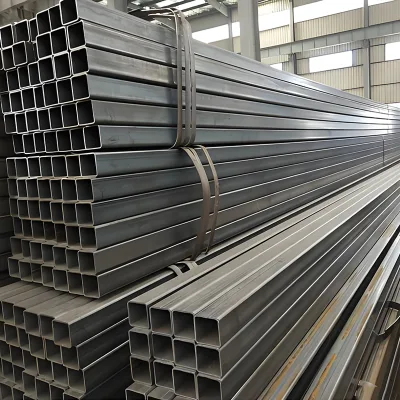
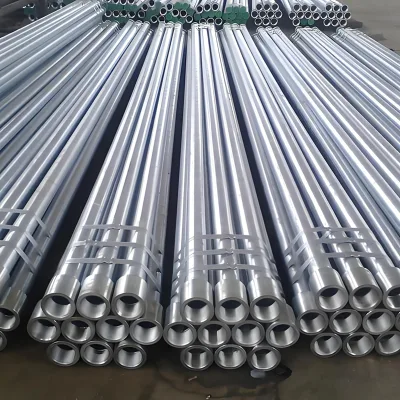
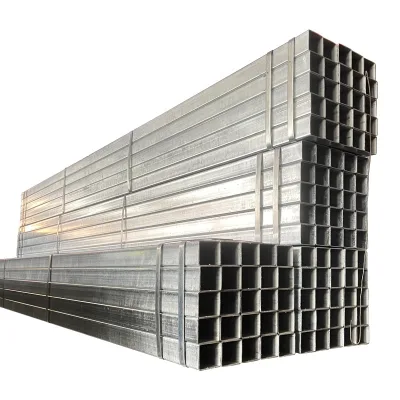
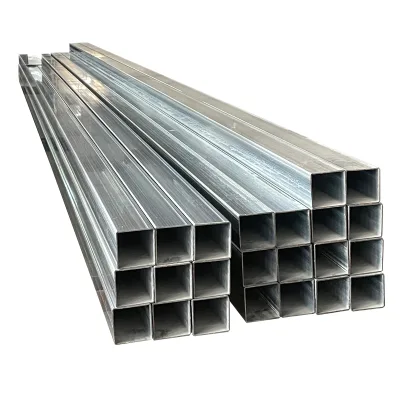
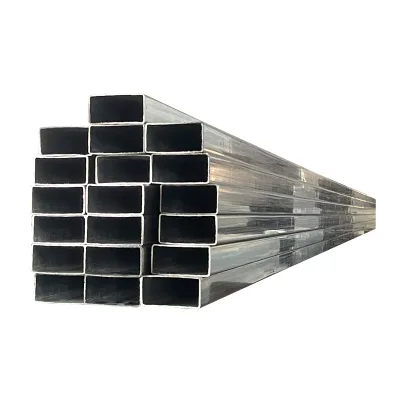
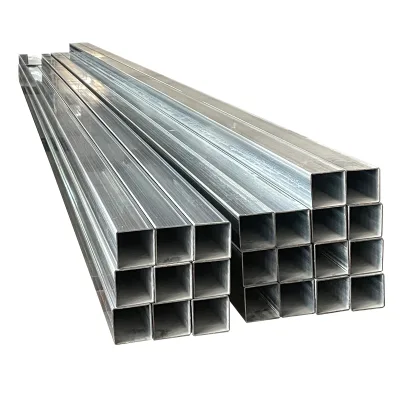
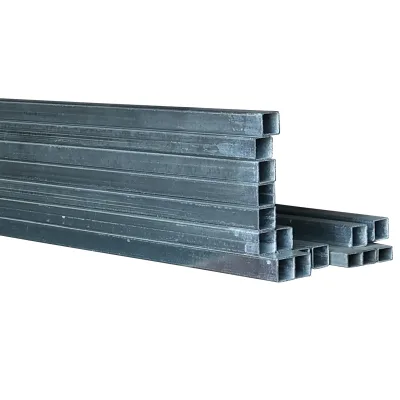
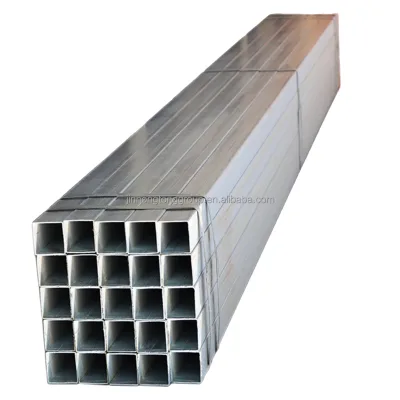
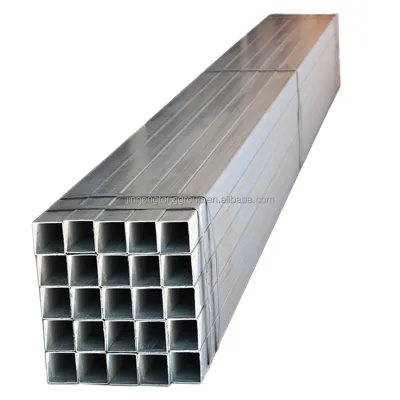
Galvanized Perforated Square Tube Tubing Ms Square Tube Galvanized Square Steel Pipe
$495.5694 - $536.8665
MOQ: 1 tons
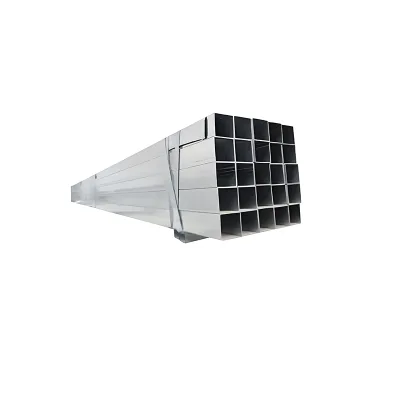
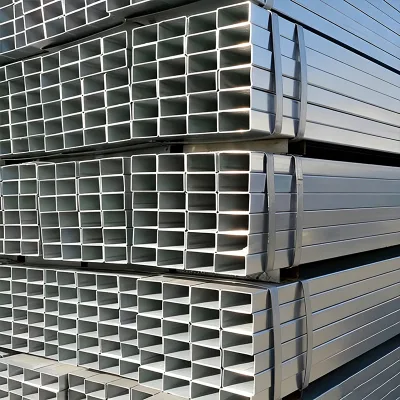




Comprehensive Sourcing Guide
API Galvanized Steel Square Tube Sourcing Guide
Sourcing API galvanized steel square tubes requires careful alignment of technical specifications with intended structural or fluid transport applications. Buyers must distinguish between general construction grades and those meeting specific API standards for pipeline or hydraulic systems. The market offers various customization options, including size, thickness, and surface treatment, which directly impact performance and cost. Understanding these variables is essential for selecting the right product for machinery, mining, or chemical industry use.
Procurement decisions should be driven by verified supplier capabilities and documented quality control processes. While many listings highlight features like cold-rolled or hot-rolled techniques, buyers need to confirm the actual manufacturing method and surface treatment consistency. Galvanization provides critical corrosion resistance, but the zinc coating weight and uniformity vary significantly between suppliers. Establishing clear technical requirements early in the sourcing process helps avoid mismatches between delivered goods and project specifications, ensuring long-term reliability and safety.
Product Scope and Observed Listing Signals
The observed product landscape includes galvanized square tubes and hollow section steel pipes with customizable dimensions ranging from small profiles to large structural sections. Listings indicate a wide price range, reflecting differences in material grade, wall thickness, and coating weight. Common applications span construction, decoration, greenhouse framing, and billboard structures, alongside more demanding uses in hydraulic and automobile pipe systems. Buyers should note that "API" may refer to specific industry standards or general quality expectations, so verifying the exact standard is crucial.
Surface treatments and manufacturing techniques vary, with options including galvanized finishes, oiled painting, and various rolling methods like ERW, cold rolled, and hot rolled. The zinc coating weight is a key differentiator, with observed ranges from 40g/sqm to 550g/m2, depending on the corrosion resistance requirements. Some products are marketed as pre-galvanized, while others undergo post-processing. Understanding these distinctions helps buyers assess the suitability of the tube for outdoor exposure, chemical environments, or structural load-bearing applications, ensuring the selected product meets the specific environmental and mechanical demands of the project.
Technical Specifications to Verify
Buyers must verify the exact dimensional tolerances, including width, height, and wall thickness, as these vary by manufacturer and intended use. Observed thickness ranges typically span from 0.5mm to 2.5mm, with larger profiles available for heavy-duty applications. Lengths are commonly standardized at 5.8m or 6m, but customization is often available to reduce waste on site. It is essential to confirm whether the product is secondary processed or supplied in its primary form, as this affects handling and installation requirements.
Material grade and mechanical properties are critical for structural integrity. Standards such as Q195, Q235, Q345, and SS400 are commonly referenced, each offering different yield strengths and ductility. Buyers should request mill test certificates to verify chemical composition and mechanical performance. Additionally, the section shape must be confirmed as square, with attention to corner radii and flatness. For pipeline or hydraulic applications, pressure ratings and burst strength data should be explicitly requested to ensure compliance with operational safety margins.
Compliance and Safety Documentation
Documentation is vital for verifying that the galvanized steel square tubes meet international and regional safety standards. Certifications such as CE, BV, and SGS are frequently cited, indicating third-party verification of quality and compliance. Buyers should request copies of these certificates to ensure they are valid and applicable to the specific batch of goods. These documents provide assurance that the manufacturing process adheres to recognized quality management systems and environmental regulations.
In addition to product certifications, buyers should inquire about material traceability and batch testing records. For applications in the chemical industry or mining, specific corrosion resistance tests may be required. It is important to verify that the zinc coating process meets relevant environmental standards, particularly regarding waste disposal and emissions. Ensuring that all documentation is complete and accurate helps mitigate legal and safety risks, providing a clear audit trail for quality assurance and regulatory compliance throughout the supply chain.
Cost Drivers and Commercial Terms
Several factors influence the final cost of galvanized steel square tubes, including raw material prices, manufacturing complexity, and surface treatment requirements. The zinc coating weight is a significant cost driver, with higher coating weights increasing material and processing expenses. Customization options, such as specific sizes or lengths, may also incur additional charges. Buyers should request detailed quotations that break down these costs to understand the value proposition and identify potential areas for negotiation.
Commercial terms such as FOB, CIF, and CFR affect the total landed cost, depending on the buyer’s location and logistics capabilities. Minimum order quantities (MOQ) vary, with some suppliers requiring bulk purchases while others accommodate smaller orders. Payment terms and lead times should be clearly defined in the contract to avoid delays and cash flow issues. Understanding these commercial variables allows buyers to optimize their procurement strategy, balancing cost efficiency with supply chain reliability and project timelines.
Supplier Qualification and Quality Control
Evaluating supplier qualifications is essential to ensure consistent product quality and reliable delivery. Buyers should assess the supplier’s manufacturing capabilities, including their production capacity and quality control processes. Factories with advanced equipment and experienced staff are more likely to produce tubes with tight dimensional tolerances and uniform surface finishes. Requesting factory audits or third-party inspections can provide valuable insights into the supplier’s operational standards and compliance with international quality benchmarks.
Quality control measures should include in-process inspections and final product testing. Buyers should verify that the supplier conducts regular checks on zinc coating adhesion, thickness, and uniformity. For structural applications, mechanical testing such as tensile strength and bend tests may be required. Establishing a clear quality agreement with the supplier, including acceptance criteria and rejection procedures, helps ensure that the delivered products meet the specified requirements. Regular communication and feedback loops can further enhance quality and foster a collaborative partnership.
Long-Term Procurement Checks
Establishing long-term procurement relationships requires ongoing monitoring of supplier performance and product quality. Buyers should implement a system for tracking delivery times, defect rates, and customer satisfaction. Regular reviews of supplier performance against key performance indicators (KPIs) help identify areas for improvement and ensure continued compliance with quality standards. Building a diversified supplier base can also mitigate risks associated with supply chain disruptions or price volatility.
Continuous improvement initiatives, such as joint quality improvement projects or technology upgrades, can enhance the value of the procurement relationship. Buyers should stay informed about industry trends and technological advancements in steel manufacturing and galvanization. Engaging with suppliers on sustainability and environmental responsibility can also contribute to long-term success. By maintaining a proactive approach to supplier management, buyers can secure a reliable supply of high-quality galvanized steel square tubes that support their operational and strategic goals.
FAQs
What customization options are available for API Galvanized Steel Square Tube?
Customization is available for size, color, and specific specifications. You can select from various section shapes and surface treatments like galvanized finishes. The product model allows for tailored dimensions to meet unique project requirements, ensuring the final output matches your exact engineering or design needs.
What are the standard thickness and size ranges for these tubes?
Thickness typically ranges from 0.5mm to 2.5mm. Standard sizes can be customized, with common specifications including 15x15mm to 100x100mm or larger up to 800x800mm. Lengths are generally 6m or 5.8m, but can also be customized to fit specific logistical or installation constraints for your supply chain.
Which certifications are provided for API Galvanized Steel Square Tube?
Certifications include CE, BV, and SGS. These documents verify that the manufacturing processes and material quality meet international standards. Buyers can request these certificates to ensure compliance with regulatory requirements in their target markets, providing assurance regarding the structural integrity and safety of the supplied steel products.
Can I order small quantities of API Galvanized Steel Square Tube?
Yes, the minimum order quantity is 1 ton. This low MOQ allows for flexible purchasing for smaller projects or testing purposes. It enables buyers to secure necessary materials without committing to large bulk volumes, making it suitable for diverse applications ranging from construction decoration to machinery industry components.
What surface treatments are applied to API Galvanized Steel Square Tube?
The tubes undergo galvanized surface treatment with zinc coating ranging from 40g/sqm to 550g/m2. This process enhances corrosion resistance and durability. Additional processing services like punching, cutting, and stamping are available. The galvanized finish ensures longevity in outdoor or harsh environments, protecting the underlying carbon steel structure.
Where are api galvanized steel square tubes manufactured?
Manufacturing origins include Guangdong and Tianjin in China. These regions are known for robust steel production capabilities. Buyers can source directly from these locations, benefiting from established industrial infrastructure. The specific origin may vary based on the supplier and product model, allowing for strategic sourcing decisions based on logistics and cost efficiency.