Source Adults Outdoor Cotton Voile Hijab for Daily Wear, Travel, and Events
Compare 19 listings for Adults Outdoor Cotton Voile Hijab featuring plain and floral designs in various sizes. Buyers can evaluate customization options, packaging details, and delivery times from suppliers in Zhejiang, China.
Key considerations
Products List


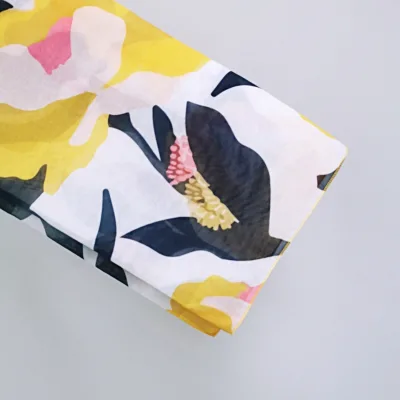
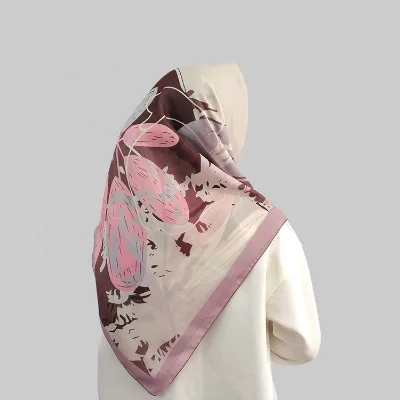
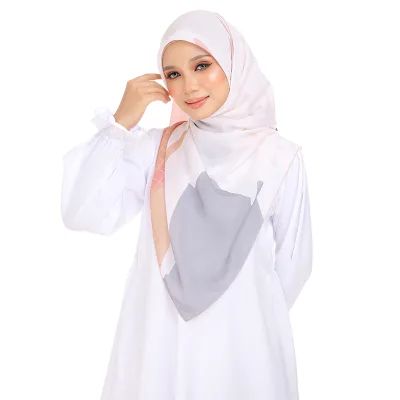
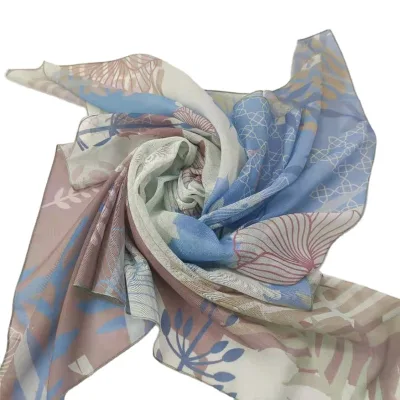
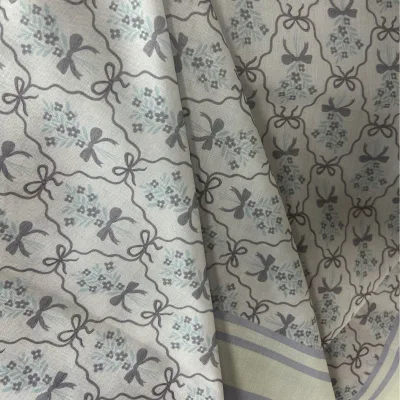


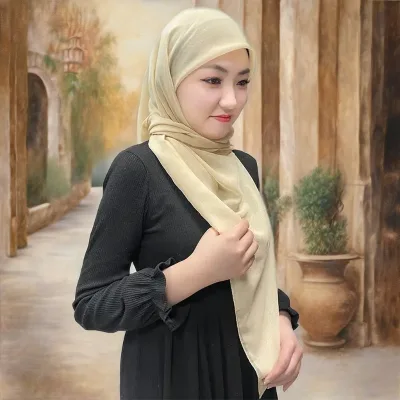
2025 Hot Sale Voile Square Hijab - Premium Quality Wholesale with Custom Hijab
$1.48 - $1.96
MOQ: 100 Pieces

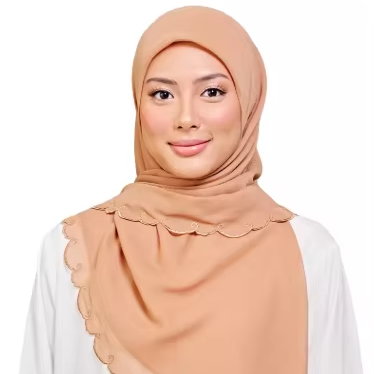
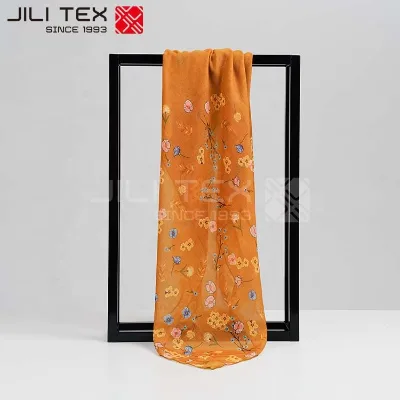
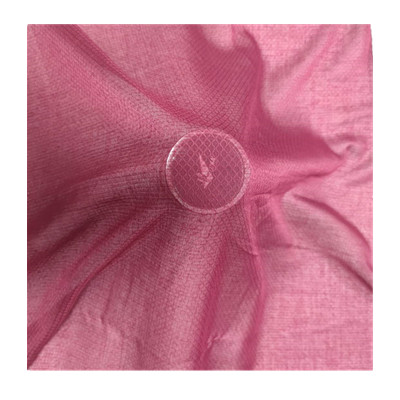
Comprehensive Sourcing Guide
Strategic Sourcing Guide for Adults Outdoor Cotton Voile Hijabs
Understanding Product Definitions and Material Realities
When initiating a procurement strategy for "adults outdoor cotton voile hijabs," the first critical step is resolving the apparent contradiction between the material description and the actual product composition observed in the market. While the core keyword emphasizes "cotton," the supplied product data reveals a complex landscape where "Cotton Voile Hijab" is often a trade name or a style descriptor rather than a strict material declaration. The observed listings explicitly state "100% Polyester" as the material composition for several high-volume items, while simultaneously carrying the attribute "Cotton Hijab" or "Cotton Voile" in their product names. This discrepancy is common in the textile industry, where "voile" refers to the weave structure—a lightweight, semi-sheer fabric—rather than the fiber content alone.
For a buyer targeting the adult demographic, it is essential to verify the fiber content through independent testing rather than relying solely on the product title. The observed data indicates that products labeled as "Bawal Cotton Voile Hijab" may be constructed from 100% polyester to achieve specific performance characteristics required for outdoor use, such as durability and colorfastness. The "Cotton" designation in the name likely refers to the soft hand-feel or the traditional style of the garment. Procurement teams must clarify whether the requirement is for a natural fiber blend or if the functional benefits of polyester are acceptable. The observed specifications list various models, including "60 Bawal Cotton Voile Hijab" and "45 Bawal Cotton Voile," suggesting that the number may refer to the GSM (grams per square meter) or a specific model code rather than a fiber percentage.
The product type is consistently identified as a "Scarf," designed for the "Adults" age group. The style is predominantly "Plain Dyed" or "Plain," though some listings mention "Dot" and "Floral" patterns. This variation in pattern availability suggests that while the base product is a solid color scarf, customization options for patterns are available. Buyers must distinguish between standard stock items, which are often plain, and custom orders, which can accommodate specific designs. The "Outdoor" aspect of the keyword implies a need for fabrics that withstand environmental exposure, which aligns with the "Normal" thickness and "100% Polyester" composition observed in the data, as synthetic fibers generally offer better resistance to UV degradation and moisture than pure cotton.
Technical Specifications and Dimensional Standards
The technical specifications for these hijabs vary significantly across different product listings, necessitating a rigorous verification process before placing an order. The observed data presents multiple standard dimensions, indicating that there is no single universal size for this product category. Specific listings cite dimensions of "70180cm," "110110cm," and "115115cm." The "70180cm" specification is typical for a long, rectangular drape suitable for full coverage, while the "110110cm" and "115115cm" measurements suggest square formats, often referred to as "Bawal" styles, which are folded to create a specific shape.
Thickness is another critical technical parameter. The observed data describes the thickness as "Normal," which is a qualitative descriptor that requires quantification. In textile procurement, "normal" thickness for a voile fabric typically falls within a specific GSM range, but without explicit numerical data in the source, buyers must request the exact GSM value from the supplier. The "Single Package" dimensions are also listed, with observations showing sizes like "30X30X0.25 Cm" and "30X30X2 Cm." These packaging dimensions are vital for logistics planning, as they determine the volume of the shipment and the efficiency of container loading. The variation in packaging thickness (0.25 cm vs. 2 cm) suggests differences in how the product is folded or if it includes rigid inserts.
The "Model" or "prod_model" attribute provides further differentiation, with codes such as "60 bawal cotton," "45 bawal cotton," and "Western." These model codes likely correlate with the specific dimensions, fabric weight, or styling technique. For instance, the "Western" model might refer to a specific drape style or a pre-stitched configuration, although the primary listing identifies the product type as a "Scarf." Buyers should map these model codes to physical samples to ensure the selected item meets the intended usage requirements. The "Standard" attribute is explicitly linked to dimensions, reinforcing that size is the primary differentiator between product variants.
Compliance, Certification, and Safety Verification
Compliance and certification are paramount when sourcing textile products for the global market, particularly for items worn close to the skin. The observed data lists "CCC" and "CE" as certifications associated with the products. The CCC (China Compulsory Certification) is a mandatory certification system for products sold in China, covering a wide range of goods including textiles. The CE marking indicates conformity with health, safety, and environmental protection standards for products sold within the European Economic Area. However, the reliability of these certifications depends on the specific product scope and the validity of the certificates provided by the supplier.
Buyers must verify that the certifications listed are current and applicable to the specific textile product being purchased. The "CE" marking for textiles often relates to safety standards regarding flammability or chemical restrictions, rather than a general quality mark. It is crucial to request the actual certificate documents and cross-reference the certificate numbers with the issuing authority. The "CCC" certification is particularly relevant if the product is manufactured in China, as it ensures the product meets national safety standards. However, for export markets, additional certifications such as OEKO-TEX Standard 100, which tests for harmful substances, are often required to ensure the fabric is safe for skin contact.
The "Customized Services" attribute indicates that suppliers offer OEM/ODM capabilities, which can include custom labeling and logo placement. When customizing products, the compliance status of the added elements, such as woven logos or metal logos, must also be verified. Metal components may be subject to different safety regulations regarding lead content or sharp edges, especially if the product is intended for children, although the primary target here is adults. The "Standard Packaging" and "Custom Packing" options also require attention to ensure that any packaging materials comply with environmental regulations in the destination country.
Cost Drivers and Pricing Dynamics
The pricing structure for cotton voile hijabs is influenced by several factors, including material composition, customization level, and order volume. The observed price range in the market is between $0.75 and $2.88 USD per unit. This wide range suggests that the final price is highly dependent on the specific product configuration. The lower end of the price spectrum likely corresponds to standard, non-customized polyester voile scarves with minimal packaging. The higher end may reflect products with custom designs, special packaging, or higher quality control standards.
Material costs are a primary driver of price variance. Although the keyword specifies "cotton," the observed data shows "100% Polyester" as a common material. Polyester is generally less expensive than high-quality cotton, which may explain the lower price points. However, if a buyer specifically requires 100% cotton or a cotton-blend fabric, the cost will likely increase due to the higher raw material prices and potentially more complex manufacturing processes. The "Customization" attribute, including custom logos and labels, adds to the production cost. Suppliers charge setup fees for custom molds or printing plates, which can be amortized over the order quantity.
Order volume is another significant cost driver. The observed Minimum Order Quantity (MOQ) ranges from 1 to 100 pieces, with many listings specifying an MOQ of 100 pieces or 100 PCS. Smaller orders, such as those with an MOQ of 10 pieces, may carry a higher unit price due to the inefficiency of production runs. The "Selling Units" are listed as "Single Package Single Item," indicating that the price is per individual unit. Buyers should negotiate based on tiered pricing, where the unit cost decreases as the order quantity increases. The "Delivery Time" of "Within 7 Days After The Final Payment" suggests a relatively fast turnaround, which may come at a premium compared to standard lead times of 30-45 days.
Supplier Evaluation and Operational Capabilities
Evaluating suppliers for cotton voile hijabs requires a focus on their manufacturing capabilities, customization services, and logistical reliability. The observed data indicates that suppliers are located in "Zhejiang, China" and generally "China." Zhejiang is a major hub for textile manufacturing, known for its supply chain efficiency and expertise in fabric production. Buyers should verify the specific factory location to assess the proximity to ports and the potential for logistics costs.
The "Service" attribute lists "OEM/ODM," confirming that suppliers are capable of producing private label goods and custom designs. This is a critical capability for buyers looking to build their own brand. The "Customized Services" section explicitly mentions "Logo Packing Size," "Woven Logo," and "Metal Logo," indicating a range of branding options. Buyers should request samples of these custom elements to assess the quality of the branding application. The "Designs" attribute confirms that "Custom Designs" are available, allowing for unique patterns or colors.
Logistical capabilities are also evident in the "prod_packing" and "Single Package" attributes. Suppliers offer various packaging options, including "OPP Bags," "Zipper Bags," "Boxes," and "Custom Packing." The ability to provide custom packaging is a significant advantage for buyers who want to enhance the unboxing experience or meet specific retail requirements. The "Delivery Time" of "Within 7 Days After The Final Payment" is a strong indicator of operational efficiency, suggesting that the supplier can handle rush orders or maintain a lean inventory. However, buyers should confirm if this lead time applies to custom orders or only to stock items, as customization often extends the production timeline.
Quality Control and Long-Term Procurement Strategy
Implementing a robust quality control (QC) strategy is essential to ensure that the purchased hijabs meet the required standards. Given the discrepancy between the "cotton" keyword and the "100% Polyester" observation, QC must include fiber content verification. Buyers should mandate third-party testing to confirm the material composition matches the purchase order specifications. Additionally, the "Quality" attribute is listed as "High Quality," but this is a subjective claim. Objective QC metrics should include checks for colorfastness, shrinkage, seam strength, and fabric weight (GSM).
The "Standard" dimensions of "70180cm," "110110cm," and "115*115cm" must be verified during the inspection process. Dimensional accuracy is crucial for the final drape and fit of the hijab. Any deviation from the specified size can affect the product's usability and customer satisfaction. The "Pattern Type" should also be inspected to ensure that "Dot" or "Floral" designs are printed clearly and without distortion. For custom orders, the placement and quality of the "Woven Logo" or "Metal Logo" must be checked to ensure they are securely attached and aesthetically pleasing.
Long-term procurement considerations involve building a sustainable relationship with suppliers who can consistently deliver high-quality products. The "Customized Services" and "OEM/ODM" capabilities suggest that suppliers are flexible and willing to adapt to changing market needs. Buyers should establish clear communication channels and agree on quality standards before placing large orders. Regular audits and sample approvals can help maintain consistency. The "Season" attribute of "Spring / Autumn" indicates that these products are suitable for transitional weather, but buyers should consider the climate of their target market when planning inventory. The "Usage" as "Decoration" suggests that the hijabs may also be used for fashion or decorative purposes, expanding the potential market beyond traditional religious wear.
Comparative Analysis of Product Variants
To facilitate informed decision-making, the following table summarizes the key differences observed in the product listings. This comparison highlights the variations in dimensions, materials, and packaging that buyers must consider.
| Feature | Variant A | Variant B | Variant C |
|---|---|---|---|
| Product Name | Bawal Cotton Voile Hijab | Cotton Voile Hijabs | 60 Bawal Cotton Voile |
| Material | Cotton Hijab (Claimed) | 100% Polyester | 100% Polyester |
| Dimensions | 70*180cm | 110*110cm | 115*115cm |
| Pattern | Plain | Plain Dyed | Dot, Floral |
| MOQ | 100 PCS | 100 Pieces | 10 pcs |
| Packaging | Standard Packaging | OPP Bags; Zipper Bags | Single Item 30X30X2cm |
| Certification | CCC, CE | CCC, CE | Not Specified |
| Origin | Zhejiang, China | China | China |
This table illustrates that while the product category is consistent, the specific attributes vary significantly. Variant A focuses on a rectangular shape with a claimed cotton composition, while Variant B and C offer square shapes with polyester construction. The MOQ for Variant C is notably lower, making it suitable for smaller buyers or trial orders. Buyers should use this data to select the variant that best aligns with their specific requirements for size, material, and order volume.
Conclusion and Procurement Recommendations
Sourcing "adults outdoor cotton voile hijabs" requires a nuanced approach that balances marketing terminology with technical reality. The observed data reveals a market where "cotton" is often a stylistic descriptor rather than a material fact, with "100% Polyester" being a prevalent composition. Buyers must prioritize verification of material content, dimensional accuracy, and certification validity to ensure product quality and compliance. The flexibility of suppliers in offering OEM/ODM services, custom packaging, and rapid delivery times makes the region a viable source for this product category. By focusing on objective specifications and maintaining rigorous quality control, buyers can successfully navigate the complexities of this market and secure high-quality products that meet their specific needs.
FAQs
What material is used for the Bawal Cotton Voile Hijab?
The product is constructed from 100% polyester despite the cotton-style name. Buyers should verify fiber content through testing as the trade name often refers to the weave rather than the actual fiber composition.
Which certifications are available for these hijab products?
The observed listings include CCC and CE certifications. Buyers must request valid certificate documents to confirm these marks apply to the specific textile product and meet safety standards for the target export market.
Can I customize the logo and packaging for this item?
Yes, customization services are available for logos and packaging sizes. Suppliers offer options like woven logos, metal logos, and custom packing in OPP or zipper bags to meet specific branding requirements.
What are the standard dimensions for the Bawal Cotton Voile Hijab?
Standard sizes vary between 70 by 180 cm and square formats like 110 by 110 cm. Buyers should confirm the exact model code to ensure the selected dimensions match their intended drape style.
How long is the delivery time after payment?
Delivery occurs within 7 days after the final payment is received. This fast turnaround applies to standard orders, though custom designs may require additional time for production setup.
What is the minimum order quantity for these hijabs?
The minimum order quantity typically ranges from 10 to 100 pieces depending on the supplier. Smaller orders may incur higher unit costs, so buyers should negotiate based on tiered pricing structures.
Where are these hijab products manufactured?
Products originate from Zhejiang, China, a major textile manufacturing hub. Buyers should verify specific factory locations to assess logistics efficiency and proximity to shipping ports for cost-effective transport.