Source Arab Style Paper Overlaid Plywood for furniture, cabinets, and partitions
Compare 30 listings of Arab Style Paper Overlaid Plywood with poplar cores and E1/E2 glue options. Buyers can review thickness from 1.6mm to 25mm, moisture content, and formaldehyde emission standards for indoor and outdoor applications.
Key considerations
Products List


Melamine Laminated Plywood /Paper Overlay Plywood/Polyester Overlaid Plywood
$5.80 - $15.80
MOQ: 1000 Pieces


Comprehensive Sourcing Guide
Arab Style Paper Overlaid Plywood Sourcing Guide
Sourcing Arab Style Paper Overlaid Plywood requires a nuanced understanding of both the structural integrity of the core material and the aesthetic precision of the surface finish. This category of engineered wood products combines the mechanical stability of multi-layered veneer with decorative surface treatments that mimic traditional arabesque patterns, intricate floral motifs, or solid wood grains. Buyers must recognize that "arab style" is primarily a visual descriptor for the overlay paper, while the underlying performance depends on the core composition, adhesive quality, and manufacturing tolerances. The intersection of decorative intent and structural utility means that procurement decisions cannot rely on appearance alone; they must be grounded in verified technical specifications that ensure the panels will perform as expected in their intended indoor applications.
The procurement landscape for these panels is characterized by a wide variance in core materials and finishing options, which directly impacts both cost and durability. While the decorative layer provides the aesthetic appeal, the core—often composed of poplar, hardwood, or combi materials—determines the panel’s strength, weight, and resistance to environmental factors. Buyers should approach this category with the understanding that the term "paper overlaid" refers to the lamination process where decorative paper is bonded to the veneer surface under heat and pressure. This process requires strict control over bonding strength and moisture content to prevent delamination or surface defects. Consequently, the sourcing strategy must prioritize suppliers who demonstrate consistent quality control in both the lamination process and the preparation of the underlying wood core.
Product Scope and Observed Listing Signals
The observed market signals indicate a broad range of product configurations, with thicknesses varying significantly from 1.6mm to 25mm. This wide range suggests that the product category serves diverse needs, from thin decorative panels for furniture interiors to thicker structural boards for cabinetry or wall cladding. The standard dimensions of 1220mm by 2440mm are prevalent, aligning with international plywood standards, but buyers should verify if custom sizes are available, as customization is noted as an available attribute. The presence of various ply counts, such as 3-ply, 13-ply, and veneer boards, indicates that the product scope is not limited to a single structural type but encompasses a spectrum of engineered wood solutions. Buyers must carefully match the ply count and thickness to their specific load-bearing and aesthetic requirements, as thinner panels may lack the rigidity needed for larger spans.
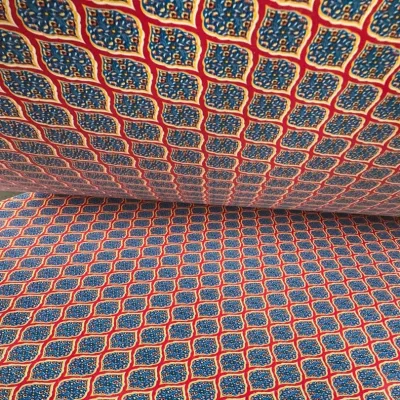
Surface appearance and core composition are critical differentiators within this product scope. The face of the plywood can feature all kinds of flower colors, multi-color designs, or solid wood grain patterns, allowing for significant aesthetic flexibility. However, the core material is not uniform; it may consist of poplar, hardwood, eucalyptus, birch, or combi materials. This variability means that two panels with identical decorative overlays may have vastly different mechanical properties. For instance, a poplar core offers a lighter weight and easier workability, while hardwood cores provide greater density and strength. Buyers should treat the visual description of the "arab style" overlay as a separate consideration from the core selection, ensuring that the chosen core material aligns with the project’s structural and acoustic requirements.
Technical Specifications to Verify
Thickness tolerance is a critical technical parameter that directly affects the fit and finish of the final product. Observed specifications indicate tolerances ranging from +/-0.2mm to +/-0.5mm, which can have significant implications for assembly, especially in precision joinery or when using edge banding. Buyers must verify the exact tolerance allowed for their order, as tighter tolerances may incur higher costs but ensure a more seamless installation. Additionally, the moisture content of the plywood is a vital factor in preventing warping or shrinkage after installation. The observed range of 8% to 14% moisture content suggests that panels are dried to a level suitable for indoor use, but buyers should confirm that the specific batch meets the humidity conditions of the destination environment to avoid post-installation defects.
Bonding strength and formaldehyde emission standards are essential technical metrics that define the safety and longevity of the plywood. The bonding strength is categorized into different grades, such as II (Ns) and III (Nc), which indicate the panel’s resistance to water and heat. For indoor applications, Grade II bonding is typically sufficient, but buyers should confirm the specific grade required for their use case. Furthermore, formaldehyde emission standards are a key health consideration, with observed grades including Grade One and Excellent Grade. Buyers must ensure that the selected plywood meets the regulatory requirements of their target market, particularly regarding indoor air quality, and request test reports that verify the emission levels against recognized standards.
Compliance and Safety Documentation
Formaldehyde emission compliance is a non-negotiable aspect of sourcing plywood for indoor environments. The observed standards, such as E1 and E2 grades, refer to the amount of formaldehyde released by the adhesive used in the panel’s construction. Buyers must verify that the supplier can provide documentation confirming that the product meets the specific emission limits required by local regulations, such as CARB Phase 2 in the United States or EN 717 in Europe. While the observed data mentions Grade One and Excellent Grade emissions, buyers should not assume that all products in this category meet the strictest standards. It is crucial to request third-party test reports that explicitly state the emission levels in mg/L or ppm, ensuring that the product is safe for use in residential and commercial spaces where occupants spend extended periods.
Certification and quality management systems provide additional assurance of a supplier’s reliability and commitment to consistent quality. The observed certifications include ISO9001:2008 and FSC, which indicate adherence to international quality management standards and responsible forestry practices, respectively. ISO9001 certification suggests that the supplier has implemented a systematic approach to quality control, reducing the risk of defects in production. FSC certification, on the other hand, ensures that the wood fibers used in the core are sourced from responsibly managed forests. Buyers should verify the validity of these certifications and check if they cover the specific product line being ordered, as certifications may vary by factory or product type.
Cost Drivers and Commercial Terms
The cost of Arab Style Paper Overlaid Plywood is influenced by several key factors, including the core material, thickness, and decorative overlay complexity. Thicker panels and those with hardwood cores generally command higher prices due to the increased material usage and processing time. Similarly, intricate arabesque patterns or multi-color overlays may involve more complex printing and lamination processes, leading to higher costs. Buyers should anticipate a price range that reflects these variables, with observed listings indicating a wide spectrum from low-cost basic panels to premium decorative options. Understanding these cost drivers allows buyers to make informed trade-offs between aesthetic preferences and budget constraints, ensuring that they select a product that offers the best value for their specific project requirements.
Minimum Order Quantity (MOQ) and packaging standards are significant commercial terms that impact the overall procurement cost and logistics. Observed MOQs range from 1 to 2000 units, offering flexibility for both small-scale projects and large-volume purchases. Buyers should negotiate MOQs based on their storage capacity and project timeline, as lower MOQs may come with higher per-unit costs. Additionally, the packaging method, such as standard exporting packing or pallet packing, affects the protection of the panels during transit and the efficiency of loading. Buyers should confirm that the packaging is robust enough to prevent damage, especially for thinner panels that are more susceptible to bending or breaking. Clear agreement on packaging standards can reduce the risk of claims and ensure that the product arrives in pristine condition.
Supplier Qualification and Quality Control
Supplier qualification begins with verifying the origin and production capabilities of the manufacturer. The observed origins, including Linyi, Shouguang, and Qingdao, are known hubs for plywood production in China, indicating a concentration of expertise and infrastructure in these regions. Buyers should assess the supplier’s production capacity and lead times to ensure they can meet project deadlines. Additionally, the port of shipment, such as Qingdao or Lianyungang, should be considered in the logistics planning, as proximity to the port can reduce transportation costs and lead times. Buyers should also evaluate the supplier’s ability to provide customization, as this may require additional setup time and coordination.
Quality control processes are essential for ensuring that the delivered plywood meets the specified standards. Buyers should inquire about the supplier’s internal quality control measures, including inspections for thickness tolerance, moisture content, and bonding strength. Requesting pre-shipment inspections or third-party quality audits can provide additional assurance of product consistency. Furthermore, buyers should establish clear communication channels for addressing any defects or discrepancies upon delivery. A supplier with a robust quality control system and a responsive customer service team is better equipped to handle issues and maintain a long-term partnership. Buyers should prioritize suppliers who demonstrate transparency and accountability in their quality management practices.
Long-Term Procurement Checks
Long-term procurement success depends on establishing a reliable supply chain that can adapt to changing project requirements and market conditions. Buyers should conduct regular performance reviews of their suppliers, assessing factors such as delivery reliability, product consistency, and responsiveness to issues. Building a relationship with a supplier who can offer consistent quality and competitive pricing is crucial for maintaining project timelines and budgets. Additionally, buyers should stay informed about changes in industry standards and regulations, such as updates to formaldehyde emission limits or sustainability certifications, to ensure continued compliance. Proactive engagement with suppliers on these matters can help mitigate risks and ensure that the sourced plywood remains suitable for future projects.
Sustainability and ethical sourcing are increasingly important considerations in the plywood industry. Buyers should prioritize suppliers who demonstrate a commitment to responsible forestry practices and environmental stewardship. Verifying FSC certification and inquiring about the supplier’s efforts to reduce waste and energy consumption in production can align procurement strategies with corporate sustainability goals. Furthermore, buyers should consider the end-of-life disposal of the plywood, opting for products that are recyclable or made from renewable resources. By integrating sustainability into their procurement criteria, buyers can contribute to a more responsible supply chain while meeting the aesthetic and functional needs of their projects.
FAQs
What core materials are used for this plywood?
The core materials include Poplar, Hardwood, Combi, Eucalyptus, and Birch. These options allow for varying strength and weight characteristics suitable for different indoor and outdoor applications.
Which thickness options are available for this product?
Available thickness ranges from 1.6mm to 25mm with a tolerance of plus or minus 0.2mm to 0.5mm. Specific standard specifications often include 3mm, 18mm, and other custom sizes within this range.
Can I customize the appearance and glue type?
Customization is available for face colors, including all kinds of flower colors, and glue types such as E1, E2, MR, and Melamine. Buyers can select specific bonding strengths and moisture contents to meet project needs.
What certifications does the manufacturer hold?
The manufacturer holds ISO9001:2008 and FSC certifications. These credentials ensure quality management and sustainable sourcing practices for the wood fiber and veneer boards produced in China.
How is the product packed for export?
The product is packed using standard exporting methods, including loose packing and pallet packing. Export standard pallets are utilized to ensure safe transport from origins like Qingdao, Lianyungang, or Shouguang.
What are the formaldehyde emission standards?
Formaldehyde emission standards meet Grade One and Excellent Grade requirements. The material ensures low emissions suitable for indoor usage while maintaining structural integrity and safety for consumers.
Which ports are used for shipping this plywood?
Shipping is handled from major Chinese ports including Qingdao and Lianyungang. These locations facilitate efficient logistics for international buyers sourcing veneer boards and other plywood types from the region.