Source Arabic Style Bakhoor Incense Burner for Hotel, Home, and Religious Use
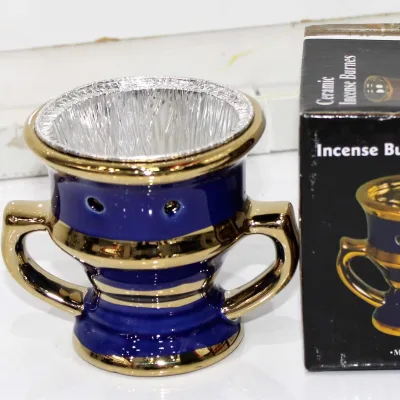
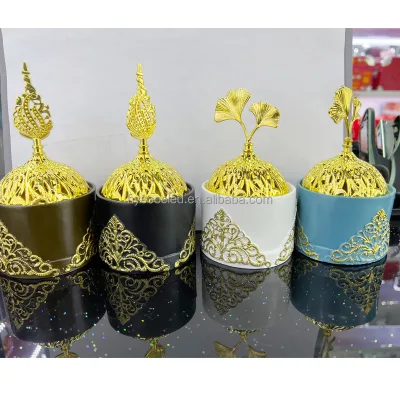
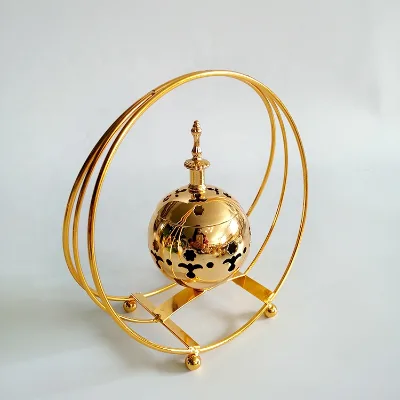
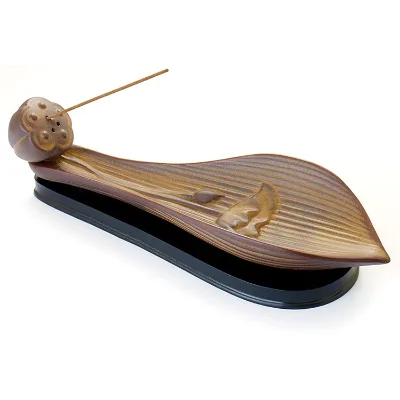
Explore 30 options for the Arabic Style Bakhoor Incense Burner, featuring materials like aluminum alloy, resin, and metal. Compare designs including tabletop, portable, and heart-shaped styles suitable for hotel, home, and religious applications; compare the available evidence and request quotations based on your requirements.
Key considerations
Products List



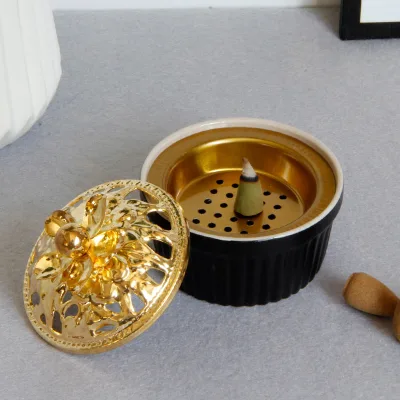
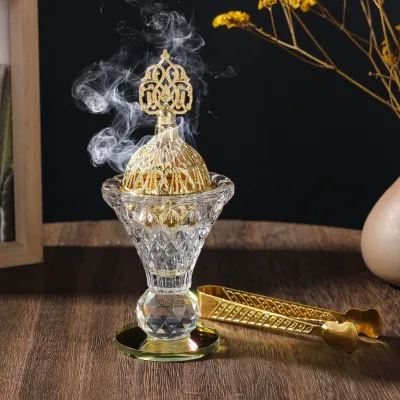
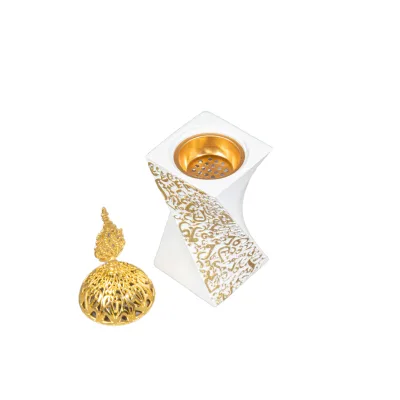
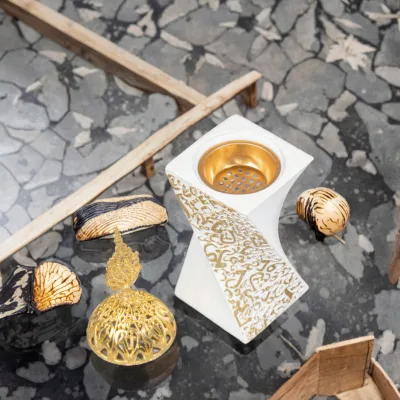


Comprehensive Sourcing Guide
Arabic Style Bakhoor Incense Burner Sourcing Guide
Sourcing Arabic-style bakhoor incense burners requires a nuanced understanding of both traditional craftsmanship and modern manufacturing capabilities. These burners are not merely functional items but serve as significant cultural artifacts that enhance the ambiance of homes, hotels, and religious spaces. Buyers must recognize that the term "Arabic style" often encompasses a wide variety of designs, from intricate metalwork to minimalist modern interpretations. The procurement process involves balancing aesthetic authenticity with practical usability, ensuring that the final product meets the specific expectations of end-users who value tradition and elegance.
The market for these burners is diverse, ranging from simple cone holders to complex charcoal-based systems designed for burning traditional bakhoor blocks. Procurement teams need to evaluate the intended usage environment, whether it is for high-traffic commercial settings like hotels or for private residential use. This distinction heavily influences material selection, durability requirements, and safety features. Understanding the cultural context of bakhoor burning helps buyers select products that resonate with their target audience, ensuring that the design elements, such as geometric patterns or calligraphic motifs, are appropriately executed and culturally respectful.
Product Scope and Observed Listing Signals
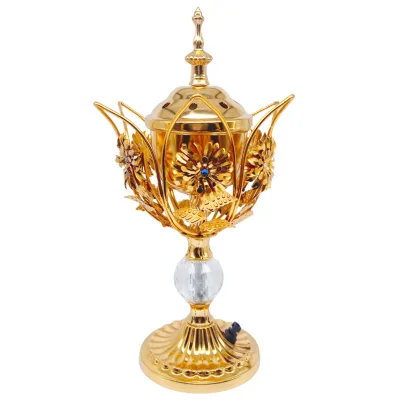
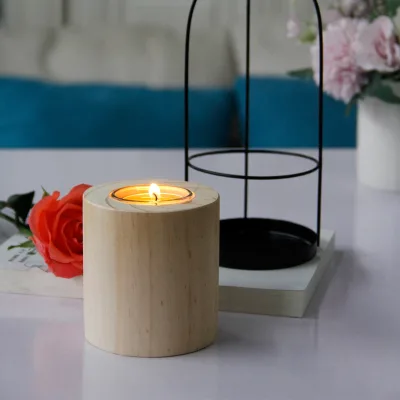
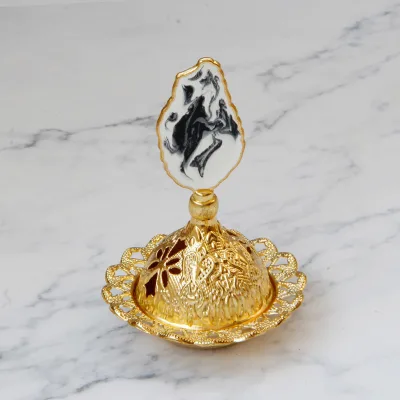
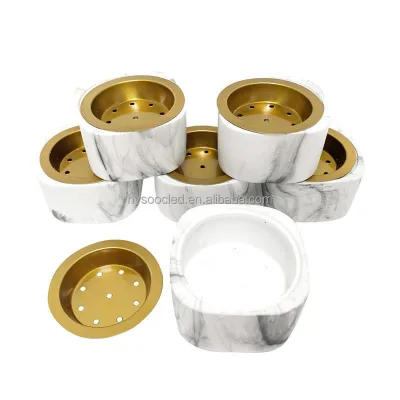
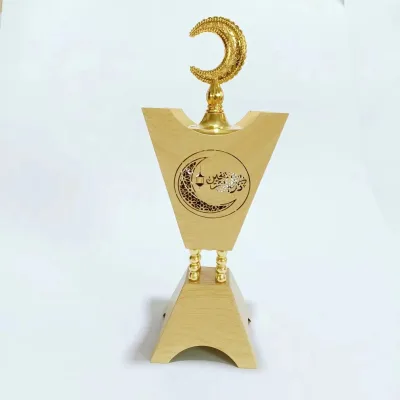
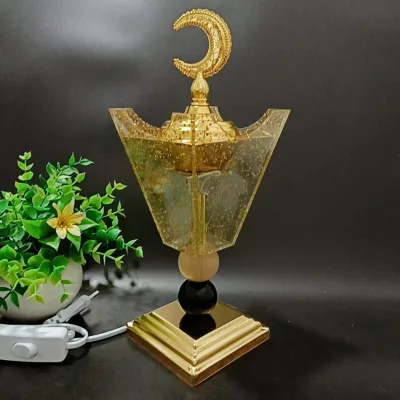
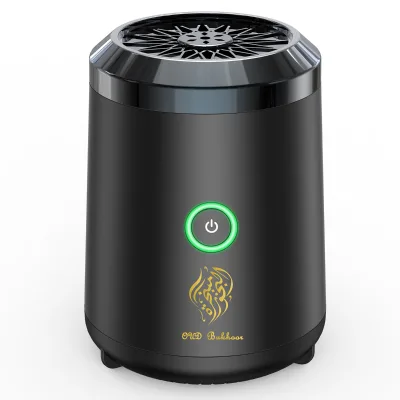
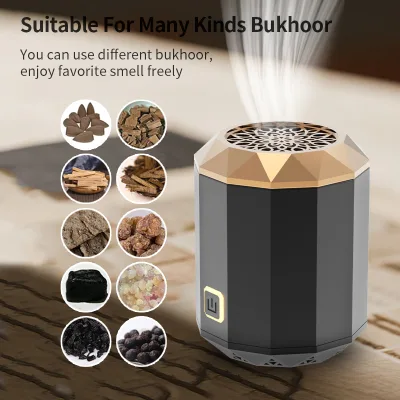
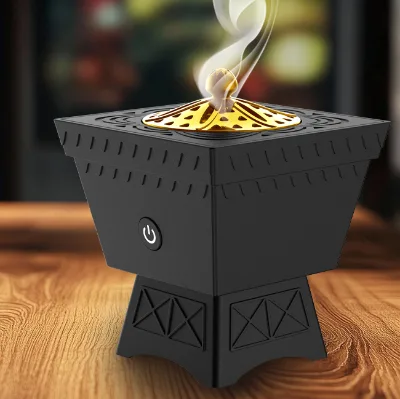
Current market listings reveal a broad spectrum of products that may be categorized under incense burners, though specific "Arabic style" bakhoor burners are not explicitly detailed in the provided data. Observed listings include tabletop and portable units made from materials such as aluminum alloy, resin, ABS plastic, and metal. For instance, models like AR-0021 and AR-0028 showcase variations in capacity and material, with some units featuring USB charging capabilities and specific battery configurations. These signals indicate that the market includes both traditional passive burners and modern, electrically assisted variants, requiring buyers to clearly define their technical requirements to avoid mismatches.
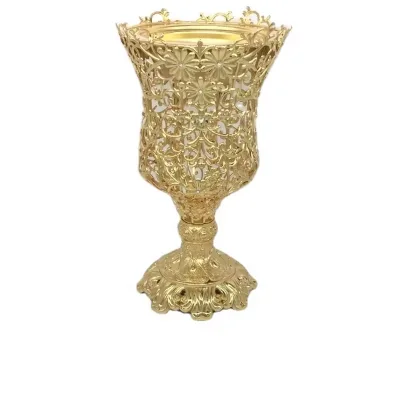
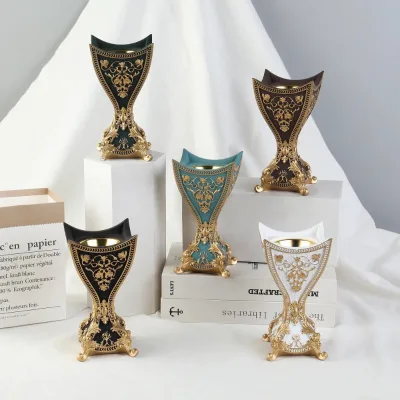
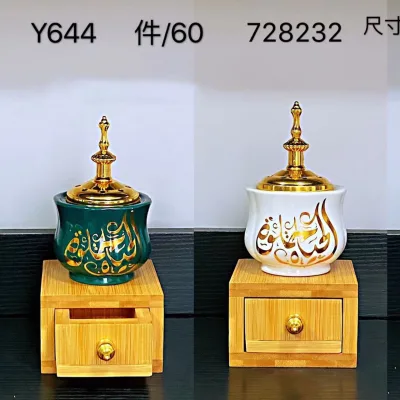
The observed product attributes highlight significant diversity in design and functionality. Some listings describe products with specific dimensions, such as a 600ml capacity or specific inner packing sizes, while others focus on aesthetic features like heart shapes or gold and silver finishes. The presence of customization options suggests that suppliers are willing to adapt designs to meet specific branding or cultural needs. Buyers should note that while some products are labeled for hotel or home use, others are specified for religious or decorative purposes. This variety necessitates a careful review of product specifications to ensure alignment with the intended application, whether it be for commercial hospitality or personal use.
Technical Specifications to Verify
When evaluating technical specifications, buyers must prioritize safety and compatibility with the specific type of incense being used. For bakhoor, which often requires charcoal for burning, the burner must be constructed from heat-resistant materials such as metal or high-quality ceramic. The provided data mentions materials like aluminum alloy and metal, which are suitable for heat dissipation, but buyers must verify the thickness and finish to ensure durability. Additionally, if considering electric variants, specifications such as voltage (e.g., 5V) and battery capacity (e.g., 1500mAh) must be confirmed to ensure safe operation and adequate heating performance without overheating risks.
Dimensional accuracy and packaging details are critical for logistics and retail presentation. Listings provide specific inner and outer box dimensions, such as 1399cm for inner packing and 474726cm for outer cartons, which directly impact shipping costs and storage efficiency. Buyers should verify the single gross weight and carton weight to calculate freight charges accurately. Furthermore, the packing quantity per carton, such as 50 or 72 pieces, affects inventory management and retail display strategies. Ensuring that the product model numbers and standard sizes are clearly defined helps in maintaining consistency across large orders and prevents discrepancies in received goods.
Compliance and Safety Documentation
Safety compliance is paramount for incense burners, especially those designed for bakhoor which involves open flames or high heat. Buyers must request documentation that verifies the product meets relevant safety standards for electrical components if the burner is electrically powered. This includes certifications for electrical safety, such as CE or RoHS, depending on the target market. For non-electric metal or ceramic burners, buyers should inquire about material safety certifications to ensure that the finishes and coatings are non-toxic and do not release harmful substances when heated. This due diligence protects the brand from liability and ensures consumer safety.
Environmental and material compliance is another critical area. Buyers should verify that the materials used, such as aluminum alloy or resin, are sourced responsibly and meet environmental regulations in the destination country. Documentation regarding the absence of hazardous substances like lead or cadmium in the metal finishes is essential. Additionally, for products marketed as handmade or artisanal, buyers may need to verify claims regarding labor practices and material sourcing. Clear compliance documentation not only facilitates smoother customs clearance but also enhances the product's credibility in markets with strict regulatory environments, providing a competitive advantage.
Cost Drivers and Commercial Terms
The cost of Arabic-style bakhoor incense burners is influenced by several factors, including material quality, design complexity, and customization requirements. Metal burners with intricate engravings or gold/silver plating will typically command higher prices than simple resin or ABS plastic models. The observed price range in the market varies significantly, reflecting these differences in quality and design. Buyers should consider the total cost of ownership, including shipping, tariffs, and potential returns, rather than focusing solely on the unit price. Understanding these cost drivers helps in negotiating better terms and selecting products that offer the best value for the target market.
Commercial terms such as MOQ (Minimum Order Quantity) and lead times play a crucial role in procurement planning. Observed MOQs range from 1 to 500 pieces, offering flexibility for both small-scale testers and large-volume buyers. Buyers should negotiate MOQs based on their sales forecasts and storage capabilities. Lead times can vary depending on the complexity of the design and the supplier's production capacity. It is advisable to establish clear agreements on payment terms, such as deposits and balance payments, to mitigate financial risk. Additionally, understanding the supplier's policy on defects and replacements is essential for maintaining supply chain continuity and customer satisfaction.
Supplier Qualification and Quality Control
Supplier qualification involves assessing the manufacturer's capability to produce consistent, high-quality incense burners. Buyers should verify the supplier's production facilities, quality control processes, and experience in exporting similar products. Requesting samples is a critical step to evaluate the craftsmanship, material quality, and overall finish of the burners. For Arabic-style designs, attention to detail in engravings, symmetry, and surface treatment is vital. Buyers should also inquire about the supplier's ability to handle customization requests, such as logo printing or specific packaging designs, to ensure they can meet brand-specific requirements.
Quality control measures should be clearly defined before placing orders. This includes establishing acceptance criteria for visual defects, dimensional accuracy, and functional performance. For electric burners, testing for heating uniformity and electrical safety is essential. Buyers may consider hiring third-party inspection services to conduct pre-shipment inspections, ensuring that the goods meet the agreed-upon standards. Clear communication of quality expectations and regular feedback loops with the supplier help in maintaining high standards. A robust quality control process minimizes the risk of receiving substandard products and protects the brand's reputation in the market.
Long-Term Procurement Checks
Long-term procurement success depends on building a sustainable relationship with reliable suppliers. Buyers should regularly review supplier performance metrics, including on-time delivery rates, product quality consistency, and responsiveness to issues. Establishing a framework for continuous improvement allows both parties to address challenges proactively and adapt to changing market demands. For Arabic-style bakhoor burners, staying informed about emerging design trends and cultural preferences helps in keeping the product offering relevant and appealing to customers. Regular communication and collaboration foster trust and facilitate smoother transactions over time.
Market dynamics and regulatory environments are constantly evolving, requiring buyers to stay vigilant and adaptable. Monitoring changes in safety standards, environmental regulations, and consumer preferences ensures that the procurement strategy remains effective. Buyers should also consider diversifying their supplier base to mitigate risks associated with single-source dependencies. Regularly updating product specifications and conducting market research helps in identifying new opportunities for growth and innovation. By maintaining a proactive approach to procurement, buyers can secure a competitive advantage and ensure the long-term success of their incense burner product line.
FAQs
What materials are used for these incense burners?
The available incense burners are crafted from aluminum alloy, resin, ABS plastic, and metal. These materials ensure durability and aesthetic appeal for various settings. Aluminum alloy and metal options provide a sturdy structure, while resin and ABS offer lightweight alternatives. Buyers can select the material that best fits their specific design requirements and budget constraints for hotel or home use.
Can these burners be customized for branding?
Yes, customization is available for these incense burners. Buyers can request specific designs, colors, or packaging options to align with their brand identity. The product page explicitly lists customization as an available feature. This allows businesses to create unique offerings for weddings, parties, or religious events, ensuring the final product meets their specific marketing and aesthetic goals.
What is the typical packaging quantity per carton?
The packaging quantity varies by model, with options including 50 pieces or 72 pieces per carton. For instance, the AR-0021 model packs 50 units, while the AR-0028 model packs 72 units. This variation helps buyers choose the most efficient shipping configuration for their order size. The inner packing size also differs, ranging from 13x9x9cm to 9x9x9cm depending on the specific product model selected.
Are these burners suitable for hotel and home use?
Yes, these incense burners are explicitly designed for hotel and home usage. Their tabletop and portable styles make them ideal for residential decor or hospitality settings. The elegant and romantic designs, such as heart-shaped or gold silver iron options, enhance the ambiance of any room. They are versatile enough for religious use, parties, or daily decoration, providing a functional and attractive solution for various environments.
What power options are available for electric models?
Electric models in this category typically use USB power or rechargeable batteries. Some units feature a Type-C port for 5V-1A charging and utilize 18650-1500mAh batteries. Other models operate on 5V power with 1500mAh batteries. These power options ensure convenient and portable use without the need for constant plug-in connections, making them suitable for travel or areas with limited power outlets.
What are the standard dimensions for these products?
Standard dimensions vary by model, with specific standards like 74mmX98mm or 9.3x8cm listed. The XL-B26 model has a standard size of 22x5.2x2.9cm. Inner packing sizes range from 9x9x9cm to 13x9x9cm, while outer box sizes differ significantly to accommodate different quantities. Buyers should check the specific model specifications to ensure the physical dimensions fit their display or storage requirements accurately.