Source Aquila String Tenor Ukulele for bands, schools, and studios
Compare 30 listings for Aquila String Tenor Ukulele from Guangzhou suppliers. Buyers can review models like GK-65 and SKT-06, check sizes from 21 to 26 inches, and evaluate customization options including OEM and ODM services.
Key considerations
Products List


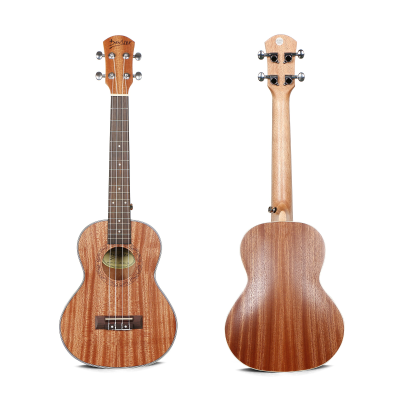
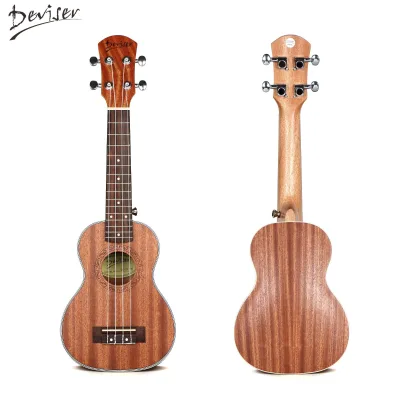
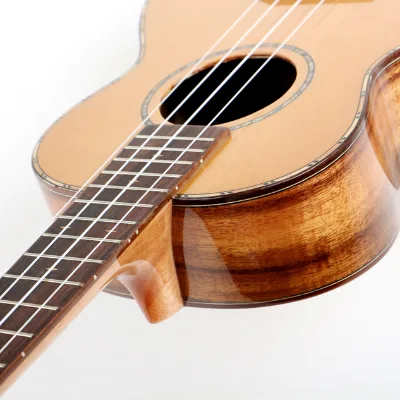
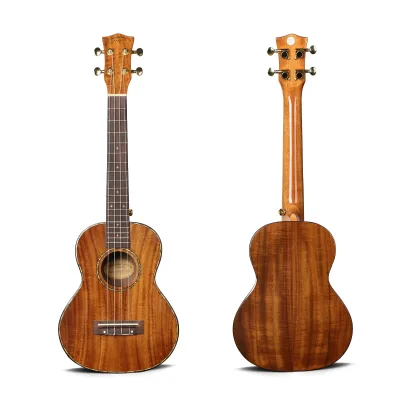


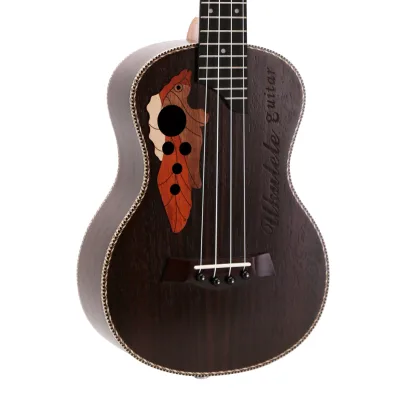
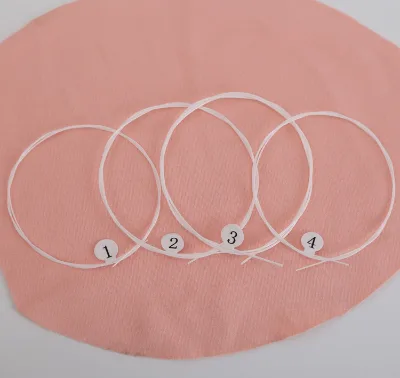
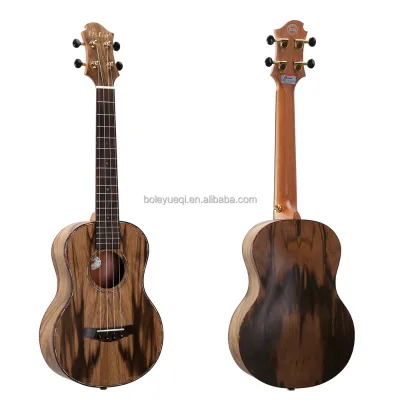
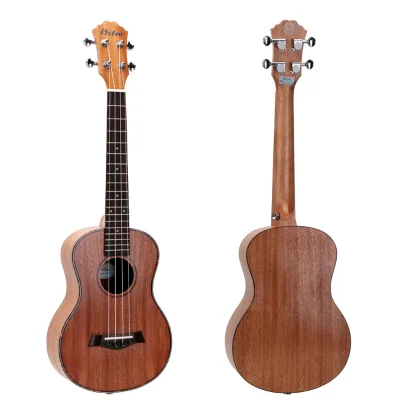
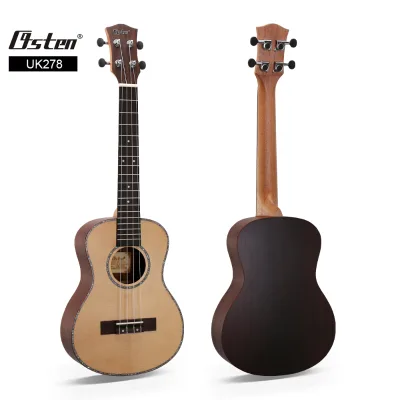
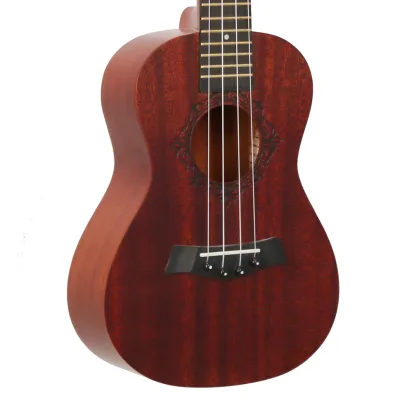


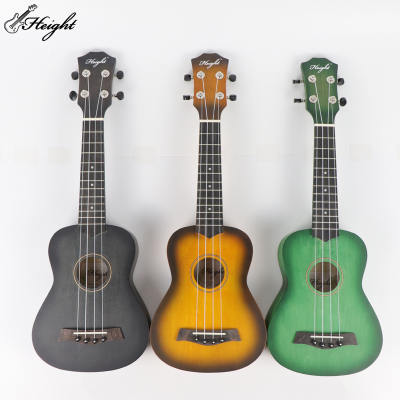
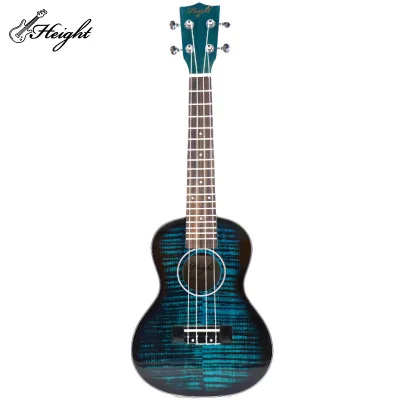
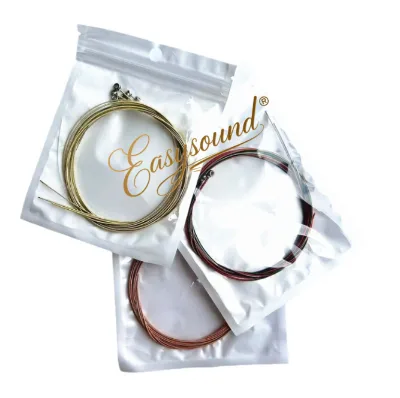
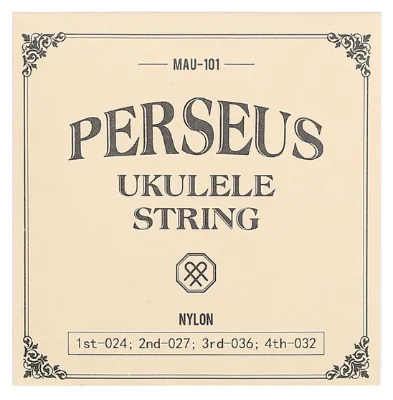
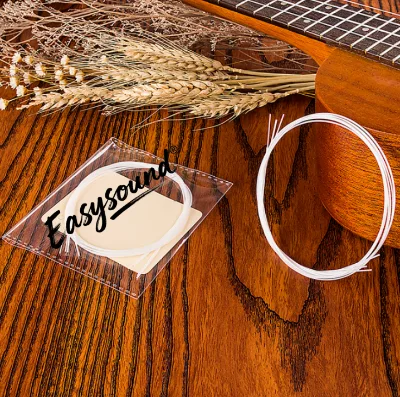


Beginner 21, 23, 26, 30 Inches Solid Mahogany Top Wood Ukulele with Aquila Strings (AU07)
$20.40 - $31.10
MOQ: 1 Pieces
Comprehensive Sourcing Guide
Aquila String Tenor Ukulele Sourcing Guide
Sourcing tenor ukuleles equipped with Aquila strings requires a nuanced understanding of both instrument construction and accessory integration. The tenor size, typically measuring 23 inches or larger, offers a balance between the portability of smaller ukuleles and the tonal richness of concert or baritone models. When specifying Aquila strings, buyers must recognize that these are premium nylon strings known for their durability and consistent tone, which can significantly influence the final retail value and perceived quality of the instrument. Procurement teams need to ensure that the selected ukulele body is compatible with the tension and scale length of Aquila tenor strings to prevent structural stress or intonation issues.
The supply chain for these instruments is heavily concentrated in manufacturing hubs such as Guangzhou and Guangdong in China, where a high density of musical instrument factories operates. These regions offer a wide variety of models, from cutaway designs to traditional solid-body constructions, often supporting OEM and ODM customization. Buyers should note that while the core keyword focuses on the string brand, the actual product listings often emphasize the ukulele’s body material, finish, and hardware. Therefore, the sourcing strategy must prioritize verifying that the factory can reliably source and install genuine Aquila strings, or alternatively, specify high-quality alternatives if stock availability is a concern.
Product Scope and Observed Listing Signals
The observed market data indicates a diverse range of tenor ukulele models available from Chinese suppliers, with sizes ranging from 21 to 26 inches. Common model identifiers include SKT-06, SKT-07, GU-450C, and GK-65, suggesting a standardized production line for various body styles. Many listings highlight specific features such as cutaway designs for easier access to higher frets, high-gloss or matte finishes, and single-board body constructions. The presence of electronic options, such as EQ or pickup installations, adds another layer of complexity, requiring buyers to verify compatibility between the internal electronics and the acoustic properties of the chosen string set.
Packing and logistics data reveal that these instruments are typically shipped in carton boxes, with specific dimensions like 70x32x52 cm or 70.2x9.6x43.6 cm noted for different models. The minimum order quantities (MOQ) vary significantly, with some suppliers offering low MOQs of 10 pieces for private labeling or standard orders, while OEM orders may require 100 pieces or more. This variability allows for flexible procurement strategies, whether for small boutique brands or large retail chains. Buyers should carefully review the single package weight, which can be around 9.0 kg, to calculate accurate freight costs and ensure that the packaging provides sufficient protection for the delicate wooden instruments during transit.
Technical Specifications to Verify
Body material is a critical technical specification that directly impacts the sound profile of the ukulele. Common materials observed in the market include mahogany, sapele, and rosewood for the fingerboard. Mahogany and sapele are frequently used for the body due to their warm tonal characteristics and availability, while rosewood fingerboards offer durability and a smooth playing surface. Buyers must verify that the specified body material matches the intended tonal goal, as different woods resonate differently with the bright, clear tone of Aquila strings. Additionally, the neck material, often listed as mahogany or manhogany, should be checked for stability and resistance to warping, especially in varying humidity conditions.
Hardware and finish specifications also play a crucial role in the instrument's performance and longevity. Die-cast head machines are commonly specified, providing reliable tuning stability which is essential for maintaining the pitch of nylon strings. The surface finish, whether matte or high gloss, affects not only the aesthetic appeal but also the vibration of the wood. Buyers should confirm that the finish does not seal the wood too heavily, which could dampen the natural resonance. Furthermore, the inclusion of electronic components like pickups requires verification of the battery compartment placement and the quality of the preamp, ensuring that the acoustic integrity is not compromised when amplifying the instrument.
Compliance and Safety Documentation
While specific certification statuses are not explicitly detailed in the provided product facts, buyers must ensure that all instruments comply with international safety and environmental standards. Musical instruments, particularly those made from wood and finished with varnishes, must meet regulations regarding formaldehyde emissions and heavy metal content in paints and finishes. Buyers should request documentation such as EN71 for toy safety if the ukulele is marketed towards children, or REACH compliance for chemical substances in the EU market. Verifying these certifications is essential to avoid customs delays and ensure that the products are safe for end-users.
Wood sourcing compliance is another critical area of focus. Buyers should inquire about the origin of the wood used in the ukulele bodies and fingerboards to ensure it is not sourced from illegally logged forests. Certifications like FSC (Forest Stewardship Council) can provide assurance that the materials are sustainably harvested. Additionally, packaging materials should be evaluated for compliance with local recycling and waste disposal regulations. Ensuring that the carton boxes and internal packaging materials are made from recyclable or biodegradable substances can enhance the brand's sustainability profile and meet the growing consumer demand for eco-friendly products.
Cost Drivers and Commercial Terms
The cost of sourcing tenor ukuleles with Aquila strings is influenced by several factors, including the choice of wood, hardware quality, and customization options. Premium materials like solid mahogany or sapele, along with die-cast tuners and electronic pickups, will increase the unit cost compared to basic models with laminated wood and plastic tuners. The inclusion of Aquila strings, which are a premium accessory, also adds to the overall cost. Buyers should negotiate based on volume, as larger orders typically result in lower per-unit costs. Understanding the breakdown of these cost drivers allows for more accurate budgeting and pricing strategies for the final retail product.
Commercial terms such as lead time and payment conditions are vital for supply chain planning. The observed lead time ranges from 1-3 days for stock items to 35 days for OEM orders, highlighting the importance of early planning for customized products. Buyers should clarify whether the lead time includes the sourcing of specific components like Aquila strings, as supply chain disruptions could affect production schedules. Payment terms, such as deposits and balance payments upon shipment, should be negotiated to mitigate financial risk. Additionally, buyers should consider the cost of freight and insurance, especially given the weight and dimensions of the packed instruments, to determine the total landed cost.
Supplier Qualification and Quality Control
Supplier qualification is a critical step in ensuring the reliability of the supply chain. Buyers should verify the supplier's manufacturing capabilities, including their production capacity and quality control processes. Factories in Guangzhou and Guangdong often have extensive experience in producing musical instruments, but it is essential to confirm that they have specific expertise in handling ukuleles with premium strings. Requesting samples before placing a bulk order allows buyers to assess the build quality, string installation, and overall playability of the instrument. This step helps identify any potential issues with intonation, fretwork, or finish before committing to a large purchase.
Quality control measures should be clearly defined and agreed upon with the supplier. This includes inspections for structural integrity, such as checking for cracks in the wood or loose joints, as well as cosmetic checks for finish defects. Buyers should also verify that the Aquila strings are genuine and correctly installed, with no signs of damage or improper winding. Implementing a pre-shipment inspection protocol can help catch any defects before the goods leave the factory. Additionally, buyers should establish clear communication channels with the supplier to address any issues that arise during production or delivery, ensuring a smooth and transparent procurement process.
Long-Term Procurement Checks
Long-term procurement success depends on building a sustainable relationship with suppliers and continuously monitoring market trends. Buyers should regularly review supplier performance metrics, such as on-time delivery rates, product quality consistency, and responsiveness to issues. Establishing a framework for periodic audits and quality checks can help maintain high standards over time. Additionally, staying informed about changes in material costs, shipping rates, and regulatory requirements allows buyers to adapt their sourcing strategies proactively. This ongoing vigilance helps mitigate risks and ensures that the supply chain remains resilient and efficient.
As the market for ukuleles evolves, buyers should also consider the potential for product innovation and diversification. Exploring new designs, materials, or string options can help keep the product line fresh and competitive. Engaging with suppliers to discuss future trends and potential collaborations can lead to the development of unique products that meet emerging consumer demands. Furthermore, monitoring customer feedback and sales data can provide valuable insights into which features and specifications are most valued by end-users. By leveraging this information, buyers can make informed decisions that drive growth and profitability in the long term.
FAQs
What customization options are available for ukuleles?
OEM and ODM customization are welcome for these instruments. Buyers can request specific electronic setups like EQ or pickup installations. Customization allows tailoring the product to unique brand requirements while maintaining standard production capabilities.
Which ukulele sizes are offered by the manufacturer?
The manufacturer offers sizes including 21, 23, 24, and 26 inches. Specific models like the GK-65 and SKT-06 correspond to these dimensions. Buyers can select from soprano, concert, or tenor sizes based on their needs.
What is the minimum order quantity for custom orders?
The minimum order quantity is 10 pieces for Deviser branding and 100 pieces for OEM orders. Stock items may have a lower threshold of 10 pieces. This ensures efficient production scheduling for both branded and custom requests.
How long does it take to receive stock versus custom orders?
Stock items are available within 1 to 3 days for immediate shipment. Custom OEM orders typically require a lead time of 35 days. This timeline accounts for the manufacturing and quality control processes involved in custom production.
What materials are used for the ukulele body and neck?
The body material is available in mahogany, sapele, or single board options. The neck is constructed from mahogany wood. Fingerboards are made of rosewood to ensure durability and a smooth playing surface for the musician.
Can I find ukuleles with specific head machine types?
Yes, die-cast head machines are available on specific models. These components ensure stable tuning and longevity for the instrument. Buyers can verify the head machine type when selecting specific product models from the catalog.
What is the packaging standard for these instruments?
Products are packed in carton boxes with a standard of 10 pieces per carton. The single package size is approximately 67 by 48 by 42 cm. This packaging ensures safe transport and efficient storage for wholesale shipments.