Source Arch Support Memory Foam Insole for Running, Work, Daily
Compare 30 Arch Support Memory Foam Insole options from verified Chinese manufacturers. Buyers can evaluate materials, sizes, and certifications to find suitable solutions for running, work, and daily comfort needs.
Key considerations
Products List
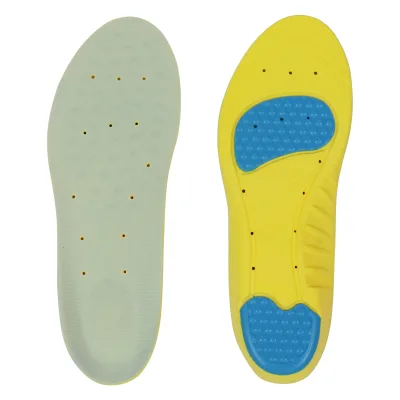
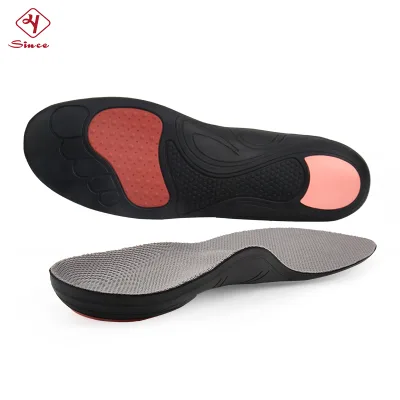
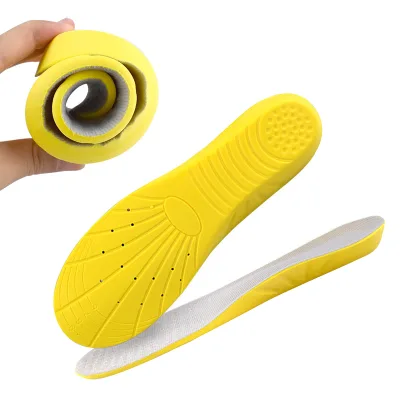
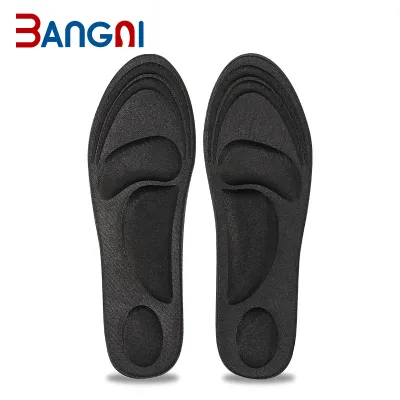
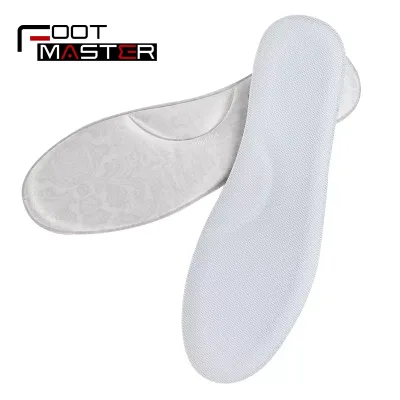
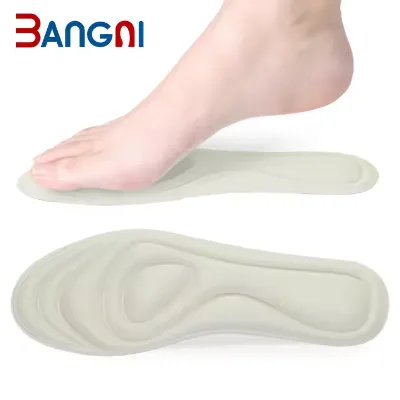
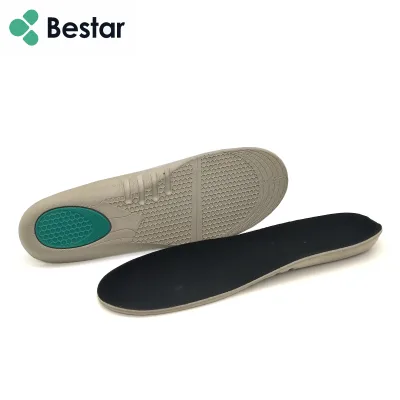
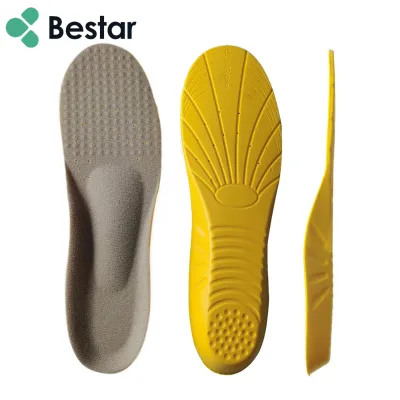
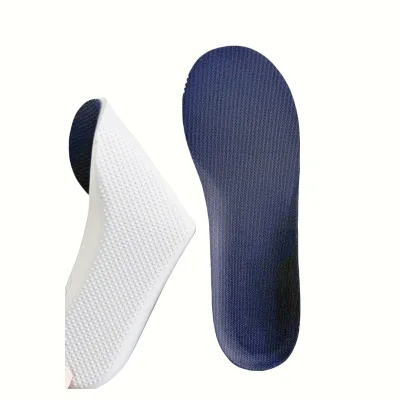
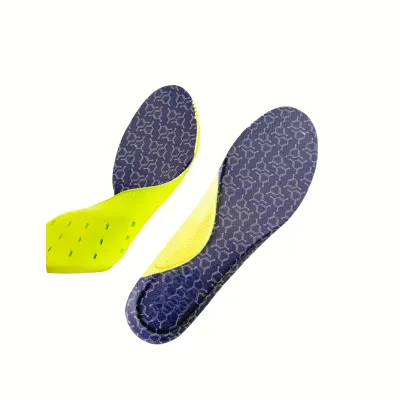
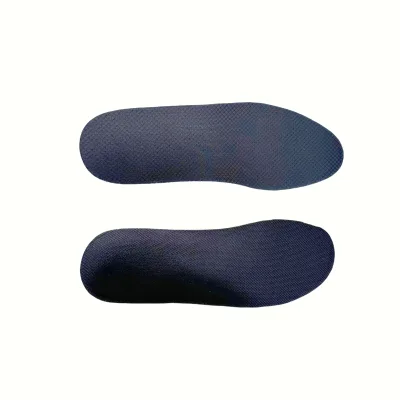
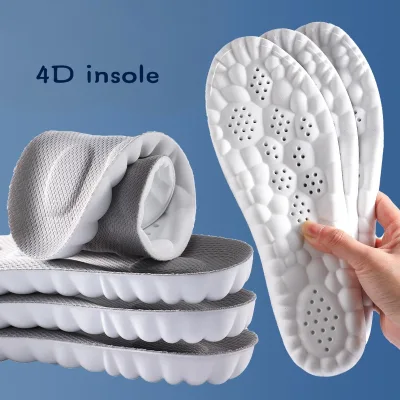
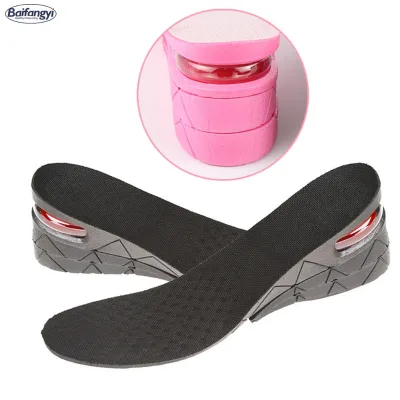
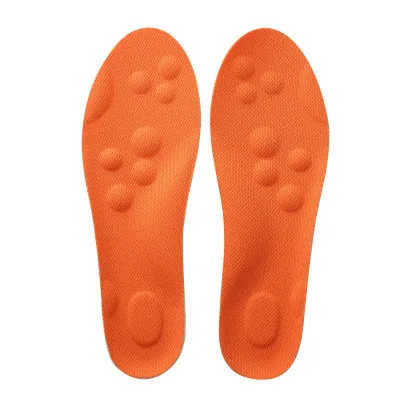


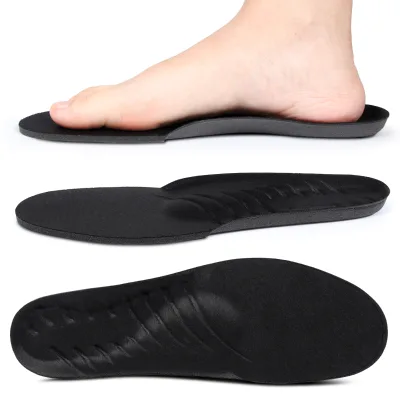
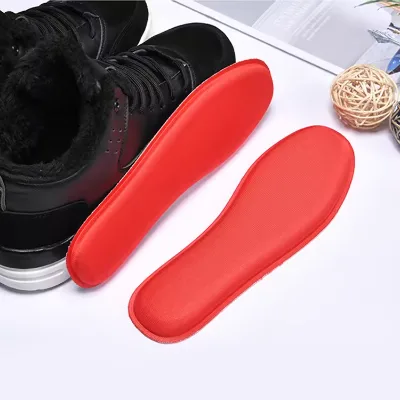


Comprehensive Sourcing Guide
Strategic Sourcing Guide for Arch Support Memory Foam Insoles
Understanding Product Specifications and Material Composition
When sourcing arch support memory foam insoles, the primary objective is to identify products that balance structural integrity with comfort. The market offers a variety of configurations, but the core technical definition revolves around the combination of memory foam and supportive arch structures. Based on available product data, materials typically include Polyurethane (PU) and Velvet fabric, or Breathable fabric combined with foam. These material choices directly influence the insole's ability to conform to the foot's shape while providing necessary cushioning.
The physical dimensions of the product are critical for compatibility with various footwear types. Observed single package sizes range from approximately 29.5 cm to 33 cm in length, with widths varying between 9.3 cm and 12 cm. These dimensions suggest that manufacturers produce insoles designed to fit standard shoe sizes, often covering ranges from EUR 29.5 up to US 11. Buyers must verify that the specific model number, such as PU011, PF187, or YJS07, aligns with the intended size range of their target market. The "full length" design is a common feature, ensuring that the memory foam extends from the heel to the toe, maximizing the surface area for shock absorption and arch support.
Weight is another significant specification for logistics and user experience. The single gross weight of these insoles varies considerably depending on the density of the foam and the thickness of the material layers. Observed weights range from 0.100 kg to 0.300 kg per pair. Lighter variants, often around 0.140 kg, are typically marketed as "super light" or "comfort insoles," while heavier options may offer enhanced durability or specialized features like heel protection. The number of pieces per package is consistently two, representing a single pair, which simplifies inventory management and packaging logistics.
Compliance, Certification, and Regulatory Standards
Navigating the regulatory landscape is essential for B2B procurement, particularly when importing footwear accessories. While specific test results for individual batches are not provided in general product listings, suppliers often claim adherence to international standards. The observed certification landscape includes ISO 9001, which indicates a quality management system, and BSCI, which focuses on social compliance in the supply chain. For products marketed with specific health or safety claims, certifications such as ISO 13485 (medical devices) or REACH and ROHS (chemical safety) may be relevant, though buyers must verify the scope of these certificates for insole applications.
It is crucial to distinguish between general product certifications and specific performance claims. Some listings mention CE or GMP certifications. However, without specific test reports or documentation linking these certifications to the exact model being purchased, buyers should treat these as supplier assertions rather than guaranteed facts. The presence of "Eco-Friendly" or "Skin friendly" attributes suggests that the materials used may comply with environmental standards, but the specific chemical composition should be verified against the REACH regulation to ensure no prohibited substances are present.
Buyers should request a valid certificate of analysis or a copy of the certification document from the supplier before finalizing an order. The certification should explicitly cover the product category of "Shoe Insoles" or "Comfort Insoles." If the insoles are intended for medical or therapeutic use, the ISO 13485 certification becomes a mandatory verification point. For general consumer goods, ISO 9001 and BSCI are strong indicators of a reliable manufacturing process, but they do not replace the need for material safety testing.
Cost Drivers and Pricing Structures
The pricing of arch support memory foam insoles is influenced by several variables, including material quality, order volume, and customization requirements. The observed market price range for these products spans from 0.30 USD to 3.50 USD per pair. This wide range reflects the diversity in product tiers, from basic foam inserts to premium memory foam with specialized arch support structures.
Volume is a primary driver of cost efficiency. The Minimum Order Quantity (MOQ) varies significantly across suppliers, ranging from as low as 1 pair for sampling purposes to 5000 pairs for bulk production. A common MOQ observed in the market is 500 pairs. Suppliers with lower MOQs may charge a higher unit price to cover setup and administrative costs, while those with higher MOQs can offer more competitive pricing due to economies of scale. Buyers should calculate the total landed cost, including shipping and duties, rather than focusing solely on the unit price.
Customization is another significant cost factor. Many suppliers accept OEM (Original Equipment Manufacturer) and ODM (Original Design Manufacturer) orders, allowing buyers to add their own branding or modify the product design. The cost of adding a logo, typically placed on the bottom or inside of the insole, may be included in the unit price or charged separately depending on the order volume. Additionally, the complexity of the mold required for specific arch support shapes can impact the initial tooling costs, which are often amortized over the production run.
Typical Applications and Functional Attributes
Arch support memory foam insoles serve a wide range of applications, from everyday comfort to specialized athletic and medical needs. The functional attributes observed in the market include shockproofing, cushioning, massage capabilities, and sweat absorption. These features make the products suitable for various scenarios, including sports, working boots, and daily wear.
The "massage" attribute often refers to textured surfaces or specific foam densities designed to stimulate blood circulation, while "sweat-absorbent" properties are achieved through the use of breathable fabrics. For athletes, the "shockproof" and "cushioning" features are critical for reducing impact on joints during high-impact activities. In the context of working boots, the "heel protector" and "arch support" features help prevent fatigue and strain during long shifts.
The versatility of these insoles is further demonstrated by their compatibility with different shoe types. The "full length" design ensures that the insole fits snugly inside most standard footwear, while the "soft" and "comfortable" attributes make them suitable for users with sensitive feet. Buyers should consider the specific needs of their end-users when selecting a product. For example, a supplier offering "super light" insoles may be better suited for running shoes, while those with "durable" and "heavy-duty" characteristics might be preferred for work boots.
Supplier Evaluation and Operational Capabilities
Evaluating a supplier requires a comprehensive assessment of their production capabilities, logistics, and responsiveness. The supply ability of top-tier manufacturers can reach up to 100,000 pairs per month, indicating a robust production capacity capable of handling large orders. However, buyers must verify if this capacity is consistent and if the supplier has the infrastructure to maintain quality during peak demand periods.
Logistics is another critical factor. The place of origin for many of these products is Guangdong, China, with dispatch ports typically located in Shenzhen. This proximity to major shipping hubs can reduce lead times and shipping costs. However, buyers should confirm the specific port of dispatch for their order to ensure accurate freight calculations. The production time for bulk orders is generally estimated between 15 to 25 days, while sample delivery can be as quick as 3 to 5 days. These timelines should be factored into the overall procurement schedule to avoid delays.
The ability to provide samples is a key indicator of a supplier's confidence in their product. Many suppliers offer free samples, allowing buyers to evaluate the quality, fit, and comfort before committing to a large order. The samples charge policy should be clearly understood, as some suppliers may require payment for samples that is later deducted from the bulk order. Additionally, the packaging details, such as one pair in a PE bag, should be verified to ensure they meet the buyer's branding and protection requirements.
Quality Control and Long-Term Procurement Strategy
Implementing a robust quality control (QC) strategy is essential for maintaining product consistency and customer satisfaction. Buyers should establish clear acceptance criteria based on the observed product features, such as material density, arch support height, and durability. Regular inspections during production and pre-shipment checks can help identify defects early and prevent costly returns.
Long-term procurement considerations involve building a sustainable relationship with suppliers who can adapt to changing market demands. The acceptance of OEM and ODM services suggests that suppliers are willing to collaborate on product development, which can be a valuable asset for buyers looking to differentiate their offerings. However, buyers must ensure that the supplier maintains the necessary certifications and adheres to the agreed-upon standards throughout the partnership.
The "Eco-Friendly" and "Environmental" attributes observed in some products indicate a growing trend towards sustainability. Buyers interested in this niche should verify the specific environmental claims and ensure that the materials used are genuinely sustainable. This may involve requesting documentation on the sourcing of raw materials and the manufacturing processes employed.
In conclusion, sourcing arch support memory foam insoles requires a careful balance of technical specifications, compliance verification, cost analysis, and supplier evaluation. By focusing on these key areas, buyers can identify reliable partners and secure high-quality products that meet the needs of their target market. The wide range of available options, from basic comfort insoles to specialized sports and medical variants, offers significant opportunities for strategic procurement and product differentiation.
FAQs
What certifications do arch support memory foam insoles typically have?
Common certifications include ISO 9001, BSCI, and CE. Some listings also mention ISO 13485, REACH, and ROHS, but buyers must verify these apply specifically to the insole model before purchase.
How long does production take for bulk orders of these insoles?
Production time generally ranges from 15 to 25 days for bulk orders. Sample delivery is faster, typically taking 3 to 5 days, allowing for quick quality evaluation before full commitment.
Which materials are used to make these comfort insoles?
Materials typically include Polyurethane (PU) combined with velvet fabric or breathable fabric mixed with foam. Some variants feature memory foam to provide enhanced cushioning and arch support for various shoe types.
Can I customize the logo position on the insoles?
Yes, OEM and ODM services are accepted, allowing for logo customization. The logo can be placed on the bottom or inside the insole, depending on the specific design requirements and supplier capabilities.
What is the typical minimum order quantity for these products?
The minimum order quantity varies, with some suppliers accepting as few as one pair for samples. Bulk orders often start at 500 pairs, though some suppliers may require up to 5000 pairs for specific pricing tiers.
Where are these insoles typically manufactured and shipped from?
Products are primarily manufactured in Guangdong and Henan, China. They are typically dispatched from the Shenzhen Port, facilitating efficient logistics for international buyers seeking reliable supply chain connections.