Source Arc Stair Hand Rail for Hotel, Villa, and Office Buildings
Compare 30 listings for Arc Stair Hand Rail options including stainless steel and galvanized materials. Buyers can evaluate customization, finishes, and warranty terms for indoor and outdoor applications.
Key considerations
Products List


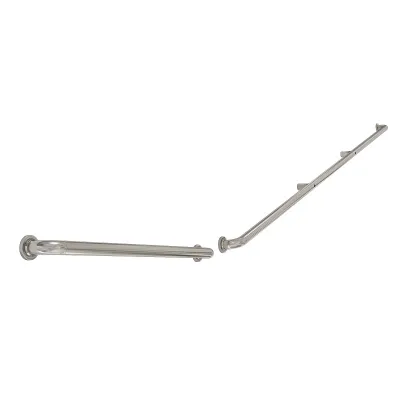
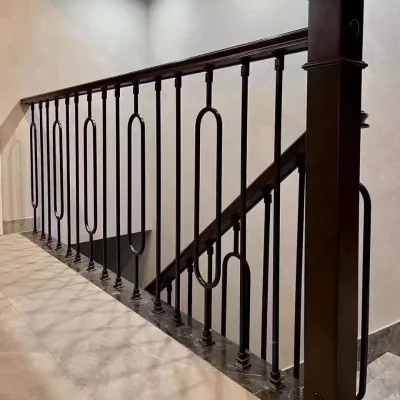
Modern Style Round Column Handrails for Stairs Different Fashion Designs
$22.17 - $24.12
MOQ: 2 pieces


Iron Step Handrail 1 or 3 Steps Adjustable Black Stair Rail Handrails
$15.00 - $30.00
MOQ: 1000 Pieces

Heavy Duty Metal Hand Rails for Outdoor Steps Wrought Iron Stair Handrail
$40.00 - $50.00
MOQ: 100 Pieces


Comprehensive Sourcing Guide
Strategic Sourcing Guide for Arc Stair Hand Rails
Understanding Product Definitions and Functional Requirements
When sourcing an Arc Stair Hand Rail, buyers must first distinguish between the geometric form and the functional application. The core keyword "arc" implies a curved or winding geometry, which is distinct from straight or floating stair configurations. Based on observed market data, the shape attribute for these products includes Straight, Winding, Floating, Spiral, Curved, Arc, Extending, and Folding options. This confirms that "arc" is a recognized and available configuration within the current supply chain. The primary function of these rails extends beyond simple aesthetics; they serve as critical safety fences and guard rails. The product attributes indicate a dual function of decoration and safety, ensuring that the rail prevents falls while enhancing the visual appeal of the staircase.
The application location is a critical first step in the specification process. These rails are designed for versatile deployment in both indoor and outdoor environments, including seashore locations. This versatility suggests that the materials used must withstand varying environmental conditions. The position of the rail is equally important, covering bridge railings, deck railings, porch railings, and standard stair railings. Whether the project involves a hotel, a private villa, an office building, or a public park, the rail must integrate seamlessly with the specific architectural style. The observed design styles include European, Modern, and Classic, allowing buyers to match the rail to the existing interior or exterior design language.
Technical Specifications and Material Composition
The technical integrity of an Arc Stair Hand Rail relies heavily on the material composition and the specific manufacturing standards. The most common materials identified in the market are Stainless Steel and Galvanized Steel. For high-end applications, particularly those requiring resistance to corrosion in seashore or outdoor settings, 304 Stainless Steel is a frequently observed characterization. This material grade is essential for maintaining structural integrity and appearance over time. The finish of the rail is another critical technical specification, with options ranging from Satin to Mirror. These finishes not only affect the aesthetic but also influence the maintenance requirements and the ease of cleaning.
Dimensions and sizing standards vary significantly across suppliers, requiring careful verification. Observed specifications include a standard size of 5050mm for certain components and a specific model standard of 4000mm38mm for others. One observed model number, SH112, and another, stair 14, indicate that buyers should expect a variety of model numbers rather than a single universal standard. The size of the rail pieces can be substantial, with some products listed at 4 meters per piece. This implies that logistics and handling during installation must be planned accordingly. The mounting method is also a key technical detail, with options for deck mounting or side mounting. The installation process must align with the specific architectural constraints of the site, whether it is a bridge, a deck, or a residential porch.
Compliance, Certification, and Safety Standards
While specific certification bodies are not explicitly listed in the provided product data, the requirement for safety and durability implies adherence to rigorous industry standards. The product attributes highlight features such as being water-resistant, rust-resistant, and UV-protected. These features are not merely marketing terms but indicators of compliance with environmental durability standards. For outdoor applications, especially in seashore locations, the rail must resist salt spray corrosion, which is a standard requirement for stainless steel products in such environments.
Buyers should verify that the supplier can provide documentation confirming the material grade, specifically the 304 Stainless Steel characterization. This verification is crucial for ensuring that the rail meets the necessary corrosion resistance standards. Additionally, the product features mention being "rodent proof" and "eco-friendly," which suggests compliance with broader environmental and safety regulations. The warranty periods observed range from 3 to 5 years, which serves as a proxy for the manufacturer's confidence in their product's compliance with durability standards. A longer warranty period often correlates with higher quality control processes and adherence to stricter safety norms.
Cost Drivers and Pricing Dynamics
The pricing for arc stair hand rails is influenced by several distinct factors, including material type, customization level, and order volume. The observed price range in the market spans from 1 to 300 USD, indicating a wide variance based on the specific product configuration. The Minimum Order Quantity (MOQ) is a significant cost driver, with observed ranges from 1 to 5000 units. For custom orders, the MOQ may be higher, as seen in one specific listing with an MOQ of 100 meters. This suggests that smaller orders might incur a higher unit cost due to the setup and production line adjustments required for customization.
Customization is a major cost factor. The product attributes confirm that customization is available, with options for custom colors such as black, yellow, silvery, brass, and white. Customized boxes are also available for packing, which adds to the overall cost. The complexity of the arc shape itself can drive up production costs compared to straight rails, as it requires more precise bending and welding processes. Furthermore, the finish type, whether satin or mirror, can impact the final price. Buyers should expect that higher-end finishes and specific color requests will result in a price point closer to the upper end of the observed range.
Typical Applications and Design Integration
Arc stair hand rails are utilized in a diverse array of settings, ranging from residential to commercial and industrial applications. The observed application list includes hotels, villas, apartments, office buildings, hospitals, schools, malls, sports venues, and leisure facilities. This broad applicability underscores the versatility of the product. In residential settings, the rail serves as a decorative element for porches, balconies, and staircases, often matching the European or Modern design styles. In commercial environments, the focus shifts towards safety and durability, with the rail acting as a guard rail for bridges and decks.
The design style plays a pivotal role in the selection process. Whether the project requires a classic European look or a sleek modern aesthetic, the rail must complement the overall architecture. The product attributes indicate that the rail can be used in kitchens, bathrooms, home offices, and living rooms, suggesting that the design must be adaptable to various interior spaces. The ability to provide graphic design and 3D model design services is a valuable feature for buyers, as it allows for precise integration of the rail into the building's design plan before manufacturing begins.
Supplier Evaluation and Quality Assurance
Evaluating a supplier for arc stair hand rails requires a focus on their project solution capabilities and after-sales support. The observed supplier capabilities include graphic design, 3D model design, and total solution for projects. This indicates that the supplier is not just a manufacturer but a partner capable of guiding the buyer through the design and installation phases. The after-sales service options are extensive, ranging from online technical support to onsite installation, training, and inspection. The availability of free spare parts and return and replacement policies is a strong indicator of a reliable supplier.
Quality assurance should be verified through the supplier's warranty offerings. The observed warranty periods of 3 and 5 years suggest a commitment to product longevity. Buyers should also inspect the product features, such as the rust-resistant and water-resistant properties, to ensure they meet the specific environmental demands of the project. The origin of the products, primarily from China with specific locations like Jiangsu and Jinan, provides context for the supply chain. Buyers should verify the specific origin of the product to ensure it aligns with their logistical and quality expectations.
Long-Term Procurement Considerations
Long-term procurement of arc stair hand rails involves considering maintenance, scalability, and supply chain stability. The feature of being easily assembled is a significant advantage for long-term maintenance, as it allows for easier replacement of damaged sections. The availability of free spare parts further supports long-term maintenance strategies. Buyers should also consider the scalability of the supplier, particularly for large projects requiring multiple units. The observed MOQ of 1 to 5000 units suggests that suppliers can accommodate both small and large orders, but the lead times and pricing may vary.
The environmental impact is another long-term consideration. The product features mention being eco-friendly and utilizing renewable sources, which aligns with sustainable procurement goals. Buyers should verify these claims through supplier documentation. Finally, the customization options allow for future-proofing the design, ensuring that the rail remains relevant as architectural trends evolve. By focusing on these long-term factors, buyers can ensure a successful and sustainable procurement strategy for their Arc Stair Hand Rail projects.
FAQs
What materials are used for arc stair hand rails?
Arc stair hand rails are primarily constructed from stainless steel and galvanized steel. Some specific models feature 304 stainless steel characterization to ensure rust resistance. This material selection supports durability in outdoor and seashore environments while maintaining structural integrity.
Can these rails be customized for specific projects?
Yes, customization is available for shape, color, and packaging. Buyers can select from straight, winding, spiral, or arc shapes. Colors include black, yellow, silvery, brass, and white, with options for custom boxes to meet specific project requirements.
Where can arc stair hand rails be installed?
These rails are designed for indoor, outdoor, and seashore locations. They are suitable for bridges, decks, porches, and staircases. Applications range from residential villas to commercial hotels, hospitals, and office buildings requiring safety fencing.
What warranty periods are offered for these products?
Warranty periods typically range from 3 to 5 years depending on the specific model. This coverage reflects the manufacturer's confidence in the product's durability and resistance to rust and water. Buyers should verify the exact warranty terms for their selected item.
How are these rails mounted during installation?
Installation methods include deck mounting or side mounting options. The rails are designed for easy assembly to facilitate on-site setup. Suppliers may offer onsite installation and training services to ensure proper placement on bridges, decks, or staircases.
What are the standard dimensions for these rails?
Standard dimensions vary by model, with some components measuring 50 by 50mm. Other models may come in 4000mm by 38mm sizes or 4 meters per piece. Buyers must check specific model numbers like SH112 or stair 14 for exact sizing requirements.
Which design styles are available for these hand rails?
Available design styles include European, Modern, and Classic options. The rails can be customized to fit various architectural aesthetics. This flexibility allows integration into diverse settings ranging from modern apartments to classic villas and commercial office buildings.