Source Arched Camping Multi-Tool for Hiking, Fishing, and Survival
Find 30 options for the arched camping multi-tool designed for outdoor enthusiasts. Buyers can compare specifications like blade material, folding mechanisms, and packing styles to select the right gear for hiking, fishing, or survival scenarios.
Key considerations
Products List


Outdoor Multitool Camping Portable Stainless Steel Folding Multifunction Tools
$2.61 - $2.88
MOQ: 500 Pieces


Outdoor Camping Survival Folding Tool Promotion Gift Tools Multitool with Pliers
$3.25 - $3.80
MOQ: 240 Pieces


Outdoor Camping Hiking Picnic Survival Multi-Tool Shovel Multi-Purpose Wyz13317
$9.58 - $11.50
MOQ: 100 Pieces

Outdoor Multitools Stainless Steel Survival Tool for Camping Hiking Adventure Wyz25433
$0.67 - $0.80
MOQ: 100 Pieces


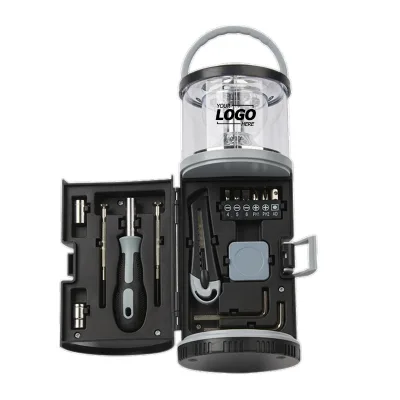
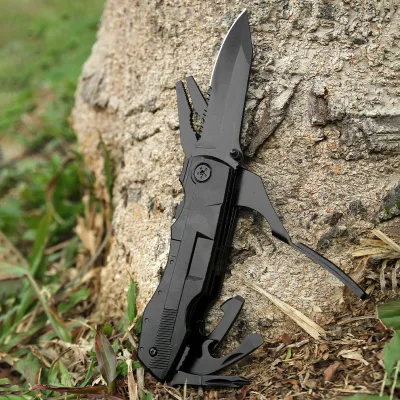
Comprehensive Sourcing Guide
Strategic Sourcing Guide for Arched Camping Multi-Tools
The global market for outdoor and camping equipment has seen a steady evolution in tool design, with a particular emphasis on compactness, versatility, and ergonomic efficiency. When sourcing an arched camping multi-tool, buyers must navigate a complex landscape of material science, manufacturing standards, and regulatory compliance. Unlike standard flat-blade tools, arched designs offer specific mechanical advantages in leverage and clearance, making them distinct in both function and procurement requirements. This guide provides a disciplined framework for evaluating suppliers, verifying technical specifications, and ensuring long-term value for B2B procurement operations.
Technical Specifications and Design Architecture
The fundamental differentiator of an arched camping multi-tool lies in its geometric configuration. The arch design is not merely aesthetic; it serves a functional purpose by increasing the moment arm for leverage during splitting or prying tasks while maintaining a low profile for storage. When evaluating product listings, buyers should scrutinize the specific dimensions and material composition. Observed data in the current market indicates a wide variance in product models, ranging from heavy-duty industrial variants to lightweight promotional items.
For a genuine camping multi-tool, the blade material is a critical specification. Stainless steel is the predominant choice due to its resistance to corrosion in outdoor environments. Specific product observations highlight "Stainless Steel" as a primary material attribute for folding knives and multi-tools, ensuring durability against moisture and soil. The blade shape is another vital parameter; while some industrial tools utilize flat blades, camping variants often require a specific geometry that balances cutting efficiency with structural integrity. The "Geometry" shape attribute observed in certain listings suggests a focus on precise engineering, which is essential for tools intended for field use.
Dimensions must be verified against the intended application. Listings show specifications such as "Overall Length: 76mm" or "Length closed: 99mm," indicating that size is a primary differentiator. A tool that is too large may be cumbersome for backpacking, while one that is too small may lack the necessary leverage for camp tasks. The "Handle Length: Short" attribute observed in some industrial models suggests that users must carefully distinguish between tools designed for heavy-duty splitting and those intended for general camping utility. The arch itself must be robust enough to withstand torsional stress without permanent deformation.
Compliance, Certification, and Material Standards
In the B2B sector, compliance is not optional; it is a prerequisite for market entry and liability protection. When sourcing multi-tools, buyers must verify that the supplier adheres to recognized international standards. The market data indicates that certain product lines carry certifications such as "LFGB" and "FDA." These certifications are particularly relevant if the multi-tool includes components that may come into contact with food, such as integrated bottle openers or cutting blades used for food preparation in a camping context.
Furthermore, structural standards play a crucial role in quality assurance. While some listings reference "DIN, ANSI, JIS" standards, these are typically associated with fasteners and industrial hardware. For a camping multi-tool, the buyer must ensure that the manufacturing process aligns with these rigorous quality grades. The "DIY Level" quality grade observed in some listings suggests a tiered approach to manufacturing, where the buyer must explicitly define whether they require a consumer-grade tool or a professional-grade implement.
Certification checks should extend beyond the product itself to the supply chain. The "CCC" and "ISO" certifications mentioned in the context indicate a baseline for manufacturing quality and safety in the region of origin. Buyers should request valid certificates for these standards to ensure the supplier maintains consistent quality control protocols. Additionally, the "Eco-Friendly" feature observed in some promotional items suggests that environmental compliance is becoming a differentiator. While not always a legal requirement, eco-friendly sourcing can be a strategic advantage for brands targeting environmentally conscious markets.
Cost Drivers and Pricing Dynamics
The pricing of arched camping multi-tools is influenced by a complex interplay of material costs, manufacturing complexity, and order volume. The observed price range in the market spans from $0.20 to $32.90 USD, a disparity that reflects the vast difference between promotional giveaways and high-performance professional tools. This wide range necessitates a clear definition of the target product tier before engaging with suppliers.
Material costs are a primary driver. Stainless steel prices fluctuate based on global commodity markets, directly impacting the unit cost of the tool. Tools with "Porcelain Enameled" finishes or specialized "Laser Engraving" capabilities will command higher prices due to the additional processing steps involved. The "Weight" of the tool is also a cost factor; a 29g tool with a net weight of 25g represents a different material density and manufacturing process compared to heavier, more robust models.
Order volume significantly affects the final unit price. The observed Minimum Order Quantity (MOQ) ranges from 2 to 5,000 units. For small businesses or startups, an MOQ of 2 allows for low-risk testing, whereas larger enterprises may leverage an MOQ of 5,000 to achieve economies of scale. Buyers must calculate the total landed cost, including shipping and duties, as the "Box" or "Individual Leather Bag Packing" options can add significant weight and volume to the shipment. The "Non-Customized" versus "Customized" status also impacts cost; custom branding, such as laser engraving, typically incurs a setup fee and a higher per-unit cost.
Typical Applications and Usage Scenarios
Understanding the intended application is essential for selecting the right arched camping multi-tool. The market data reveals a divergence in usage profiles. Some tools are explicitly categorized for "Industrial" use, featuring "Splitting Axe" types with "Manpower" power sources. These are heavy-duty implements designed for forestry or construction tasks where leverage is paramount. In contrast, other listings specify "Camping Knife" usage, emphasizing portability and versatility for outdoor enthusiasts.
The "Bottle Opener, Promotion Gifts" category highlights a different application: marketing and corporate gifting. These tools often feature "Cute" styles and "Geometry" shapes, prioritizing aesthetics and brand visibility over heavy-duty performance. For a buyer sourcing for a camping gear retailer, the focus should be on the "Camping Knife" and "Tool Set" categories, ensuring the tool can handle tasks like cutting rope, preparing food, and opening cans.
The "Folding" attribute is particularly relevant for camping applications, as it allows the tool to be safely stored in a pocket or pouch. A "Folded" state with a closed length of 99mm ensures the tool is compact enough for backpacking. Conversely, tools with "No Packing" or "Carton" packing are often intended for bulk distribution or industrial settings where individual protection is less critical. Buyers must align the product's usage claims with their specific customer base to avoid mismatches in performance expectations.
Supplier Evaluation and Quality Control
Evaluating a supplier for arched camping multi-tools requires a rigorous assessment of their capabilities and track record. The origin of the product is a key indicator of manufacturing expertise. "Yangjiang, China" is a recognized hub for cutlery and multi-tool manufacturing, known for its concentration of stainless steel processing facilities. When sourcing from this region, buyers should verify the specific factory's capacity to handle the required finishing processes, such as "Porcelain Enameled" coatings or "Laser Engraving."
Quality control measures must be explicitly defined in the procurement contract. The "Condition: New" attribute is a baseline, but buyers should request detailed inspection reports. For tools with "Stainless Steel" blades, verification of the steel grade (e.g., 420, 440C) is crucial to ensure hardness and corrosion resistance. The "Disposable: Non-Disposable" attribute confirms the tool's durability, but this should be validated through independent testing or sample evaluation.
Suppliers offering "Customization" services should be evaluated on their ability to maintain consistency across batches. The ability to produce tools with specific "Handle Length" or "Blade Shape" variations indicates a flexible manufacturing line. However, buyers must be wary of suppliers who claim "Customized" status without providing clear documentation of their customization process. A robust supplier will have a dedicated quality assurance team that performs random sampling and functional testing before shipment.
Long-Term Procurement Considerations
Sourcing arched camping multi-tools is not a one-time transaction but a long-term partnership that requires strategic planning. Buyers should consider the scalability of the supplier's production capacity. As demand grows, the supplier must be able to maintain quality while increasing output. The "Standard" attributes, such as "23.89cm 383g" or "Size: 6.94.5*0.2cm," serve as benchmarks for consistency. Any deviation from these standards in future orders should be flagged immediately.
Packaging and logistics also play a significant role in long-term success. The choice between "Box," "Carton," or "Individual Leather Bag Packing" affects the final product presentation and shipping costs. For a brand focused on premium camping gear, "Individual Leather Bag Packing" may be essential for perceived value. Conversely, for promotional items, "No Packing" or simple "Box" packaging may suffice.
Finally, buyers should monitor the supply chain for potential disruptions. The reliance on specific materials like stainless steel and the dependence on manufacturing hubs in China necessitate a risk management strategy. Diversifying suppliers or maintaining safety stock can mitigate the impact of supply chain interruptions. By focusing on technical specifications, compliance, and supplier reliability, buyers can secure a steady supply of high-quality arched camping multi-tools that meet the demands of the modern outdoor market.
FAQs
What certifications do arched camping multi-tool suppliers provide?
Suppliers provide certifications such as LFGB, FDA, CCC, and ISO for these tools. These standards ensure safety and quality, particularly for items used in food preparation or industrial settings, and are verified through valid documentation from the manufacturing facility.
Which material is used for the blade of these multi-tools?
The blade material is typically stainless steel to ensure corrosion resistance. This material choice is critical for outdoor durability, though some industrial variants may use different steel grades depending on the specific application requirements and customization options.
How is the product packed for shipment?
Packing options include individual leather bags, nylon pouches, cartons, or boxes. Some promotional items may have no packing, while others use specific carton packaging to protect the tool during transit and enhance the final product presentation for the buyer.
Can I request customization for the multi-tool?
Customization is available for certain models, including laser engraving logos or specific dimensions. Buyers must verify if the specific product model supports customization, as some items are listed as non-customized and are intended for standard bulk distribution.
What is the typical price range for these tools?
The observed price range spans from 0.20 to 32.90 USD per unit. This variance depends on the product tier, material quality, and order volume, with lower prices often corresponding to promotional items and higher prices for professional-grade equipment.
Where are these multi-tools manufactured?
Products originate from China, with specific manufacturing hubs located in Yangjiang. This region is known for cutlery production, and buyers should verify the specific factory location to ensure compliance with shipping and quality standards.
What is the minimum order quantity for these tools?
The minimum order quantity ranges from 2 to 5000 units depending on the supplier. Small businesses can start with low MOQs for testing, while larger enterprises may leverage higher volumes to achieve better economies of scale on the final unit cost.