Source Armored Forged Aluminum Wheel for Trucks, Buses, and Trailers
Explore 30 Armored Forged Aluminum Wheel options designed for heavy-duty applications. Buyers can compare specifications, materials, and certifications to identify the best fit for their fleet requirements. Detailed data includes size ranges, drive types, and origin details to support informed procurement decisions for commercial vehicles.
Key considerations
Products List


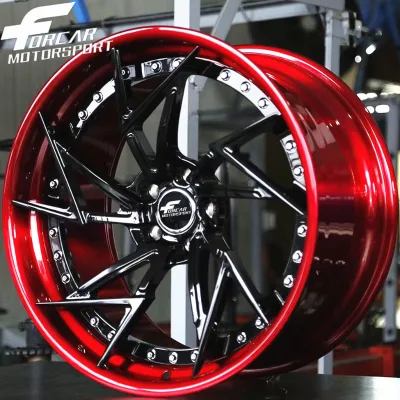

Modified Custom Rims Sliver Gun Gray Concave Aluminum Alloy Forged Wheels
$150.00 - $280.00
MOQ: 4 pieces


Durable Forged Aluminium Alloy Wheels for Enhanced Performance and Style
$160.00 - $290.00
MOQ: 4 Pieces


Comprehensive Sourcing Guide
Armored Forged Aluminum Wheel Sourcing Guide
Procuring armored forged aluminum wheels requires distinguishing between standard alloy rims and specialized units designed for enhanced structural integrity. The observed market data indicates a diverse range of offerings, from standard 18-inch to 22-inch sizes, alongside heavy-duty variants for trucks and buses. Buyers must carefully evaluate whether the "armored" designation refers to a specific reinforcement process or simply a high-strength forged construction, as the supplied facts list various models like BT-DB-2010 and BTC-19675 without explicit armor specifications.
Verification of the manufacturing process is critical, as the term "forged" implies a specific metallurgical treatment that differs significantly from casting. While the data confirms the availability of aluminum and alloy materials with varying percentages, the specific mechanical properties required for armored applications must be validated through supplier documentation. Procurement teams should focus on suppliers who can demonstrate the specific forging techniques used to achieve the necessary impact resistance and weight reduction characteristics inherent to this product category.
Product Scope and Observed Listing Signals
The current market listings reveal a broad spectrum of wheel types, including standard rims, wheel hubs, and specialized positioning systems, which complicates the identification of true armored forged units. Listings frequently mention drive configurations such as 4WD and FWD, alongside specific dimensions ranging from 17 inches to 24 inches, suggesting that armored variants may be available in multiple configurations. However, the presence of general wheel accessories like covers and varying packing methods indicates that buyers must filter out standard consumer-grade products to find specialized armored solutions.
Observations show that some products are explicitly marked for racing cars or heavy-duty applications like trucks and buses, which are the primary sectors for armored wheel requirements. The data includes specific model numbers and standard sizes, yet the "armored" attribute is not uniformly present across all listings. Buyers should scrutinize product descriptions for mentions of reinforced structures or electronic features, as these may indicate advanced protection levels, while remaining cautious of generic listings that lack specific performance data for high-stress environments.
Technical Specifications to Verify
When evaluating technical specifications, the wheel hub diameter and rim size are primary indicators of compatibility and structural capacity. The observed data highlights hub diameters ranging from 16 to 24 inches and rim sizes from 17 to 24 inches, which are critical parameters for ensuring the wheel fits the intended vehicle platform. Buyers must verify that the specific forged aluminum construction meets the load-bearing requirements for their application, as standard alloy wheels may not suffice for armored or high-security transport needs.
Material composition and finishing processes also play a vital role in the durability and performance of the wheel. The supplied facts note that aluminum constitutes a significant portion of the material mix, with some listings specifying alloy content and black finishing. It is essential to confirm the exact alloy grade and the forging method used, as these factors directly influence the wheel's resistance to impact and fatigue. Additionally, verifying the spoke type and structural design ensures that the wheel can withstand the unique stresses associated with armored vehicle operations.
Compliance and Safety Documentation
Compliance with international safety standards is non-negotiable when sourcing armored forged aluminum wheels, as these components are integral to vehicle safety. The observed listings include certifications such as TUV, ISO, DOT, CE, and VIA, which serve as baseline indicators of quality and regulatory adherence. Buyers must ensure that the specific model they intend to purchase holds the relevant certifications for their target market, as a lack of proper documentation can lead to legal liabilities and safety failures in the field.
Beyond general certifications, specific safety documentation regarding impact resistance and structural integrity must be requested from the supplier. While the data mentions standards like "aluminum alloy" and specific dimensions, it does not provide explicit test results for armored performance. Procurement teams should demand detailed test reports that validate the wheel's ability to withstand ballistic or high-impact scenarios, ensuring that the product meets the rigorous safety requirements expected of armored vehicle components.
Cost Drivers and Commercial Terms
The cost of armored forged aluminum wheels is influenced by several factors, including the complexity of the forging process, material quality, and the level of customization required. The observed price range of 1 to 700 USD suggests a wide variance, likely driven by differences in size, material composition, and the specific protective features incorporated into the design. Buyers should be prepared for higher costs associated with specialized models that offer enhanced durability and security features compared to standard alloy wheels.
Commercial terms such as Minimum Order Quantity (MOQ) and lead times are also significant considerations in the procurement process. The data indicates an MOQ range from 1 to 5000 units, which allows for flexibility but requires careful planning to balance inventory costs with supply chain reliability. Additionally, the origin of the products, primarily China, and the specific packing methods like cartons or pallets can impact shipping costs and delivery schedules, necessitating a thorough review of the total landed cost before finalizing any purchase agreement.
Supplier Qualification and Quality Control
Selecting a qualified supplier is paramount when dealing with specialized components like armored forged aluminum wheels, as the margin for error is minimal. Buyers should prioritize suppliers who can provide comprehensive documentation of their manufacturing processes, including details on the forging techniques and quality control measures employed. The presence of certifications like TUV and ISO is a positive indicator, but it is essential to verify that these certifications are current and applicable to the specific product line being sourced.
Quality control protocols must be rigorously enforced to ensure that every wheel meets the stringent requirements for armored applications. This includes verifying the consistency of material composition, the precision of the forging process, and the integrity of the finishing treatments. Buyers should consider implementing third-party inspection services to validate the product quality before shipment, ensuring that the wheels delivered match the specified technical parameters and performance expectations outlined in the procurement agreement.
Long-Term Procurement Checks
Establishing a long-term procurement strategy for armored forged aluminum wheels requires ongoing monitoring of supplier performance and product consistency. Buyers should regularly review the supplier's ability to maintain quality standards and meet delivery schedules, as any deviation can disrupt critical operations. Building a strong relationship with the supplier can facilitate better communication and faster resolution of any issues that arise, ensuring a steady supply of high-quality wheels for armored vehicle fleets.
Continuous evaluation of the product's performance in the field is also essential for maintaining the integrity of the armored vehicle fleet. Buyers should track the durability and reliability of the wheels over time, collecting data on any failures or maintenance issues to inform future purchasing decisions. This proactive approach allows for the identification of potential improvements or alternative suppliers, ensuring that the procurement strategy remains aligned with the evolving needs of the armored vehicle market.
FAQs
What certifications are available for armored forged aluminum wheels?
Suppliers offer various certifications including TUV, ISO, VIA, DOT, and CE. These standards verify safety and quality compliance for automotive applications. Buyers should verify which specific certification is required for their target market and vehicle type before finalizing orders.
What size ranges are common for armored forged aluminum wheels?
Common size ranges include 17 to 24 inches, with specific models available in 18 to 22 inches. Other standard sizes include 21x10 and 22.5 inch variants. Selecting the correct size depends on vehicle compatibility and load requirements for armored applications.
Can armored forged aluminum wheels be customized for specific vehicles?
Customization is available for many Armored Forged Aluminum Wheel products. Buyers can specify dimensions, finish, and structural features to match their vehicle requirements. Confirming customization options and minimum order quantities with the supplier ensures the final product meets operational needs.
What materials are used in armored forged aluminum wheels?
These wheels are primarily made from aluminum alloy, with some products containing 45% aluminum content. Steel is also used in certain variants. The choice of material affects weight, strength, and durability, which are critical factors for armored vehicle performance and safety.
How is the packaging handled for armored forged aluminum wheels?
Standard packaging includes cartons, pallets, or carton boxes to protect the wheels during transit. Proper packaging prevents damage and ensures safe delivery to the buyer. Buyers should confirm packaging specifications with the supplier to align with their logistics and storage requirements.
What drive wheel configurations are supported by these wheels?
Armored forged aluminum wheels support both 4WD and FWD drive configurations. The specific configuration depends on the vehicle design and intended use. Buyers should verify compatibility with their vehicle's drivetrain to ensure proper fitment and performance.