Source Armored Vehicle for Patrol, Riot Control, and Security
Source 26 Armored Vehicle options for patrol, riot control, and security missions. Compare specifications including diesel and electric drive types, customization availability, and various dimensions to find the right fit for your operational needs; compare the available evidence and request quotations based on your requirements.
Key considerations
Products List

Armored Vehicle Special Vehicle Transporting Personnel Armored Personnel Carrier
$118000.00 - $120000.00
MOQ: 1 Pieces


Reliable Bulletproof Cash Transport Vehicle Cash Transport Armored Vehicle
$28000.00 - $35000.00
MOQ: 1 unit


High-Performance Armored Riot Control Vehicle with Surveillance System
$8260.00 - $35400.00
MOQ: 1 Pieces


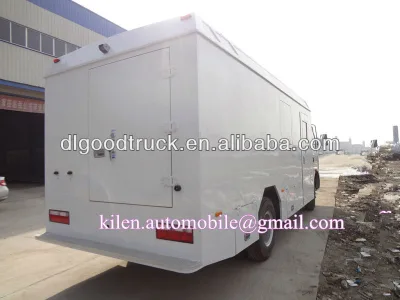
Cash in Transit Vehicle / Cash in Transit/armored Cash in Transit Vehicle
$30827.80 - $35965.77
MOQ: 1 Minimum

New Communication Command Vehicle Command and Communication Fire Vehicle
$380000.00 - $420000.00
MOQ: 1 Pieces

$100000.00 - $120000.00
MOQ: 1 Pieces

Armored off-Road Vehicle for Anti-Riot and Tactical Use Bulletproof Pickup
$25000.00 - $30000.00
MOQ: 1 Pieces

Heavy-Duty Vehicle for Anti-Riot and Counter-Terrorism Operations Bulletproof Vehicle
$100000.00 - $120000.00
MOQ: 1 Pieces


Armored Troop Carrier Vehicle for Safe Transport, Customized by Un
$45000.00 - $90000.00
MOQ: 1 Pieces




Comprehensive Sourcing Guide
Armored Vehicle Sourcing Guide
Procuring armored vehicles requires a precise understanding of the specific operational environment and the distinct variations in vehicle architecture available in the current market. Buyers must distinguish between heavy-duty anti-riot platforms and specialized patrol units, as the structural integrity and functional requirements differ significantly between these categories. The observed product range includes models designed for diverse terrains, ranging from standard road patrol to off-road capabilities featuring specific modes for snow, mud, sand, and rock.
Sourcing decisions should be anchored in the verified technical attributes of the units, such as drive types, fuel systems, and dimensional constraints. The market offers vehicles with varying configurations, including 4×2, 4×4, and 8×4 drive systems, alongside electric drive modes for specific low-speed applications. It is critical to align the procurement strategy with the intended use case, ensuring that the selected vehicle's physical dimensions and weight specifications match the logistical and operational constraints of the deployment zone.
Product Scope and Observed Listing Signals
The current market listings reveal a diverse spectrum of armored vehicles, including specialized models like the Dongfeng and Ford V362 short wheelbase variants, alongside generic explosion-proof patrol vehicles. Buyers should note that product conditions are consistently listed as new, with customization options available for vehicle paint and specific functional requirements such as anti-riot capabilities. The observed price range spans from 5,000 to 420,000 USD, reflecting the vast difference in complexity between basic patrol units and heavily fortified tactical vehicles.
Listing signals indicate that packaging varies from nude packages to bulk transportation requirements, which directly impacts logistics planning and initial cost calculations. The minimum order quantity is uniformly observed at one unit, allowing for flexible procurement strategies without the need for large initial inventory commitments. However, the wide variance in dimensions, such as lengths ranging from approximately 4,987mm to 6,880mm, necessitates careful verification of physical fitment within existing transport infrastructure and storage facilities before finalizing any purchase agreement.
Technical Specifications to Verify
Technical due diligence must focus on the precise dimensional and performance metrics provided in the product specifications, as these define the operational envelope of the vehicle. Buyers should verify critical dimensions like the standard postures for approach, departure, and through angles, which typically range between 19.7° and 37.5° depending on the specific model configuration. Additionally, the minimum ground clearance, observed between 230mm and 335mm, is a vital parameter for assessing off-road capability and obstacle negotiation in challenging terrains.
Fuel and powertrain specifications are equally critical, with the market offering both diesel and electric drive modes to suit different operational needs. Diesel-powered units often feature specific emission standards, while electric variants may operate within a narrow speed range of 0 to 15 km/h and require specific voltage inputs like DC48V. Verification of the wheelbase, curb weight, and maximum wading depth, which can reach up to 900mm, ensures the vehicle can withstand the physical stresses of its intended deployment environment without compromising structural safety.
Compliance and Safety Documentation
Compliance verification is paramount when sourcing armored vehicles, as the market listings cite a variety of certifications including ISOCCC, TSEPA, EEC, RoHS, and CE. Buyers must ensure that the specific unit being procured carries the relevant certification documents that match the regulatory requirements of the destination country, as these standards dictate the legal operability of the vehicle. The presence of multiple certifications suggests a robust quality framework, but individual unit verification is necessary to confirm that the specific batch meets all applicable safety and environmental regulations.
Safety documentation should also encompass the vehicle's structural design and material composition, such as the use of carbon steel for tank materials in certain configurations. Buyers need to confirm that the vehicle body structure, described as non-cutting type in some listings, aligns with the required ballistic or blast protection levels for the mission profile. Furthermore, the availability of lifetime technical support and 24/7 online assistance indicates a commitment to long-term safety maintenance, which is essential for ensuring the vehicle remains operational and compliant throughout its service life.
Cost Drivers and Commercial Terms
The cost of armored vehicles is heavily influenced by the complexity of the customization, the specific drive mode, and the level of protection integrated into the vehicle body. While the observed price range is broad, the inclusion of features like customizable paint, specific drive modes, and advanced off-road capabilities significantly impacts the final commercial terms. Buyers should analyze the total cost of ownership, considering that higher-end models with electric drive or specialized anti-riot functions will command a premium over standard patrol configurations.
Commercial terms must also account for the warranty period, which is observed to be two years for many units, and the scope of after-sales service provided. The availability of 24/7 online support and lifetime technical assistance adds value but may influence the initial pricing structure. Additionally, the packing method, whether nude or bulk, affects shipping costs and insurance premiums, requiring a detailed review of the logistics terms to ensure that the total landed cost aligns with the procurement budget and operational timeline.
Supplier Qualification and Quality Control
Supplier qualification should prioritize manufacturers with a proven track record in producing specialized vehicles, as evidenced by the diverse model names and origins listed, such as Dongfeng, Ford, and JMC-Fushun. The origin of these vehicles is primarily China, with specific mentions of Hubei as a production hub, indicating a concentrated manufacturing base that buyers should investigate for supply chain stability. Verification of the supplier's ability to meet the specific certification requirements, such as ISOCCC and EEC, is essential to ensure that the quality control processes align with international standards.
Quality control measures must extend beyond the initial inspection to include the verification of material specifications and assembly standards. Buyers should request detailed documentation regarding the tank material, such as carbon steel, and confirm that the production standards match the listed dimensions and performance metrics. The consistency of the product condition, listed as new across the board, suggests a standardized manufacturing process, but independent third-party inspections are recommended to validate the structural integrity and functional performance of the specific units before delivery.
Long-Term Procurement Checks
Long-term procurement strategies must include a rigorous assessment of the vehicle's operating temperature range and durability under extreme conditions. The observed operating temperature range of -20°C to 60°C indicates a design capable of withstanding significant thermal variations, which is crucial for global deployment scenarios. Buyers should verify that the vehicle's electronic systems, particularly in electric models, are rated for these conditions to prevent premature failure and ensure consistent performance in diverse climatic zones.
Sustainability and maintenance planning are also critical components of long-term procurement, given the availability of both diesel and electric drive options. Buyers should evaluate the lifecycle costs associated with fuel consumption versus battery replacement and charging infrastructure requirements. The warranty period of two years provides a baseline for initial reliability, but the availability of lifetime technical support suggests a partnership model that should be leveraged for ongoing maintenance, ensuring the vehicle remains compliant and operational throughout its intended service life.
FAQs
What certifications do armored vehicles typically hold?
Armored vehicles commonly hold ISOCCC, TSEPA, EEC, RoHS, and CE certifications. These standards ensure compliance with international safety and environmental regulations. Buyers should verify specific certification lists for each model to confirm regulatory alignment for their target markets and operational requirements.
Can armored vehicles be customized for specific needs?
Yes, customization is available for many Armored Vehicle models. Options include customizable vehicle paint and specific drive types such as 4x2, 4x4, or 8x4 configurations. Buyers can request tailored specifications to meet unique security, patrol, or anti-riot operational demands effectively.
What is the typical condition of new armored vehicles?
New armored vehicles are supplied in brand-new condition. They are often packed nude or according to transportation requirements to prevent damage during shipping. This ensures the vehicle arrives ready for immediate deployment or further customization by the end user.
What drive types are available for armored vehicles?
Available drive types include 4x2, 4x4, and 8x4 configurations. These options allow buyers to select the appropriate mobility level for their terrain. Electric drive modes are also available for specific low-speed applications, offering versatile operational capabilities for diverse security scenarios.
Where are armored vehicles typically manufactured?
Armored vehicles are typically manufactured in China, with specific origins noted in Hubei province. Major brands include Dongfeng, Ford V362, and JMC-Fushun. Buyers can source directly from these established manufacturing hubs to ensure quality control and supply chain reliability.
What are the standard dimensions for armored vehicles?
Standard dimensions vary by model, such as 6880mm x 2400mm x 3250mm or 5950mm x 2490mm x 2650mm. Some models measure 5496mm x 1986mm x 2040mm. Buyers should check specific product standards to ensure the vehicle fits their logistical and operational space constraints.