Source Argon Arc Welding Torch for Hand, Machinery, and Welding
Explore 30 Argon Arc Welding Torch options with varying cooling methods, current ratings, and certifications. Buyers can compare specifications like tungsten diameter and duty cycle to find the right tool for hand, machinery, or general welding applications.
Key considerations
Products List

$15.00 - $25.00
MOQ: 1 Pieces


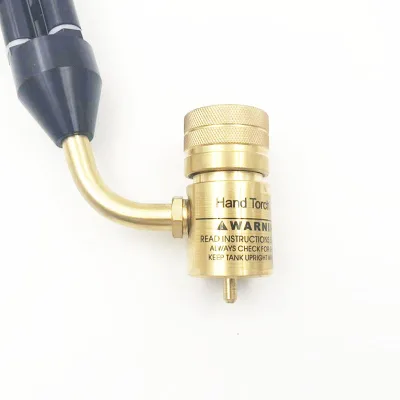
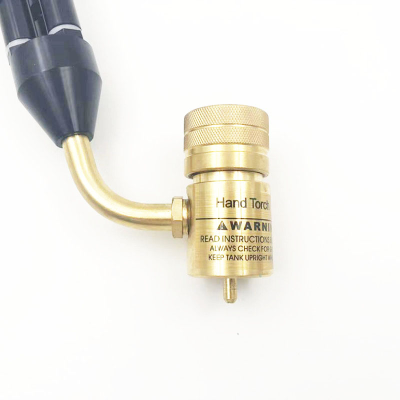


Comprehensive Sourcing Guide
Strategic Sourcing Guide for Argon Arc Welding Torch Procurement
Selecting the appropriate Argon Arc Welding Torch is a critical decision for any industrial procurement team, as the tool directly influences weld quality, operator safety, and overall production efficiency. The global market for these components is diverse, ranging from lightweight hand-held units for general maintenance to heavy-duty water-cooled systems designed for continuous industrial automation. This guide synthesizes observed market data and technical specifications to provide a disciplined framework for evaluating suppliers and products. Buyers must navigate a landscape where attributes such as cooling methods, current ratings, and certification status vary significantly between models. The following sections detail the essential technical parameters, compliance requirements, and strategic considerations necessary for a successful procurement cycle.
Technical Specifications and Operational Capabilities
The primary differentiator among argon arc welding torches is their cooling mechanism and current handling capacity. The observed market data reveals a clear segmentation between air-cooled and water-cooled variants. Air-cooled models, often designated with specific model numbers like the WP-17-2 or WP-26-1, are typically gas-cooled TIG torches. These units are designed for lower duty cycles and are suitable for applications where the operating current does not exceed 150A DC or 120A AC for the WP-17-2, and up to 200A DC or 160A AC for the WP-26-1. These torches generally accommodate tungsten diameters ranging from 0.5mm to 2.4mm for the smaller models, extending to 3.2mm for the WP-26-1. The physical design often features a single flame configuration and a standard size, making them ideal for intermittent welding tasks in machinery maintenance or light fabrication.
In contrast, high-performance applications require water-cooled torches capable of sustaining higher thermal loads. The data indicates the existence of models rated for 500A DC with a 100% duty cycle, as well as units rated at 600A with a duty cycle ranging from 60% to 100%. These heavy-duty torches, such as the TH-TW600-20, utilize water cooling to manage the intense heat generated during prolonged operation. They support significantly larger tungsten rods, with specifications ranging from 1.6mm to 6.4mm, and some models explicitly listing a 7mm tungsten rod capacity. The cable length for these high-current units is substantial, with observed specifications reaching 20 meters, which is crucial for flexibility in large-scale manufacturing environments. When evaluating technical specs, buyers must verify that the torch's maximum welding thickness capabilities align with their specific project requirements, as observed ranges for thickness can vary from 10mm to 15mm depending on the specific model and configuration.
Compliance and Certification Verification
In the B2B procurement of welding equipment, verifying compliance with international standards is non-negotiable. The market data highlights a variety of certifications held by different suppliers, including CE, RoHS, ISO9001, CCC, and ISOCE. While CE and RoHS appear frequently across multiple product listings, indicating a baseline compliance with European safety and environmental directives, the presence of ISO9001 suggests a supplier's commitment to quality management systems. Some listings also reference specific standards such as ISO 5172, though buyers should treat these as observations of specific product lines rather than universal guarantees for all available torches.
The certification landscape requires careful scrutiny. A product listing might claim ISOCE and RoHS, while another might list CE, CCC, and RoHS. The CCC (China Compulsory Certification) is particularly relevant for products intended for the domestic Chinese market or those manufactured within China, such as those originating from Changzhou, Jiangsu. Buyers must not assume that a single certification covers all regulatory requirements for their target market. For instance, a torch marketed with ISO9001 certification must be verified against the specific scope of that certification to ensure it covers the manufacturing of welding torches. Furthermore, the presence of a "1 Year" or "12 Months" warranty is a common attribute observed in the data, but this should be treated as a specific product term rather than an industry standard. Procurement teams should request valid, up-to-date certification documents for the specific batch of goods being purchased to ensure that the claimed standards are current and applicable to the model in question.
Cost Drivers and Pricing Dynamics
Understanding the cost structure of argon arc welding torches is essential for budgeting and supplier negotiation. The observed price range in the market spans from $2.40 to $300.00 USD. This wide variance is driven by several factors, including the cooling method, current rating, build quality, and included accessories. The lower end of the price spectrum typically corresponds to basic air-cooled, hand-held torches with standard specifications and minimal customization. These units are often sold in bulk with a minimum order quantity (MOQ) as low as 1 unit, making them accessible for small workshops or individual contractors.
Conversely, the higher price points, approaching $300, are associated with water-cooled, high-amperage torches that feature advanced engineering, longer cable lengths, and higher duty cycles. These units often come with more complex packaging, such as "1 set/Box Neutral Packing" or "1PCS/Box, 5boxes/Carton," which adds to the logistical cost. The MOQ for these premium items can range up to 500 units, reflecting the inventory commitment required from the buyer. Customization is a significant cost driver; the data confirms that customization is available for these products. However, custom orders typically incur higher unit costs and may extend lead times. Buyers should also consider the origin of the product, with Changzhou, Jiangsu, China, being a prominent manufacturing hub. While this location offers competitive pricing, it necessitates careful logistics planning regarding shipping and potential tariffs.
Typical Applications and Usage Scenarios
Argon arc welding torches are versatile tools used across various industries, with their application defined by the specific welding requirements of the sector. The observed data categorizes applications primarily under "Hand" and "Machinery." Hand-held torches, such as the WP-17-2 and WP-26-1, are ideal for general maintenance, repair, and operations (MRO) where portability and ease of use are paramount. These units are frequently used in machinery assembly and repair shops where the welding tasks are intermittent and do not require continuous high-current output.
For heavy industrial applications, water-cooled torches rated at 500A or 600A are essential. These are typically employed in large-scale manufacturing, shipbuilding, and pressure vessel construction where the welding process must be continuous and precise. The "One-Body" work form and "Handheld" style observed in the data suggest designs optimized for operator comfort during extended use. The specific application of "Welding" is universal, but the context varies; for example, a torch with a 10-15mm maximum welding thickness capability is suitable for structural steel fabrication, whereas a torch with a 0.5-2.4mm tungsten diameter is better suited for thin-sheet metal work. Buyers must match the torch's duty cycle and current rating to the expected workload to prevent premature failure and ensure consistent weld quality.
Supplier Evaluation and Origin Considerations
Evaluating suppliers requires a focus on their manufacturing capabilities and geographical location. The data indicates that a significant number of products originate from Changzhou, Jiangsu, China, a region known for its manufacturing infrastructure. When assessing a supplier, buyers should verify the specific place of origin, as "Changzhou" and "Changzhou Jiangsu" are distinct identifiers that may refer to different facilities or regions within the same city. A reputable supplier should provide clear documentation regarding their production facility and quality control processes.
The lead time is another critical factor in supplier evaluation. The observed delivery time for some products is 20 days, which serves as a benchmark for standard production runs. However, this can vary based on order volume, customization requirements, and current production capacity. Buyers should inquire about the specific lead time for their order, especially if they are placing a large order or requesting custom modifications. Additionally, the packaging standards, such as "Neutral Package" or specific carton configurations, should be confirmed to ensure that the products arrive in good condition and meet the buyer's logistical requirements. It is also important to note that while some suppliers offer a 1-year warranty, the terms and conditions of this warranty should be clearly defined in the purchase agreement.
Quality Control and Long-Term Procurement Strategy
Implementing a robust quality control (QC) strategy is vital for maintaining the reliability of argon arc welding torches. Given the wide range of certifications and specifications observed, buyers should not rely solely on the supplier's claims. Instead, they should request independent test reports or conduct their own inspections upon receipt of the goods. Key QC checks should include verifying the cable length, testing the duty cycle under load, and inspecting the cooling system for leaks in water-cooled models. The presence of a "12 Months" warranty is a positive indicator, but it should be backed by a clear service protocol for repairs or replacements.
For long-term procurement, establishing a relationship with a supplier that offers consistent quality and reliable lead times is more valuable than seeking the lowest initial price. The availability of customization allows buyers to tailor products to their specific needs, but this requires clear communication of technical requirements. Buyers should also consider the total cost of ownership, which includes not just the purchase price but also maintenance, energy efficiency, and the lifespan of the torch. By focusing on suppliers with verified certifications like ISO9001 and a track record of delivering products that meet the observed technical standards, buyers can mitigate risks and ensure a steady supply of high-quality welding equipment.
Summary of Key Product Attributes
To assist in the final selection process, the following table summarizes the key attributes observed in the market data for argon arc welding torches. This comparison highlights the diversity in specifications and helps buyers identify the right product for their specific needs.
| Attribute | Air-Cooled / Gas-Cooled Models | Water-Cooled / High-Current Models |
|---|---|---|
| Typical Models | WP-17-2, WP-26-1, HR-50W | TH-TW600-20, Torch Body-HR-50W |
| Operating Current | 150A DC / 120A AC (WP-17-2) <br> 200A DC / 160A AC (WP-26-1) | 500A DC (100% Duty Cycle) <br> 600A (60%-100% Duty Cycle) |
| Tungsten Diameter | 0.5-2.4mm <br> 0.5-3.2mm | 1.6-6.4mm <br> 7mm (Specific Model) |
| Cooling Method | Air Cooling / Gas Cooled | Water Cooled |
| Cable Length | Standard (Variable) | Up to 20m |
| Typical Applications | Machinery, Hand-held, Light Fabrication | Heavy Industry, Continuous Welding |
| Common Certifications | CE, RoHS, ISOCE | CE, CCC, RoHS, ISO9001 |
| Warranty | 1 Year / 12 Months | 1 Year / 12 Months |
By adhering to these guidelines and rigorously evaluating the technical and compliance aspects of each product, procurement teams can make informed decisions that align with their operational requirements and quality standards. The diversity of the market offers solutions for every need, provided that the buyer conducts due diligence to match the product specifications with the intended application.
FAQs
What certifications do argon arc welding torches typically have?
Common certifications include CE, RoHS, ISO9001, and CCC. Specific models may also hold ISOCE or GS marks, but buyers must verify documents for each batch rather than assuming universal coverage across all products.
Which cooling method suits high-duty cycle industrial welding?
Water-cooled torches are required for high-duty cycles up to 100% and currents of 500A to 600A. Air-cooled models are limited to lower currents and intermittent tasks, making them unsuitable for continuous heavy industrial operations.
Can I customize the Argon Arc Welding Torch specifications?
Yes, customization is available for these products. However, custom orders typically incur higher unit costs and may extend lead times, so buyers should confirm specific requirements and delivery schedules before placing large orders.
What is the typical lead time for Argon Arc Welding Torch orders?
The standard delivery time observed is 20 days for production runs. This duration can vary based on order volume, customization needs, and current factory capacity, so specific lead times should be confirmed during negotiation.
How does the MOQ vary for different torch models?
Minimum order quantities range from 1 unit for basic air-cooled torches up to 500 units for specialized or customized high-current models. Buyers should check the specific MOQ for their chosen model to ensure it fits their inventory needs.
Where are most argon arc welding torches manufactured?
The primary manufacturing origin is Changzhou, Jiangsu, China. Buyers should verify the exact place of origin, as specific facility locations may differ even within the same city, affecting logistics and quality control processes.