Source Infant Baby Mechanical Weighing Scales for Clinics
Find reliable Infant Baby Mechanical Weighing Scales for pediatric clinics, home care, and health centers. Compare 30 models featuring circular platforms, LCD or mechanical displays, and CE/RoHS certifications to select the right diagnostic tool for accurate weight measurement; compare the available evidence and request quotations based on your requirements.
Key considerations
Products List


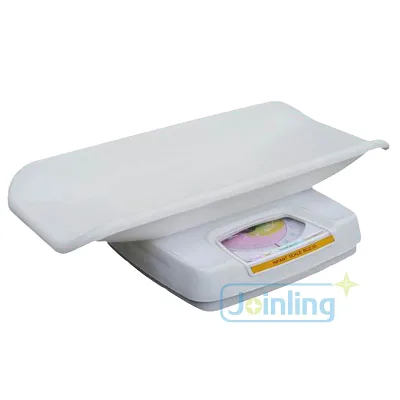


Hospital Medical Infant Digital Display Electronic Baby Weighing Scale
$1.00 - $10000.00
MOQ: 1 Pieces

Medical Equipment Portable Infant Scale Properties Baby Weighing Scale
$1.00 - $10000.00
MOQ: 1 Pieces


China Factory with High Quality Secure ABS Plastic Weighing Scales for Infant
$20.00 - $22.00
MOQ: 2 Pieces


Household Electronic Measuring Newborn Infant Digital Baby Weighing Scale
$7.76 - $9.55
MOQ: 10 Pieces

Industry Leading Infant Weight Scale for Children Digital Baby Weighing Scale
$18.50 - $22.00
MOQ: 10 Pieces

20kg Baby Scale Household Electronic Measuring Newborn Infant Digital Baby Weighing Scale
$10.50 - $15.00
MOQ: 50 Pieces


Comprehensive Sourcing Guide
Infant Baby Mechanical Weighing Scales Sourcing Guide
Procurement professionals must first distinguish between mechanical and digital variants when sourcing infant weighing scales, as the supplied data reveals a mix of LCD display units and mechanical hand-operated models. The observed product attributes indicate specific applications for both babies and adults, requiring buyers to verify the intended user demographic before finalizing orders. While some listings highlight circular shapes and screen printing colors, others specify mechanical hand displays, necessitating a clear definition of the required measurement interface to avoid procurement errors.
Buyers should also scrutinize the observed weight ranges and division values, which vary from 1kg to 20kg with specific divisions of 0.05kg or 0.1kg depending on the load. The presence of battery-powered options alongside mechanical systems suggests a need to evaluate power availability in the target facility. Since customization is available and sample orders are permitted, purchasers should leverage these options to validate the physical dimensions and platform sizes, such as the 545x270mm or 545x330x155mm specifications, ensuring they match the clinical or home environment requirements.
Product Scope and Observed Listing Signals
The market listings demonstrate a diverse range of product models, including CH-056, CH-057, CH-058, and RGZ-20AS, each with distinct packaging and dimensional standards. Some units are packaged in standard cartons with a gross weight of 3.9kg, while others arrive in paper cartons with significantly larger single package sizes of 70x60x60 cm. This variation in packaging and physical footprint requires buyers to calculate logistics costs carefully, as the single gross weight for certain items can reach 30.000 kg, impacting shipping strategies and warehouse space allocation.
Observations of the product attributes reveal that while some scales are designed specifically for baby weighing, others are classified as diagnostic instruments suitable for broader medical use. The appearance often features white coloring with screen printing, yet the functional display type varies between LCD and mechanical hands. Buyers must align their procurement strategy with these specific model numbers and their associated standard dimensions, such as 57.5x33.5x19cm or 115x74x23.5cm, to ensure the selected equipment fits the intended operational space and workflow.
Technical Specifications to Verify
Verification of the instrument classification is critical, as the data indicates a Class I classification for certain mechanical baby scales, which dictates the precision and legal metrology requirements for the device. Buyers must confirm that the division values, such as 0.05kg for the 0-10kg range and 0.1kg for the 10-20kg range, meet the specific accuracy standards required by their local health regulations. The material composition, identified as plastic in several listings, should be assessed for durability and ease of cleaning, especially in environments where hygiene is paramount for infant care.
The physical platform dimensions and overall instrument size are essential technical parameters that must be cross-referenced with the available space in the facility. Listings show platform sizes like 545x270mm and overall measurements of 43x26x43cm for sets of ten, which implies different storage and deployment needs compared to single units. Additionally, the power source, whether battery-operated or mechanical, must be verified to ensure compatibility with the facility's infrastructure, as the absence of a power cord in mechanical models offers portability but requires manual operation checks.
Compliance and Safety Documentation
Certification status is a primary compliance factor, with observed listings citing CE, RoHS, ISO, and OIML standards, though the specific combination varies by model. Buyers must request current certification documents for each specific model number to ensure they are not relying on generic claims that may not apply to the exact unit being purchased. The presence of OIML certification is particularly important for scales used in commercial or clinical settings where legal-for-trade accuracy is mandated, requiring strict verification of the certification scope against the specific product model.
Safety documentation must also address the warranty and after-sales support provisions, which are listed as three years and online technical support respectively for some items. Procurement teams should verify that the warranty covers mechanical failures and that the online support is accessible in the buyer's region. Furthermore, the origin of the products, consistently listed as China or specifically Zhejiang, should be cross-checked against any import regulations or trade restrictions that might affect the clearance of medical weighing instruments into the destination country.
Cost Drivers and Commercial Terms
The commercial landscape for these scales is influenced by the observed minimum order quantities, which range from 1 to 200 pieces, with specific listings showing an MOQ of 50 PCS. Buyers must negotiate based on these thresholds, as ordering below the MOQ may result in higher unit costs or refusal of the order. The selling units are typically single items, but some standards mention a 10-set configuration, which could offer a more cost-effective solution for clinics equipping multiple stations simultaneously.
Lead times and delivery terms are significant cost drivers, with observed delivery times of 25 days after payment arrival. This timeline must be factored into the procurement schedule to prevent delays in clinical operations or inventory shortages. Additionally, the price range observed from 1 to 10000 USD suggests a wide variance based on features, brand, and volume; buyers should focus on the total landed cost, including shipping for heavy items with a single gross weight of 30.000 kg, rather than just the unit price.
Supplier Qualification and Quality Control
Supplier qualification should prioritize those who explicitly offer customization and sample availability, as these capabilities indicate a flexible manufacturing process capable of meeting specific buyer requirements. The brand name JOINLINGMED appears in the data, suggesting a specific manufacturer, but buyers should not limit their search to a single entity without verifying the quality control processes of other potential suppliers. The ability to provide samples allows for physical inspection of the plastic material, mechanical hand accuracy, and the quality of the screen printing before committing to a bulk order.
Quality control protocols must include a verification of the product packing standards, which vary from simple cartons to paper cartons with specific gross and net weight specifications. Buyers should implement a pre-shipment inspection to ensure that the actual product dimensions, such as the 115x74x23.5cm standard, match the ordered specifications. It is also essential to verify that the instrument classification and division values are consistent across the entire batch, ensuring that every unit meets the required Class I standards for medical weighing applications.
Long-Term Procurement Checks
Long-term procurement success depends on establishing a robust after-sales service framework, as the data indicates online technical support is available for certain models. Buyers should formalize the scope of this support in their contracts, ensuring it covers troubleshooting for mechanical hand displays and battery replacement guidance. The three-year warranty period provides a baseline for reliability, but it is crucial to define the response time and the process for claiming warranty services to avoid operational disruptions in the future.
Regular audits of the supply chain are necessary to maintain consistency in product quality and compliance over time. Since the products originate from Zhejiang, China, buyers should monitor any changes in local manufacturing standards or export regulations that could impact the supply of CE, RoHS, or ISO certified scales. Continuous evaluation of the supplier's ability to meet the observed lead times and MOQ requirements will ensure a stable supply of infant weighing scales that remain accurate and safe for clinical use over the long term.
FAQs
What certifications do these scales have?
These scales typically hold CE, RoHS, ISO, and OIML certifications. Such credentials ensure compliance with international safety and quality standards for medical and baby weighing devices. Buyers should verify specific model documentation to confirm which certifications apply to their procurement needs.
Can these scales be customized for branding?
Yes, customization is available for many models. Suppliers often offer screen printing options for color branding and specific packaging requirements. This allows buyers to tailor the product appearance and carton labeling to match their corporate identity or regional market preferences effectively.
What is the typical weight range for these scales?
The standard weight range for these baby scales is 1kg to 20kg. This capacity is designed to accommodate infants and toddlers during their early growth stages. The division accuracy often varies, such as 0.05kg for lower weights and 0.1kg for higher ranges.
How long is the delivery lead time?
The standard delivery time is approximately 25 days after payment arrival. This timeline applies to bulk orders and allows for production and quality checks. Buyers should confirm exact lead times with suppliers, as they may vary based on order volume and customization requirements.
What is the minimum order quantity for these scales?
The minimum order quantity is often 50 pieces, though it can range from 1 to 200 units depending on the supplier. Some vendors may accept smaller sample orders for quality verification. Buyers should check specific supplier listings to determine the exact MOQ for their target model.
What warranty is provided for these scales?
Many suppliers offer a 3-year warranty for their mechanical baby scales. This coverage typically includes online technical support for troubleshooting and maintenance. Buyers should review the specific warranty terms provided by the manufacturer to understand the scope of coverage and support services included.