Source Artificial Hair Indoor Slippers for Hotels, Homes, and Spas
Source Artificial Hair Indoor Slippers from 21 verified listings. Compare options featuring EVA soles, faux fur uppers, and customizable logos for hotel amenities, home comfort, and spa relaxation needs.
Key considerations
Products List






Comprehensive Sourcing Guide
Artificial Hair Indoor Slippers Sourcing Guide
Sourcing Artificial Hair Indoor Slippers requires a nuanced understanding of material performance, seasonal demand cycles, and the specific operational needs of hospitality or retail channels. These products, often categorized under faux fur or plush slippers, serve dual purposes: providing comfort for end-users in residential settings and offering branded amenities for hotels and short-term rentals. Buyers must distinguish between disposable-style amenities intended for single-use in hospitality and durable, reusable slippers designed for retail or personal use. The distinction dictates the required durability, packaging standards, and customization options available from suppliers.
The procurement landscape for these items is characterized by a wide variance in quality and construction. While some listings emphasize "hand-made" attributes and premium linings like genuine leather or plush, others focus on cost-efficiency with EVA soles and synthetic uppers. Buyers should approach this category with a clear definition of their target market segment. Whether sourcing for a luxury hotel chain requiring high-quality, washable slippers or a retail brand focusing on casual, colorful indoor footwear, the selection criteria must align with the expected lifespan and usage frequency of the product.
Product Scope and Observed Listing Signals
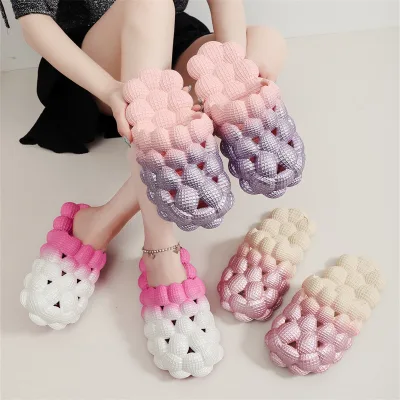
The current market offers a diverse range of artificial hair slippers, with observed product names including "Faux Fur Slipper," "Bubble Shoes Slides," and generic "Indoor Slippers." Listings frequently highlight specific style attributes such as "Open Toe" designs and unisex gender classifications, catering to a broad demographic. Color options are extensive, ranging from classic black and grey to vibrant pink, yellow, and multi-color variants, as well as white options. This variety allows buyers to tailor inventory to seasonal trends or brand identity, but it also necessitates careful SKU management to avoid overstocking less popular hues.
Material composition is a critical differentiator in this category. The upper material is predominantly listed as faux fur, providing the signature soft, warm aesthetic associated with artificial hair slippers. However, the sole material varies significantly, with EVA being a common choice for lightweight, cushioned comfort. Some listings also reference more complex sole constructions involving PVC, rubber, or even genuine leather linings, indicating a spectrum from basic disposable amenities to higher-end reusable footwear. Buyers must verify the specific material blend for each SKU, as the combination of upper and sole materials directly impacts cost, durability, and user experience.
Technical Specifications to Verify
When evaluating technical specifications, the thickness of the sole and lining materials are paramount for comfort and longevity. Observed data indicates sole thicknesses around 6mm, which provides adequate cushioning for indoor walking without adding excessive bulk. The thickness of sponge or lining materials, such as 3mm layers, contributes to the plush feel and thermal insulation properties of the slippers. Buyers should request detailed material breakdowns to ensure that the padding meets their comfort standards, particularly for products marketed as premium or winter-specific items.
Packaging and dimensional standards also play a crucial role in logistics and shelf appeal. Common packaging formats include individual OPP bags for retail-ready units and bulk carton packing for hospitality supply chains. Standard package dimensions observed include 30x12x5cm and 29x11cm, which influence palletization efficiency and storage requirements. Additionally, model numbers such as FFS-6-31, FFS-6-34, and HS26 help in tracking specific product variations. Buyers must confirm these dimensions and model identifiers to ensure compatibility with their existing inventory systems and shipping constraints.
Compliance and Safety Documentation
Safety and compliance documentation for artificial hair slippers primarily focus on material safety and flammability standards, particularly for products intended for hotel use. While specific certification statuses like CE are mentioned in background data, buyers should not assume automatic compliance without verification. It is essential to request test reports that confirm the absence of harmful substances in the faux fur, EVA soles, and any adhesives used in construction. For hospitality clients, compliance with local fire safety regulations for textile products is often a mandatory requirement.
Documentation should also cover hygiene and washability claims, especially for reusable slippers. Listings may describe products as "washable" or "non-disposable," but these attributes require validation through care instruction testing. Buyers should verify that the materials retain their shape and softness after multiple wash cycles, as degradation can lead to customer dissatisfaction and negative reviews. For disposable-style slippers, documentation should confirm that the materials are suitable for single-use and do not pose environmental hazards beyond standard textile waste.
Cost Drivers and Commercial Terms
Cost drivers in this category are heavily influenced by material selection, customization requirements, and order volume. The use of premium materials such as genuine leather linings or complex sole constructions like vibram or cork will increase unit costs compared to standard EVA and faux fur combinations. Customization options, including customized logos and specific colorways, often incur additional setup fees or higher minimum order quantities (MOQs). Buyers should negotiate these terms carefully, balancing the desire for brand differentiation with cost efficiency.
Observed MOQs range from 1 pair to 5000 pairs, reflecting the flexibility of suppliers to accommodate both sample orders and large-scale production runs. Pricing structures vary accordingly, with lower unit costs typically available for larger volumes. Buyers should clarify whether pricing includes packaging, labeling, and any customization fees. Understanding the total landed cost, including shipping and duties, is crucial for accurate margin calculation. Suppliers located in regions like Yangzhou and Guangdong, China, offer competitive pricing due to established manufacturing ecosystems, but buyers must account for lead times and logistics costs.
Supplier Qualification and Quality Control
Supplier qualification for artificial hair slippers should focus on manufacturing capabilities and quality control processes. Buyers should verify whether suppliers offer hand-made production, which can indicate higher attention to detail and craftsmanship. However, hand-made processes may also lead to variability in sizing and appearance, requiring stricter quality control measures. Suppliers should provide clear quality assurance protocols, including inspection standards for stitching, material consistency, and packaging integrity.
Quality control checks should include random sampling to assess the durability of the sole attachment and the softness of the faux fur. Buyers should request pre-production samples to evaluate the actual feel and fit of the slippers, as product images may not accurately represent material quality. Establishing a clear acceptance criteria for defects, such as loose threads, uneven coloring, or sole separation, is essential for maintaining product standards. Regular audits or third-party inspections may be necessary for large orders to ensure consistent quality across production batches.
Long-Term Procurement Checks
Long-term procurement success depends on establishing a reliable supply chain that can adapt to changing market demands and quality expectations. Buyers should monitor supplier performance over time, tracking metrics such as on-time delivery rates, defect rates, and responsiveness to issues. Building a strong relationship with suppliers can facilitate better pricing, priority production slots, and collaborative improvements in product design. Regular communication and feedback loops are essential for maintaining high standards and addressing any emerging concerns promptly.
Sustainability and ethical sourcing considerations are increasingly important in the footwear industry. Buyers should inquire about the environmental impact of the materials used, such as the recyclability of EVA soles or the sourcing of faux fur. Suppliers who demonstrate commitment to sustainable practices may offer better long-term value and align with the brand values of environmentally conscious consumers. Additionally, staying informed about regulatory changes in key markets, such as restrictions on certain chemicals or packaging materials, will help buyers avoid compliance risks and ensure continuous market access.
FAQs
What materials are used for the upper of these slippers?
The upper material is typically faux fur, though some listings indicate options like PVC, genuine leather, PU, plush, mesh, cotton fabric, or EVA. Buyers should verify the specific material composition for each model before ordering to ensure it meets their comfort and durability requirements.
Can I request a customized logo on these slippers?
Yes, customized logo options are available for these products. Buyers can work with suppliers to apply their branding, but they must confirm the specific customization capabilities and any associated costs or minimum order quantities required to proceed with the logo application.
What is the minimum order quantity for these slippers?
The minimum order quantity varies by supplier, with observed ranges starting from 1 pair up to 5000 units. Some listings specify a minimum of 2 pairs, so buyers must check the specific supplier's policy to determine the exact threshold for their purchase.
Where are these slippers manufactured?
These slippers originate from China, with specific production locations including Yangzhou and Guangdong. Buyers should verify the exact place of origin for their selected supplier to understand logistics, shipping times, and any regional trade implications associated with the product.
Are these slippers suitable for indoor use?
Yes, these slippers are designed specifically for indoor usage. They are categorized as winter slippers or casual indoor footwear, making them appropriate for home environments, hotels, and daily life settings where comfort and warmth are prioritized over outdoor durability.
What packaging options are available for these slippers?
Packaging options include individual pairs in OPP bags or bulk packing by cartons. The specific packaging details depend on the supplier and order volume, so buyers should confirm the packing method to ensure the products arrive safely and meet their retail or distribution needs.