Source Artificial Planting Coptis Powder for food, health, and herbal extracts
Compare 30 listings for Artificial Planting Coptis Powder from verified suppliers. Buyers can review specifications like extraction type, grade, and packaging options for food and health applications.
Key considerations
Products List
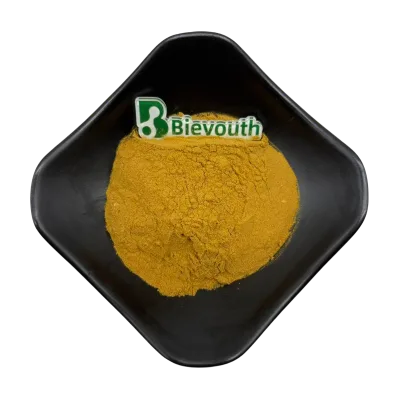
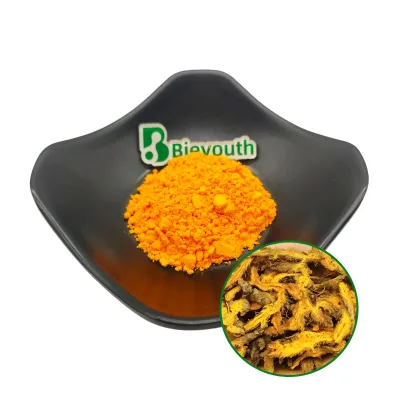
Supplement Ingredient High Quality Dihydroberberine Powder 97% Coptis Chinensis Extract
$417.30 - $437.66
MOQ: 1 Minimum
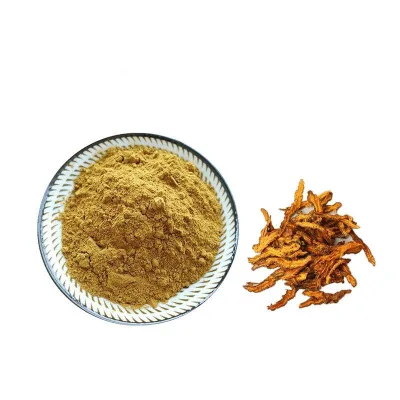
Wholesale Bulk Coptis Chinensis Extract Powder 97% Berberine HCL Powder
$90.00 - $102.00
MOQ: 1 Minimum


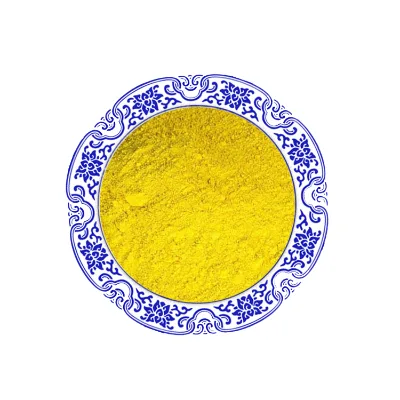

Factory Bulk Export Chinensis Root Powder Natural Coptis Root Extract
$10.00 - $35.00
MOQ: 25 kilograms

Wholesale Bulk Stock Chinensis Root Powder Natural Price Coptis Root Extract
$10.00 - $35.00
MOQ: 25 kilograms

Factory Direct Best Price High Quality 98% Berberine Hydrochloride Powder Coptis Chinensis Extract
$100.00 - $125.00
MOQ: 1 kilograms






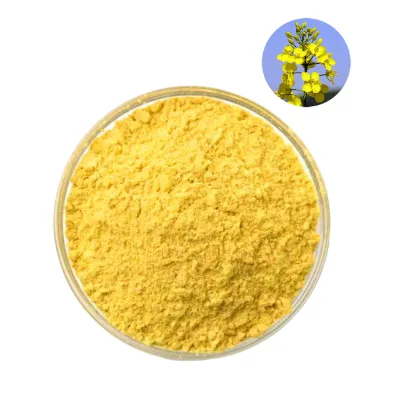
Wholesale Plant Brassica Napus Rape Flower Rapeseed Pollen Powder Natural Rape Pollen Powder
$20.54 - $28.76
MOQ: 1 Minimum
$20.57 - $51.42
MOQ: 1 Minimum
Comprehensive Sourcing Guide
Artificial Planting Coptis Powder Sourcing Guide
Sourcing high-quality herbal extracts requires a disciplined approach to verifying origin, extraction methods, and purity levels. When targeting Artificial Planting Coptis Powder, buyers must navigate a market where cultivation methods directly influence the consistency of active ingredients such as berberine. The distinction between wild-harvested and artificially planted sources is critical for supply chain stability and regulatory compliance. Artificial planting ensures a controlled environment that mitigates the risks of environmental contamination and supply volatility associated with wild foraging. This guide provides evidence-based procurement strategies to help buyers identify reliable suppliers and verify product integrity without relying on unverified marketing claims.
The following sections outline the technical, commercial, and operational considerations necessary for successful procurement. By focusing on observable listing signals and verifiable specifications, buyers can construct a robust supplier evaluation framework. This approach minimizes the risk of receiving substandard materials and ensures that the final product meets the stringent requirements of food, health food, and pharmaceutical applications. The guidance herein is derived from observed market data and established industry practices, providing a practical roadmap for sourcing decisions.
Product Scope and Observed Listing Signals
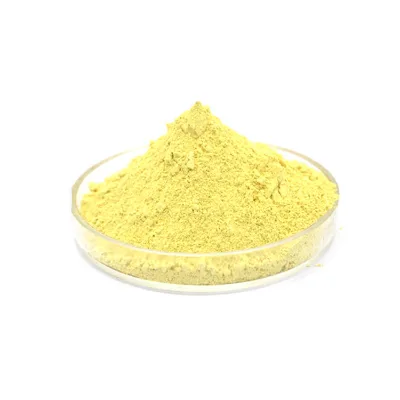
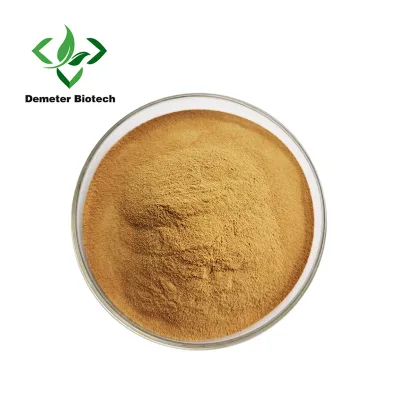
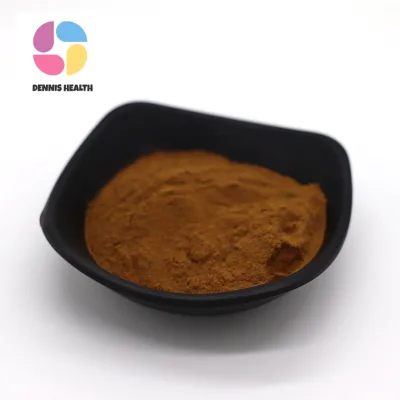
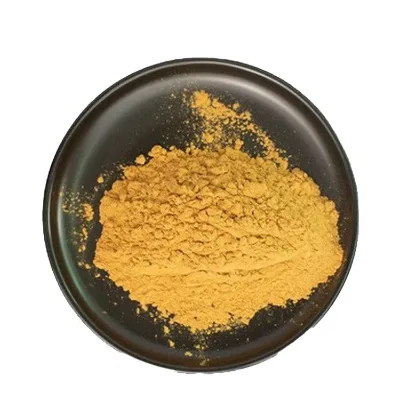
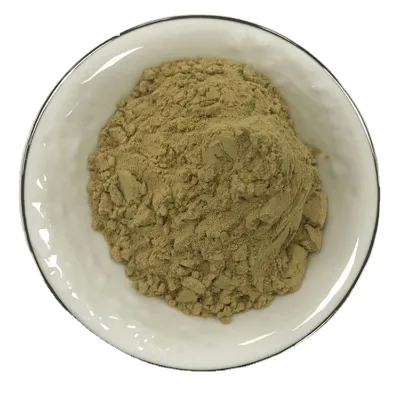
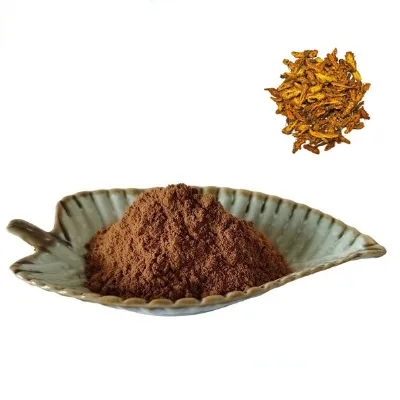
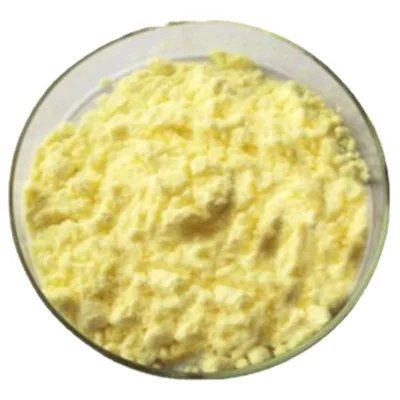
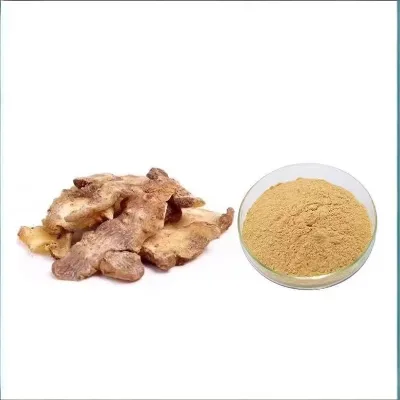
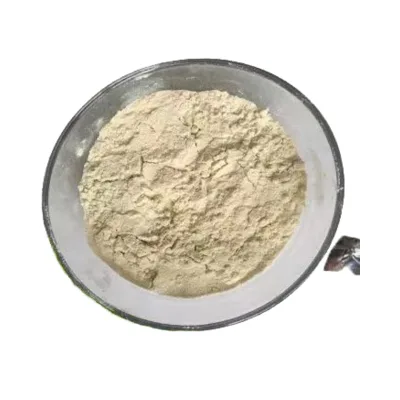
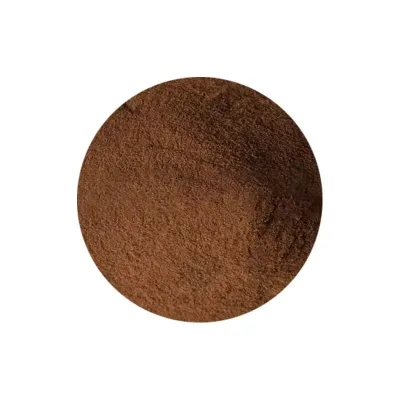
The current market for coptis chinensis extracts presents a diverse range of product formats, primarily centered around powdered forms derived from specific plant parts. Observed listings indicate that the raw material often originates from the seed or fruitbody of the Coptis chinensis plant, with artificial planting being a documented cultivation method for some suppliers. The physical appearance of these powders varies, with common observations including brown, yellow, or orange fine powders. These visual characteristics are often linked to the extraction process and the specific part of the plant used, providing an initial, albeit superficial, indicator of product type. Buyers should note that color alone is not a definitive proof of purity or concentration, but it serves as a basic quality check against expected standards for the specific extract variant.
Pricing and minimum order quantities (MOQ) in this category exhibit significant variance, reflecting differences in extraction ratios, purity levels, and supplier scale. Observed price points range widely, suggesting that products labeled with similar names may differ substantially in active ingredient content. For instance, some listings offer standard herbal extracts with lower concentration ratios, while others provide highly purified compounds like dihydroberberine or berberine powder with specified purity levels such as 99%. The MOQs also vary, with some suppliers offering small quantities for sampling and others requiring bulk purchases for industrial applications. Understanding these variations is essential for budgeting and inventory planning, as the cost per unit of active ingredient can differ dramatically between a 10:1 extract and a 99% pure powder.
Technical Specifications to Verify
Verification of technical specifications is the cornerstone of quality assurance in herbal extract procurement. Buyers must insist on detailed certificates of analysis (COA) that confirm the concentration of active ingredients, such as berberine or coptis chinensis extract. The extraction type is a critical technical parameter, with methods like spray drying, solvent extraction, and liquid-solid extraction yielding different product profiles. Spray drying is often associated with preserving heat-sensitive compounds, while solvent extraction may be used for higher purity isolates. The ratio of the extract, commonly denoted as 10:1, 20:1, or 30:1, indicates the amount of raw plant material required to produce one unit of extract. Buyers should verify that the stated ratio aligns with the actual active ingredient content, as higher ratios do not always guarantee higher potency if the extraction efficiency is low.
Packaging and storage conditions play a vital role in maintaining the stability and shelf life of the powder. Observed data indicates that products are typically packaged in drums or bags, with outer cartons providing additional protection. The recommended storage conditions are consistently listed as cool, dry places, which is crucial for preventing moisture absorption and microbial growth. The shelf life of these products is generally around two years, provided they are stored correctly. Buyers should verify the integrity of the packaging upon receipt, ensuring that double food-grade plastic bags are intact and that the outer drums or cartons show no signs of damage. Additionally, the single gross weight and package dimensions should be checked to ensure they match the supplier’s declarations, which is important for logistics planning and cost calculation.
Compliance and Safety Documentation
Compliance with international and regional standards is non-negotiable for herbal extract suppliers. Buyers must request documentation that verifies the product’s adherence to food safety and quality management systems. While specific certification statuses can vary by supplier, the presence of ISO 9001 for quality management and ISO 22000 for food safety management is a strong indicator of a supplier’s commitment to consistent quality. These certifications ensure that the manufacturing process is controlled and that risks are systematically managed. Buyers should also inquire about Good Manufacturing Practice (GMP) compliance, which is particularly important for products intended for health food or pharmaceutical applications. The absence of these certifications does not necessarily indicate poor quality, but it requires more rigorous due diligence on the part of the buyer.
Regulatory compliance extends to the specific ingredients and contaminants present in the powder. Buyers must ensure that the product does not contain prohibited substances or heavy metals that exceed regulatory limits. The active ingredient, often derived from Coptis chinensis, must be clearly identified and quantified in the documentation. For products claiming high purity, such as 99% berberine, the COA should include detailed chromatographic data to confirm the absence of impurities. Additionally, buyers should verify that the product is labeled correctly according to the destination market’s regulations, including allergen declarations and nutritional information if applicable. The resource source, whether natural or artificially planted, should also be accurately documented to meet labeling requirements and consumer expectations.
Cost Drivers and Commercial Terms
The cost of coptis powder is influenced by several key factors, including the extraction ratio, purity level, and the scale of production. Higher purity products, such as 99% berberine, typically command a premium price compared to standard herbal extracts. The extraction method also impacts cost, with solvent extraction and liquid-solid extraction potentially being more resource-intensive than simple drying processes. Buyers should consider the total cost of ownership, which includes not only the unit price but also shipping, insurance, and potential tariffs. The observed price range of $4.89 to $2034 USD highlights the importance of comparing apples to apples when evaluating quotes, as the price per kilogram of active ingredient is a more meaningful metric than the price per kilogram of raw powder.
Commercial terms such as payment methods, lead times, and return policies are critical components of the procurement agreement. Buyers should negotiate clear terms that protect their interests, including provisions for quality disputes and product recalls. The availability of samples is a valuable commercial term, allowing buyers to test the product before committing to a large order. However, buyers should be aware that sample prices may be higher than bulk prices. Lead times can vary significantly depending on the supplier’s inventory and production schedule, so it is essential to confirm delivery timelines before placing an order. Understanding these commercial dynamics helps buyers manage cash flow and supply chain risks effectively.
Supplier Qualification and Quality Control
Supplier qualification involves a thorough assessment of the supplier’s capabilities, reputation, and quality control systems. Buyers should verify the supplier’s business license, manufacturing facilities, and export history. A supplier with a long-standing presence in the market and a diverse customer base is generally more reliable than a new entrant. Quality control systems should be transparent and well-documented, with clear procedures for raw material inspection, in-process control, and final product testing. Buyers should request information on the supplier’s testing laboratory, including the equipment used and the qualifications of the personnel. This information helps assess the reliability of the test results provided in the COA.
On-site audits or third-party inspections are recommended for high-value contracts or new supplier relationships. These audits provide direct insight into the supplier’s operational practices, hygiene standards, and adherence to declared specifications. Buyers should also evaluate the supplier’s customer service and responsiveness, as these factors are crucial for resolving issues that may arise during the procurement process. A supplier that is proactive in communicating potential delays or quality concerns is more likely to be a reliable long-term partner. Building a strong relationship with a qualified supplier can lead to better pricing, priority production, and improved support for future orders.
Long-Term Procurement Checks
Long-term procurement success depends on continuous monitoring and periodic re-evaluation of suppliers and products. Buyers should establish a schedule for regular quality audits and performance reviews to ensure that suppliers maintain their standards over time. Market trends and regulatory changes can impact the availability and compliance of herbal extracts, so buyers must stay informed about these developments. Regular communication with suppliers can help identify potential issues early and foster a collaborative relationship. Buyers should also consider diversifying their supplier base to mitigate the risk of supply disruptions.
Data collection and analysis are essential for optimizing the procurement process. Buyers should track key performance indicators such as on-time delivery, product quality, and supplier responsiveness. This data can be used to identify trends, negotiate better terms, and make informed decisions about supplier selection. By maintaining a disciplined approach to procurement, buyers can ensure a steady supply of high-quality coptis powder that meets their business needs and regulatory requirements. The goal is to build a resilient supply chain that can adapt to changing market conditions while maintaining the highest standards of quality and compliance.
FAQs
What is the appearance of Artificial Planting Coptis Powder?
The product appears as a brown yellow powder or yellow fine powder depending on the specific extract type. This visual characteristic is consistent across the listed herbal extracts including Coptis Chinensis varieties found in the catalog.
How is the Artificial Planting Coptis Powder stored?
Store the powder in a cool dry place or cool dried storage to maintain quality. The shelf life is typically 24 months or 2 years when kept under these proper storage conditions as specified for the herbal extracts.
Which specifications are available for the coptis powder?
Available specifications include ratios like 10:1, 20:1, and 30:1 for extracts, as well as purity levels such as 98% or 99%. These variations allow buyers to select the concentration that fits their specific food or health food applications.
Can I find Artificial Planting Coptis Powder with customization?
Yes, customization is available for certain products in the catalog. Buyers can request specific packaging or formulation adjustments, though the core material remains derived from artificial planting methods as indicated in the product attributes.
What is the packaging format for the coptis powder?
The powder is packaged in drums or bags, typically 1kg per bag and 25kg per drum. Some listings also mention double food plastic bags inside cartons to ensure safety and compliance with food grade standards during transport.
Where is the Artificial Planting Coptis Powder sourced from?
The product originates from Shaanxi, China, as stated in the place of origin details. This location is the primary source for the artificial planting methods used to cultivate the Coptis Chinensis and related herbal materials.
How is the coptis powder extracted?
Extraction methods include spray drying, solvent extraction, and liquid-solid extraction depending on the specific product type. These processes convert the raw plant parts into the final powder form suitable for food and health applications.