Source Ash Wood Dining Bar Stool for Hotel Restaurant Home
Compare 30 Ash Wood Dining Bar Stool options from verified suppliers. Explore varying designs, materials, and prices to find the perfect seating for hotels, restaurants, and home dining areas; compare the available evidence and request quotations based on your requirements.
Key considerations
Products List


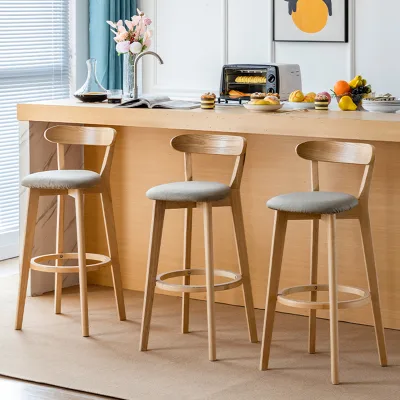


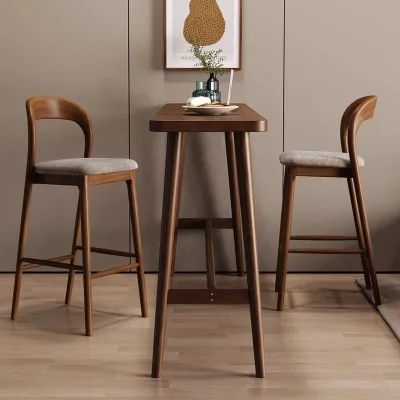


Restaurant Bar Dining Chairs Modern Style High Bar Stools for Dining Room
$50.00 - $150.00
MOQ: 1 Pieces


Comprehensive Sourcing Guide
Ash Wood Dining Bar Stool Sourcing Guide
Sourcing ash wood dining bar stools requires a nuanced understanding of material properties, structural integrity, and aesthetic versatility. Ash is prized for its straight grain, durability, and ability to take stains and finishes evenly, making it a preferred choice for both modern and traditional dining environments. Buyers must distinguish between solid ash construction and veneer applications, as this significantly impacts longevity and repairability. The visual appeal of ash, ranging from creamy white to light brown, allows for flexible design integration in hotels, restaurants, and high-end residential spaces.
Procurement decisions should also account for the specific dimensions and ergonomic requirements of bar stools, which vary by application height. Standard bar heights typically range from 65 to 75 centimeters, while counter heights are lower. Buyers need to verify seat depth, backrest angle, and footrest placement to ensure comfort during extended use. Additionally, the finish type—whether matte, gloss, or oil-treated—affects maintenance requirements and resistance to spills, which is critical for hospitality settings. Understanding these physical attributes ensures the selected stools meet both functional and aesthetic goals.
Product Scope and Observed Listing Signals
The current market landscape for ash wood bar stools shows a diverse range of offerings, with prices typically spanning from $15 to $500 USD depending on complexity and material grade. Minimum order quantities (MOQs) vary widely, often starting at 1-200 units, allowing flexibility for both small boutique hotels and large commercial projects. Many suppliers offer customization options, including bespoke dimensions, upholstery choices, and wood finishes, catering to specific brand identities. This variability requires buyers to clearly define their project needs early in the sourcing process to avoid misalignment with supplier capabilities.
Observed listings frequently highlight features such as removable covers, high-density foam padding, and sturdy metal or wooden legs. Some products are marketed with certifications like ISO9001 and ISO14001, indicating a commitment to quality management and environmental standards. However, buyers should verify these claims independently, as not all listed products may hold active certifications. The presence of OEM and ODM services suggests that many manufacturers are equipped to handle custom designs, but this often involves longer lead times and higher MOQs. Understanding these signals helps buyers filter suppliers effectively.
Technical Specifications to Verify
When evaluating ash wood bar stools, buyers must scrutinize technical specifications to ensure structural integrity and aesthetic consistency. Key parameters include wood species verification, as some suppliers may substitute ash with cheaper alternatives like poplar or rubberwood. The joinery method, whether mortise and tenon, dowel, or screw-fixed, significantly affects durability. Buyers should request detailed drawings or CAD files to confirm dimensions, especially for the seat height, backrest angle, and footrest placement. These measurements must align with ergonomic standards for the intended use case, whether for casual dining or formal hospitality environments.
Upholstery materials and padding density are also critical technical aspects. High-density foam is commonly used for comfort, but buyers should verify the foam’s density rating (e.g., 30-40 kg/m³) to ensure longevity and resistance to sagging. The cover material, whether leather, PU, or fabric, should be tested for abrasion resistance and colorfastness. Additionally, the finish type and application process should be specified to ensure uniformity across batches. Buyers should request samples to assess the tactile quality of the wood and upholstery, as well as the overall build quality, before committing to large orders.
Compliance and Safety Documentation
Compliance with safety and environmental standards is paramount when sourcing ash wood bar stools, particularly for commercial applications. Buyers should verify that suppliers hold relevant certifications, such as ISO9001 for quality management and ISO14001 for environmental management. These certifications indicate a systematic approach to production quality and sustainability. Additionally, furniture safety standards, such as those from BIFMA or EN, should be checked to ensure the stools meet structural stability and load-bearing requirements. Buyers must request test reports or certificates of compliance to validate these claims, as marketing materials may not always reflect current certification status.
Environmental compliance is another critical area, especially with increasing scrutiny on sustainable sourcing. Buyers should inquire about the origin of the ash wood, ensuring it comes from responsibly managed forests certified by FSC or PEFC. Formaldehyde emissions from adhesives and finishes should also be assessed, particularly for indoor use. Suppliers should provide Material Safety Data Sheets (MSDS) for any chemical treatments applied to the wood or upholstery. By prioritizing compliance, buyers mitigate legal risks and enhance their brand’s reputation for sustainability and safety.
Cost Drivers and Commercial Terms
Several factors influence the cost of ash wood dining bar stools, including material quality, design complexity, and order volume. Solid ash construction is more expensive than veneer or composite alternatives, while intricate joinery and custom finishes add to production costs. Buyers should negotiate based on clear specifications to avoid hidden charges for minor adjustments. Lead times typically range from 20 to 25 days, but this can extend for custom orders or during peak production seasons. Understanding these variables helps buyers plan inventory and manage cash flow effectively.
Commercial terms, such as payment methods, shipping arrangements, and warranty coverage, also impact the total cost of ownership. Buyers should seek favorable payment terms, such as a deposit with balance upon shipment, to mitigate financial risk. Shipping costs can be significant, so consolidating orders or negotiating FOB terms may reduce expenses. Warranty periods, often around three years, should be clearly defined, covering defects in materials and workmanship. Buyers should also clarify responsibilities for damage during transit and procedures for handling claims, ensuring a smooth post-purchase experience.
Supplier Qualification and Quality Control
Supplier qualification is a critical step in sourcing ash wood bar stools, requiring a thorough assessment of manufacturing capabilities and quality control processes. Buyers should verify the supplier’s production capacity, equipment, and workforce expertise to ensure they can meet order volumes and deadlines. Factory audits, either on-site or virtual, provide insights into production standards, cleanliness, and organizational efficiency. Suppliers with established OEM/ODM experience are often more reliable for custom projects, but buyers should review their portfolio to assess consistency and attention to detail.
Quality control measures should be integrated into the procurement process, starting with pre-production samples and continuing through final inspections. Buyers should define clear acceptance criteria for wood grain matching, finish uniformity, and structural stability. Third-party inspection services can provide objective assessments before shipment, reducing the risk of receiving substandard goods. Establishing a robust quality control protocol helps maintain product consistency across batches and ensures that the final delivery meets the buyer’s expectations. Regular communication with suppliers during production can also help identify and resolve issues early.
Long-Term Procurement Checks
Long-term procurement success depends on continuous monitoring of supplier performance and market trends. Buyers should establish key performance indicators (KPIs) for delivery times, product quality, and responsiveness to address any deviations promptly. Regular feedback loops with suppliers foster collaboration and drive continuous improvement. Additionally, staying informed about changes in wood availability, pricing trends, and regulatory requirements helps buyers anticipate potential disruptions and adjust sourcing strategies accordingly. Building strong relationships with reliable suppliers ensures stability and flexibility in the supply chain.
Sustainability and innovation are also key considerations for long-term procurement. Buyers should encourage suppliers to adopt eco-friendly practices, such as using sustainable wood sources and low-VOC finishes. Exploring new design trends and material innovations can keep product offerings fresh and competitive. Regularly reviewing and updating procurement policies ensures alignment with evolving business goals and customer expectations. By prioritizing long-term partnerships and strategic planning, buyers can secure a reliable supply of high-quality ash wood bar stools that support their brand’s growth and reputation.
FAQs
What materials are used for ash wood dining bar stools?
Ash wood dining bar stools typically use solid wood frames combined with high-density foam padding and fabric or leather covers. Some models feature stainless steel legs for added durability. The upholstery often includes removable covers for easy cleaning and maintenance in various settings.
Can I customize the design of ash wood dining bar stools?
Yes, customization is available for ash wood dining bar stools to meet specific project needs. Buyers can request custom dimensions, colors, and upholstery materials. OEM and ODM services are offered to support unique design requirements for hotels, restaurants, and home applications.
What is the typical lead time for ordering ash wood dining bar stools?
The standard lead time for ordering ash wood dining bar stools ranges from 20 to 25 days after order confirmation. This duration accounts for manufacturing, quality checks, and packaging. Expedited options may vary depending on the specific supplier capacity and current production schedules.
Which certifications do Ash Wood Dining Bar Stool manufacturers hold?
Manufacturers of ash wood dining bar stools often hold ISO9001 and ISO14001 certifications for quality and environmental management. Some products also comply with ISOCCC standards. These certifications ensure that the furniture meets international safety and production quality benchmarks for commercial use.
How much is the minimum order quantity for ash wood dining bar stools?
The minimum order quantity for ash wood dining bar stools typically starts at 30 sets. Some suppliers may accept orders as low as one set for sample purposes. Bulk orders often benefit from better pricing tiers and more flexible shipping arrangements for international buyers.
What warranty is provided for ash wood dining bar stools?
Ash wood dining bar stools usually come with a three-year warranty covering structural defects and material issues. This warranty ensures long-term reliability for commercial environments like hotels and restaurants. Buyers should verify specific terms with the supplier to understand coverage limits and exclusions.
Where are ash wood dining bar stools manufactured?
Ash wood dining bar stools are primarily manufactured in China, with production facilities located in Guangdong and Shanghai. These regions offer established supply chains for wood processing and furniture assembly. Export ports like Shenzhen and Guangzhou facilitate efficient shipping to global markets.