Source Aseptic Lyophilized Powder Filling Machine for Juice, Dairy, and Cosmetics
Compare 30 aseptic lyophilized powder filling machines from verified Chinese suppliers. These units support applications in fruit juice, dairy products, and cosmetics with options for rotary or single-head filling systems.
Key considerations
Products List

Kfg-2b Automatic Aseptic Powder Packaging & Capping Machine Powder Filling Machine
$44500.00 - $100000.00
MOQ: 1 Set


$4000.00 - $8000.00
MOQ: 1 Pieces


Semi Automatic Powder Filling Machine Manufacturer Aseptic Bag Filling
$20000.00 - $150000.00
MOQ: 1 Sets


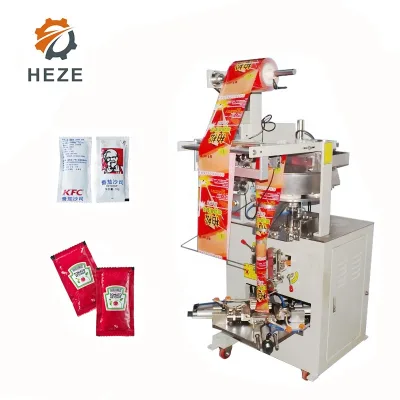


Aseptic Pharmaceutical Vial Filling Machine Dosing and Stoppering Machine
$45000.00 - $75000.00
MOQ: 1 set

Low Speed Aseptic Vial Powder Filling Sealing Machine Production Line
$100000.00 - $320000.00
MOQ: 1 set

Aseptic Vial Washing Filling Stoppering Capping Machine Filling Line
$100000.00 - $400000.00
MOQ: 1 set

Aseptic Pharmaceutical Automatic High Accuracy Dry Powder Filling Machine
$13500.00 - $23000.00
MOQ: 1 Pieces

Aseptic GMP Standard Automatic FDA Antibiotic Small Powder Filling Machine
$13500.00 - $23000.00
MOQ: 1 Pieces

Machine for Vial Range 7-250ml Automatic Aseptic Injection Vial Powder Filling Machine
$13500.00 - $23000.00
MOQ: 1 Pieces

Fully Automatic and Efficient Aseptic Machine Line Carbonated Drink Aseptic Filling
$700000.00 - $3000000.00
MOQ: 1 Sets

Fully Automatic and Efficient Aseptic Filling Machine Aseptic Filling Production Line
$700000.00 - $3000000.00
MOQ: 1 Sets
Comprehensive Sourcing Guide
Strategic Sourcing Guide for Aseptic Lyophilized Powder Filling Systems
The procurement of aseptic lyophilized powder filling machines represents a critical investment for pharmaceutical, biotechnology, and advanced food processing sectors. These systems are engineered to handle sensitive dry materials under sterile conditions, ensuring product integrity from the filling stage through to final packaging. Unlike standard liquid filling equipment, lyophilized powder systems must address unique challenges such as powder flowability, static electricity, and the prevention of microbial contamination during the transfer of freeze-dried cakes or granules into containers. This guide synthesizes available market data and technical requirements to assist buyers in navigating the complex landscape of sourcing these high-precision assets.
Technical Specifications and Operational Mechanics
When evaluating potential machinery, the core technical specifications must align with the specific physical properties of the lyophilized product. The observed market data indicates a diversity in automation levels, ranging from fully automatic systems to semi-automatic configurations. For high-volume production lines, an Automatic Grade is typically preferred to minimize human intervention and reduce contamination risks. However, for pilot batches or specialized small-batch production, Semi-Automatic units may offer sufficient flexibility.
The filling mechanism is a pivotal component. The data highlights the prevalence of Rotary structures and Rotor dosing devices, which are essential for handling powders with varying densities. The Filling Principle often cited in this category is Atmospheric Pressure, which relies on gravity and pressure differentials to dispense material. Buyers must verify if the machine utilizes a Single-Head or multi-head configuration, as this directly impacts throughput. The Feed Cylinder Structure is another critical observation; Single-Room Feeding systems are common, but the design must ensure consistent powder flow without bridging or rat-holing, which are common issues with lyophilized cakes.
Capacity and precision are non-negotiable. The market offers machines with specific volume ranges, such as 2-20ml, 30-100ml, and 100-250ml, though these often refer to liquid equivalents or specific container sizes. For powder applications, weight-based precision is often more relevant, with some semi-automatic units rated for 1-5000g capacities. The Finished Dosage Form is explicitly noted as Powder, confirming the machine's suitability for freeze-dried products. The structural integrity of the machine is paramount, with Stainless Steel 304 being the standard raw material for product contact surfaces to ensure corrosion resistance and ease of cleaning.
Compliance, Certification, and Regulatory Standards
In the pharmaceutical and aseptic processing sectors, regulatory compliance is the primary gatekeeper for procurement. A machine lacking proper certification is effectively unusable for commercial production in regulated markets. The observed data consistently lists CE, GMP, and ISO certifications as standard attributes for these machines. The CE mark indicates conformity with health, safety, and environmental protection standards for products sold within the European Economic Area. GMP (Good Manufacturing Practice) certification is essential for pharmaceutical applications, ensuring that the equipment is designed and operated to consistently produce products meeting quality standards. ISO certification, particularly ISO 9001, validates the manufacturer's quality management systems.
Buyers must verify that the Product Standard explicitly meets these requirements. The data mentions CE as a specific product standard, but it is crucial to confirm that the specific model, such as the KFG-2B, DH-Q2, or JPM-NJS-FS, carries valid, up-to-date documentation. The Voltage requirements vary, with 220V and 220/380V options available. Procurement teams must ensure the machine's electrical specifications match the facility's power infrastructure to avoid costly retrofits. Furthermore, the Computerized nature of these machines implies the need for robust software controls, data logging, and user access management to meet 21 CFR Part 11 or equivalent data integrity regulations.
Cost Drivers and Pricing Dynamics
The pricing landscape for aseptic lyophilized powder filling machines is highly variable, reflecting the complexity of the engineering and the degree of customization required. The observed price range spans from approximately $2,548 to $3,000,000. This vast disparity is not indicative of quality differences alone but rather the scale, automation level, and specific functional capabilities of the unit. Entry-level semi-automatic machines, often used for R&D or small-scale production, occupy the lower end of this spectrum. In contrast, fully automatic aseptic filling systems with integrated sterilization, complex rotary dosing, and advanced computerized controls command prices in the hundreds of thousands or millions.
Several factors drive these costs. First, the Customized nature of the equipment is a significant cost driver. Many buyers require specific adaptations for container types, such as Bottle or Bag formats (e.g., 220 Bag), or specific filling volumes. The Packaging Material for the machine itself, often Plywooden Case or Wooden Carton, adds to the logistical cost but is necessary for safe international transport. The Condition of the machine, typically listed as New, ensures that the buyer receives a unit with full warranty and no hidden wear, which is critical for maintaining aseptic integrity.
Typical Applications and Process Versatility
While the core keyword focuses on lyophilized powder, the observed data reveals a broader application scope for these machines. The Process Type is broadly defined as Filling, but the versatility extends to various industries. The Application list includes Drinks, Dairy Products, Cosmetics, Oil, and Cleaning Detergents. This suggests that the underlying mechanical principles of these machines are adaptable to different viscosities and material types.
Specific models are noted for handling Fruit/Vegetable Juice & Paste, Tomato Paste, Apple Pulp, and Guava Pulp. While these are primarily liquid or semi-solid applications, the Aseptic Filling Machine designation implies that the same platforms can be configured for dry, sterile powders. The Product Name "Aseptic Filling System" reinforces the capability to maintain sterility. For lyophilized powder specifically, the machine must be capable of handling the Finished Dosage Form of Powder without compromising the cake structure. The Filling Valve Head configuration, often Single-Head, must be selected carefully to prevent powder compaction or breakage during the filling process.
Supplier Evaluation and Origin Verification
When sourcing these machines, the origin of the equipment is a key factor in logistics and after-sales support. The data indicates that the Product Origin is predominantly China, with specific mentions of Shanghai, China as a manufacturing hub. This region has a mature ecosystem for pharmaceutical machinery, offering a wide range of models from KFG-2B to JPM-NJS-FS.
Buyers should prioritize suppliers who provide comprehensive After-Sales Service. The data explicitly mentions that Engineers Available to Service Machinery Overseas is a standard offering. This is critical for aseptic machines, where downtime can result in significant product loss. The Customization availability is another indicator of supplier capability; a supplier that offers Customized solutions is more likely to adapt the machine to specific facility constraints or unique product requirements. The Production Model numbers, such as DH-Q1-DT or DCS-1B-321, serve as unique identifiers for the buyer to track specific configurations and spare parts availability.
Quality Control and Packaging Integrity
Quality control in the procurement process extends beyond the machine's operation to its packaging and transport. The Product Packing methods observed include Plywooden Case, Wooden Carton, and Plywood Wooden Carton. These robust packaging methods are designed to protect the machine during international shipping, which is essential given the precision of the internal components. The Packaging Container Lifting Structure, often Pneumatic Lifting, ensures that the machine can be safely moved and installed within the facility without damage.
During the operational phase, quality control focuses on the Precision of the filling process. The machines are described as High Precision, which is vital for maintaining dosage accuracy in pharmaceutical applications. Buyers should verify the Standard of the machine, ensuring it meets the CE and ISO criteria mentioned in the specifications. The Raw Material being Stainless Steel 304 is a baseline requirement for hygiene, but buyers should also inspect the surface finish and weld quality to ensure there are no crevices where bacteria could accumulate.
Long-Term Procurement Considerations
Sourcing an Aseptic Lyophilized Powder Filling Machine is a long-term commitment that requires careful consideration of lifecycle costs and operational sustainability. The MOQ (Minimum Order Quantity) for these machines is typically 1, allowing for the procurement of a single unit for pilot lines or specific production needs. However, the Lead Time and Production Capacity (noted as 4T per hour for some models) must be factored into the production planning.
Buyers should consider the Voltage compatibility and the Computerized interface for future scalability. As production volumes grow, the ability to upgrade from a Semi-Automatic to an Automatic system or to add additional heads may be necessary. The Customization options available at the time of purchase can significantly impact the machine's longevity and adaptability to new product lines. Finally, the availability of spare parts and the reputation of the supplier for providing Engineers Available to Service Machinery Overseas are critical for maintaining operational continuity over the machine's lifespan.
| Feature Category | Observed Specification | Procurement Verification Point |
|---|---|---|
| Automation Grade | Automatic / Semi-Automatic | Match production volume needs |
| Certification | CE, GMP, ISO | Verify current validity and scope |
| Material | Stainless Steel 304 | Inspect surface finish and welds |
| Filling Principle | Atmospheric Pressure | Confirm suitability for powder flow |
| Dosing Device | Rotor | Check for powder bridging prevention |
| Voltage | 220V / 220/380V | Ensure facility power compatibility |
| Origin | China (Shanghai) | Assess logistics and service response time |
| After-Sales | Engineers Available Overseas | Confirm response time and travel costs |
In conclusion, the procurement of aseptic lyophilized powder filling machines requires a meticulous approach that balances technical specifications, regulatory compliance, and long-term operational support. By leveraging the observed data on automation, certification, and material standards, buyers can make informed decisions that ensure the acquisition of equipment capable of maintaining the highest standards of product quality and safety.
FAQs
What automation grades are available for these machines?
Both Automatic and Semi-Automatic grades are available in the market. Automatic units minimize human intervention for high-volume lines, while Semi-Automatic configurations offer flexibility for pilot batches or specialized small-batch production needs.
Which certifications are standard for pharmaceutical filling equipment?
Standard certifications include CE, GMP, and ISO marks. These ensure conformity with safety standards, Good Manufacturing Practice for pharmaceutical applications, and validated quality management systems required for commercial production in regulated markets.
Can these machines handle different container types like bottles?
Yes, the machines support various packaging containers including bottles and bags. Specific models are configured for formats like 220 bags or standard bottles, with customization options available to adapt to unique facility constraints.
What is the typical voltage requirement for this machinery?
Voltage requirements typically include 220V or 220/380V options. Procurement teams must verify that the machine's electrical specifications match the facility's power infrastructure to avoid costly retrofits during installation.
How is the filling precision managed for powder products?
The machines are designed for high precision with specific volume ranges like 2-20ml or weight capacities up to 5000g. Rotary structures and rotor dosing devices ensure consistent powder flow and accurate dosage for freeze-dried cakes.
Where are these machines typically manufactured and shipped from?
Products originate primarily from China, with Shanghai being a noted manufacturing hub. Buyers should verify the product origin to ensure logistics compatibility and confirm the availability of overseas engineering services for after-sales support.