Source Asian Zen Borosilicate Glass Teapot for Tea, Brewing, and Serving
Compare 30 listings of Asian Zen Borosilicate Glass Teapot options featuring various capacities, certifications, and customization. Buyers can evaluate models like TP09 and SSKettle-015 for food usage and eco-friendly designs; compare the available evidence and request quotations based on your requirements.
Key considerations
Products List


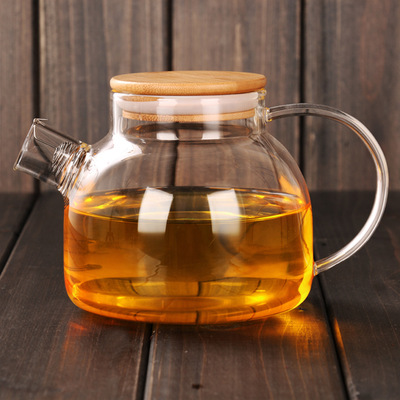
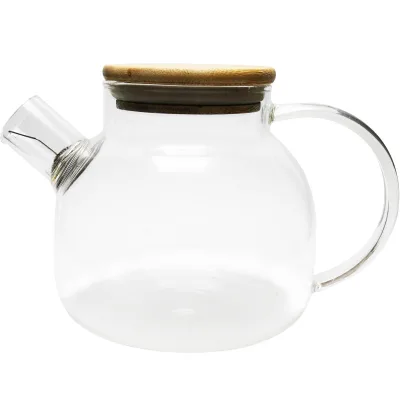


Wholesale High Borosilicate Glass High Temperature Resistance Glass Teapot
$3.86 - $4.28
MOQ: 1000 Pieces


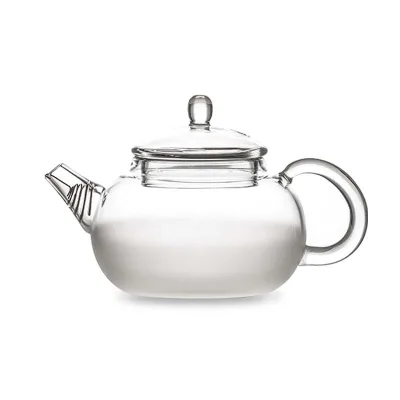
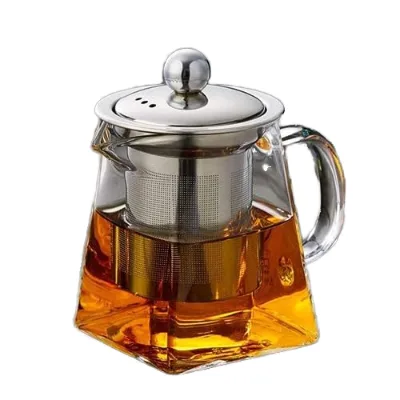
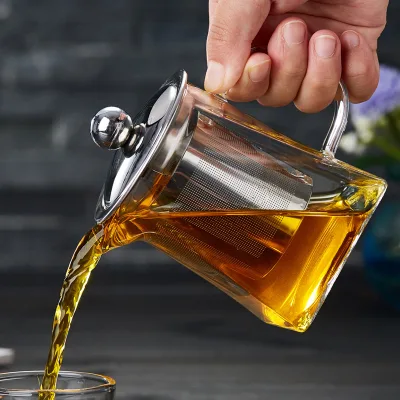
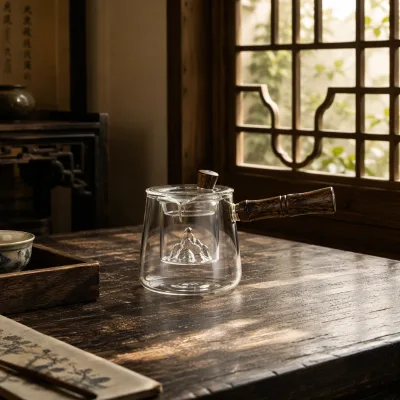
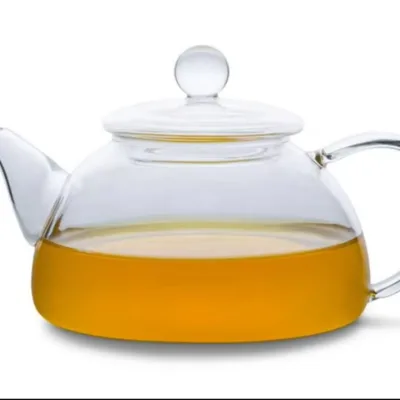
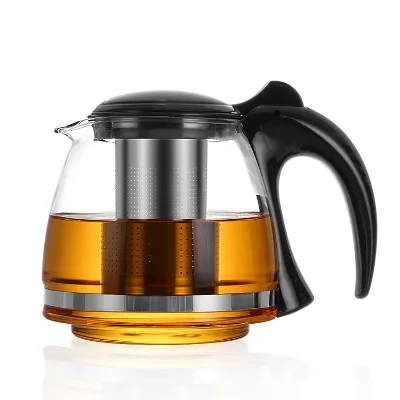
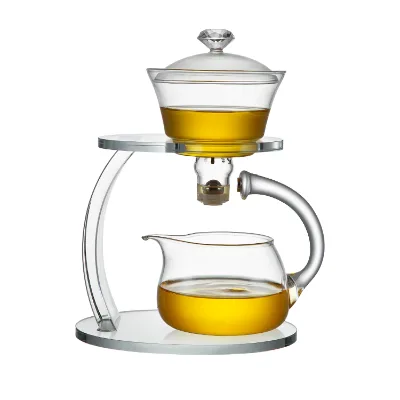


Clear Borosilicate Glass Teapot Handmade Heat Resistant Glass Handle Teapot
$2.79 - $4.49
MOQ: 500 Pieces


Classical Design High Borosilicate Glass Teapot Set, Tea Pot with Filter
$2.79 - $4.49
MOQ: 500 Pieces

Wholesale Borosilicate Glass Tea Pot Heat Resistant Glass Teapot with Infuser
$2.79 - $4.49
MOQ: 500 Pieces


Comprehensive Sourcing Guide
Asian Zen Borosilicate Glass Teapot Sourcing Guide
Sourcing Asian Zen borosilicate glass teapots requires identifying suppliers who specialize in hand-blown craftsmanship and specific thermal resistance profiles. The observed market data indicates a strong presence of manufacturers in Hebei, China, offering models like TP09 and TP107 that feature clear or multicolor finishes. Buyers must distinguish between standard glass and true borosilicate variants, as the latter is essential for withstanding the thermal shock of boiling water without cracking.
Procurement decisions should prioritize suppliers who explicitly list temperature tolerances between -15°C and 150°C, ensuring the vessel can handle direct heating methods. The product listings reveal a variety of capacities ranging from 400ml to 1000ml, allowing buyers to select sizes that match their specific serving needs. Verifying the material composition is critical, as the "Glass" attribute alone does not guarantee the durability required for high-temperature tea brewing applications.
Product Scope and Observed Listing Signals
The current market offers a diverse range of teapot models, including specific SKUs like SSKettle-015 and various TP series units, each with distinct volume standards. Listings frequently highlight features such as eco-friendly materials and water transfer logo customization, which are vital for branding strategies. Buyers should note that while some products come with glass infusers and lids, others may be sold as single units or in sets of one to three pieces, affecting the final packaging and unit economics.
Pricing signals in the observed range of 0.9 to 17.5 USD suggest significant variation based on customization levels and packaging complexity. Some suppliers offer color boxes with bubble bags, while others utilize foam boxes or white boxes, directly impacting shipping costs and product protection. The presence of "Folded: Unfolded" attributes indicates that certain designs may have collapsible elements, requiring careful verification of the structural integrity before committing to large orders.
Technical Specifications to Verify
Dimensional and weight tolerances are critical parameters that define the precision of the manufacturing process, with observed standards specifying tolerances of less than ±1mm and ±1% respectively. Buyers must confirm that the specific model they select, such as the 500ml or 750ml variants, adheres to these strict dimensional limits to ensure consistent stacking and packaging efficiency. The "Handmade/Hand Blown" craft attribute implies natural variations, so verifying the acceptable tolerance range is essential for maintaining quality control standards.
Heating methods and volume capacities must align with the intended usage, as some models support chassis heating while others are designed for stovetop use only. The observed volume standards include specific increments like 470ml, 650ml, and 1L, requiring buyers to match the product to their target market's preferences. Additionally, the presence of accessories like glass infusers and lids should be confirmed in the technical specifications to ensure the teapot meets the functional requirements of the end-user.
Compliance and Safety Documentation
Safety compliance is a non-negotiable aspect of sourcing glassware intended for food contact, with LFGB and FDA certifications appearing as key indicators of material safety. Buyers must request valid certificates for these standards to ensure the glass does not leach harmful substances when exposed to hot liquids. The presence of these certifications suggests the supplier adheres to rigorous testing protocols, but verification of the specific batch numbers and certificate validity dates is necessary for due diligence.
Beyond material safety, packaging standards play a crucial role in ensuring the product arrives without damage, as indicated by the use of color boxes, bubble bags, and foam boxes. The "Color Box: Ok" attribute suggests that branded packaging is available, which can be a requirement for retail distribution. Procurement teams should verify that the packaging materials meet international shipping standards and that the gross weight of single items, such as the 0.7kg unit, is accurately declared for logistics planning.
Cost Drivers and Commercial Terms
Minimum Order Quantities (MOQs) vary significantly across the supplier base, with observed ranges spanning from 2 units to 1000 units, directly influencing the initial capital outlay. Buyers with smaller budgets may find suppliers offering MOQs of 50 or 100 units, while those seeking bulk pricing must prepare for higher volume commitments. The sales unit is typically listed as an individual commodity, but some listings mention sets of 1-3 pieces, which can alter the effective cost per unit and the total order value.
Customization options, such as water transfer logos and specific color requests, introduce additional cost variables that must be factored into the total landed cost. The "Customization: Available" and "Customized: Customized" attributes indicate that branding services are offered, but these often require higher MOQs or longer lead times. Buyers should negotiate clearly on whether the customization fee is a one-time setup cost or a per-unit surcharge to avoid unexpected expenses during the production phase.
Supplier Qualification and Quality Control
Supplier qualification should focus on verifying the origin of the products, with Hebei, China, being a primary hub for this specific type of glassware. Buyers must assess the supplier's ability to maintain consistent quality across different models, such as the TP67 and TP94 series, which may have different production lines. The "Standard: Various models can be made" attribute suggests flexibility, but it is crucial to confirm that the supplier has the capacity to handle custom orders without compromising on the hand-blown craftsmanship.
Quality control processes must be explicitly defined, particularly regarding the dimensional tolerances and weight consistency observed in the product listings. Buyers should request pre-shipment inspection reports that verify the ±1mm dimensional tolerance and the ±1% weight tolerance to ensure the products meet the agreed specifications. Establishing a clear communication channel for defect reporting and return policies is essential, especially when dealing with fragile glass items that may be susceptible to breakage during transit.
Long-Term Procurement Checks
Establishing a long-term relationship with a supplier requires regular audits of their production capabilities and adherence to the specified standards like LFGB and FDA. Buyers should monitor the consistency of the temperature tolerance range and the structural integrity of the glass over multiple production cycles to prevent quality drift. The "Style: Normal" attribute suggests a baseline design, but long-term contracts should include clauses for periodic updates to ensure the product remains competitive in the market.
Supply chain resilience is another critical factor, as the reliance on specific models like the TP13 or TP107 means that any disruption in production could impact inventory levels. Buyers should develop contingency plans that include alternative suppliers or models with similar specifications to mitigate risks. Regular reviews of the packaging methods and shipping logistics are also necessary to ensure that the product protection remains effective, especially given the fragile nature of the glass teapots.
FAQs
What certifications are available for these glass teapots?
The listed glass teapots hold LFGB and FDA certifications. These standards confirm the materials are safe for food contact and meet specific regulatory requirements for glassware. Buyers should verify the specific certification documents for their target market to ensure compliance with local import regulations and safety standards.
What volume options are available for the teapots?
Available volumes include 400ml, 470ml, 500ml, 600ml, 650ml, 750ml, 800ml, 950ml, 1000ml, and 1L. Specific models like TP09 offer 500ml, 750ml, and 950ml, while TP67 provides a wider range from 400ml to 1000ml. Selecting the right capacity depends on your intended use case and packaging constraints.
Can I customize the logo and packaging for my brand?
Yes, customization is available for both logo and packaging. You can apply a water transfer logo for OEM branding. Packaging options include color boxes with bubble bags, white boxes with bubble bags, or foam boxes. This allows you to align the product presentation with your brand identity and retail requirements.
What is the temperature resistance of the glass teapots?
The teapots are designed to withstand temperatures ranging from -15°C to 150°C. This range supports typical brewing processes and storage conditions. The glass material is eco-friendly and suitable for food use, ensuring durability under normal thermal stress without compromising safety or structural integrity.
What is the minimum order quantity for these products?
The minimum order quantity varies by supplier and specific product configuration, with observed values ranging from 2 to 1000 units. Some listings specify a minimum of 50 or 100 units. You should confirm the exact MOQ with the supplier based on the specific model, customization level, and packaging requirements you select.
What accessories are included with the glass teapots?
The teapots typically include a glass infuser and a glass lid. These accessories are essential for brewing and serving tea. The set can range from 1 to 3 pieces depending on the specific model and configuration. Ensure the accessories match the volume and shape of the teapot body for proper fit and function.
Where are these glass teapots manufactured?
The products are manufactured in China, with specific origins noted as Hebei, China. This location is a major hub for glassware production. Sourcing from this region may offer competitive pricing and established supply chains, but buyers should consider logistics and shipping times when planning their procurement schedule.