Source ASME Standard Spiral Fin Tube for Power Station, Boiler, Heater
Find 30 verified listings for ASME Standard Spiral Fin Tube suitable for power stations, boilers, and heat exchangers. Compare specifications including material, dimensions, and certifications to identify the right supplier for your industrial needs.
Key considerations
Products List


ASME Standard Spiral Fin Tube Resistant to High Temperatures and Pressures
$1350.00 - $1500.00
MOQ: 3 Tons




Comprehensive Sourcing Guide
ASME Standard Spiral Fin Tube Sourcing Guide
Sourcing ASME standard spiral fin tubes requires a disciplined approach that balances technical precision with commercial viability. These components are critical heat transfer elements, often utilized in industrial boilers, power stations, and various heat exchanger applications. The spiral finning process enhances the surface area of the base tube, significantly improving thermal efficiency in environments where air or gas heating and cooling are paramount. Buyers must navigate a market where specifications vary widely, from material composition to dimensional tolerances, ensuring that the selected tubes meet the rigorous demands of high-pressure and high-temperature operations.
The procurement process is further complicated by the diversity of manufacturing capabilities and the specific standards required for different operational contexts. While ASME standards provide a robust framework for pressure vessel and boiler components, many suppliers also adhere to GB standards or offer customized solutions based on client drawings. Understanding the interplay between these standards, the physical properties of the finned tubes, and the supply chain dynamics is essential for securing reliable inventory. This guide outlines the key considerations for verifying product scope, technical specifications, compliance, cost structures, supplier qualifications, and long-term procurement strategies.
Product Scope and Observed Listing Signals
The product landscape for spiral fin tubes encompasses a wide range of configurations, primarily categorized by their structural design and intended application. Listings frequently highlight "Water Tube" structures and "H / Spiral TYPE" designs, indicating their suitability for boiler parts and air heat exchangers. The core keyword "ASME Standard Spiral Fin Tube" suggests a focus on components that meet specific pressure vessel codes, although observed listings also include products certified under ISO, RoHS, and CE standards. Buyers should recognize that while ASME is a primary reference, many suppliers offer customized models such as "SRGL-6-12-1000" or generic "Finned Tube" variants that may serve similar functions in non-pressure-critical applications.
Observed listing signals reveal significant variability in material composition and surface treatments. Common materials include Stainless Steel, Carbon Steel, Alloy Steel, and ND Steel, with base tubes potentially made from Aluminum, Copper, or Steel. The fin material itself is often Aluminum or Copper, with thicknesses ranging from 0.3 to 0.45 mm, attached to base tubes with diameters ranging from 7 mm to 45 mm. Surface treatments are typically painted, and colors may vary from metal color to black or silver. These variations indicate that buyers must carefully match the material and finish to their specific corrosion and temperature resistance requirements, rather than assuming a one-size-fits-all solution.
Technical Specifications to Verify
Verifying technical specifications is the most critical step in ensuring that the spiral fin tubes will perform as expected in the intended application. Buyers must confirm the fin outside diameter range, which typically spans from 18 mm to 77 mm, and the fin height, which can be 7 mm, 16 mm, or other custom dimensions. The length of the finned tubes is another crucial parameter, with observed ranges extending up to 15 meters. It is essential to verify the base tube diameter range, which may fall into categories such as 711 mm, 1232 mm, or 15~45 mm, to ensure compatibility with existing boiler or heat exchanger headers.
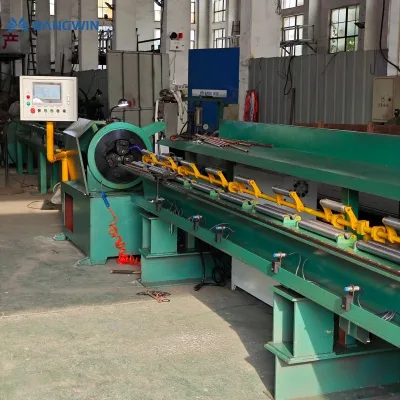
The manufacturing process and resulting mechanical properties also require close scrutiny. The spiral finning process involves specific spindle rotating speeds, such as 80 rpm, 100 rpm, or 120 rpm, and fin rolling speeds ranging from 0.6 m/min to 0.9 m/min. These parameters influence the tightness of the fin-to-tube bond and the overall structural integrity of the tube. Buyers should request machinery test reports and verify that the tubes are corrosion resistant, temperature resistant, and pressure resistant. Additionally, the principle of operation, often described as a mixing heat exchanger, should align with the thermal dynamics of the buyer’s system, whether it serves as a condenser, vaporizer, cooler, or heater.
Compliance and Safety Documentation
Compliance with international and regional standards is non-negotiable for industrial procurement, particularly when dealing with pressure vessels and boiler components. The ASME standard is a primary benchmark, but buyers must also verify if the supplier adheres to GB standards or other relevant codes. Certifications such as ISO, RoHS, and CE are commonly cited, indicating adherence to quality management and environmental regulations. However, buyers should not assume that a single certification covers all aspects of the product; instead, they should request specific documentation for each relevant standard, including material test certificates and pressure test reports.
Safety documentation extends beyond certifications to include detailed performance claims and testing results. Suppliers are expected to provide machinery test reports that validate the tube’s ability to withstand operational stresses. The principle of the product, often described as a mixing heat exchanger, must be supported by data demonstrating its efficiency and safety under load. Buyers should also verify the packaging standards, which may include iron frame packing or wooden packaging, to ensure that the tubes arrive without damage. Proper documentation ensures that the procurement process is transparent and that the final product meets all regulatory and safety requirements.
Cost Drivers and Commercial Terms
The cost of spiral fin tubes is influenced by several key factors, including material composition, dimensional specifications, and order volume. Stainless steel and alloy steel variants typically command higher prices than carbon steel options due to their superior corrosion and temperature resistance. The complexity of the finning process, including the fin height and outside diameter, also impacts manufacturing costs. Buyers should be aware that customized models and non-standard dimensions may incur additional charges, as they require specialized tooling and production adjustments.
Commercial terms such as MOQ (Minimum Order Quantity) and supply ability are critical for planning procurement cycles. Observed MOQs range from 1 to 50 units, offering flexibility for small-scale projects, while supply abilities can reach up to 500 tons per month, supporting large industrial contracts. Pricing varies significantly, with observed ranges from $1.1 to $25,461.91, reflecting the diversity of product configurations and quantities. Buyers should negotiate clear terms regarding payment, delivery, and after-sales service, which may include free spare parts, online support, and field installation assistance. Understanding these commercial dynamics helps in budgeting accurately and avoiding unexpected costs.
Supplier Qualification and Quality Control
Selecting a qualified supplier is essential for ensuring the reliability and consistency of spiral fin tube supplies. Buyers should prioritize suppliers who provide comprehensive machinery test reports and have a proven track record in manufacturing heat exchanger components. The presence of core components such as gearboxes and motors in the supplier’s production facilities indicates a capability for precision manufacturing. Additionally, suppliers who offer customization services and have experience with ASME and GB standards are better positioned to meet specific technical requirements.
Quality control measures should be rigorously evaluated before finalizing any procurement agreement. Buyers should verify the supplier’s ability to maintain consistent fin material thickness and base tube diameter tolerances. The use of high-quality materials, such as ND steel or alloy steel, should be confirmed through material certificates. Suppliers who provide after-sales services, including field installation and online support, demonstrate a commitment to long-term customer satisfaction. Establishing a clear quality assurance protocol, including regular inspections and testing, helps mitigate risks and ensures that the delivered products meet the specified standards.
Long-Term Procurement Checks
Long-term procurement success depends on establishing robust relationships with suppliers and implementing continuous improvement strategies. Buyers should regularly review supplier performance metrics, including delivery times, product quality, and responsiveness to issues. The availability of free spare parts and online support can significantly reduce downtime and maintenance costs, making these services valuable for long-term operations. Buyers should also stay informed about changes in industry standards and technological advancements that may impact the performance and efficiency of spiral fin tubes.
Continuous monitoring of market trends and supplier capabilities is essential for maintaining a competitive edge. Buyers should periodically reassess their material requirements and explore new suppliers who may offer improved technologies or cost efficiencies. Engaging in open communication with suppliers about future needs and potential customizations can foster stronger partnerships and ensure a steady supply of high-quality components. By focusing on long-term value rather than just initial cost, buyers can secure a reliable supply chain that supports their operational goals and contributes to overall business success.
FAQs
What certifications do the spiral fin tubes have?
The products hold ISO, RoHS, and CE certifications. Some listings also reference ASME Standard or GB standards. Buyers should verify specific documentation for their project requirements.
Which materials are used for the base tubes?
Base tubes are made from Stainless Steel, Carbon Steel, Alloy Steel, Aluminum, or Copper. The specific material depends on the application, such as boiler parts or heat exchangers.
Can the tubes be customized for specific needs?
Yes, customization is available for models and standards. Buyers can request specific dimensions like fin outside diameters ranging from 18 to 77mm or custom packing solutions.
What is the supply capacity for these tubes?
The supplier offers a supply ability of 500 tons per month. This capacity supports large industrial projects requiring significant volumes of finned tubes for power stations or manufacturing plants.
How are the products packed for shipping?
Products are typically packed in iron frames or wooden packaging. Customized packing options are also available to ensure safe transport of the finned tubes to international destinations.
What are the key performance characteristics of the tubes?
The tubes are designed to be corrosion resistant, temperature resistant, and pressure resistant. These features make them suitable for use in condensers, vaporizers, and air heat exchangers.