Source ATP Standard Diesel Reefer Truck for Cold Storage, Logistics, and Food Distribution
Find and compare 30 ATP Standard Diesel Reefer Truck options for cold chain logistics. Evaluate specifications including payload capacity, engine type, and tire design to select the right refrigerated vehicle for your supply chain needs.
Key considerations
Products List


Fuel-Powered or Full Electric Chassis Reefer Truck with Multiple Green Options
$5000.00 - $7000.00
MOQ: 1 Pieces


Temperature Controlled Reefer Truck with State-of-The-Art Cooling Technology
$14500.00 - $15500.00
MOQ: 1 Pieces

High Capacity Reefer Truck with State-of-The-Art Temperature Control
$14500.00 - $15500.00
MOQ: 1 Pieces

Versatile Reefer Truck with Superior Insulation and Chill Capacity
$33000.00 - $35000.00
MOQ: 1 Pieces


4.5ton Lightweight Antibacterial Insulated Reefer Truck for Dairy Product Transport
$21000.00 - $23000.00
MOQ: 1 Pieces

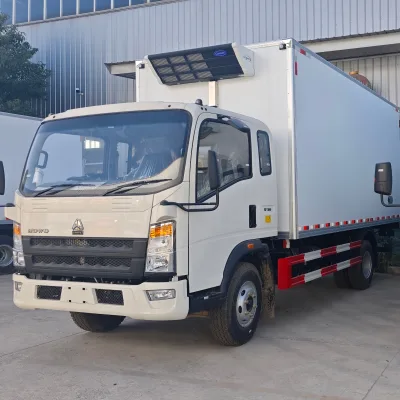
$15287.64 - $16306.81
MOQ: 1 pieces
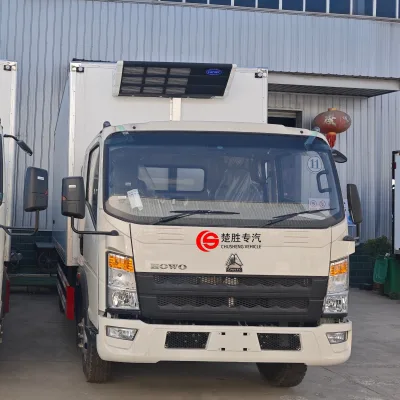


Efficient Compact Gasoline Reefer Box Truck for Urban Distribution
$10000.00 - $25000.00
MOQ: 1 Pieces

Light Duty Reefer Truck with Reliable Payload for Food Cold Logistics
$20000.00 - $40000.00
MOQ: 1 Pieces


138HP Reefer Truck for Ice Cream and Dairy Products Transport Box Truck
$12000.00 - $24000.00
MOQ: 1 Pieces

290HP 7m Reefer Truck with Carrier Refrigeration for Fresh Seafood Long-Distance Transport
$24000.00 - $36000.00
MOQ: 1 Pieces
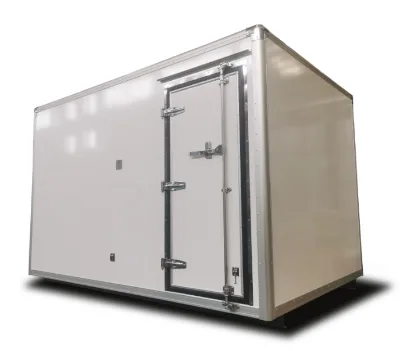


Hot Selling Direct Drive Truck Reefer Unit with Integrated Standby Hy-280s
$1600.00 - $2150.00
MOQ: 1 Pieces

Comprehensive Sourcing Guide
ATP Standard Diesel Reefer Truck Sourcing Guide
The procurement of ATP standard diesel reefer trucks requires a precise understanding of the specific vehicle configurations available in the current market, particularly those designed for temperature-controlled logistics. Buyers must distinguish between general light truck platforms and specialized refrigerated units, as the supply chain offers distinct models ranging from micro-load capacity vehicles to heavy-duty 30-ton payload carriers. The observed product data indicates a diverse inventory including box/stake trucks, chiller lorries, and freezer trucks, all powered by diesel engines with varying horsepower ratings from under 150hp to the 150-250hp range.
Sourcing decisions should be anchored in the specific operational requirements of the intended cargo, whether for replacing aging fleet assets or repairing existing transport infrastructure. The market presents models with specific engine configurations, such as the WD615.47, and transmission types that are predominantly manual, which influences the driver skill set required for operation. Buyers must verify that the selected unit matches the intended route conditions, noting that some listings specify a turning diameter of 1815mm and maximum speeds around 101km/h, which are critical factors for urban distribution versus long-haul transport.
Product Scope and Observed Listing Signals
The product scope for diesel reefer trucks in the current listings spans a wide spectrum of load capacities, from micro-bearing capacity units to vehicles capable of handling 30 tons of payload. This variation necessitates a clear definition of the required cargo volume before engaging with suppliers, as the market includes specific models like the ZZ1047D3815C1R45 and Dongfeng variants alongside HOWO and CA5181XXYLC chassis. The presence of both standard and specialized refrigerated truck types suggests that buyers must carefully filter listings to ensure the vehicle's physical dimensions and cooling capabilities align with the specific temperature ranges required for the goods being transported.
Listing signals such as "Nude Packing," "Waxed Before on Board," and "Standard" packing indicate different logistical readiness levels that affect the final cost and handling requirements upon delivery. Buyers should note that while some units are marketed as "New" with 100% inspection before shipping, others may be designated for repair or replacement purposes, requiring a thorough visual and mechanical assessment upon arrival. The observed price range of 1600 to 64000 USD reflects this diversity, with the lower end likely corresponding to smaller, single-unit configurations and the higher end representing heavy-duty, fully equipped refrigerated systems.
Technical Specifications to Verify
Technical verification must begin with the engine and powertrain configuration, as the supplied data highlights specific engine models like the WD615.47 and power outputs ranging from less than 4 liters to higher displacement units. Buyers should confirm the drive wheel configuration, noting the presence of 4x2 setups in the data, and verify the transmission type, which is frequently listed as manual. The axle specifications are equally critical, with observed front axles like the Hf9 and rear axles such as the St16, which directly impact the vehicle's stability and load distribution capabilities on the road.
Cooling system integration and tire specifications are paramount for reefer trucks, as the listings explicitly mention radial tire designs and specific certifications like ECE, GCC, and DOT. The payload capacity is a decisive factor, with observed ranges extending from 1 to 10 tons up to 30 tons, requiring buyers to match the vehicle's rated capacity to their maximum cargo weight to ensure safety and regulatory compliance. Additionally, the turning diameter of 1815mm and maximum speed of 101km/h must be validated against the operational environment to ensure the vehicle can navigate tight urban routes or maintain highway efficiency as required.
Compliance and Safety Documentation
Compliance documentation for diesel reefer trucks must address a complex matrix of international and regional standards, as the observed listings include certifications such as ISOCCC, ECE, GCC, DOT, EPA, EEC, RoHS, and CE. Buyers should verify that the specific unit they intend to purchase holds the necessary certifications for the destination market, as a vehicle certified for one region may not be legally operable in another without additional modifications or re-certification. The presence of multiple certification tags in a single listing suggests that some suppliers offer vehicles capable of meeting diverse regulatory requirements, but this must be confirmed with official documentation for the specific chassis and engine combination.
Safety and emission standards are equally critical, with observed data referencing Euro emission standards and specific fuel types like diesel. Buyers must ensure that the vehicle's emission profile meets the local environmental regulations of the operating region, as non-compliant vehicles may face fines or operational bans. The "100% Inspection Before Shipping" attribute observed in the listings is a positive indicator of quality control, but it should be supplemented by third-party inspection reports or factory audit records to validate the integrity of the safety systems, particularly the refrigeration unit and braking mechanisms.
Cost Drivers and Commercial Terms
The cost of an ATP Standard Diesel Reefer Truck is driven by several key factors, including the payload capacity, engine horsepower, and the complexity of the refrigeration system. The observed price range of 1600 to 64000 USD suggests that the base chassis cost is significantly influenced by the addition of specialized cooling equipment and the overall build quality, such as the "Standard" versus "ISO" standard classifications. Buyers should anticipate that higher payload capacities, such as the 30-ton models, and more powerful engines in the 150-250hp range will command a premium over the lighter, micro-capacity units.
Commercial terms regarding customization and service availability are also significant cost drivers, as the listings indicate that OEM service and customization are available. Buyers should negotiate clearly on the scope of customization, including any modifications to the refrigeration unit or chassis, as these can alter the final price and lead time. The minimum order quantity (MOQ) appears to be flexible, with observed values ranging from 1 to 1, allowing for single-unit purchases, but buyers should verify if bulk discounts apply for larger fleet acquisitions and clarify the payment terms associated with the "Available" customization options.
Supplier Qualification and Quality Control
Supplier qualification should focus on the ability to provide comprehensive after-sales support and OEM services, as the product data explicitly mentions "OEM Service Available" and "Service" as key attributes. Buyers must verify the supplier's track record in delivering vehicles that meet the "New" condition standard and have undergone the "100% Inspection Before Shipping" process. The presence of specific model numbers like CA5081XXYLC and CA5181XXYLC suggests that suppliers may have access to established manufacturing lines, but buyers should request proof of these production capabilities and the supplier's history with similar reefer truck projects.
Quality control protocols must be rigorously applied, particularly regarding the refrigeration system and the structural integrity of the cargo box. The observed "Nude Packing" and "Waxed Before on Board" options indicate different levels of protection during transit, which can impact the condition of the vehicle upon arrival. Buyers should insist on a pre-shipment inspection report that details the condition of the engine, transmission, and cooling unit, ensuring that the vehicle meets the specified standards and that any potential defects are addressed before the goods leave the factory.
Long-Term Procurement Checks
Long-term procurement checks should prioritize the availability of spare parts and the durability of the vehicle's core components, such as the engine, axles, and refrigeration unit. Buyers should verify the supplier's commitment to providing a supply chain for critical parts like the WD615.47 engine components and the Hf9/St16 axle assemblies to minimize downtime during the vehicle's operational life. The "Purpose: for Replace/Repair" attribute in some listings suggests that the market also supports the maintenance of existing fleets, and buyers should ensure that the chosen supplier can support both new acquisitions and ongoing maintenance needs.
Sustainability and regulatory compliance over the vehicle's lifecycle are also essential considerations, as emission standards and fuel efficiency will likely become more stringent over time. Buyers should assess the supplier's ability to adapt to future regulatory changes and their willingness to provide updates or modifications to ensure continued compliance. The "Standard" and "ISO" classifications observed in the listings provide a baseline for quality, but buyers must establish a long-term partnership with a supplier who can guarantee the vehicle's performance and compliance throughout its entire service life.
FAQs
What is the emission standard for these diesel reefer trucks?
The emission standard is Euro. These vehicles are designed to meet specific environmental regulations for diesel engines. This ensures compliance with regional transport laws. Buyers should verify local Euro requirements before import. The standard applies to the engine configuration provided in the listing.
Can I request customization for the reefer truck body?
Customization is available for the truck body and specifications. Buyers can modify dimensions or internal cooling units to suit cargo needs. This service allows for tailored logistics solutions. Contact the supplier to discuss specific design changes. Custom orders may affect lead times and pricing structures.
What certifications do these trucks hold for international shipping?
Certifications include ISOCCC, ECE, GCC, DOT, EPA, EEC, RoHS, and CE. These documents verify compliance with safety and quality standards. They facilitate smoother customs clearance in various regions. Buyers must check which certificates are required for their destination. The presence of these marks indicates adherence to global norms.
What is the load capacity of the standard reefer truck?
The load capacity ranges from 1 to 10 tons. Specific models may support up to 3 tons or 30 tons depending on configuration. This range suits various cold chain logistics requirements. Buyers should select the model that matches their payload needs. The capacity is determined by the chassis and body design.
What is the transmission type for these diesel trucks?
The transmission type is manual. This provides drivers with direct control over gear shifts. Manual transmissions are often preferred for heavy-duty applications. They offer reliability and easier maintenance in remote areas. Buyers should ensure drivers are experienced with manual gearboxes.
How are these trucks packed for international transport?
Packing methods include waxed before on board, standard, and nude packing. The method depends on the specific model and shipping route. Waxed packing offers additional protection against corrosion. Nude packing is used for certain configurations to save space. Buyers should confirm the packing method with the supplier.