Source ATV Mooring Winch Line for Marine, Off-Road, and Industrial Use
Compare 30 ATV Mooring Winch Line options featuring hydraulic and electric models. Evaluate specifications like pull capacity, rope diameter, and motor type for marine, off-road, and industrial pulling applications; compare the available evidence and request quotations based on your requirements.
Key considerations
Products List


Best Quality Winches for off-Road Vehicles, Atvs, and Agricultural Vehicles
$450.00 - $2000.00
MOQ: 1 Pieces


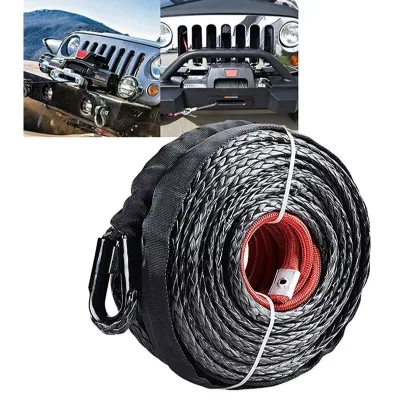

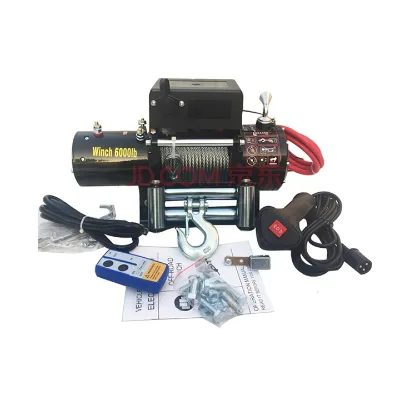


Comprehensive Sourcing Guide
ATV Mooring Winch Line Sourcing Guide
The global market for ATV mooring winch lines presents a diverse range of hydraulic and electric solutions tailored for rugged terrain and heavy-duty pulling applications. Buyers must distinguish between stationary running modes and dynamic systems, noting that observed listings include models with specific rope capacities up to 45 meters and pull forces reaching 50kN. Understanding the distinction between semi-automatic and fully automatic grades is critical, as the operational environment often dictates the required level of mechanization for safe and efficient mooring operations.
Procurement decisions should prioritize the specific drive type and motor configuration, as the supply chain offers both hydraulic systems driven by high-pressure pumps and permanent-magnet DC electric winches designed for low-voltage environments. The observed product data indicates a strong presence of units originating from major manufacturing hubs in China, specifically Jining and Shandong, which supply equipment rated for metallurgy, construction, and petroleum sectors. Buyers must verify that the selected winch line matches the intended application, whether it involves mountain road recovery or specialized industrial pulling tasks requiring explosion-proof and insulating features.
Product Scope and Observed Listing Signals
Buyers analyzing the current market must recognize that product listings vary significantly in their carrying capacity and weight levels, ranging from middle-level loads to special weight classifications. The observed data highlights a wide price spectrum, with unit costs fluctuating between 0.56 and 12,000 USD, reflecting differences in tonnage ratings, motor brands, and structural robustness. It is essential to scrutinize the specific model numbers, such as the YS or JP-68 series, to ensure the equipment aligns with the precise load requirements of the intended mooring or recovery operation.
The physical specifications of the winch lines, including rope diameters of 14mm and reduction ratios of 17.5, serve as key indicators of performance capability and durability under stress. Listings frequently mention features like explosion-proofing and antiseptic properties, which are vital for operations in hazardous or chemically sensitive environments. Procurement teams should verify the packing standards, as products are shipped in plywood cases, three-ply boards, or wooden cases, ensuring that the packaging protects the hydraulic or electric components during transit to the final destination.
Technical Specifications to Verify
Technical due diligence requires a rigorous verification of the motor model and power type, as the supply chain offers units equipped with China top brand motors or specific permanent-magnet DC configurations. Buyers must confirm the working voltage and pressure ratings, noting that hydraulic systems often operate at 16MPa with a rated flow of 90L/Min, while electric variants function at low voltages suitable for mobile ATV platforms. The rope speed, observed at 14m/Min in specific models, is a critical performance metric that influences the efficiency of mooring operations and must be matched against operational time constraints.
Verification of the mechanical reduction ratio and pull direction is equally important, as these parameters determine the torque output and the directionality of the winch line's force application. The observed data specifies a pull force of 50kN for certain hydraulic pullers, but buyers must ensure this rating is not exceeded during actual use to prevent mechanical failure. Additionally, the condition of the equipment, typically listed as new, should be confirmed through inspection reports, and the standard national or nonstandard classifications must be cross-referenced with the specific engineering requirements of the project.
Compliance and Safety Documentation
Safety compliance is a non-negotiable aspect of sourcing, with observed listings frequently citing certifications such as ISO, CE, GS, and RoHS to demonstrate adherence to international safety and environmental standards. Buyers must request valid certification documents for each unit, ensuring that the explosion-proof and insulating features are backed by recognized testing results rather than generic marketing claims. The presence of multiple certification marks suggests a higher level of quality control, but verification of the specific scope of these certifications is necessary to confirm they cover the intended industrial or off-road applications.
Documentation regarding the product standard and weight specifications, such as the 47.5kg or 65kg weight limits observed in various models, must be reviewed to ensure compliance with local transport and operational regulations. The standard classification, whether national or nonstandard, dictates the baseline safety requirements that the equipment must meet, and buyers should not assume that a single certification covers all potential hazards. It is imperative to obtain detailed safety manuals that explain the proper usage of the hydraulic pressure and electric voltage systems to mitigate risks during installation and operation.
Cost Drivers and Commercial Terms
The commercial landscape for ATV mooring winch lines is influenced by several cost drivers, including the complexity of the hydraulic system, the quality of the motor, and the specific customization options available. Buyers should anticipate that units with higher tonnage ratings, such as the 5T models, or those featuring advanced safety features like antiseptic coatings, will command a premium price within the observed 0.56 to 12,000 USD range. The minimum order quantity (MOQ) varies from 1 piece to 100 pieces, allowing for flexibility in procurement strategies but potentially affecting the unit cost for smaller orders.
Negotiating commercial terms requires a clear understanding of the packaging requirements, as the use of plywood cases or wooden crates adds to the overall logistics cost and weight. Lead times and delivery schedules are often tied to the origin location, with products shipping from Jining or Shandong, and buyers must account for these geographical factors when planning their supply chain. It is advisable to clarify whether the quoted price includes all necessary accessories and documentation, as the absence of these items can lead to unexpected costs and delays in the deployment of the winch line.
Supplier Qualification and Quality Control
Supplier qualification should focus on verifying the origin of the equipment, as the majority of observed listings originate from specific regions in China known for heavy machinery manufacturing. Buyers must assess the supplier's ability to provide consistent quality control, particularly for products with complex hydraulic systems or electric motors that require precise assembly and testing. The availability of customization options suggests that suppliers can adapt products to specific needs, but this flexibility must be balanced with rigorous quality assurance protocols to ensure that modifications do not compromise safety or performance.
Quality control checks should include a review of the product condition, ensuring that all units are delivered in new condition with no signs of prior use or damage. The observed data indicates that suppliers often provide detailed specifications, such as the motor model and rope capacity, which serve as benchmarks for quality verification. Buyers should request third-party inspection reports or factory audit results to confirm that the manufacturing processes meet the required standards, particularly for equipment intended for high-risk environments like petroleum or construction sites.
Long-Term Procurement Checks
Long-term procurement success depends on establishing a reliable supply chain that can consistently deliver high-quality winch lines with the required technical specifications and safety certifications. Buyers should implement a system for tracking product performance over time, noting any deviations in rope speed, pull force, or motor efficiency that may indicate quality issues or manufacturing inconsistencies. Regular audits of the supplier's production capabilities and quality control measures are essential to maintain the integrity of the supply chain and ensure that future orders meet the same high standards as initial purchases.
Sustainability and after-sales support are critical factors for long-term procurement, as the operational lifespan of the winch line depends on proper maintenance and the availability of replacement parts. Buyers should verify the supplier's commitment to providing technical support and spare parts, particularly for specialized components like the hydraulic pumps or electric motors. Establishing a clear communication channel for addressing any performance issues or warranty claims will help mitigate risks and ensure that the procurement strategy remains effective over the long term.
FAQs
What is the pulling capacity of the JP-68 hydraulic winch?
The JP-68 hydraulic winch provides a pulling force of 50kN, equivalent to approximately 5 tons. This capacity is supported by a working pressure of 16MPa and a rated flow of 90L/Min. It is designed for heavy-duty pulling applications in metallurgy, construction, and petroleum sectors, ensuring reliable performance under demanding operational conditions.
Can the winch be customized for specific industrial requirements?
Yes, customization is available for these hydraulic winches to meet specific industrial needs. The units are built to national standards and can be adapted for various environments. Features such as explosion-proof, insulating, and antiseptic properties are offered. Buyers can request modifications to suit particular usage scenarios while maintaining high-quality construction and operational safety.
Which certifications do the hydraulic winches hold?
The hydraulic winches hold ISO, CE, GS, and RoHS certifications. These credentials ensure compliance with international safety and quality standards. The products are manufactured in China, specifically in Jining and Shandong regions. Buyers can rely on these documented certifications to verify product quality and regulatory adherence for global sourcing and deployment in various industrial applications.
What is the minimum order quantity for these winches?
The minimum order quantity is one piece. This low MOQ allows buyers to test the product quality before committing to larger orders. The winches are supplied in plywood cases or wooden boxes for secure transport. This flexible purchasing option supports small-scale procurement needs while maintaining the same high standards of construction and performance as bulk orders.
How fast does the rope move on the JP-68 model?
The rope speed on the JP-68 model is 14 meters per minute. This speed is achieved with a 14mm rope diameter and a 45-meter rope capacity. The winch uses a hydraulic driven type with a reduction ratio of 17.5. This configuration ensures efficient and controlled pulling operations, suitable for various heavy-duty industrial tasks and applications.
What type of motor is used in the electric winch?
The electric winch uses a China top brand motor with permanent-magnet DC power type. It operates at a low working voltage and is designed for forward pull direction. This model is suitable for mountain road environments and ATV applications. The motor ensures reliable performance and energy efficiency, making it ideal for portable and rugged outdoor or industrial use cases.