Source Crystal Black Glass Induction Hob for Hotel, Household, and Restaurant
Explore 30 listings of Crystal Black Glass Induction Hob units featuring glass surfaces, electric or gas power sources, and various burner configurations. Buyers can compare models with touch or knob controls, safety features, and customization options from verified suppliers.
Key considerations
Products List
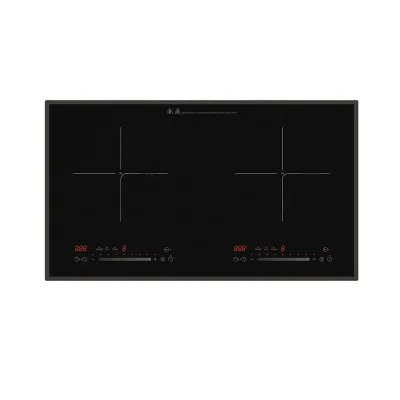
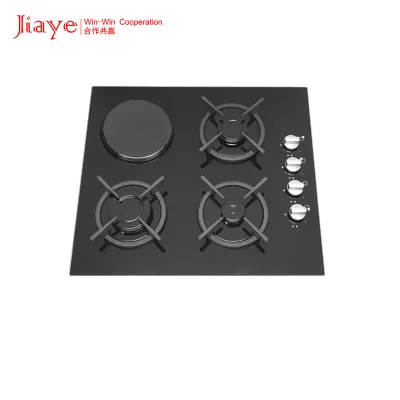
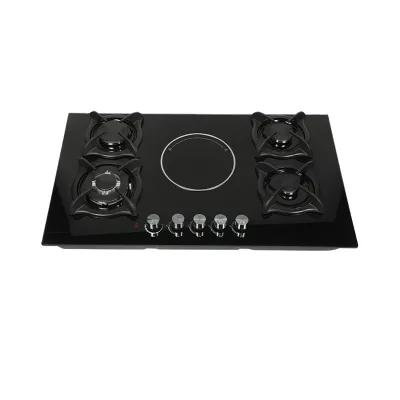
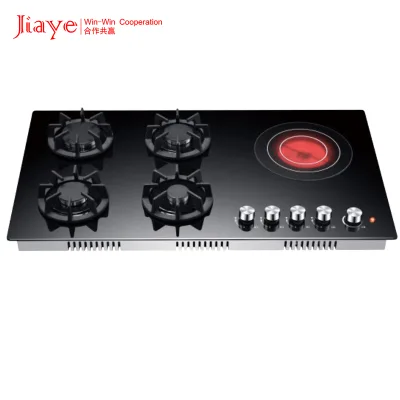


$14.00 - $16.00
MOQ: 2000 Pieces


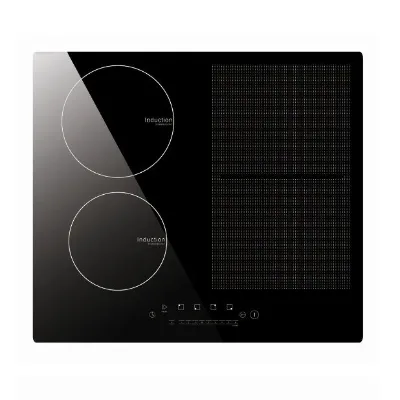
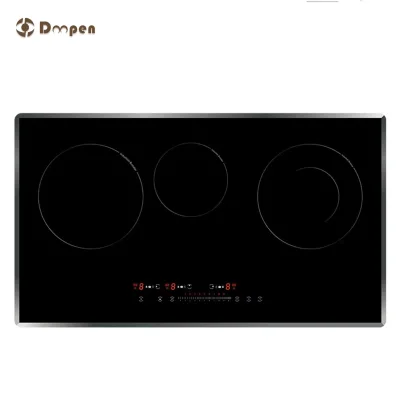

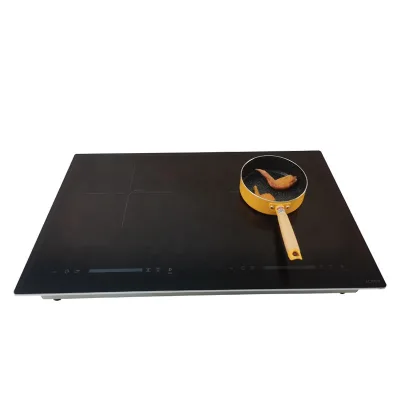
Horizontal Hob Voice Control Half-Bridge Hob Crystal Glass for Induction Cooker
$78.21 - $80.25
MOQ: 200 pieces
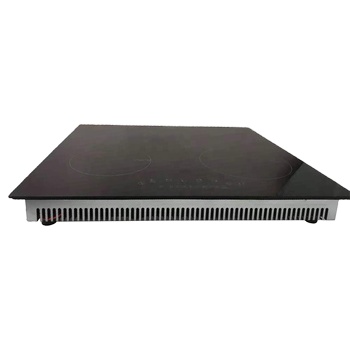
Comprehensive Sourcing Guide
Sourcing Guide for Crystal Black Glass Induction Hobs
The global market for kitchen appliances has seen a significant shift toward integrated, high-efficiency cooking surfaces, with the Crystal Black Glass Induction Hob emerging as a dominant category. For B2B procurement professionals, sourcing these units requires a nuanced understanding of technical specifications, material integrity, and supply chain reliability. The "crystal black glass" descriptor refers not merely to aesthetics but to a specific class of ceramic or tempered glass materials designed to withstand high thermal stress while providing a seamless, modern interface. This guide outlines the critical factors buyers must evaluate when sourcing these products, ensuring that procurement decisions are grounded in verifiable data and industry standards rather than marketing assertions.
Technical Specifications and Material Integrity
When evaluating crystal black glass induction hobs, the primary focus must be on the material composition and the underlying heating technology. The supplied product data indicates that the surface material is frequently described as "ceramic glass" or "tempered glass," with specific thicknesses noted as 4mm in certain high-grade models. This thickness is a critical indicator of durability; thinner glass may be prone to cracking under thermal shock or heavy impact, whereas 4mm ceramic glass offers superior resistance to scratches and heat. The standard designation for these surfaces often references an "A-Grade Polished Black Crystal Plate," suggesting a high level of surface finish and optical clarity that resists discoloration over time.
The power configuration is equally vital. Procurement teams must verify the specific wattage distribution across burners. Observed configurations include multi-burner setups with power ratings such as 2300W, 1800W, and 1200W, indicating a high-power main burner paired with auxiliary zones. The type of heating element is typically a coil for electric variants, though induction technology relies on electromagnetic fields rather than direct coil exposure. Buyers should confirm whether the unit is a standalone induction cooktop or a hybrid unit combining gas and electric burners, as the latter presents distinct installation and safety requirements. The operating voltage is generally standardized at 220–240V, which aligns with international residential and commercial standards, but verification against the destination market's grid is mandatory.
Compliance and Certification Verification
In the B2B appliance sector, compliance is not optional; it is a prerequisite for market entry. The supplied facts list several certifications, including CE, RoHS, EMC, and CB. These represent a baseline for safety and environmental compliance. The CE mark indicates conformity with health, safety, and environmental protection standards for products sold within the European Economic Area. RoHS compliance ensures the absence of specific hazardous materials, while EMC (Electromagnetic Compatibility) certification is crucial for induction hobs to prevent interference with other electronic devices. The CB certification scheme facilitates international acceptance of test results, often streamlining the path to other national certifications.
However, buyers must exercise caution. While these certifications are listed as observed attributes, they are not guaranteed for every unit in a supplier's catalog. Procurement protocols must include a request for valid, up-to-date test reports from accredited laboratories. The data also references UL858 as a background standard, though this is noted with lower confidence. Consequently, buyers targeting North American markets should explicitly verify UL compliance, as relying on CE or CB alone may be insufficient. Similarly, energy efficiency ratings such as "Class A" should be validated through third-party testing rather than accepted as a supplier claim. The absence of specific test data in the general product listing necessitates a rigorous pre-shipment audit to ensure that the specific batch being ordered meets the declared standards.
Cost Drivers and Pricing Dynamics
The pricing for crystal black glass induction hobs varies significantly based on the complexity of the control interface, the number of burners, and the quality of the glass material. The observed price range for these units spans from $14 to $210 USD. This wide disparity suggests a market segmented by entry-level, single-burner units and high-end, multi-burner models with advanced features. The lower end of the spectrum likely corresponds to simpler electric cooktops with basic coil heating, while the higher end encompasses sophisticated induction units with touch screen controls, safety features like over-heat protection, and premium glass materials.
Several factors drive these costs. The inclusion of a "touch screen control" or "push-button type" interface adds to the manufacturing complexity and component cost. Units featuring "multiple cooktops" that combine gas and electric elements inherently cost more due to the dual-system engineering. Additionally, the "private mold" capability mentioned in the data allows for customization, which can increase unit costs but offers brand differentiation. Buyers should also consider the Minimum Order Quantity (MOQ), which ranges from 50 to 2000 units. Higher MOQs often correlate with lower per-unit costs, but they require significant capital commitment. The packaging type, typically "corrugated box" or "giftbox+carton," also influences logistics costs, especially for fragile glass surfaces that require robust protection during transit.
Typical Applications and Installation Requirements
The versatility of crystal black glass induction hobs makes them suitable for a broad range of applications, from residential households to commercial hospitality environments. The product data explicitly lists "Hotel" and "Household" as primary application areas. In hotel settings, durability and ease of cleaning are paramount; the smooth, non-porous glass surface facilitates rapid sanitation, which is essential for high-turnover kitchens. For household use, the aesthetic appeal of the black crystal finish and the space-saving design of built-in installations are key selling points.
Installation requirements vary by model. The data specifies "Built-In" as a common installation type, meaning the hob is designed to be recessed into a countertop. This requires precise cutout dimensions, with observed glass sizes such as 730*430mm serving as a reference for standard cabinetry. Buyers must ensure that their clients' kitchen designs can accommodate these dimensions. Furthermore, the power source compatibility is a critical installation factor. While some units are purely electric, others are hybrid, requiring both electrical connections and gas lines. The "gas burner ignition mode" is listed as "Electronic Ignition," which requires a reliable power supply to function. In commercial applications, the "Over-heat protect" safety feature is a mandatory consideration to prevent fire hazards during continuous high-load cooking.
Supplier Evaluation and Operational Capabilities
Selecting the right supplier involves more than just comparing prices; it requires a deep dive into their operational capabilities and quality assurance processes. The data indicates that suppliers are located primarily in Guangdong, China, a region known for its robust manufacturing ecosystem for kitchen appliances. However, the presence of multiple brand names, such as "AILIPU" and "JIAYE," alongside "OEM" options, suggests a market with both branded and contract manufacturing players. Buyers should prioritize suppliers who demonstrate transparency in their production processes and offer "Free Spare Parts" as part of their after-sales service. This commitment to post-sale support is a strong indicator of supplier confidence in product longevity.
The ability to offer "Customization" is another key differentiator. Suppliers with "private mold" capabilities can tailor the product to specific brand requirements, from logo placement to unique control layouts. However, customization often extends lead times and increases the MOQ. Buyers must verify the supplier's capacity to handle "Small Orders" if their initial market entry strategy involves lower volumes. The "Selling Units" are typically listed as "Multiple of 1," but the MOQ constraints (50-2000) must be clearly understood to avoid supply chain bottlenecks. Additionally, the "Control Type" options, ranging from "Knob" to "Touch screen control," require suppliers to have diverse production lines capable of switching between different interface technologies without compromising quality.
Quality Control and Long-Term Procurement Strategy
Ensuring consistent quality in glass induction hobs requires a robust quality control (QC) framework. Given the fragility of the glass material, inspection protocols must include rigorous checks for surface defects, such as scratches, bubbles, or uneven polishing. The "A-Grade Polished Black Crystal Plate" standard implies a high tolerance for visual imperfections, which must be strictly enforced. Buyers should implement a pre-shipment inspection that tests the "Safety" features, specifically the "Over-heat protect" mechanism, to ensure the unit shuts down correctly under stress conditions.
Long-term procurement strategies should focus on building relationships with suppliers who offer stable supply chains and consistent quality. The "Warranty" period, typically listed as "1 Year," sets the baseline for liability, but buyers should negotiate terms that reflect the expected lifespan of the product. The availability of "Free Spare Parts" is a critical component of this strategy, as it reduces the total cost of ownership for end-users. Furthermore, buyers should verify the "Operating Language" of the interface, ensuring it matches the target market's requirements, with "English" being a common standard. Finally, maintaining a buffer stock of critical components or finished goods can mitigate risks associated with supply chain disruptions, ensuring that the procurement pipeline remains uninterrupted even during periods of high demand or logistical challenges.
FAQs
What certifications are required for crystal black glass induction hobs?
Products typically carry CE, RoHS, EMC, and CB certifications. Buyers must verify valid test reports for each batch, as these are not guaranteed for every unit in a supplier catalog.
How is the surface material of these hobs constructed?
The surface uses 4mm ceramic glass or tempered glass. This thickness provides superior resistance to scratches and thermal shock compared to thinner alternatives found in lower-grade models.
Which power configurations are available for these cooktops?
Configurations include single burners or multi-burner setups with wattages like 2300W and 1800W. Some units are hybrid, combining gas and electric burners for versatile cooking applications.
Can suppliers offer customization for private mold orders?
Yes, customization is available through private mold capabilities. This allows for brand differentiation but may increase unit costs and extend lead times depending on the specific design requirements.
What is the typical warranty period for these appliances?
The standard warranty period is one year. Buyers should negotiate terms reflecting product lifespan and verify the availability of free spare parts for long-term support.
Where are the manufacturers of these hobs located?
Manufacturers are primarily located in Guangdong, China. This region offers a robust ecosystem for kitchen appliance production, though specific factory locations should be confirmed during sourcing.
How do installation requirements differ for built-in units?
Built-in units require precise cutout dimensions, such as 730 by 430mm. Buyers must ensure kitchen cabinetry can accommodate these specific sizes for proper recessed installation.