Source Automatic Bread Baguette Machine for Bakery Production
Find and compare 30 Automatic Bread Baguette Machine listings from Chinese manufacturers. Evaluate options based on capacity, voltage, and material specifications to find the right equipment for your commercial catering needs; compare the available evidence and request quotations based on your requirements.
Key considerations
Products List
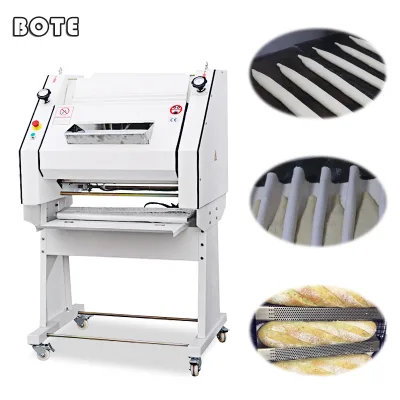

Automat Baguette Bread Machine Baguette Making Machine Baking Bakery Equipment.
$2714.29 - $3142.86
MOQ: 1 Pieces


Bread Making Machine Production Line Baguette Bread Machine Toast Making Machine
$20000.00 - $22000.00
MOQ: 1 Pieces

High Output Automatic Bread Toast Baguette Production Line Machine for Bakery Factory
$20000.00 - $22000.00
MOQ: 1 Pieces


Factory Sale Automatic Bread Making Machinery for Baguette Bun Loaf Bread
$25000.00 - $75000.00
MOQ: 1 Pieces


High Efficiency and Productivity Bread Machine Baguette/Toast Machine Line
$100000.00 - $1000000.00
MOQ: 1 Sets


Customized High Capacity Automatic Baguette Toast Bread Baking Production Line Machine
$500000.00 - $2000000.00
MOQ: 1 Pieces

Automatic Baguette Moulder / French Baguette Machine / Loaf Bread Making Machine
$2289.00 - $2749.00
MOQ: 1 Sets


High Performance Baguette Bread Making Oven / Baguette Producing Machine
$7049.00 - $11075.00
MOQ: 1 Sets

Innovative Design Automatic Baguette Baking Machinery for Modern Bakeries
$25000.00 - $60000.00
MOQ: 1 Pieces

High Efficiency Automatic Baguette Baking Machine for Industrial Bakeries
$25000.00 - $60000.00
MOQ: 1 Pieces
Comprehensive Sourcing Guide
Automatic Bread Baguette Machine Sourcing Guide
Procuring an Automatic Bread Baguette Machine requires a careful balance between throughput capacity and operational flexibility. Buyers must first define their production volume needs, as observed listings indicate a wide range of capabilities, from 18 pieces per minute to over 9,000 pieces per hour. This variance directly impacts the footprint of the equipment and the required utility infrastructure. Understanding these baseline metrics ensures that the selected machinery aligns with the specific demands of the commercial catering environment or industrial bakery setting.
The second critical step involves evaluating the machine’s adaptability to different dough weights and product dimensions. Available models support dough weights ranging from 50g to 1,250g, allowing for significant customization in baguette sizing. Buyers should verify if the machine offers fully automatic operation with features like timing devices or if it requires manual intervention. Confirming these operational details early in the sourcing process prevents costly mismatches between the equipment’s capabilities and the production line’s workflow requirements.
Product Scope and Observed Listing Signals
The current market for automatic bread baguette machines presents a diverse array of options, with observed prices ranging from approximately $1,780 to $2,000,000 USD. This broad spectrum reflects differences in automation levels, material quality, and brand reputation. Most listings indicate a minimum order quantity of one unit, suggesting that suppliers are flexible for both small-scale bakeries and large industrial facilities. Buyers should note that while some models are standardized, others offer extensive customization options for weight, dimensions, and output speed.
Key selling points frequently highlighted include high productivity, high efficiency, and ease of operation. Many machines are constructed from 304 stainless steel, ensuring durability and compliance with food safety hygiene standards. The observed listings also show variations in origin, with products sourced from regions such as Fujian, Zhejiang, and Shanghai in China. Buyers must carefully cross-reference these origin details with their own supply chain preferences and logistical constraints to ensure smooth import and installation processes.
Technical Specifications to Verify
Voltage compatibility is a primary technical consideration, as observed listings specify both 220V and 380V options. Buyers must ensure that their facility’s electrical infrastructure matches the machine’s requirements to avoid operational failures or safety hazards. Additionally, power consumption varies, with some models rated at 1kw, while others may have higher demands depending on their motor brand and capacity. Verifying these electrical specifications with a qualified electrician before purchase is essential for safe integration into the existing power grid.
Dimensional and weight specifications also vary significantly across different models. Standard dimensions observed include 96010101080MM and 47006751570mm, with weights ranging from 284kg to 300kg or customizable options. Buyers should assess their available floor space and load-bearing capacity to determine which model fits their facility layout. Furthermore, verifying the output capacity, whether stated as pieces per minute or pieces per hour, ensures that the machine meets the desired production targets without creating bottlenecks in the baking process.
Compliance and Safety Documentation
Certification status is a crucial factor in verifying the safety and quality of automatic bread baguette machines. Observed listings frequently mention CE and ISO certifications, which indicate adherence to European safety standards and international quality management systems. Buyers should request valid certification documents from suppliers to confirm that the machinery meets the regulatory requirements of their target market. These certifications often cover electrical safety, mechanical integrity, and food contact material compliance, providing a baseline assurance of product reliability.
Beyond certifications, buyers must verify the machine’s construction materials and overall build quality. The use of 304 stainless steel for body materials is a common and desirable feature, as it resists corrosion and is easy to clean. Buyers should inspect product descriptions for details on the automatic grade and motor brands, such as Siemens, which can indicate higher reliability and longer service life. Ensuring that all components meet food-grade standards is vital for maintaining hygiene and preventing contamination in the final bread products.
Cost Drivers and Commercial Terms
The price of an Automatic Bread Baguette Machine is influenced by several factors, including automation level, material quality, and brand name. Higher-priced models often feature fully automatic operation, advanced timing devices, and premium components like specific motor brands. Buyers should analyze the total cost of ownership, considering not just the initial purchase price but also energy consumption, maintenance requirements, and potential downtime. Understanding these cost drivers helps in making a more informed investment decision that aligns with long-term budgetary goals.
Commercial terms such as warranty, packaging, and customization options also play a significant role in the procurement process. Most listings offer a 12-month warranty, which provides protection against early failures and defects. Packaging is typically done in wooden boxes or cases to ensure safe transit, but buyers should confirm the specifics to avoid damage during shipping. Additionally, the availability of customization for weight, dimensions, and output speed can add value but may also impact the final price and lead time, so these terms should be clearly negotiated upfront.
Supplier Qualification and Quality Control
Supplier qualification is essential to ensure that the Automatic Bread Baguette Machine meets quality and reliability standards. Buyers should verify the supplier’s production capabilities, including their factory location and manufacturing processes. Observed listings indicate origins in various Chinese provinces, so buyers should assess the supplier’s reputation and track record in the industry. Requesting references or case studies from previous clients can provide valuable insights into the supplier’s ability to deliver consistent quality and support.
Quality control measures should be established before placing an order, including pre-shipment inspections and testing protocols. Buyers should verify that the machine undergoes rigorous testing for performance, safety, and durability. It is also important to confirm the supplier’s after-sales service capabilities, including the availability of spare parts and technical support. Establishing a clear communication channel with the supplier ensures that any issues can be resolved promptly, minimizing disruption to the production line.
Long-Term Procurement Checks
Long-term procurement success depends on the machine’s maintainability and the availability of technical support. Buyers should inquire about the supplier’s policy for providing spare parts and the expected lifespan of critical components. A robust maintenance plan, including regular servicing and cleaning protocols, is essential for extending the machine’s operational life and ensuring consistent performance. Buyers should also consider the ease of operation and training requirements for their staff to minimize errors and maximize efficiency.
Finally, buyers should monitor industry trends and technological advancements to stay informed about potential upgrades or replacements. The Automatic Bread Baguette Machine market is evolving, with new features and efficiencies being introduced regularly. By maintaining a proactive approach to procurement and supplier management, buyers can ensure that their equipment remains competitive and reliable. Regular reviews of performance metrics and supplier relationships help in making informed decisions about future investments and operational improvements.
FAQs
What is the production capacity of this Automatic Bread Baguette Machine?
The machine produces 18 pieces per minute or up to 30 to 60 pieces per minute depending on the specific model selected. Some high-capacity variants can reach 3000 to 9000 pieces per hour. This ensures high productivity for commercial catering needs.
Can I customize the voltage and weight of the Automatic Bread Baguette Machine?
Yes, customization is available for voltage options including 220V and 380V. The product weight can also be customized, with standard units weighing around 284kg to 300kg. This flexibility allows the machine to fit various electrical standards and facility requirements.
Which certifications does the Automatic Bread Baguette Machine hold?
The machine holds CE and ISO certifications to ensure safety and quality compliance. Some models also display ISOCE certification. These standards verify that the equipment meets international requirements for industrial food processing machinery used in commercial settings.
What is the warranty period for the Automatic Bread Baguette Machine?
The standard warranty period provided is 12 months for the entire unit. This coverage applies to the new condition machinery supplied from Fujian or Zhejiang in China. Buyers should verify specific terms with the supplier to ensure full protection.
How is the Automatic Bread Baguette Machine packed for shipping?
The machine is typically packed in a wooden box or wooden case to ensure safe transport. Some listings specify wooden cake packaging for specific models. This robust packaging protects the stainless steel body and internal components during international shipping.
What is the minimum order quantity for the Automatic Bread Baguette Machine?
The minimum order quantity is one unit for most models listed. This low MOQ allows buyers to test the equipment without large initial commitments. It applies to both customized and non-customized versions of the Automatic Bread Baguette Machine.
Can the Automatic Bread Baguette Machine handle different dough weights?
Yes, the machine can handle dough weights ranging from 50g to 1250g per piece. This wide range supports various bread sizes and production needs. The fully automatic grade ensures consistent output regardless of the specific dough weight selected.