Source Automatic Cable Twisting Machine for Wire Harnesses
Find and compare 30 Automatic Cable Twisting Machine options for wire harness production. Evaluate specifications like speed, voltage, and dimensions to select the right equipment for your manufacturing needs.
Key considerations
Products List


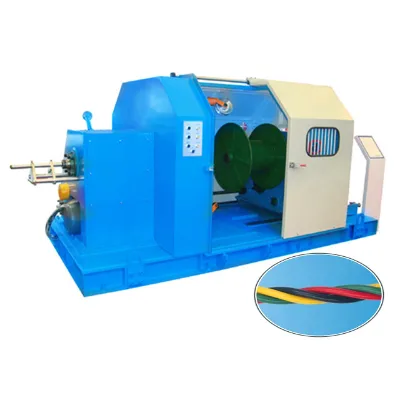


Automatic Cable Stripping and Twisting Machine Wire Stripping Twisting Machine
$1830.00 - $1860.00
MOQ: 1 Pieces


Automatic Cable Winding and Tying Machine Cable Twisting Bundling Equipment
$3000.00 - $5000.00
MOQ: 1 Pieces

Double Cables Wires Automatic Wire Cutting Stripping Twisting Machine
$1830.00 - $1860.00
MOQ: 1 Pieces


Cable Tie Tying Machine Automatic Cable Winding Twisting and Binding Machine
$3999.00 - $6999.00
MOQ: 1 Pieces


Comprehensive Sourcing Guide
Automatic Cable Twisting Machine Sourcing Guide
Selecting the right Automatic Cable Twisting Machine requires a clear understanding of the specific wire harness processes involved, ranging from high-speed stranding to precise binding and winding. Buyers must distinguish between fully automatic systems designed for continuous, high-volume production and semi-automatic units that offer flexibility for smaller batches or specialized configurations. The decision hinges on whether the primary need is rapid strand formation for large-diameter cables or meticulous twisting and binding for smaller gauge wires, as the mechanical architecture and control systems differ significantly between these operational modes.
Procurement teams should evaluate the machine’s automation grade and drive type to ensure alignment with their facility’s labor strategy and throughput goals. Electric-driven systems are prevalent in modern setups due to their precision and energy efficiency, while linkable drive modes may offer scalability for multi-station workflows. It is critical to verify the machine’s condition, as most listings indicate new equipment, but buyers must confirm whether the unit is a standalone solution or part of a larger integrated line, ensuring compatibility with existing upstream and downstream manufacturing equipment.
Product Scope and Observed Listing Signals
The market for automatic cable twisting machines presents a wide variance in pricing and specifications, reflecting the diversity of industrial applications. Observed listing prices range from approximately $300 to $2,000,000, a span that indicates the availability of both entry-level semi-automatic binders and high-end, fully automated stranding lines. This broad spectrum necessitates careful filtering based on the specific wire size and production speed requirements, as a machine capable of handling large diameter strands will naturally command a higher price point than a compact unit designed for fine wire binding.
Listing signals also reveal significant variation in physical dimensions and weight, which directly impacts factory floor planning and logistics. For instance, some high-speed stranding machines are substantial units weighing around 280kg with dimensions near 2160x730x1250mm, requiring robust flooring and specialized handling equipment. In contrast, smaller winding or binding machines may weigh as little as 25kg to 45kg with compact footprints, allowing for easier integration into existing workstations. Buyers must cross-reference these physical attributes with their facility’s spatial constraints and material handling capabilities to avoid costly installation delays.
Technical Specifications to Verify
When evaluating technical specifications, the application wire size and stripping length are primary determinants of machine suitability. Machines designed for stranding often accommodate wire diameters from 2mm to 10mm, with stripping lengths adjustable between 10mm and 40mm, ensuring precise preparation for subsequent assembly steps. For finer applications, such as winding or binding, the strandable wire diameter may range from 12 to 36 AWG, requiring machines with finer tension control and more delicate mechanical components to prevent damage to the insulation or conductor.
Production speed and operational parameters must be verified against the buyer’s output targets. High-speed stranding machines may boast productivity rates of 2000 to 2200 pieces per hour, driven by electric motors and featuring reversible main shafts for enhanced flexibility. Conversely, semi-automatic winding or binding units might operate at speeds of 1500 pieces per hour or offer adjustable winding speeds with multiple levels of control. Buyers should also inspect the spindle speed adjustment range, which can vary from 300 to 7500 RPM, to ensure the machine can handle the specific torque and rotational requirements of their chosen wire gauge.
Compliance and Safety Documentation
Certification status is a non-negotiable aspect of procurement, particularly for machinery operating in regulated industrial environments. Most listed automatic cable twisting machines carry CE certification, indicating compliance with European health, safety, and environmental protection standards. This certification is often a prerequisite for importing machinery into many international markets and serves as a baseline indicator that the manufacturer adheres to recognized engineering practices. Buyers should request valid certification documents and verify their authenticity with the issuing body to ensure legal operation and insurance validity.
Voltage and power requirements must be matched to the local electrical infrastructure to prevent equipment damage and ensure safe operation. While many machines are designed for standard 220V inputs, others may require different voltage configurations depending on the motor power and regional standards. The power consumption, often listed around 1kw for smaller units, should be factored into the facility’s energy budget. Additionally, buyers must ensure that the machine’s electrical components are properly grounded and that all safety interlocks are functional to protect operators from moving parts and electrical hazards.
Cost Drivers and Commercial Terms
The total cost of ownership extends beyond the initial purchase price to include packaging, shipping, and warranty coverage. Packaging methods vary, with some machines shipped in ply-wooden cases for heavy-duty protection, while others may use standard cartons, depending on the machine’s size and fragility. Buyers should assess the packaging quality to ensure that the equipment arrives without damage, particularly for precision components like spindles and control panels, which are sensitive to vibration and impact during transit.
Warranty terms provide a critical layer of financial protection and operational assurance. A standard one-year warranty is commonly offered, covering defects in materials and workmanship. However, buyers should clarify the scope of this warranty, including whether it covers labor costs for repairs and the availability of spare parts. Understanding the warranty conditions helps in budgeting for potential maintenance expenses and ensures that the supplier is committed to long-term support, which is essential for minimizing downtime in a production environment.
Supplier Qualification and Quality Control
Supplier qualification begins with verifying the origin and manufacturing capabilities of the equipment. Many automatic cable twisting machines originate from China, with specific manufacturing hubs like Kunshan known for producing such industrial machinery. Buyers should investigate the supplier’s production history and capacity to ensure they can meet quality standards and delivery schedules. Requesting references or case studies from previous clients can provide insight into the supplier’s reliability and the real-world performance of their machines.
Quality control processes should be transparent and rigorous. Buyers should inquire about the testing procedures conducted before shipment, including functional tests of the twisting, binding, and winding mechanisms. It is advisable to request video evidence of the machine in operation or to arrange for a third-party inspection before final payment. This due diligence helps identify any potential defects or performance issues early, allowing for corrective actions before the equipment is deployed in the buyer’s facility.
Long-Term Procurement Checks
Long-term procurement success depends on the availability of customization and after-sales support. Many suppliers offer customization options, allowing buyers to tailor the machine to specific wire types or production workflows. This flexibility is crucial for adapting to changing market demands or introducing new products. Buyers should confirm the extent of customization available, including modifications to the control software, mechanical attachments, or safety features, to ensure the machine remains relevant as their production needs evolve.
Maintenance and spare parts availability are key factors in sustaining operational efficiency. Buyers should establish a clear channel for technical support and ensure that critical spare parts, such as belts, motors, and control modules, are readily available. Understanding the lead time for parts delivery and the cost of maintenance services helps in planning for routine upkeep and unexpected repairs. A proactive approach to maintenance, supported by a reliable supplier, ensures that the Automatic Cable Twisting Machine continues to perform at optimal levels throughout its lifecycle.
FAQs
What is the warranty period for these machines?
The warranty period is 12 months or one year depending on the specific model. This coverage ensures protection against manufacturing defects during the initial operational phase for buyers in China and other regions.
Can the machines be customized for specific wire sizes?
Yes, customization is available to meet specific wire diameter requirements. Buyers can select models with strandable wire diameters ranging from 2 to 10mm or 12 to 36 AWG based on their production needs.
What is the typical productivity rate of these machines?
Productivity rates vary by model, with some achieving 2000 to 2200 pieces per hour. Other units may operate at 1500 pieces per hour, depending on the specific configuration and automatic grade selected.
Which certifications do these machines hold?
The machines hold CE certification to ensure compliance with safety standards. This certification is standard for the automatic grade equipment originating from China and supports international market entry requirements.
How are the machines packed for shipping?
Packaging options include ply-wooden cases or cartons depending on the specific unit. This ensures safe transport of the equipment, which weighs between 25kg and 280kg, to various global destinations.
What is the driving type for these machines?
The driving type is electric, providing efficient and reliable operation. Some models feature a linkable drive mode, allowing for flexible integration into existing production lines for wire harness processing.
Can the machines handle different winding diameters?
Yes, the machines can handle winding diameters ranging from 50 to 200mm. This flexibility allows manufacturers to process various coil sizes and twist bundle lengths effectively within the specified operational limits.