Source Automatic Cake Batter Transfer Pump for Bakery, Hotel, and Factory
Find and compare 30 Automatic Cake Batter Transfer Pump options for food processing. Evaluate models like the BS-P130 and LQ3A for features such as SUS304 construction, low defoaming, and high efficiency in central kitchens and bakeries.
Key considerations
Products List


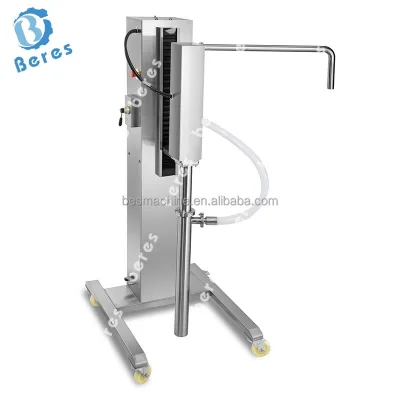
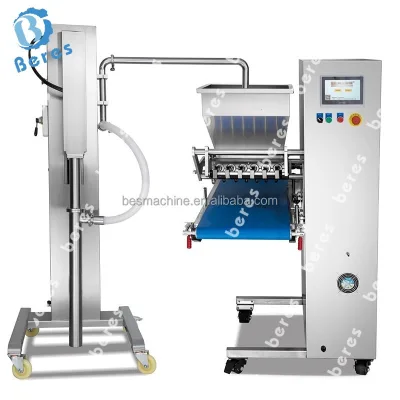
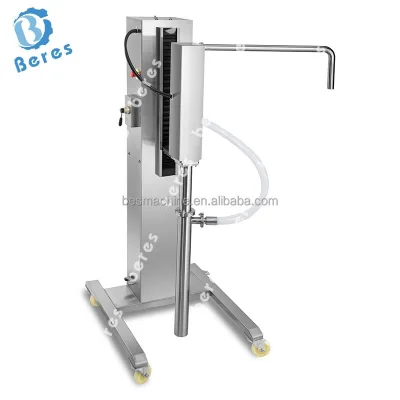
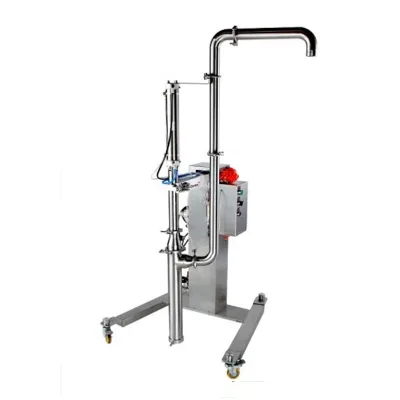
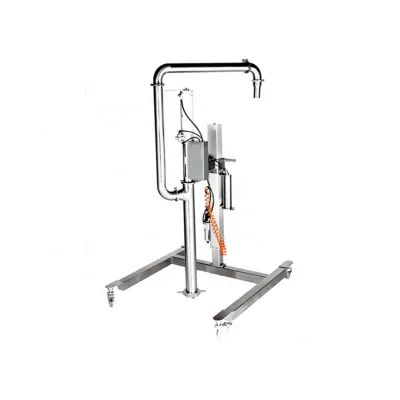
Fruit Filling Jellies Creams Mousses Lift Transfer Pump for Cake Batter
$5011.17 - $5624.78
MOQ: 1 sets


Cake Batter Food Filling Transfer Pumps Cookie Cake Cupcake Decorating Machines
$9400.00 - $9600.00
MOQ: 1 Pieces

Electric Automatic Cream Transfer Batter Food Pump Cakes Depositor Machine
$6400.00 - $6600.00
MOQ: 1 Pieces


Gusu Automatic Chocolate Transfer Pump for Versatile Syrup Applications
$1300.00 - $2300.00
MOQ: 1 Pieces


Gusu Automatic Chocolate Transfer Lifting Delivery Pump Machine Equipment
$1200.00 - $2200.00
MOQ: 1 Pieces

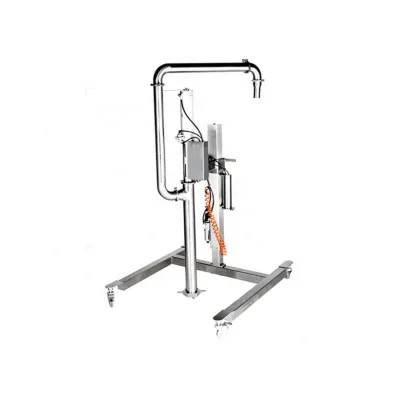


Comprehensive Sourcing Guide
Automatic Cake Batter Transfer Pump Sourcing Guide
Selecting the right Automatic Cake Batter Transfer Pump requires a careful balance of hygienic design, mechanical reliability, and operational efficiency. These specialized lobe or rotor pumps are engineered to handle viscous, shear-sensitive materials like cake batter, cream, and emulsions without causing defoaming or structural damage to the product. For procurement teams in the bakery and snack food sectors, the primary objective is to ensure consistent flow rates while maintaining strict sanitary standards. The equipment must seamlessly integrate into existing production lines, whether for cupcake filling, macaroon piping, or general batter conveyance, ensuring that the final product maintains its desired texture and volume.
The market offers a variety of configurations, ranging from standard export-ready units to fully customized solutions tailored to specific factory layouts. Buyers must navigate a wide spectrum of options, noting that observed listing prices can vary significantly based on material grade, motor power, and included components. While some suppliers offer basic models with minimal features, others provide advanced systems with timing devices, automatic controls, and enhanced cleaning protocols. Understanding these variations is crucial for aligning procurement decisions with both technical requirements and budgetary constraints, ensuring that the selected pump delivers long-term value without unnecessary complexity.
Product Scope and Observed Listing Signals
The typical application for these pumps extends beyond simple liquid transfer to include precise metering and lifting of heavy, viscous substances. Observed product listings frequently highlight usage in bakery environments, snack food factories, central kitchens, and hotels, where the ability to handle raw materials like water, milk, and cake batter is essential. The machinery is often described as a "Cake Batter Liquid Conveyor Lifter Hopper Machine," indicating its role in moving ingredients from storage hoppers to processing stations or filling nozzles. This versatility allows food manufacturers to automate previously manual tasks, reducing labor costs and minimizing the risk of cross-contamination during the transfer process.
Listing signals also reveal a strong emphasis on specific mechanical attributes that impact performance. Many suppliers advertise features such as "No Block for Corrosive Emulsion Liquid" and "External Engaged" mesh forms, which suggest robust construction designed to prevent clogging and ensure smooth operation. The inclusion of spare parts in the standard package is a notable signal, indicating that suppliers anticipate routine maintenance needs and aim to minimize downtime. Additionally, the presence of "Low Consumption High Efficiency" as a key selling point suggests that modern designs prioritize energy savings, which can significantly reduce operational costs over the lifespan of the equipment.
Technical Specifications to Verify
When evaluating technical specifications, buyers must prioritize the pump’s structural integrity and material compatibility. The use of SUS304 stainless steel for wetted parts is a critical requirement for food-grade applications, ensuring resistance to corrosion and ease of cleaning. The piston structure or lobe rotor design should be verified to confirm that it aligns with the viscosity of the intended product. For instance, models with a capacity of 10L/Min are suitable for smaller-scale operations, while larger facilities may require higher throughput units. It is also essential to verify the voltage requirements, as options like 110V/220V or 220V must match the local electrical infrastructure to prevent operational failures.
Dimensional and power specifications are equally important for integration into existing production lines. Buyers should check the overall dimensions, such as 916801913mm or similar variants, to ensure the pump fits within the designated space without obstructing workflow. The power consumption, often listed around 0.2kw, indicates the energy efficiency of the motor, which should be balanced against the required output pressure. Additionally, the inclusion of a timing device and the ability to customize the unit allow for precise control over the transfer process, ensuring that the pump can be synchronized with other machinery in the production line for optimal efficiency.
Compliance and Safety Documentation
Compliance with international standards is non-negotiable for food processing equipment. Buyers must verify that the pump holds relevant certifications, such as CE and ISO, which indicate adherence to safety and quality management principles. The presence of a CE Certificate is particularly important for suppliers targeting European markets, as it confirms that the product meets strict health, safety, and environmental protection requirements. Additionally, the machinery should be designed to meet international standards for food contact materials, ensuring that no harmful substances leach into the product during operation.
Safety features and documentation should be thoroughly reviewed before purchase. The pump should come with clear operational manuals and safety guidelines, detailing proper usage, maintenance procedures, and emergency shutdown protocols. Buyers should also inquire about the warranty terms, with a standard one-year warranty being a common offering that provides protection against manufacturing defects. Ensuring that the supplier provides comprehensive documentation not only aids in regulatory compliance but also facilitates smoother training for operators and more efficient maintenance by technical staff.
Cost Drivers and Commercial Terms
Several factors influence the final cost of an Automatic Cake Batter Transfer Pump, including the material grade, motor power, and level of customization. Units constructed with high-grade stainless steel and equipped with advanced control systems will naturally command a higher price. Buyers should also consider the packaging requirements, as standard export plywood case packing or customized wooden packing can affect shipping costs and lead times. Understanding these cost drivers allows procurement teams to make informed decisions that balance quality with budgetary constraints.
Commercial terms, such as minimum order quantities (MOQ) and payment terms, vary among suppliers. While some listings indicate an MOQ of 1, suggesting flexibility for small-scale buyers, others may require larger orders to achieve competitive pricing. It is crucial to clarify these terms early in the negotiation process to avoid unexpected costs. Additionally, buyers should inquire about the availability of spare parts and the cost of maintenance services, as these ongoing expenses can significantly impact the total cost of ownership. Transparent communication regarding commercial terms helps in building a sustainable and cost-effective procurement strategy.
Supplier Qualification and Quality Control
Evaluating supplier qualifications is a critical step in ensuring the reliability of the purchased equipment. Buyers should verify the supplier’s production capabilities, including their facility location, such as Henan, China, and their experience in manufacturing food processing machinery. A supplier with a strong track record in producing lobe pumps for the food industry is more likely to deliver high-quality products that meet specific operational needs. Additionally, buyers should request references or case studies from existing clients to gauge the supplier’s reputation and customer satisfaction levels.
Quality control measures should be rigorously assessed to ensure that the pump meets the specified standards. Buyers should inquire about the supplier’s quality assurance processes, including material testing, assembly inspections, and final performance checks. The inclusion of a "New" condition status and a "1 Year" warranty suggests that the supplier stands behind the quality of their products. Furthermore, buyers should consider the supplier’s ability to provide customized solutions, as this indicates a higher level of technical expertise and flexibility in meeting unique procurement requirements.
Long-Term Procurement Checks
Long-term procurement success depends on the supplier’s ability to provide ongoing support and maintenance services. Buyers should establish clear communication channels with the supplier to address any technical issues or maintenance needs that may arise during the pump’s operational life. The availability of spare parts, such as seals and rotors, is crucial for minimizing downtime and ensuring continuous production. Buyers should also verify the supplier’s response time for technical support and their willingness to provide training for maintenance personnel.
Regular performance monitoring and preventive maintenance are essential for extending the lifespan of the pump. Buyers should develop a maintenance schedule that includes routine inspections, cleaning, and lubrication of moving parts. By adhering to these best practices, food manufacturers can ensure that the pump operates efficiently and reliably over time. Additionally, staying informed about advancements in pump technology and industry standards can help buyers make informed decisions about future upgrades or replacements, ensuring that their production lines remain competitive and efficient.
FAQs
What is the voltage requirement for the Automatic Cake Batter Transfer Pump?
The pump operates on 110V or 220V electric power to ensure compatibility with various factory setups. This dual voltage capability allows flexible installation in different regions without requiring additional transformers for standard operations.
Can the pump handle corrosive emulsion liquids without blockage?
Yes, the rotor pump design specifically prevents blockage when processing corrosive emulsion liquids. This feature ensures continuous operation in demanding food processing environments where chemical resistance is critical for maintaining production efficiency.
Which certifications does the machinery hold for international compliance?
The equipment holds CE and ISO certifications to meet international safety and quality standards. These credentials verify that the machinery adheres to rigorous regulatory requirements for export and operation in global food production facilities.
How is the product packed for safe international shipping?
Items are packed in standard export plywood cases or customized wooden packing to ensure durability during transit. This robust packaging protects the machinery from damage while facilitating efficient handling at ports and distribution centers worldwide.
What is the minimum order quantity for purchasing this pump?
The minimum order quantity is one single item, allowing buyers to test the equipment without bulk commitments. This flexible MOQ policy supports small-scale bakeries and factories looking to upgrade their batter handling systems efficiently.
What is the output capacity of the cake batter transfer system?
The system delivers an output capacity of 10 liters per minute for consistent production flow. This rate is suitable for handling cake batter, milk, and water in bakery and snack food factory applications requiring steady liquid conveyance.