Source Automatic Carpet Overlock Machine for Blankets, Foot Pads, and Rugs
Find 30 Automatic Carpet Overlock Machine listings from verified Chinese manufacturers. Compare specifications like voltage, weight, and sewing width to select the right industrial overlock sewing machine for carpet, blanket, and foot pad applications; compare the available evidence and request quotations based on your requirements.
Key considerations
Products List


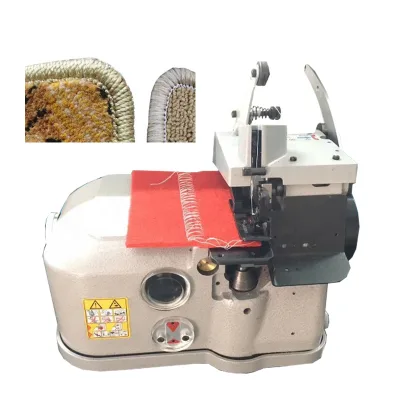
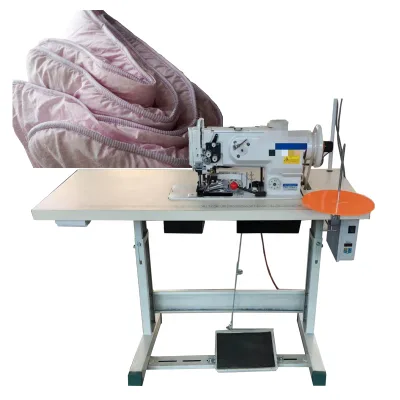
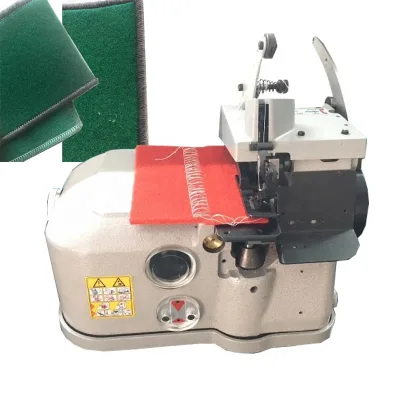

Overlock Carpet Overlock Sewing Machine Tape Overlock Sewing Machine
$2100.00 - $2300.00
MOQ: 1 Pieces


Blanket Making Machine Quilt Production Line Overlock Machine for Carpet
$4250.00 - $4300.00
MOQ: 1 Pieces


Overlock Sewing Machine Carpet Sewing Machine Tape Overlock Sewing Machine with Tape
$2100.00 - $2300.00
MOQ: 1 Pieces


Comprehensive Sourcing Guide
Automatic Carpet Overlock Machine Sourcing Guide
Procuring an Automatic Carpet Overlock Machine requires distinguishing between general industrial sewing units and specialized edge-trimming equipment designed for heavy textiles. The observed market listings reveal a diverse range of models, including specific variants like the YZDTBB and SR-FRJ, which cater to different operational needs such as carpet binding, blanket edging, and foot pad production. Buyers must carefully align their specific material requirements with the machine's stated capabilities, noting that some units are explicitly marketed for applications involving tape edge processing and overlocking, while others focus on general lockstitch automation.
The commercial landscape for these machines presents a significant variance in pricing, with observed listings ranging from $1 to $8,500, reflecting differences in motor power, automation levels, and build quality. While some suppliers offer single-item selling units with minimal order quantities, the presence of features like video factory inspections and customization options suggests a market where direct engagement with the manufacturer is often necessary to finalize specifications. Understanding these listing signals helps buyers navigate the spectrum from basic manual-assist models to fully automated industrial solutions without overpaying for unnecessary features or underestimating the complexity of high-speed edge trimming.
Product Scope and Observed Listing Signals
Buyers should verify the specific functional scope of the machine, as listings often conflate general sewing machines with specialized overlock units. The available data indicates that these machines are designed for applications such as carpet, blanket, and foot pad processing, with some models explicitly featuring cutting and sewing capabilities. It is critical to confirm whether the unit is a single-head lockstitch machine or a multi-thread overlocker, as the thread count and needle type, such as the 135X17 specification, directly impact the seam quality and the types of fabrics the machine can handle effectively.
The physical attributes and packaging details provided in listings serve as essential verification points for logistics and facility planning. Observed specifications include varying weights, ranging from 20kg to 200kg, and distinct dimensions, with some units measuring 560mm in length and others packaged in wooden cases for heavy-duty transport. These physical constraints influence the required floor space and handling equipment in the buyer's facility, making it imperative to cross-reference the listed weight and dimensions with the actual installation requirements before committing to a purchase order.
Technical Specifications to Verify
Technical due diligence must focus on the motor power and operational speed, as these factors dictate the production throughput and energy consumption of the machine. Listings indicate power ratings such as 1HP and speeds reaching 2000rpm, which are suitable for high-volume industrial environments but require stable power supplies and appropriate ventilation. Buyers should also verify the air pressure requirements, as some advanced models specify an air request of 0.8MPa, necessitating the installation of compatible compressed air systems to ensure consistent performance and prevent mechanical failures during operation.
The mechanical configuration, including needle type, sewing width, and lift foot height, determines the versatility of the machine for different textile thicknesses and edge treatments. Specific models offer sewing widths between 12-15mm and lift foot heights of 9mm or 16mm, allowing for adjustments based on the material being processed. Additionally, the presence of core components like the motor and the specific needle compatibility, such as Nm125 to Nm200 ranges, must be confirmed to ensure that replacement parts are readily available and that the machine can handle the specific tension and stitch density required for carpet and blanket overlocking.
Compliance and Safety Documentation
Safety and regulatory compliance are paramount when sourcing industrial machinery, and buyers must request valid certification documents before finalizing any transaction. The observed market data includes references to CE and ISO certifications, which indicate adherence to specific safety and quality management standards, though the exact scope of these certifications should be verified against the specific model number. It is essential to ensure that the provided documentation is current and applies to the specific unit being purchased, as certifications can vary between different production batches or model revisions.
Beyond general certifications, buyers should scrutinize the warranty terms and the availability of after-sales support to mitigate long-term operational risks. Most listings in this category offer a one-year warranty, which covers potential defects in core components like the motor, but the specific terms of coverage and the process for claiming repairs must be clearly understood. The availability of video factory inspections is a valuable tool for verifying the manufacturing quality and the supplier's ability to maintain these standards, providing an additional layer of assurance regarding the machine's build quality and safety features.
Cost Drivers and Commercial Terms
The final cost of an Automatic Carpet Overlock Machine is influenced by a complex mix of factors, including motor power, automation features, and the extent of customization offered. While the observed price range is broad, from $1 to $8,500, the lower end often corresponds to basic models with standard specifications, whereas higher prices reflect advanced features like integrated cutting mechanisms, higher speed capabilities, or specialized customization options. Buyers should analyze the total cost of ownership, considering not just the purchase price but also the potential costs associated with energy consumption, maintenance, and the need for additional accessories like compressed air systems.
Commercial terms such as minimum order quantity (MOQ) and payment conditions play a significant role in the procurement strategy, particularly for international buyers. The data indicates that many suppliers operate with an MOQ of 1, allowing for single-item purchases, which is beneficial for small-scale operations or pilot testing. However, buyers must clarify the lead times and shipping arrangements, as the origin of these machines is typically China, and the weight and dimensions of the units can significantly impact freight costs and delivery schedules.
Supplier Qualification and Quality Control
Evaluating supplier qualification requires a rigorous assessment of their manufacturing capabilities and quality control processes, often facilitated by video factory inspections. These inspections provide a visual confirmation of the production line, the condition of the machinery, and the adherence to standard operating procedures, which is crucial for verifying that the supplier can consistently deliver high-quality products. Buyers should look for evidence of standardized production processes and the ability to provide detailed documentation regarding the assembly and testing of each unit before shipment.
Quality control extends beyond the initial inspection to include the verification of core components and the overall build quality of the machine. The presence of specific core components like the motor and the use of standardized parts, such as the 135X17 needle, are indicators of a supplier's commitment to using reliable, interchangeable parts. Buyers should request detailed specifications for these components and verify that the supplier has a robust system for testing the machine's performance, including speed and stitch consistency, to ensure it meets the required industrial standards before it leaves the factory.
Long-Term Procurement Checks
Establishing a long-term procurement strategy involves setting up regular checks on the machine's performance and the availability of spare parts to minimize downtime. Given the industrial nature of these machines, which are often used for continuous production of carpets and blankets, the reliability of the motor and the precision of the sewing head are critical factors that require ongoing monitoring. Buyers should establish a maintenance schedule that includes regular inspections of the needle, thread tension, and air pressure systems to ensure consistent operation and to prevent costly breakdowns.
The availability of technical support and the supplier's responsiveness to service requests are also key considerations for long-term success. A one-year warranty provides a baseline of protection, but buyers should verify the supplier's capacity to provide timely repairs and technical assistance beyond the warranty period. This includes ensuring that the supplier can supply replacement parts, such as needles and motors, and that they have the expertise to troubleshoot complex issues related to the machine's automation and edge-trimming functions, thereby securing a sustainable supply chain for their production needs.
FAQs
What is the voltage requirement for an Automatic Carpet Overlock Machine?
The machine typically operates on a 220 V power supply. This standard voltage ensures compatibility with most industrial workshop electrical systems. Buyers should verify their local power infrastructure matches this requirement before installation to prevent electrical issues or motor damage during high-speed sewing operations.
How fast can an Automatic Carpet Overlock Machine sew?
The sewing speed reaches up to 2000rpm for efficient production. This high speed allows for rapid processing of carpets and blankets. The machine maintains stability at this rate, making it suitable for high-volume manufacturing environments where throughput and consistent stitch quality are critical operational priorities.
What certifications do automatic carpet overlock machines usually have?
These machines commonly hold CE and ISO certifications. These standards indicate compliance with European safety regulations and international quality management systems. Buyers should request valid certification documents to ensure the equipment meets local regulatory requirements and maintains high manufacturing safety and quality benchmarks.
Can an Automatic Carpet Overlock Machine handle different fabric thicknesses?
Yes, the machine features a lift foot height of 9mm or 16mm. This adjustable clearance accommodates various material thicknesses, including carpets, blankets, and foot pads. The design ensures smooth feeding of bulky materials without jamming, providing versatility for diverse textile production needs.
What is the warranty period for an Automatic Carpet Overlock Machine?
The standard warranty period is one year. This coverage typically includes core components like the motor. Buyers should review the specific warranty terms to understand what parts are covered and the process for claiming support, ensuring long-term operational reliability and reduced maintenance risks.
How is an Automatic Carpet Overlock Machine packaged for shipping?
The machine is packed in a sturdy wooden case. This packaging protects the equipment from damage during transit and handling. The wooden case ensures safe delivery to international destinations, preserving the machine's condition and functionality upon arrival at the buyer's facility for immediate setup.