Source Automatic Industrial Fusing Machine for Textile, Wire, and Apparel
Compare 30 listings for the Automatic Industrial Fusing Machine to find options for textile bonding, wire cutting, and apparel manufacturing. Buyers can review specifications like heating type, speed, and dimensions to select the right equipment for factory use; compare the available evidence and request quotations based on your requirements.
Key considerations
Products List

Smooth Surface Heat Resistant PTFE Seamless Fusing Machine Industrial Conveyor Belt
$36.50 - $50.00
MOQ: 100 Square Meters


Automatic Correct Garment Fusing Machine Hot Fusing Clothes Ironing Press Machine
$5500.00 - $5600.00
MOQ: 1 Pieces

Garment Type Fabric Fusing Machine Fusing Clothes Ironing Press Machine
$6900.00 - $7200.00
MOQ: 1 Pieces

Factory Directly Fusing Press Machine /Fusing Interlining Machine / Fusing Machine
$6900.00 - $7200.00
MOQ: 1 Pieces


Automatic Fabric Bonding Garment Multi-Function Ultrasonic Fusing Machine
$1070.00 - $1090.00
MOQ: 1 Pieces




Comprehensive Sourcing Guide
Automatic Industrial Fusing Machine Sourcing Guide
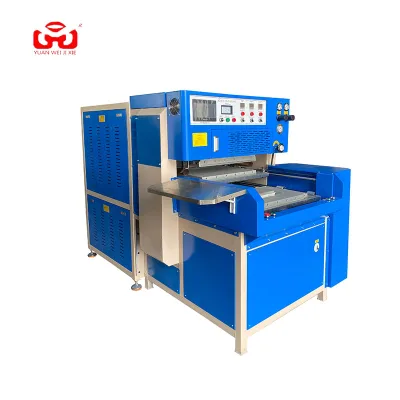
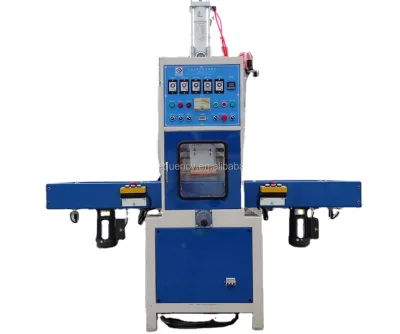
Procuring an Automatic Industrial Fusing Machine requires a precise understanding of the specific material processing needs, as the market offers diverse configurations ranging from simple mesh belts to complex wire cutting systems. Buyers must first distinguish between machines designed for textile or composite fusing, which often utilize PTFE-coated fiberglass belts for high-temperature resistance, and those engineered for wire processing, which focus on precision cutting and fusing lengths. The observed product landscape includes models like the CH-F900 and SOAR-RDJ05, indicating that automation levels and heating types vary significantly across suppliers.
The decision process should begin by mapping the production workflow to the machine’s core capabilities, such as ironing speed, motor power, and heating time. For instance, some units offer variable speeds up to 25 meters per minute, while others prioritize static fusing lengths for specific material thicknesses. Understanding these operational parameters ensures that the selected equipment aligns with throughput requirements and material constraints, preventing costly mismatches between machine output and production line capacity.
Product Scope and Observed Listing Signals
The current market listings reveal a wide spectrum of automatic fusing solutions, primarily centered around fiberglass mesh cloth applications and wire processing tasks. Products such as the PTFE Fusing Machine Belt (KB040B) highlight the importance of surface treatment, emphasizing features like non-stick surfaces and chemical resistance for continuous operation. These belts are often paired with automatic grade machinery, suggesting that buyers should look for integrated systems where the belt transport and heating elements are synchronized for consistent quality.
In contrast, other listings focus on complete machine units like the CH-900 or YS-450, which include specific dimensions and power supplies ranging from 1.1kw to 7.5kw. These units often feature electricity heating and electric drives, catering to factory environments where stable power and precise temperature control are critical. The presence of customized sizes and colors indicates that suppliers are flexible, but buyers must verify if these customizations affect the structural integrity or standard compliance of the final product.
Technical Specifications to Verify
When evaluating technical specifications, buyers must prioritize the heating type and temperature resistance range, as these factors directly impact material compatibility. Many observed units operate within a temperature range of -70 to 260 degrees Celsius, which is suitable for various synthetic materials but may require verification for extreme industrial environments. It is essential to confirm whether the heating mechanism, such as electricity heating, provides uniform heat distribution across the entire fusing length, which can vary from 100mm to 30m depending on the model.
Motor power and drive systems are equally critical for maintaining consistent performance under load. Specifications such as 1.1kw motor power or variable ironing speeds up to 25m/min suggest that buyers should assess the machine’s ability to handle continuous operation without overheating or stalling. Additionally, the physical dimensions, such as 2100 x 1500 x 1500 mm for certain models, must be checked against available floor space and utility connections to ensure seamless integration into the existing factory layout.
Compliance and Safety Documentation
Compliance with international standards is a non-negotiable aspect of sourcing automatic industrial fusing machines, particularly regarding electrical safety and material certifications. Buyers should request documentation confirming RoHS and ISO certifications, which indicate adherence to environmental and quality management standards. The presence of CE certification is also vital for machines intended for use in regions with strict regulatory frameworks, ensuring that the equipment meets essential health and safety requirements.
Beyond certifications, buyers must verify the safety features integrated into the machine’s design, such as emergency stops, thermal cut-offs, and protective guarding. These features are crucial for preventing accidents during high-temperature operations or when handling moving parts like rollers and belts. Ensuring that the supplier provides comprehensive safety manuals and training materials is equally important to guarantee that operators can use the machine safely and efficiently.
Cost Drivers and Commercial Terms
The cost of an Automatic Industrial Fusing Machine is influenced by several factors, including the complexity of the automation, the quality of materials used, and the level of customization required. Prices observed in the market range from $0.98 for individual components like belts to $200,000 for fully integrated systems, highlighting the significant variance in investment levels. Buyers should carefully analyze whether the quoted price includes installation, training, and after-sales support, as these services can add substantial value to the initial purchase.
Commercial terms such as MOQ, lead time, and payment conditions also play a crucial role in the total cost of ownership. While some suppliers offer an MOQ of just one piece, others may require larger orders to achieve economies of scale. It is advisable to negotiate flexible payment terms and clear warranty conditions to mitigate financial risks, ensuring that the supplier is committed to long-term support and maintenance of the equipment.
Supplier Qualification and Quality Control
Supplier qualification is a critical step in ensuring the reliability and longevity of the purchased fusing machine. Buyers should verify the supplier’s manufacturing capabilities, including their facility location, such as Shandong or Taizhou in China, and their experience in producing similar equipment. Requesting references from previous clients and conducting site visits, if possible, can provide valuable insights into the supplier’s production processes and quality control measures.
Quality control should extend beyond the final product to include the sourcing of raw materials and components. Buyers should inquire about the suppliers’ policies on material traceability, such as the use of E-Glass fiberglass yarn and PTFE coatings, to ensure consistency in performance. Additionally, establishing clear acceptance criteria and inspection protocols before shipment can help identify and rectify any defects early, reducing the risk of operational disruptions upon installation.
Long-Term Procurement Checks
Long-term procurement success depends on the availability of spare parts and the supplier’s commitment to ongoing support. Buyers should confirm the lead times for critical components like PTFE belts, motors, and heating elements, as downtime can significantly impact production efficiency. Establishing a service level agreement (SLA) with the supplier can ensure timely maintenance and repairs, minimizing the risk of prolonged machine outages.
Furthermore, buyers should regularly review the machine’s performance against initial specifications to identify any degradation in quality or efficiency. This includes monitoring temperature stability, fusing speed consistency, and material waste rates. By maintaining open communication with the supplier and providing feedback on machine performance, buyers can foster a collaborative relationship that supports continuous improvement and optimal operational outcomes.
FAQs
What is the temperature resistance range for PTFE coated fiberglass mesh belts?
The temperature resistance range is -70 to 260 degrees Celsius. This specification ensures reliable performance in high-heat industrial environments. The PTFE coating provides a non-stick surface and high-temperature resistance. These features make the material suitable for continuous fusing operations without degradation or sticking issues during processing.
Can the Automatic Industrial Fusing Machine be customized for specific needs?
Yes, customization is available for various machine components and specifications. Buyers can request customized sizes, colors, and standard configurations. The product supports non-customized options as well. This flexibility allows manufacturers to tailor the equipment to their specific production line requirements and spatial constraints effectively.
Which certifications are provided for the Automatic Industrial Fusing Machine?
The machine holds CE and RoHS certifications, along with ISO standards. These certifications indicate compliance with international safety and environmental regulations. The ISO certification ensures quality management processes are followed. Buyers can rely on these documented standards for regulatory compliance and operational safety in their manufacturing facilities.
What is the MOQ for purchasing the Automatic Industrial Fusing Machine?
The minimum order quantity is one piece. This low MOQ allows buyers to test the equipment with minimal initial investment. It supports small-scale procurement or trial orders. Buyers can start with a single unit before committing to larger volumes, reducing financial risk and allowing for performance evaluation.
How is the Automatic Industrial Fusing Machine packed for shipping?
The machine is packed in wooden cases or cartons depending on the model. Some items use wooden packing for enhanced protection during transit. Others may use standard cartons. This secure packaging ensures the equipment arrives safely. Buyers should verify the specific packing method for their chosen model to ensure proper handling and storage upon delivery.
What is the power supply requirement for the CH-F1200 model?
The power supply requirement is 5 to 7.5 kilowatts. This model features electricity heating and an automatic grade. The motor power is 1.1kw. These specifications support efficient wire fusing and cutting applications. Buyers must ensure their facility can provide the necessary electrical capacity for stable operation.