Source Ultrasonic Lace Cutting Sewing Machine for Packaging
Find 30 Ultrasonic Lace Cutting Sewing Machine models from China. Compare specifications like 18kHz and 20kHz frequencies, power inputs, and working speeds for service industry and household applications. These machines support cutting, welding, stitching, and embossing. Buyers can evaluate options based on automatic grade, voltage supply, and effective width to select the right equipment for their specific production needs.
Key considerations
Products List


Hot Sale Ultrasonic Equipment / Sewing Machine / Ultrasonic Lace Machine
$989.00 - $1354.00
MOQ: 1 set


Manual Non Woven Ultrasonic Lace Sewing Machine Ultrasonic Lace Machine
$500.00 - $899.00
MOQ: 1 Pieces


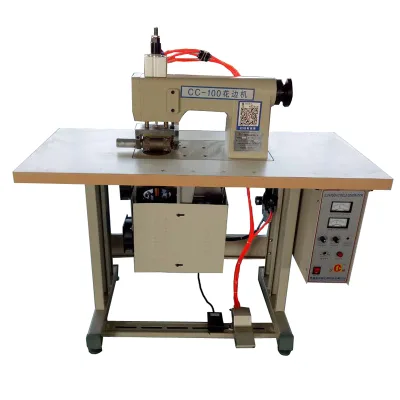
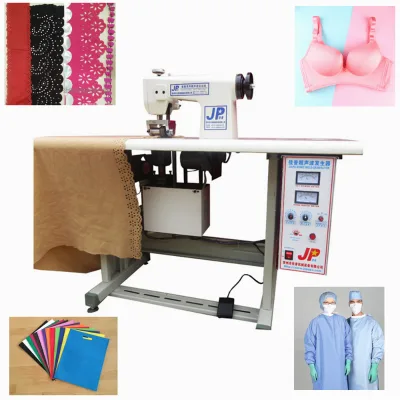


Powerful Ultrasonic Cutting Machine for Industrial Lace Applications
$4500.00 - $5000.00
MOQ: 1 Pieces


Comprehensive Sourcing Guide
Ultrasonic Lace Cutting Sewing Machine Sourcing Guide
Buyers must first distinguish between models designed for middle-thickness materials and those optimized for thin fabrics, as this dictates the machine's suitability for specific lace production lines. The observed product range includes units with varying functional capabilities, such as cutting, welding, and package edge finishing, which require careful alignment with your specific manufacturing workflow. Understanding these distinctions prevents the procurement of equipment that cannot handle your material thickness or required finishing operations.
The market data indicates a diverse array of configurations, including automatic and semiautomatic grades, which directly impacts labor requirements and throughput efficiency. Some units feature pedal driving forms while others rely on fully automated cycles, necessitating a clear assessment of your shop floor's operational style. Procurement decisions should prioritize machines that match your desired output frequency, such as the 18kHz or 20kHz options observed, to ensure consistent ultrasonic performance across different lace types.
Product Scope and Observed Listing Signals
Procurement teams should verify the specific functional attributes of each unit, noting that some models offer stitching and hot stamping alongside cutting and embossing capabilities. The observed listings reveal machines tailored for both service industry and household applications, requiring buyers to confirm the intended use case matches their production volume and environment. A machine listed for household use may lack the durability or speed required for high-volume commercial lace manufacturing.
Buyers must also scrutinize the physical dimensions and weight specifications, as the observed data shows significant variance in machine size and mass across different models. Units range from approximately 100kg to 180kg with distinct external dimensions, which influences floor space planning and installation logistics. Ensuring the machine's footprint and weight align with your facility's structural capacity and available workspace is a critical step before finalizing any purchase agreement.
Technical Specifications to Verify
Technical due diligence requires confirming the power input and output specifications, as observed units vary between 1500W and 2500W with adjustable settings. The power supply requirements, typically 220V 50Hz, must be compatible with your local electrical infrastructure to prevent operational failures or safety hazards. Buyers should explicitly verify the voltage tolerance and frequency stability to ensure the ultrasonic generator operates within the safe parameters for continuous production.
Working speed and effective width are equally critical parameters that define the machine's production capacity and versatility. The observed range of working speeds from 0 to 25m/min suggests different models are optimized for varying fabric thicknesses and production rates. Additionally, the effective width of 90mm and roller width specifications must be checked to ensure the machine can accommodate the specific lace patterns and widths required for your final products.
Compliance and Safety Documentation
Safety compliance is paramount, and buyers must verify that the equipment carries recognized certifications such as CE before deployment in any facility. The presence of certification marks indicates that the machine has undergone specific safety assessments regarding electrical hazards and mechanical risks. Procurement teams should request the full certification documentation to ensure the equipment meets the regulatory standards of the destination country.
Beyond general safety, the operational safety features, such as the driving form and automatic grade, must be evaluated for their impact on worker safety. Pedal-driven models require specific operator training to prevent accidental activation, while automatic units may present different ergonomic considerations. Ensuring that the machine's safety protocols align with your internal occupational health and safety policies is essential for maintaining a secure working environment.
Cost Drivers and Commercial Terms
Pricing structures for these machines are influenced by their functional complexity, power output, and the level of automation provided. The observed price range is broad, reflecting the differences between basic cutting units and advanced models with stitching and embossing capabilities. Buyers should analyze the total cost of ownership, including energy consumption and maintenance requirements, rather than focusing solely on the initial purchase price.
Commercial terms such as minimum order quantity and delivery lead times are also significant factors in the procurement process. While some listings indicate a low minimum order quantity, the delivery time can vary, with some units available within seven days. Negotiating clear terms regarding packaging, such as fumigation-free wooden cases, and establishing a realistic timeline for shipment is crucial for maintaining production schedules.
Supplier Qualification and Quality Control
Supplier qualification should focus on verifying the origin and manufacturing standards of the equipment, as observed products originate from specific regions in China. Buyers must confirm that the supplier has a proven track record of producing machines that meet the specified standards and dimensions. Requesting references from previous clients who have purchased similar models can provide insight into the supplier's reliability and product consistency.
Quality control measures must be established to ensure the delivered machine matches the advertised specifications and performance claims. Buyers should insist on pre-shipment inspections that verify the machine's weight, dimensions, and functional capabilities against the provided data. Establishing a clear protocol for testing the ultrasonic frequency and working speed upon arrival ensures that the equipment performs as expected before full integration into the production line.
Long-Term Procurement Checks
Long-term procurement success depends on verifying the availability of spare parts and the supplier's capacity for after-sales support. The complexity of ultrasonic systems means that component failure can halt production, making a robust support network essential for minimizing downtime. Buyers should confirm the supplier's ability to provide technical assistance and replacement parts for the specific model purchased.
Maintenance requirements and the expected lifespan of the machine are also critical considerations for long-term planning. The observed specifications regarding power input and working speed suggest that regular maintenance is necessary to sustain optimal performance. Establishing a maintenance schedule and ensuring the supplier provides clear operational manuals will help extend the machine's service life and protect your investment over time.
FAQs
What functions does the Ultrasonic Lace Cutting Sewing Machine perform?
The machine performs cutting, welding, stitching, hot stamping, embossing, and package edge sealing. It is designed for both service industry and household applications. The automatic grade ensures consistent operation. This versatility allows users to handle various fabric types efficiently without needing multiple separate devices for different finishing tasks.
Can the Ultrasonic Lace Cutting Sewing Machine be customized?
Yes, customization is available for these machines. Buyers can request specific modifications to meet unique production requirements. The equipment supports adjustable power input ranging from 1500W to 2500W. This flexibility ensures the machine adapts to different material thicknesses and operational speeds, providing a tailored solution for diverse manufacturing environments.
What is the power supply requirement for the machine?
The machine requires a 220V 50Hz 6A power supply. Some models accept 220±5V 50Hz 6A input. The installed power is typically 2000W. This standard electrical configuration allows for easy integration into most industrial or household workshops. Users should ensure their facility provides stable voltage to maintain optimal ultrasonic frequency performance during continuous operation.
How fast can the Ultrasonic Lace Cutting Sewing Machine operate?
Working speeds range from 0 to 25 meters per minute depending on the model. Some units operate at 10 meters per minute, adjustable based on fabric thickness. The output frequency is typically 18kHz or 20kHz. This variable speed capability allows operators to balance precision and throughput, ensuring clean cuts and strong seals across different material densities.
What certifications do these machines typically hold?
These machines typically hold CE certification. This indicates compliance with European health, safety, and environmental protection standards. The certification is a key factor for international trade and market access. Buyers should verify specific documentation for each model to ensure it meets local regulatory requirements in their target market before placing orders.
What is the typical delivery time for these machines?
The typical delivery time is 7 days. This lead time applies to standard orders after confirmation. The machines are packed in fumigation-free wooden cases or cartons for safe transport. Buyers should account for shipping duration separately. Early communication with suppliers helps ensure timely production scheduling and avoids delays in setting up new manufacturing lines.
Where are these machines manufactured?
These machines are manufactured in China, specifically in regions like Henan and Zhejiang. The origin is listed as China Mainland. This location is a major hub for textile machinery production. Buyers can expect competitive pricing and established supply chains. Verifying the specific factory location helps assess logistics costs and potential for factory visits or quality inspections.