Source Cylinder Bed Leather Sewing Machine for Shoes, Sofas, and Service
Find 30 verified Cylinder Bed Leather Sewing Machine listings from Chinese manufacturers. Compare models like FX-441 and FX-1341-7 for shoe making, sofa production, and service industry applications with varying automatic grades and delivery times; compare the available evidence and request quotations based on your requirements.
Key considerations
Products List


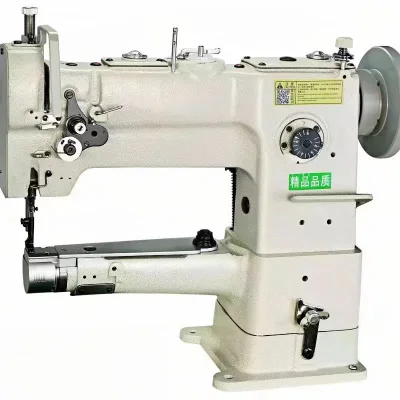
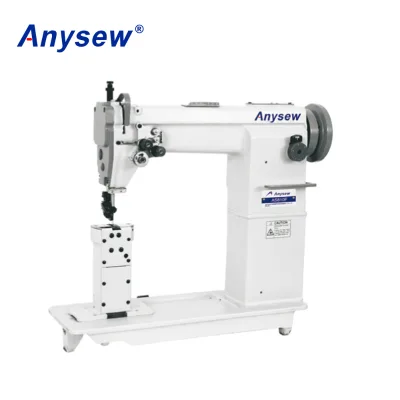


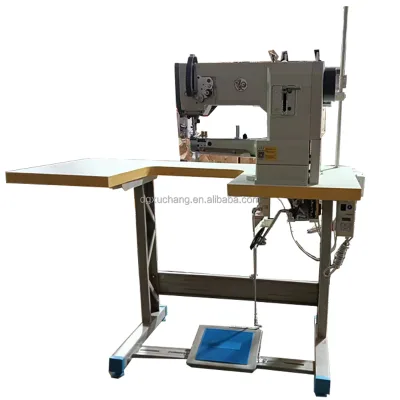
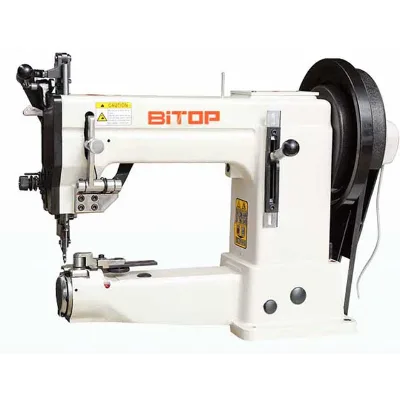
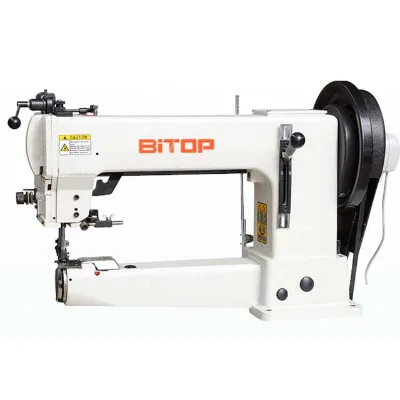
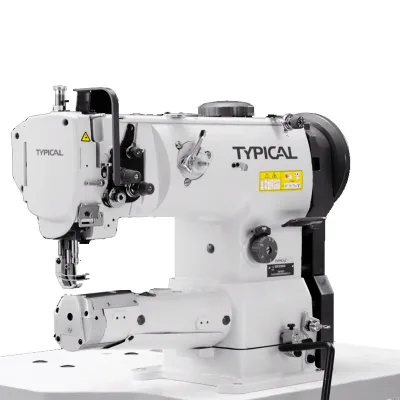
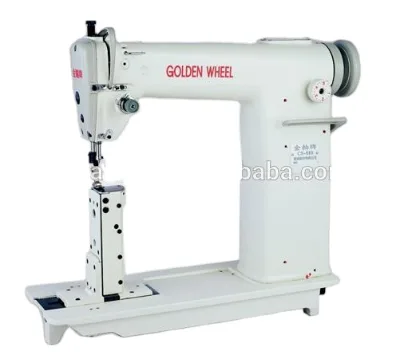


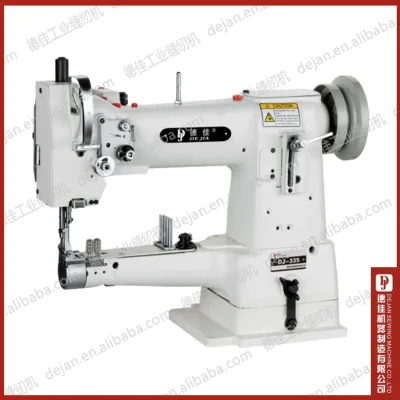
Comprehensive Sourcing Guide
Cylinder Bed Leather Sewing Machine Sourcing Guide
Procuring a Cylinder Bed Leather Sewing Machine requires careful evaluation of the specific mechanical architecture needed for handling thick, curved materials. The observed market data indicates that these units are frequently classified as heavy-duty or specialized equipment designed for the shoe making and service industries. Buyers must distinguish between semiautomatic and fully automatic grades, as the listed products show a mix of drive types including foot step and motor-driven systems. Understanding this distinction is critical before initiating contact with potential suppliers, as the automation level directly impacts production throughput and operator training requirements.
The physical configuration of the cylinder bed is essential for navigating complex seams in leather goods, such as shoe uppers or sofa cushions. Listings confirm that these machines often feature single-needle lock stitch mechanisms optimized for thick material applications. When reviewing product catalogs, verify that the machine model, such as the FX-441 or FX-1341-7, aligns with your specific production volume and material thickness needs. The availability of customization options suggests that many manufacturers can adapt the bed size or needle configuration to suit unique manufacturing workflows, making detailed specification checks a priority during the initial sourcing phase.
Product Scope and Observed Listing Signals
The current market landscape for cylinder bed leather sewing machines reveals a diverse range of models with varying operational capabilities. Observed listings include specific product names like the "246 Sewing Machine" and models such as the BL-218, which are explicitly marketed for leather usage and shoe making industries. These signals indicate that the category encompasses both general-purpose heavy-duty units and specialized machinery tailored for seat cushion and sofa production. Buyers should analyze the stated application place, noting that some units are designated for factory environments while others target service industry needs, which influences the required durability and feature set.
Packaging and transportation details provide further insight into the logistical scope of these procurement opportunities. The data shows that products are shipped in either cartons or wooden cases, with transportation methods including sea and air freight options. This variability suggests that suppliers are equipped to handle different order sizes and delivery urgency levels, with some offering a minimum order quantity of just one set. However, the presence of single package sizes ranging from 75x34x93 cm to 67x30x59 cm highlights the need for precise freight cost calculations based on the specific model selected.
Technical Specifications to Verify
Technical verification must begin with the automatic grade and drive mechanism, as the supplied facts present conflicting data points regarding semiautomatic versus automatic classifications. Buyers should explicitly confirm whether the specific unit operates via a foot step or a motor-driven system, as this determines the power source and operational rhythm. The voltage specification is another critical parameter, with observed listings indicating a standard 220V requirement. Ensuring compatibility with your facility's electrical infrastructure is essential to prevent operational downtime or the need for costly voltage conversion equipment.
The mechanical specifications regarding needle count and stitch type are fundamental to the machine's performance in leather applications. All observed models in this category utilize a single needle with a lock stitch type, which is standard for creating durable seams in thick materials. However, the applicable thickness capability varies, and buyers must verify that the machine can handle the specific gauge of leather or upholstery fabric they intend to process. Additionally, checking the overall dimensions and weight, which can reach up to 69 kg gross weight, is necessary to ensure the equipment fits within your designated workspace and can be safely installed.
Compliance and Safety Documentation
Compliance verification is a primary concern when sourcing industrial sewing equipment, particularly regarding electrical safety and operational standards. The provided facts confirm that CE certification is a documented attribute for several listed products, indicating adherence to European health, safety, and environmental protection standards. Buyers should request the specific CE documentation for the model they intend to purchase to ensure it matches the regulatory requirements of their target market. Relying solely on the general mention of CE without verifying the specific certificate for the batch or model number can expose the buyer to compliance risks.
Safety documentation also extends to the machinery test reports and video inspection capabilities offered by suppliers. While some listings indicate that machinery test reports are not available, others highlight that video outgoing-inspection is provided as a service. This discrepancy underscores the importance of negotiating a pre-shipment video inspection to visually verify the machine's condition and functionality before finalizing the transaction. Buyers should treat the absence of a formal test report as a signal to request additional visual evidence or third-party verification to mitigate the risk of receiving non-compliant or defective equipment.
Cost Drivers and Commercial Terms
Commercial terms for cylinder bed leather sewing machines are influenced by the level of automation and the complexity of the customization required. The observed price range spans from approximately $0.98 to $12,999, reflecting the vast difference between basic components and fully integrated, heavy-duty industrial units. This wide variance suggests that the final cost is heavily dependent on the specific model features, such as the inclusion of a motor core component or advanced automatic grading capabilities. Buyers must carefully map the price to the functional requirements to avoid overpaying for unnecessary features or underestimating the cost of a robust, factory-grade solution.
Lead times and delivery conditions are significant factors in the total cost of ownership and procurement planning. The data indicates a standard delivery time of 7 days for many listed items, which is relatively fast for custom industrial machinery. However, the minimum order quantity is typically one set, allowing for flexible procurement strategies without the burden of large inventory commitments. Buyers should also factor in the transportation method, as sea and air freight options carry different cost implications and delivery speeds. Confirming the exact delivery time and shipping terms in the final contract is essential to align the procurement schedule with production timelines.
Supplier Qualification and Quality Control
Supplier qualification should focus on the availability of after-sales support and the transparency of the manufacturing origin. The supplied facts reveal that video support is a common after-sales service provided, which is a valuable resource for troubleshooting operational issues without immediate on-site visits. Additionally, the products originate from specific regions in China, such as Zhejiang and Guangdong, which are known manufacturing hubs. Buyers should verify the specific factory location and inquire about the supplier's track record in the leather and shoe making industries to ensure they have the necessary expertise to support their specific application needs.
Quality control measures must be rigorously applied before accepting delivery, especially given the variability in test report availability. The presence of video outgoing-inspection services offers a practical method for buyers to validate the machine's condition and performance prior to shipment. It is advisable to request a live video call or a detailed recorded inspection that covers the machine's operation, including the motor and needle mechanisms. This proactive approach helps identify potential defects early and ensures that the equipment meets the expected standards for heavy-duty leather sewing applications before it leaves the supplier's facility.
Long-Term Procurement Checks
Long-term procurement success relies on securing a robust warranty and understanding the lifecycle of the machine's core components. The observed data confirms a standard one-year warranty period for these sewing machines, which covers potential defects in materials and workmanship. Buyers should clarify the specific terms of this warranty, including what constitutes a covered failure and the process for claiming repairs or replacements. Given that the motor is a listed core component, understanding the warranty coverage for this critical part is essential for managing long-term maintenance costs and minimizing production interruptions.
Spare parts availability and the potential for future customization are key considerations for maintaining operational continuity. The fact that customization is available suggests that suppliers may offer tailored solutions or replacement parts as production needs evolve. Buyers should establish a relationship with the supplier to ensure a steady supply of needles, motors, and other wear items specific to the model number, such as the FX-737FS or FX-069. Proactively discussing long-term support agreements and parts inventory strategies will help safeguard the investment and ensure the machine remains a productive asset in the factory or service environment for years to come.
FAQs
What is the minimum order quantity for these machines?
The minimum order quantity is 1 set. This low entry point allows buyers to test the equipment quality before committing to larger volumes. It supports flexible procurement strategies for small workshops or startups looking to expand their leatherworking capabilities without significant initial inventory risk.
Can the machine be customized for specific needs?
Yes, customization is available for these units. Buyers can request specific modifications to suit unique production requirements. This flexibility ensures the equipment integrates smoothly into existing workflows. It is particularly useful for specialized leather goods manufacturing where standard configurations may not meet precise operational demands.
What certifications do these sewing machines hold?
These machines hold CE certification. This indicates compliance with European health, safety, and environmental protection standards. It ensures the equipment meets rigorous regulatory requirements for industrial use. Buyers can rely on this certification for safe operation and legal compliance in markets that mandate such safety validations for machinery.
How long is the delivery time for orders?
The delivery time is typically 7 days. This rapid turnaround supports urgent production schedules and minimizes downtime. Buyers can plan their procurement cycles with confidence, knowing that equipment will arrive quickly. This efficiency is crucial for maintaining continuous operations in fast-paced manufacturing environments.
What warranty is provided with the purchase?
A 1-year warranty is provided with the purchase. This coverage protects buyers against manufacturing defects and ensures long-term reliability. It includes video support for troubleshooting, reducing the need for immediate on-site repairs. This support structure helps maintain operational continuity and minimizes potential disruptions in the production line.
What is the voltage requirement for operation?
The voltage requirement is 220V. This standard electrical specification ensures compatibility with common industrial power supplies. Buyers should verify their facility's power infrastructure matches this requirement. Proper voltage alignment is essential for safe and efficient machine operation, preventing electrical issues or performance degradation during heavy use.