Source Automatic Corn Sheller for Farms, Mills, and Cooperatives
Find 30 verified Automatic Corn Sheller options suitable for farms, grain mills, and cooperatives. Buyers can compare specifications like voltage, production capacity, and weight to select the right machinery for their threshing needs.
Key considerations
Products List

$600.00 - $1200.00
MOQ: 1 Pieces


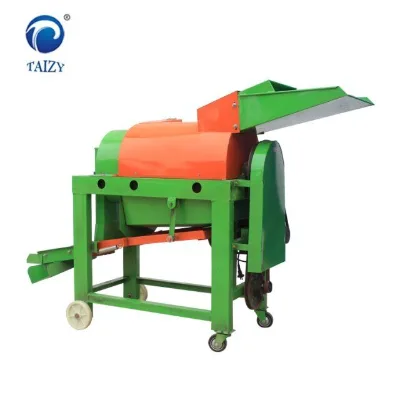
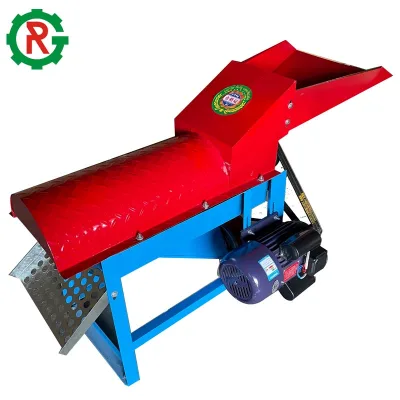

The Hottest Fully Automatic Regulated Corn Sheller
$36.00 - $38.00
MOQ: 10 Pieces
Hunan Dongfanghong Electromechanical Manufacturing Co., Ltd.

Multi-Function and Efficient Corn Sheller Machine
$53.00 - $55.00
MOQ: 10 Pieces
Hunan Dongfanghong Electromechanical Manufacturing Co., Ltd.


$44.00 - $46.00
MOQ: 50 Pieces
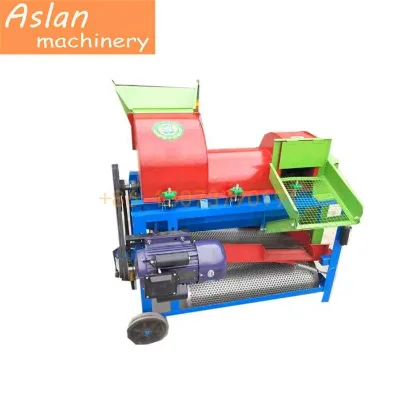


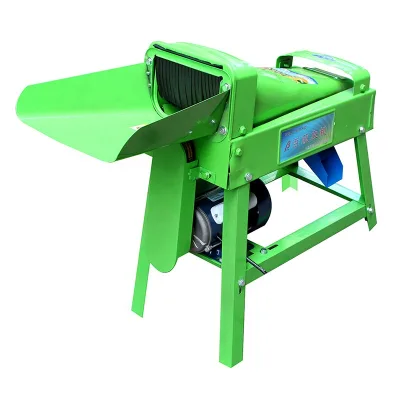
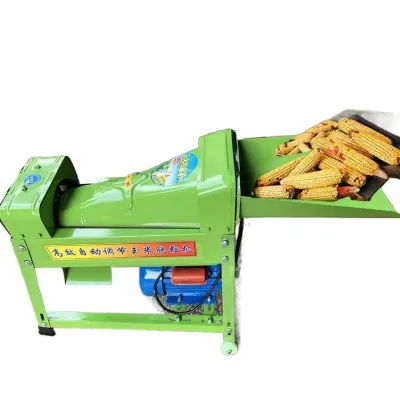
High Quality Corn Sheller Machine for Sale Corn Sheller Machine in Kenya
$165.00 - $250.00
MOQ: 1 sets
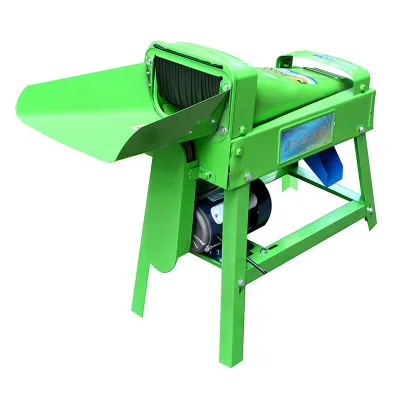
Factory Direct Corn Sheller Maize Shelling Sorghum Threshing Rice in Kenya
$168.52 - $255.33
MOQ: 1 sets
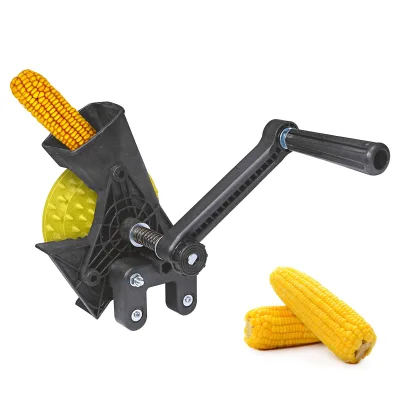
Comprehensive Sourcing Guide
Strategic Sourcing Guide for Automatic Corn Shellers
Understanding Technical Specifications and Performance Metrics
When evaluating automatic corn shellers for industrial or agricultural procurement, buyers must first establish a clear baseline of technical specifications. The market presents a diverse range of machinery, from compact units suitable for small farms to high-capacity systems designed for large-scale processing. A critical observation in the current supply landscape is the variance in production capacity. Available data indicates that machinery in this category can range from a throughput of 300 kg/h to as high as 4000 kg/h. This significant spread suggests that the "one-size-fits-all" approach is ineffective; procurement strategies must align the machine's hourly output with the specific volume of raw material available for processing.
Power requirements are another fundamental technical variable. While some units operate on standard single-phase voltages, industrial-grade models often require three-phase power inputs. Observed voltage specifications in the market include 220V, 380V, and 415V. Buyers must verify the electrical infrastructure at their facility before placing an order to ensure compatibility. Furthermore, the core components driving these machines vary by model. Some systems rely on gear mechanisms, while others utilize high-torque motors as their primary drive source. The selection between these components often dictates the maintenance schedule and the operational robustness of the equipment under heavy loads.
Physical dimensions and weight are equally critical for logistics and installation planning. The footprint of these machines can vary significantly, with some models measuring approximately 910mm in length, 730mm in width, and 1265mm in height. However, for larger capacity units, dimensions are often "based on capacity," meaning the physical size scales with the throughput requirements. Weight is a substantial factor; certain heavy-duty models weigh up to 160kg, while lighter variants may be around 80kg. These figures directly impact the foundation requirements for installation and the logistics costs for shipping. Additionally, the appearance of the machine, often vertical in design, influences how it fits into existing production lines or farm layouts.
Compliance, Certification, and Safety Standards
In the B2B procurement of agricultural machinery, compliance with international standards is not merely a formality but a prerequisite for operational safety and market access. The global market for corn shellers frequently references "International Standard Size" as a baseline for dimensional compatibility, though specific national standards may apply depending on the destination country. Buyers should rigorously verify that the supplier provides documentation confirming adherence to relevant safety and quality standards.
Certification status is a primary indicator of a supplier's commitment to quality. A notable segment of the market offers machinery certified under the CE (Conformité Européenne) and ISO (International Organization for Standardization) frameworks. These certifications imply that the equipment has undergone testing for electrical safety, mechanical integrity, and operational reliability. However, the presence of a certification claim must be validated against the specific product model, as not every listed unit may carry the same credentials. Buyers should request valid certificates of conformity for the exact model number they intend to purchase, rather than accepting generic claims for the product line.
Furthermore, the condition of the machinery is a critical compliance factor. The majority of new equipment in this sector is listed as "New," which implies that the components have not been previously utilized. This status is essential for warranty validity and long-term reliability. Buyers must also consider the "Loss Rate," a metric indicating the percentage of grain lost during the shelling process. An observed loss rate of 1% in certain models suggests a high level of efficiency, but this figure should be treated as an observation of specific units rather than a universal guarantee. Procurement contracts should explicitly state the maximum acceptable loss rate to ensure the machinery meets the buyer's economic expectations.
Cost Drivers and Pricing Structures
The pricing of automatic corn shellers is influenced by a complex interplay of factors, including capacity, material quality, and customization options. The observed price range in the market spans from $6.50 to $3500 USD. This wide disparity reflects the difference between basic, low-capacity units and advanced, high-throughput systems with premium features. The lower end of the spectrum typically corresponds to smaller machines with simpler mechanical designs, while the higher end encompasses industrial-grade units with robust motors, advanced control systems, and higher production capacities.
Material composition is a significant driver of cost. The use of stainless steel for raw materials and structural components enhances durability and resistance to corrosion, particularly in environments where moisture or grain dust is prevalent. Machines constructed with high-grade stainless steel generally command a higher price point but offer a longer service life and reduced maintenance costs over time. Conversely, units with standard steel components may be more affordable but could require more frequent upkeep.
Customization is another major cost variable. Many suppliers offer customization services, allowing buyers to tailor the machine to specific operational needs. This can include modifications to the feeder size, such as the 400*400mm specification observed in certain models, or adjustments to the voltage and power requirements. Customized orders often incur additional costs and may extend lead times. Additionally, the "Press Series" or the specific generation of the technology can influence pricing, with newer series potentially offering better efficiency but at a higher initial investment.
Minimum Order Quantity (MOQ) also plays a role in the total cost of acquisition. The market shows an MOQ range from 1 to 600 units. For small farms or individual buyers, an MOQ of 1 allows for single-unit purchases, whereas larger agricultural enterprises may benefit from bulk ordering to negotiate better per-unit pricing. Buyers should carefully calculate the total cost of ownership, including shipping, installation, and potential customization fees, rather than focusing solely on the unit price.
Typical Applications and Operational Suitability
Automatic corn shellers are designed for a variety of applications, primarily centered around grain processing. The primary application for these machines is the threshing of corn and maize, effectively separating the kernels from the cob. However, the versatility of these machines extends to other grains. Some models are specifically engineered to handle beans and wheat, making them suitable for diversified farming operations. The "Applicable Industries" are predominantly farms, ranging from small-scale family operations to large commercial agricultural enterprises.
The suitability of a specific machine depends heavily on the raw material being processed. While the core function is corn dehulling, the machine's design must accommodate the specific characteristics of the grain. For instance, the "Suit for: Grain Threshing" designation indicates a focus on efficiency in separating kernels. The production capacity must match the volume of grain available; a machine with a capacity of 300-4000 kg/h offers flexibility for varying harvest volumes. Buyers should assess their peak harvest periods to ensure the selected machine can handle the maximum expected load without bottlenecks.
Operator requirements are another consideration for operational suitability. Some models are designed for single-person operation, which reduces labor costs and simplifies the workflow. This feature is particularly valuable for smaller farms where labor resources are limited. The "High Productivity" and "High Efficiency" selling points observed in the market highlight the machine's ability to process large volumes quickly, which is essential during harvest seasons when time is of the essence.
Supplier Evaluation and Selection Criteria
Selecting the right supplier is as critical as selecting the right machine. Buyers should prioritize suppliers who provide transparent and verifiable information about their products. Key evaluation criteria include the origin of the machinery, with a significant portion of the market originating from China, specifically regions like Henan. This geographical concentration often indicates a mature supply chain and specialized manufacturing expertise in agricultural equipment.
The brand name and model number are essential identifiers for due diligence. Recognized brands such as Taizy and GR appear in the market, but buyers should not rely solely on brand reputation. Instead, they should verify the specific model numbers, such as DJ-160, SL, or TZ, to ensure the machine meets the required specifications. The "Product Item" description, such as "maize/corn sheller," should be cross-referenced with the technical data to confirm functionality.
Warranty and after-sales support are vital components of supplier evaluation. Most suppliers offer a warranty period of 1 year or 12 months, which provides a safety net for early-stage operational issues. Buyers should inquire about the scope of the warranty, including what components are covered and the process for claiming repairs or replacements. Additionally, the availability of a machinery test report is a strong indicator of a supplier's confidence in their product. These reports provide independent verification of performance metrics and should be requested before finalizing a purchase.
Quality Control and Verification Protocols
Implementing a robust quality control (QC) protocol is essential to mitigate risks associated with procurement. Buyers should verify the "Condition" of the machinery, ensuring it is listed as "New" and not refurbished or used. The "Standard" of the product, such as the "International Standard Size" or specific dimensions like 110112113cm, should be confirmed against the physical product upon delivery.
Packaging is a critical aspect of quality control during transit. The market offers different packing options, including "Standard" packing and "Wooden Case" packing. Wooden cases provide superior protection for heavy machinery, reducing the risk of damage during shipping. Buyers should specify the preferred packaging method in their purchase order to ensure the equipment arrives in optimal condition.
Verification of core components is another QC step. Since the core components can be gears or motors, buyers should inspect these parts for signs of wear or defects upon receipt. The "Machinery Test Report" provided by the supplier should be reviewed to confirm that the machine has passed rigorous testing for performance and safety. Buyers should also check the "Loss Rate" and "Production Capacity" against the actual performance of the machine during a trial run to ensure it meets the advertised specifications.
Long-Term Procurement and Maintenance Considerations
Long-term procurement planning involves considering the lifecycle of the machinery and the availability of spare parts. The "Warranty" period is a starting point, but buyers should plan for maintenance beyond this timeframe. The "Key Selling Points" such as "High Efficiency" and "High Productivity" should be maintained through regular servicing. Buyers should inquire about the availability of replacement parts, particularly for core components like gears and motors, to minimize downtime.
The "Customization" aspect of the machine can also impact long-term maintenance. Customized features may require specific parts or specialized knowledge for repairs. Buyers should ensure that the supplier can provide technical support and training for maintaining customized units. Additionally, the "Voltage" and "Power" requirements should be monitored to ensure they remain compatible with the facility's electrical grid over time.
Finally, buyers should consider the scalability of their procurement strategy. As agricultural operations grow, the need for higher capacity machines may arise. Understanding the "Production Capacity" range of 300-4000 kg/h allows buyers to plan for future upgrades. By selecting suppliers who offer a range of models and customization options, buyers can ensure a seamless transition from small-scale to large-scale operations without the need for complete system overhauls. This strategic approach ensures that the investment in automatic corn shellers remains viable and efficient over the long term.
FAQs
What voltage options are available for automatic corn shellers?
Available voltage options include 220V, 380V, and 415V depending on the specific model. Buyers must verify their facility's electrical infrastructure to ensure compatibility before ordering, as industrial units often require three-phase power inputs.
How much does an Automatic Corn Sheller typically cost?
Prices range from 6.50 to 3500 USD based on capacity and features. Lower costs usually correspond to basic, low-capacity units, while higher prices reflect industrial-grade systems with robust motors and advanced control systems.
Which certifications should I look for in an Automatic Corn Sheller?
Many models carry CE and ISO certifications indicating compliance with safety and quality standards. Buyers should request valid certificates of conformity for the exact model number to ensure the equipment has passed necessary testing.
Can I customize the feeder size for an Automatic Corn Sheller?
Yes, customization is available for specific features like feeder size. Some models offer a 400 by 400mm specification, but customized orders may incur additional costs and extend lead times compared to standard units.
What is the production capacity range for these machines?
Production capacity ranges from 300 to 4000 kg per hour depending on the model. Buyers should assess their peak harvest volumes to select a machine that handles the maximum expected load without creating operational bottlenecks.
How long is the warranty period for an Automatic Corn Sheller?
Most suppliers offer a warranty period of one year or 12 months. Buyers should inquire about the specific scope of coverage to understand which components are protected against early-stage operational issues.
What materials are used to construct automatic corn shellers?
Some units are constructed using stainless steel for enhanced durability and corrosion resistance. This material choice often commands a higher price but reduces long-term maintenance costs in moist or dusty environments.