Source Automatic Corrugated Sheet Feeder for Paper, Printing, and Packaging
Find 30 listings for the Automatic Corrugated Sheet Feeder designed for paper processing, printing, and packaging lines. Buyers can compare specifications like production speed, motor power, and customization options to select the right equipment for their facility.
Key considerations
Products List


Automatic Feeder Corrugated Sheet Machine for Chain Flexo Printing Machine
$2050.00 - $3050.00
MOQ: 1 Sets


Automatic Pre Feeder, Paper Feeder Machine Automatic Feeding Machine
$25000.00 - $35000.00
MOQ: 1 Pieces


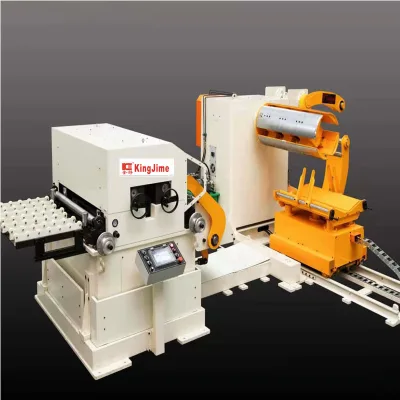

High Precision Material Roll Feeder Machine, Automatic Sheet Metal Feeder Feeding
$10000.00 - $30000.00
MOQ: 1 Pieces


Automatic Paper Sheet Feeder Air Suction Paper Cardboard Feeding Machine Price
$5000.00 - $6500.00
MOQ: 1 Pieces

Factory Price Automatic Cardboard Feeding Machine Paper Sheet Feeding Machinery
$11028.00 - $11628.00
MOQ: 1 Pieces


Comprehensive Sourcing Guide
Automatic Corrugated Sheet Feeder Sourcing Guide
Selecting the right Automatic Corrugated Sheet Feeder is a critical decision for packaging manufacturers aiming to optimize production line efficiency and reduce manual labor costs. These machines are designed to automate the feeding of corrugated cardboard sheets into downstream processing equipment, such as printing presses, die-cutting machines, or slotting units. By ensuring a consistent and smooth flow of materials, these feeders minimize downtime and reduce the risk of jams or misfeeds that can disrupt high-speed production cycles. Buyers must evaluate their specific throughput requirements, sheet dimensions, and operational environment to select a feeder that aligns with their overall manufacturing strategy.
The market offers a variety of feeder types, ranging from open-type automatic feeders to more specialized electromagnetic vibrating feeders, each suited for different operational needs. Some models are designed for general paper and cardboard handling, while others are tailored for specific industries such as metallurgy, mining, or chemical processing, indicating a broad spectrum of industrial applications. Understanding the distinction between these variants is essential for procurement teams, as the wrong choice can lead to inefficiencies, increased wear and tear, and higher maintenance costs. This guide provides a structured approach to evaluating these machines based on technical specifications, compliance, and supplier reliability.
Product Scope and Observed Listing Signals
The observed product landscape for automatic corrugated sheet feeders reveals a wide range of capabilities and configurations, with prices varying significantly from low-cost entry-level units to high-end industrial systems. Listings indicate that the minimum order quantity (MOQ) is typically set at one unit, allowing for flexible procurement strategies for both small workshops and large-scale factories. The observed price range suggests that buyers can find options suitable for various budget constraints, but it is crucial to correlate price with the complexity of features, such as automation level, motor power, and customization options. Buyers should be aware that lower prices may correspond to basic models with limited customization, while higher prices often reflect advanced features like PLC control systems and higher production speeds.
Product names and descriptions in the market vary, with terms like "Automatic Feeder Corrugated Paper Machine," "Automatic Paper Feeder Machine," and "Corrugated Cardboard Production Line" being used interchangeably. This variation highlights the need for buyers to look beyond marketing titles and focus on specific technical attributes. For instance, some listings specify a production speed of 80 sheets per minute, while others mention capacities in tons per hour, such as 80 t/h or 180 t/h. These metrics are critical for determining whether a feeder can keep pace with the rest of the production line. Additionally, the appearance of the machine, such as open-type designs, can impact safety and ease of maintenance, making it a key factor in the selection process.
Technical Specifications to Verify
When evaluating technical specifications, buyers should prioritize the feeding mechanism and capacity to ensure compatibility with their existing infrastructure. The observed data indicates the presence of pusher-type feeding mechanisms and rotary movement modes, which are common in high-volume corrugated board processing. It is essential to verify the maximum feeding size, with some models supporting sheets up to 300 mm in thickness or width, and the ability to handle various paper thicknesses, including normal specification paper. Buyers must also consider the layer capacity, as some feeders are designed to handle 3, 5, 7, or 9-layer corrugated boards, which directly impacts the machine's versatility and application scope.
Motor power and automation level are other critical technical parameters that influence performance and energy consumption. Listings show motor powers ranging from 1 kW to 20 kW, with some models featuring electromagnetic vibrating feeders for precise material control. The automation level is typically automatic, but buyers should confirm the presence of core components such as PLCs, engines, and motors, which are vital for reliable operation. Additionally, the printing speed and color capabilities, if the feeder is part of a printing line, should be considered, with some systems supporting speeds up to 90 m/min and multi-color printing. Verifying these specifications ensures that the feeder can integrate seamlessly into the production workflow without creating bottlenecks.
Compliance and Safety Documentation
Compliance with international standards is a non-negotiable aspect of sourcing industrial machinery, and buyers must verify that the Automatic Corrugated Sheet Feeder meets relevant safety and quality certifications. The observed listings frequently mention CE and ISO 9001 certifications, which indicate adherence to European safety standards and quality management systems. Buyers should request copies of these certificates to ensure that the manufacturer has undergone rigorous auditing and that the machine is designed to operate safely in industrial environments. Additionally, certifications such as RoHS and TUV may be present, providing further assurance regarding environmental compliance and technical safety.
Beyond certifications, buyers should inquire about mechanical test reports and other documentation that validates the machine's performance and durability. The presence of a mechanical test report is a strong indicator that the manufacturer has conducted thorough testing to ensure the feeder can withstand continuous operation under load. Buyers should also verify the installation and training services provided, as proper setup is crucial for achieving optimal performance. Some suppliers offer on-site installation and training by engineers, which can significantly reduce the risk of operational errors and ensure that the staff is fully proficient in using the equipment.
Cost Drivers and Commercial Terms
The cost of an Automatic Corrugated Sheet Feeder is influenced by several factors, including the level of customization, motor power, and the complexity of the control system. Buyers should expect to pay a premium for machines that offer customized models, standard sizes, or specific features like metal anilox rollers or rotary letterpress embossing structures. The observed data suggests that customization is widely available, allowing buyers to tailor the feeder to their specific production needs, but this flexibility often comes with increased costs and potentially longer lead times. It is important to clarify all customization requirements upfront to avoid unexpected charges or delays.
Commercial terms, such as packing and shipping, also play a significant role in the total cost of ownership. Listings indicate that machines are typically packed in plastic film or wooden boxes to protect them during transit, which is essential for preventing damage. Buyers should confirm the shipping terms and ensure that the packaging is robust enough to withstand international logistics. Additionally, the transparent process of maintenance quotations, with no hidden charges, is a positive indicator of supplier integrity. Buyers should seek suppliers who provide clear and upfront pricing for maintenance and spare parts to avoid future financial surprises.
Supplier Qualification and Quality Control
Supplier qualification is a critical step in the sourcing process, and buyers should assess the manufacturer's reputation, production capabilities, and quality control measures. The observed listings indicate that many suppliers are located in China, with specific origins in Hebei, Dongguan, and Cangzhou. Buyers should verify the supplier's manufacturing facilities and production capacity to ensure they can meet demand and maintain consistent quality. Additionally, the presence of a mechanical test report and other quality documentation suggests that the supplier has established quality control processes, but buyers should request additional evidence of their commitment to quality, such as customer references or third-party audits.
Quality control should extend beyond the initial purchase to include ongoing support and maintenance. Buyers should inquire about the supplier's after-sales service, including the availability of spare parts and technical support. The observed data mentions that installation and training are provided by engineers, which is a valuable service that can help ensure the machine is used correctly from day one. Buyers should also consider the supplier's transparency regarding maintenance costs and their willingness to provide detailed quotations in advance. A reliable supplier will be proactive in communicating potential issues and providing solutions, rather than reacting to problems after they occur.
Long-Term Procurement Checks
Long-term procurement success depends on the ability to monitor and evaluate the performance of the Automatic Corrugated Sheet Feeder over time. Buyers should establish key performance indicators (KPIs) such as uptime, maintenance frequency, and energy consumption to track the machine's efficiency. Regular reviews of these metrics can help identify potential issues early and allow for proactive maintenance, reducing the risk of costly downtime. Additionally, buyers should stay informed about technological advancements in feeder technology, as newer models may offer improved efficiency, safety, and ease of use.
It is also important to maintain a strong relationship with the supplier for future purchases and support. Buyers should provide feedback on their experience with the machine and the supplier's service, which can help improve future transactions. Additionally, buyers should consider the supplier's ability to provide upgrades or modifications to the existing machine, as production needs may change over time. By maintaining a collaborative relationship with the supplier, buyers can ensure that their Automatic Corrugated Sheet Feeder continues to meet their evolving production requirements and delivers long-term value.
FAQs
What is the production speed of the automatic feeder?
The production speed reaches 80 sheets per minute for standard operations. This rate applies to the Automatic Feeder Corrugated Paper Machine model SZJ, which is designed for high-volume output in corrugated cardboard production lines.
Can the machine capacity be customized for different needs?
Yes, customization is available for capacity and specifications. The product features a customizable model designation and allows for tailored feeding sizes up to 300 mm to meet specific operational requirements.
Which certifications does the automatic feeder machine hold?
The machine holds CE, ISO 9001, RoHS, ISOCCC, and TUV certifications. These standards ensure compliance with international safety and quality requirements for industrial equipment used in mining, metallurgy, and building materials.
How is the machine packaged for shipping?
The unit is packaged in plastic film and often includes a wooden box for protection. This packing method ensures the Automatic Paper Feeder Machine remains secure during transit from Dongguang, Cangzhou, China.
What core components are included in the system?
Core components include a PLC, engine, and motor for reliable operation. These parts support the automatic functionality and electromagnetic vibrating feeder mechanisms found in the 20 kW motor power variants.
Is on-site installation and training provided?
Engineers provide on-site installation and training services for the buyer. This service ensures proper setup of the Automatic Feeder Corrugated Paper Machine regardless of the specific location or production line configuration.
What is the maximum width capability of the machine?
The maximum width can be customized to any size required by the client. This flexibility allows the machine to handle various paper thicknesses and layer configurations, including 3, 5, 7, or 9 layers.