Source Automatic Disposable Chopstick Counting Machine for Packaging
Find and compare 30 listings for the Automatic Disposable Chopstick Counting Machine used in snack, drink, and dairy product packaging lines. Evaluate specifications like packing speed, power consumption, and core components to select the right equipment for your production needs.
Key considerations
Products List


Smarter and Simpler Operation of Automatic Chopstick Packaging Machine
$3500.00 - $8300.00
MOQ: 1 Pieces

Disposable Chopsticks Plus Toothpick Packing Machine with Coding Machine
$4640.00 - $5440.00
MOQ: 1 Pieces


High Speed Disposable Round Chopsticks Inspection and Sorting Machine
$6000.00 - $6300.00
MOQ: 1 Pieces


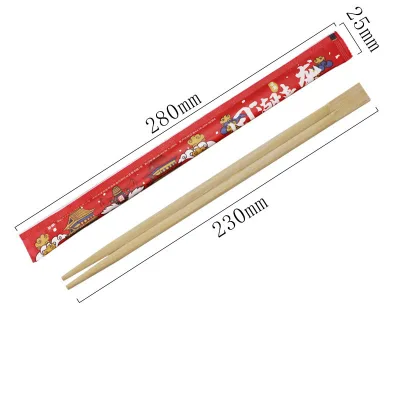

China Manufacturers Fully Automatic Chopsticks/Toothpick Packing Machine
$6000.00 - $20000.00
MOQ: 1 Pieces


Comprehensive Sourcing Guide
Automatic Disposable Chopstick Counting Machine Sourcing Guide
The Automatic Disposable Chopstick Counting Machine serves as a critical component within modern food service manufacturing, specifically designed to streamline the final stages of chopstick production lines. These systems integrate seamlessly with upstream processing equipment to ensure that finished goods, whether made from wood or bamboo, are accurately tallied and prepared for packaging. The primary function of these machines is to replace manual counting methods, which are prone to human error and inconsistent throughput, thereby guaranteeing that production batches meet strict volume requirements before entering the sales packing phase.
Buyers must recognize that these machines often operate as part of a larger ecosystem, such as a complete chopsticks producing line or a dedicated packaging production line. The observed market data indicates that these units are frequently semi-automatic, balancing high efficiency with lower operational costs compared to fully automated alternatives. This distinction is vital for procurement teams, as it influences the required operator training, the physical footprint of the installation, and the overall labor cost structure of the facility.
Product Scope and Observed Listing Signals
The product scope for automatic counting machines in this sector is defined by their ability to handle specific raw materials, primarily wood and bamboo, which dictate the mechanical design of the feeding and sorting mechanisms. Listings indicate that these machines are often marketed as new products with specific model identifiers, such as LF-2 or YQCX, and are engineered to process high volumes, with some units capable of handling 40,000 to 50,000 pieces within an eight-hour shift. This capacity range suggests that the equipment is suitable for medium-to-large scale manufacturers who require consistent output without the bottlenecks associated with manual labor.
When evaluating product listings, buyers should observe that the physical dimensions and power requirements vary significantly depending on the specific model and its intended function within the line. For instance, some units are described with dimensions around 1.9 by 0.6 by 1.2 meters and a power consumption of 19kw, while others may be more compact with different power ratings like 1.5kw or 3.5kw. These variations highlight the importance of matching the machine's physical and electrical specifications to the existing factory infrastructure, ensuring that the power supply and floor space can accommodate the specific unit selected.
Technical Specifications to Verify
Technical verification must begin with the core components that drive the counting and packaging process, as these elements determine the machine's reliability and longevity. Buyers should confirm that the core components include essential parts like engines and motors, which are critical for the semi-automatic operation of the device. It is also necessary to verify the voltage requirements, as observed listings show a standard of 380V, which is typical for industrial machinery in many regions but requires specific electrical infrastructure to operate safely and efficiently.
The efficiency and speed of the machine are equally critical parameters that directly impact the overall production throughput. Procurement teams should scrutinize the stated efficiency metrics, such as the 1.5kw rating for specific bamboo chopstick machines, and compare them against the claimed packaging speeds, which can range from 20 to 150 bags per minute. Additionally, the weight of the unit, observed in some cases as 58kg or 1600kg, serves as an indicator of the machine's build quality and stability, which is essential for maintaining precision during high-speed counting operations.
Compliance and Safety Documentation
Compliance and safety documentation are non-negotiable elements when sourcing industrial machinery, particularly for equipment that interacts with food-grade products like disposable chopsticks. Buyers must ensure that the machine carries recognized certifications such as CE and ISO, which indicate adherence to international safety and quality standards. These certifications are not merely administrative formalities but serve as evidence that the machine has been tested for electrical safety, mechanical hazards, and operational reliability in a commercial setting.
Beyond general certifications, specific documentation regarding the machinery test report and warranty terms must be reviewed to mitigate long-term operational risks. The availability of a provided machinery test report offers tangible proof of the machine's performance under controlled conditions, while the warranty terms, which may vary from one year for core components to two years for the overall unit, define the supplier's commitment to product quality. Buyers should verify that these documents are explicitly included in the sales package to ensure they can claim support in the event of a mechanical failure or performance deviation.
Cost Drivers and Commercial Terms
The cost of an Automatic Disposable Chopstick Counting Machine is influenced by several key drivers, including the level of automation, the complexity of the packaging technology, and the raw materials used in the machine's construction. Semi-automatic models often present a lower initial investment compared to fully automated lines, yet they may incur higher long-term labor costs. Buyers should analyze the trade-off between the "High Efficiency Low Cost" advantage claimed by some suppliers and the actual total cost of ownership, which includes energy consumption, maintenance, and potential downtime.
Commercial terms such as the Minimum Order Quantity (MOQ) and packaging requirements also play a significant role in the procurement decision. Observed data suggests that the MOQ can be as low as one set, making these machines accessible to smaller manufacturers, while the packaging is typically a wooden case or wooden pallet to ensure safe transport. It is crucial for buyers to confirm the exact packaging specifications, such as the "One Machine in One Wooden Case" standard, to avoid unexpected shipping costs or damage during transit, which could delay the installation and start of production.
Supplier Qualification and Quality Control
Supplier qualification requires a rigorous assessment of the manufacturer's origin and their track record in producing specialized machinery. Many suppliers in this sector are located in regions like Henan, China, which is known for its manufacturing capabilities, but buyers must verify the specific production capabilities of the vendor rather than relying solely on geographic reputation. The presence of customization options, such as custom logos or specific packaging modes, indicates a supplier's flexibility and ability to tailor the machine to the buyer's unique production needs.
Quality control processes should be validated through the supplier's adherence to standards and their willingness to provide detailed test results. Buyers should request evidence of the machine's performance, such as the provided machinery test report, and verify that the core components meet the specified durability standards. The warranty of core components, often listed as one year, serves as a benchmark for the supplier's confidence in their product, and buyers should ensure that the terms clearly define what is covered and the process for claiming repairs or replacements.
Long-Term Procurement Checks
Long-term procurement checks focus on the sustainability of the supply chain and the machine's ability to adapt to future production demands. Buyers should evaluate the machine's capacity to handle different raw materials, such as the transition from wood to bamboo, and ensure that the equipment can maintain its efficiency over time. The observed capacity of 40,000 to 50,000 pieces per eight hours suggests that the machine is designed for high-volume production, but buyers must verify that this capacity remains consistent as the machine ages and undergoes regular maintenance.
Finally, the maintenance and support infrastructure provided by the supplier are critical for ensuring the machine's longevity and minimizing operational disruptions. Buyers should confirm the availability of spare parts, the clarity of the maintenance schedule, and the responsiveness of the technical support team. The "New Product 2020" marketing tag indicates that the technology is relatively recent, but buyers must ensure that the supplier has a plan for ongoing updates and support to keep the machine compatible with evolving industry standards and production requirements.
FAQs
What is the production capacity of the automatic chopstick line?
The production capacity ranges from 40,000 to 50,000 pieces per eight hours. This output supports high-efficiency manufacturing for both wood and bamboo raw materials. The semi-automatic grade ensures consistent throughput while maintaining low operational costs for bulk disposable chopstick production.
Can the machine be customized for specific branding needs?
Yes, customization is available for the automatic chopstick counting machine. Buyers can request custom logos and specific packaging configurations. The system supports special product packaging modes, allowing for tailored solutions that align with distinct brand identity requirements and market distribution strategies.
What certifications does the automatic chopstick machine hold?
The equipment holds CE and ISO certifications, ensuring compliance with international safety and quality standards. These credentials verify the machine's reliability for industrial use. The certifications apply to the core components and overall machinery test reports, providing assurance for global sourcing and deployment.
What is the warranty period for the core components?
The general warranty for the machine is two years. Specifically, the core components, such as the motor and engine, carry a one-year warranty. This coverage ensures support for critical parts during initial operation, reducing downtime risks for buyers investing in automatic chopstick production lines.
How is the machine packaged for international shipping?
The machine is packed in one wooden case or on a wooden pallet. This robust packaging protects the equipment during transit. The design ensures safe delivery of the heavy machinery, which weighs up to 1600kg, preventing damage and ensuring the automatic chopstick counting machine arrives ready for installation.
What is the power consumption of the automatic chopstick line?
The power consumption varies by model, with some units requiring 19kw and others 3.5kw. The voltage is typically 380V. These specifications ensure efficient operation for high-volume production. Buyers should verify the exact Kw rating for their specific model to match their facility's electrical infrastructure.