Source Automatic Electric Meat Deboning Machine for Factories
Find and compare 30 Automatic Electric Meat Deboning Machine listings from verified suppliers. Review specifications like capacity, voltage, and material to select the right equipment for meat processing plants and commercial facilities.
Key considerations
Products List

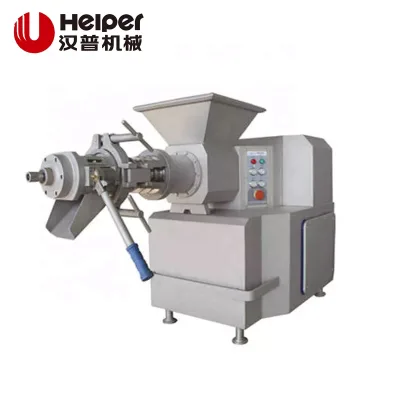
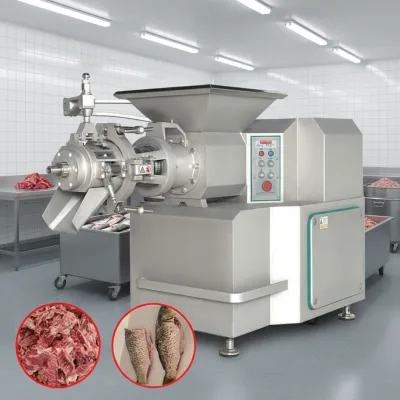
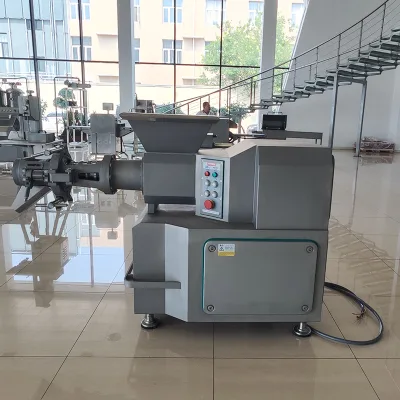


Electric Chicken Whole Leg Deboning Line / Chicken Legs Deboning Machine
$6909.00 - $8299.00
MOQ: 1 Sets


Chicken Breast Deboning Machine Turkey Bone Meat Separator Debone Chicken Machine for Sale
$9800.00 - $12500.00
MOQ: 1 Pieces


Meat Bone Separating Machine Chicken Processing Machine Meat Deboning Machine
$1500.00 - $9500.00
MOQ: 1 Sets


Automatic Chicken Deboning Machine Chicken Meat Bone Separator Machine
$2000.00 - $7000.00
MOQ: 1 Sets


Easy Cleaning Meat Separator for Deboning Chicken Meat and Bone Separator
$8000.00 - $15000.00
MOQ: 1 set


High Quality Milkfish Deboning Machine Meat Processing Deboner Machine
$9000.00 - $10250.00
MOQ: 1 Pieces

Comprehensive Sourcing Guide
Strategic Sourcing Guide for Automatic Electric Meat Deboning Machines
The global demand for processed meat products has driven a significant shift toward automation in food processing facilities. For procurement professionals, the Automatic Electric Meat Deboning Machine represents a critical investment in operational efficiency and product consistency. Sourcing this specific category of equipment requires a disciplined approach that balances technical capabilities with rigorous compliance verification. Buyers must navigate a market where specifications vary widely, and the distinction between marketing claims and verified performance data is paramount. This guide outlines the essential factors for evaluating these machines, ensuring that procurement decisions are grounded in observable facts and industry standards rather than unverified assertions.
Technical Specifications and Operational Parameters
When evaluating an Automatic Electric Meat Deboning Machine, the primary focus must be on the core technical specifications that define its capability and integration potential. The power source for these units is consistently electric, typically operating on a three-phase voltage system. While standard configurations often cite 380V, buyers should verify the specific voltage requirements against their facility's electrical infrastructure, as some models offer customizable voltage options to accommodate regional grid variations. The power consumption is a critical metric for energy budgeting; observed data indicates power ratings around 6.5KW for specific high-efficiency models, though this figure can fluctuate based on the machine's scale and processing intensity.
The physical dimensions and weight of the equipment are equally vital for facility planning. Available models exhibit a range of dimensions, with specific units measuring approximately 800mm in width, 650mm in depth, and 900mm in height, while larger industrial variants may extend to 1440mm in length and 970mm in height. Weight specifications also vary significantly, with some units weighing 200kg and others reaching 350kg. These discrepancies highlight the necessity of confirming the exact weight for the specific model under consideration to ensure floor load capacity and logistics planning are adequate.
Processing capacity is another defining characteristic. The market offers machines with varying throughput rates, ranging from 250kg per hour to higher capacities reaching 300kg or even 3-4 tons per hour depending on the model series. The mixing and processing mechanism often utilizes a parallel dual paddle system, which is designed to ensure uniform treatment of the meat product. The automatic grade of these machines is a key differentiator, with modern units operating fully automatically to minimize manual intervention. The material composition is almost universally stainless steel, specifically SUS 304 grade, which is essential for meeting food safety hygiene standards and resisting corrosion in wet processing environments.
Compliance, Certification, and Safety Standards
In the food processing industry, regulatory compliance is not merely a formality but a prerequisite for market access and operational safety. When sourcing automatic electric meat deboning machines, buyers must rigorously verify the certification status of the equipment. Trusted industry standards often include ISO 9001 for quality management systems, alongside CE marking for conformity with health, safety, and environmental protection standards within the European Economic Area. Additional verification may involve SGS or BV certifications, which provide third-party validation of the manufacturing process and product quality.
It is crucial to distinguish between the certifications held by the manufacturer and those applicable to the specific machine model. While many suppliers claim adherence to ISO 9001 and CE standards, buyers should request valid, up-to-date documentation for the specific unit being purchased. The origin of the machine also plays a role in compliance; products originating from established manufacturing hubs in China, such as Henan or Hebei provinces, often have established export channels that facilitate these certifications. However, the presence of a "Made in China" label does not automatically guarantee compliance; the specific certification documents must be reviewed against the target market's regulatory requirements.
Safety features are inherent in the design of these machines, particularly given their function in separating bone from meat. The equipment is designed to operate within strict safety parameters to prevent injury to operators and contamination of the product. The "New" condition of the machinery is a standard expectation for new procurement, ensuring that all safety interlocks and emergency stop mechanisms are fully functional. Buyers should also verify that the machine's design aligns with local food safety regulations, which often mandate the use of food-grade materials like SUS 304 stainless steel to prevent chemical leaching and bacterial growth.
Cost Drivers and Pricing Structures
Understanding the cost structure of automatic electric meat deboning machines is essential for accurate budgeting and ROI analysis. The observed price range for these units in the current market spans from approximately $758 to $17,000. This wide variance is driven by several factors, including the machine's capacity, level of automation, material quality, and the complexity of the processing technology. Lower-priced units may offer basic functionality with standard capacity, while higher-priced models likely incorporate advanced automation, higher throughput rates, and enhanced safety features.
The Minimum Order Quantity (MOQ) is another significant cost driver. In the current market, many suppliers offer an MOQ of just one set, which allows for flexibility in procurement for smaller facilities or pilot projects. However, buyers should be aware that while the unit price might be accessible, the total cost of ownership includes shipping, installation, and potential customization fees. The packaging method, typically a wooden case for heavy machinery, adds to the logistics cost and must be factored into the overall budget.
Customization is a major factor influencing the final price. Many suppliers offer customized options for voltage, dimensions, and processing capacity. While customization allows the machine to fit specific operational needs, it often incurs additional costs and may extend the lead time. Buyers should clearly define their non-negotiable requirements versus optional features to manage costs effectively. Additionally, the warranty period, often cited as one year, should be considered in the context of the total investment, as extended warranty options may be available at an additional cost.
Typical Applications and Industry Fit
Automatic electric meat deboning machines are designed for a specific set of applications within the broader food processing sector. The primary application is in meat factories and processing plants where the separation of meat from bone is a high-volume operation. These machines are particularly suited for the meat food industry, where efficiency and hygiene are paramount. The ability to handle commercial meat deboning tasks makes them indispensable for facilities producing sausages, patties, and other processed meat products.
The versatility of these machines extends to various types of meat processing. They are applicable in manufacturing plants that handle different cuts of meat, requiring consistent output quality. The "parallel dual paddle" mixing and processing method ensures that the meat is treated uniformly, which is critical for maintaining product texture and quality. The machines are also designed to be adaptable to different production scales, with capacities ranging from 250kg/h to over 3 tons/h, allowing them to serve both small-scale processors and large industrial operations.
Furthermore, the application of these machines is not limited to a single type of meat. They are versatile enough to handle various protein sources, making them a valuable asset for diversified food processing facilities. The "Easy Operation High Efficiency" advantage noted in many product descriptions suggests that these machines are designed to reduce labor costs and increase throughput, which is a key consideration for modern meat processing operations aiming to optimize their production lines.
Supplier Evaluation and Vendor Selection
Selecting the right supplier is as critical as selecting the right machine. Buyers should prioritize suppliers who provide comprehensive after-sales support, including the availability of engineers to service machinery overseas. This level of support is crucial for minimizing downtime and ensuring the long-term reliability of the equipment. The brand name "Helper" is one example of a supplier in this space, but buyers should evaluate multiple vendors based on their track record, technical expertise, and responsiveness.
The production capacity of the supplier is another important metric. Suppliers with a production capacity of 300 units or a monthly output of 10 sets may have more robust supply chains and better quality control processes. However, buyers should verify these claims through independent audits or references from existing clients. The condition of the equipment, typically listed as "New," should be confirmed through detailed product descriptions and, if possible, factory inspections.
Transparency in the supply chain is also vital. Buyers should request detailed information about the place of origin, such as Hebei or Henan in China, and verify the supplier's ability to provide necessary documentation for export. The selling units, often listed as single items, indicate that the supplier is willing to accommodate small orders, which can be beneficial for testing the market or scaling up gradually.
Quality Control and Long-Term Procurement Considerations
Implementing a robust quality control (QC) strategy is essential when sourcing automatic electric meat deboning machines. Buyers should establish clear acceptance criteria based on the machine's specifications, including dimensions, weight, and material composition. The use of SUS 304 stainless steel is a standard requirement, but buyers should verify the thickness and grade of the steel to ensure durability and corrosion resistance. Regular inspections during the manufacturing process and pre-shipment checks can help identify any defects or deviations from the agreed specifications.
Long-term procurement considerations extend beyond the initial purchase. The warranty period, typically one year, provides a baseline for manufacturer liability, but buyers should consider the availability of spare parts and the cost of maintenance. The "Engineers available to service machinery overseas" feature is a significant advantage, as it ensures that technical support is accessible even in remote locations. Buyers should also evaluate the machine's adaptability to future production needs, such as the ability to upgrade components or increase capacity.
Finally, the environmental and safety impact of the machine should be considered. The electric power source and automatic operation reduce the carbon footprint compared to manual or fossil-fuel-powered alternatives. However, buyers should ensure that the machine's energy consumption aligns with their sustainability goals. By focusing on these long-term factors, buyers can ensure that their investment in automatic electric meat deboning machines delivers value over the lifespan of the equipment, supporting both operational efficiency and business growth.
FAQs
What certifications do automatic electric meat deboning machines typically have?
These machines typically hold CE and ISO 9001 certifications. Some models also include SGS and BV certifications to validate manufacturing quality and safety standards for international food processing operations.
How is the power source configured for these machines?
The power source is electric, usually operating on a three-phase system. While 380V is common, some models offer customizable voltage options to match specific facility infrastructure requirements.
Which materials are used to construct the machine body?
The machine body is constructed from SUS 304 stainless steel. This material ensures corrosion resistance and meets food safety hygiene standards required for processing meat in industrial environments.
Can buyers request customization for voltage or dimensions?
Yes, customization is available for voltage, dimensions, and processing capacity. Buyers should define non-negotiable requirements early as customization may affect the final price and lead time for delivery.
What is the typical warranty period for this equipment?
The standard warranty period is one year. Extended warranty options may be available, and suppliers often provide engineers to service machinery overseas to ensure long-term operational reliability.
How much does a single unit cost in the current market?
The observed price range spans from approximately 758 to 17000 USD. Costs vary based on capacity, automation level, and material quality, with lower prices often reflecting basic functionality.
What is the minimum order quantity for purchasing a machine?
The minimum order quantity is typically one set. This allows flexibility for smaller facilities or pilot projects, though total costs include shipping and potential customization fees.