Source Automatic Electric Heating Lamb Feeder for Pigs, Calves, and Poultry
Find 30 Automatic Electric Heating Lamb Feeder options for livestock operations. Compare specifications including capacity, power, and material to select the right equipment for pigs, calves, or poultry farms.
Key considerations
Products List
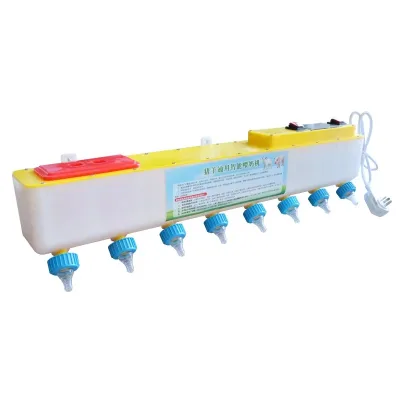


CE Automatic Feeder for Chicken Farms
$13.56 - $17.26
MOQ: 50 Meters
Shandong Huabang Agricultural and Animal Husbandry Machinery Co., Ltd.

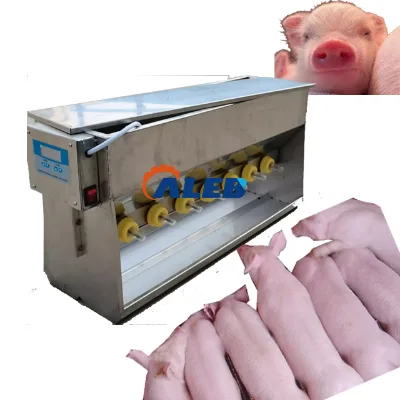
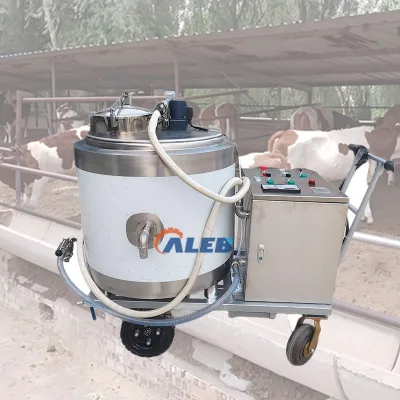

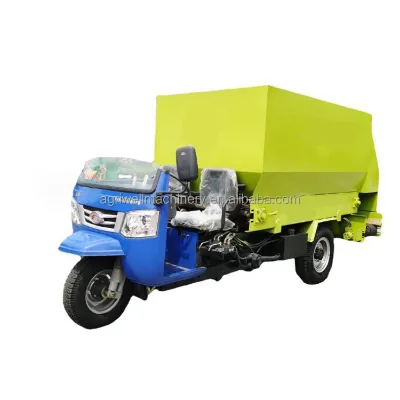

High-Speed Automatic Stainless Steel Meat Loading Feeder with Elevator System
$1300.00 - $2800.00
MOQ: 1 Sets

$80.00 - $150.00
MOQ: 1 Pieces


Comprehensive Sourcing Guide
Strategic Sourcing Guide for Automatic Electric Heating Lamb Feeders
Understanding the Core Product Category and Technical Architecture
The Automatic Electric Heating Lamb Feeder represents a specialized segment within livestock equipment, designed to automate the milk or milk-replacer feeding process for young ruminants. These systems are critical for modernizing lamb rearing operations by ensuring consistent nutrition, precise temperature control, and labor efficiency. Based on observed market data, the product architecture typically integrates a stainless steel or steel mixing tank with an electric heating element and a programmable control unit. The primary function is to mix liquid feed and maintain it at a specific temperature before dispensing it through multiple outlets to individual animals.
Technical specifications for these units vary significantly based on the intended capacity and automation level. A common configuration observed in the market includes a milk output capacity ranging from 2 to 3 liters per minute, which allows for efficient feeding cycles without excessive waiting times. The heating capability is a defining feature, with temperature control ranges typically spanning from 0 to 40 degrees Celsius. This range is essential for mimicking the natural body temperature of milk, ensuring the feed is neither too cold to cause digestive distress nor too hot to scald the animal. The power requirements for these units are generally standardized to accommodate commercial electrical grids, with typical inputs of 220-240V at 50Hz and a power consumption around 1.7kW.
The physical construction of the feeder is equally important for durability and hygiene. Materials observed in the market include stainless steel, which offers superior corrosion resistance and ease of cleaning, as well as plastic components for specific housing or piping elements. The mixing mechanism often features a stirring speed of approximately 2800 revolutions per minute, ensuring a homogenous mixture of milk replacer and water. The dispensing system usually includes multiple pacifiers, with configurations of six outlets being a standard offering for batch feeding. The overall dimensions of the single package often measure around 85x20x18 cm, while the operational footprint may vary depending on the model, with some specifications noting dimensions near 52x52x85 cm.
Compliance, Certification, and Safety Verification Protocols
When sourcing automatic electric heating lamb feeders, buyers must prioritize compliance and safety verification, particularly given the electrical nature of the equipment and its direct contact with animal feed. While specific certification status such as ISO9001 may be referenced in broader industry contexts, buyers should not assume a specific supplier holds these certifications without direct verification. Instead, the procurement process must include a rigorous request for documentation regarding electrical safety standards and food-grade material compliance.
The electrical components of the feeder, including the heating element and motor, must adhere to the voltage and frequency standards of the destination country. For instance, units listed with a 220V/1.7kW rating are designed for specific regional grids. Buyers operating in regions with different voltage standards must ensure the supplier provides compatible transformers or specific model variants to prevent equipment failure or safety hazards. Furthermore, the materials used in the feed contact zones must be verified as food-grade. Although stainless steel and plastic are common materials, the specific grade of steel (e.g., 304 vs. 201) and the type of plastic (e.g., BPA-free) should be explicitly confirmed in the product specifications to ensure they do not leach harmful substances into the milk.
Safety features such as overheat protection and automatic shut-off mechanisms are critical for preventing fire hazards and equipment damage. Buyers should verify that the control systems include these safety protocols. Additionally, the packaging and shipping standards must be evaluated to ensure the equipment arrives without damage. Some suppliers offer wooden box packaging for heavy-duty units, while others use carton packaging for lighter models. The choice of packaging can impact the cost and the condition of the goods upon arrival, making it a key factor in the compliance checklist.
Cost Drivers and Pricing Structure Analysis
The pricing of automatic electric heating lamb feeders is influenced by a complex interplay of factors, including material costs, manufacturing complexity, and the level of automation. The observed market price range is extensive, spanning from approximately $13.56 to $7,800. This wide variance indicates that the market offers products ranging from simple, manual-assist units to fully automated, multi-head systems with advanced digital controls.
Material composition is a primary cost driver. Units constructed primarily from high-grade stainless steel will command a higher price point compared to those utilizing plastic or lower-grade steel alloys. The complexity of the heating and mixing system also affects cost; a unit with a high stirring speed and precise temperature control range will be more expensive than a basic model. Additionally, the number of outlets and the capacity of the mixing tank are significant determinants of price. A feeder with six outlets and a 10-12 liter capacity will generally cost more than a single-head unit with a smaller tank.
Minimum Order Quantity (MOQ) requirements also play a crucial role in the total cost of ownership. The market data shows an MOQ range from 1 to 50 units. Buyers purchasing a single unit may face a higher per-unit cost compared to those placing bulk orders. However, some suppliers may offer a "single set" MOQ for custom or high-end models, which can affect the entry-level cost for small farms. The warranty period, typically observed as 3 months for many units, is another factor that influences pricing; extended warranties or service packages may increase the initial purchase price but reduce long-term risk.
Typical Applications and Operational Scenarios
Automatic electric heating lamb feeders are designed for a variety of applications within the livestock industry, primarily focusing on the rearing of young ruminants. The core application is for lamb feeding, where the precise temperature and consistency of the milk are vital for the health and growth of the lambs. These systems are particularly beneficial in commercial sheep farms where large numbers of lambs need to be fed simultaneously to ensure uniform growth rates.
The versatility of these feeders extends to other young livestock as well. Some models are marketed for calf, kid, and general livestock feeding, indicating a broader application scope. The ability to adjust the feeding parameters allows farmers to customize the feeding schedule for different species or even different age groups within the same flock. For example, the temperature control range of 0-40°C allows for the preparation of milk replacers that are suitable for various nutritional requirements.
In terms of operational scenarios, these feeders are ideal for farms looking to reduce labor costs and improve efficiency. The "labor-saving" and "automatic" features highlighted in product descriptions suggest that these systems can operate with minimal human intervention, allowing farm staff to focus on other critical tasks. The "free guide" and "manufacturer experience" attributes imply that these systems are often accompanied by technical support, which is valuable for farms transitioning from manual feeding to automated systems. The application is not limited to large-scale operations; the availability of single-item selling units and low MOQs makes these feeders accessible to smallholder farmers as well.
Supplier Evaluation and Vendor Selection Criteria
Selecting the right supplier for automatic electric heating lamb feeders requires a thorough evaluation of the vendor's capabilities, reliability, and product quality. Buyers should look for suppliers with a proven track record in the livestock equipment industry. Attributes such as "10 years experience" and "manufacturer" status are strong indicators of a supplier's stability and expertise. A manufacturer-direct approach often ensures better quality control and more competitive pricing compared to trading companies.
The supplier's ability to provide customization is another critical factor. Many buyers have specific requirements regarding the size, capacity, or configuration of the feeder. Suppliers that offer "Customization: Available" and "OEM/ODM: Yes" services can tailor the product to meet these specific needs. This flexibility is particularly important for farms with unique infrastructure or feeding protocols.
Geographic location and logistics capabilities are also essential considerations. Most observed products originate from Hebei, China, a region known for its manufacturing capabilities in agricultural equipment. Buyers should assess the supplier's logistics network to ensure timely delivery and reliable shipping. The "place of origin" and "prod_origin" details should be verified to understand the supply chain dynamics. Additionally, the supplier's response time and communication quality should be evaluated to ensure a smooth procurement process.
Quality Control and Long-Term Procurement Considerations
Quality control is paramount when purchasing automatic electric heating lamb feeders, as these systems are subject to daily wear and tear and must operate reliably over extended periods. Buyers should implement a rigorous quality control process that includes pre-shipment inspections and post-delivery testing. Key areas to inspect include the integrity of the stainless steel or steel construction, the functionality of the heating element, and the accuracy of the temperature control system.
The "Long Service Time" feature observed in product attributes suggests that durability is a key selling point. However, buyers should verify this claim through independent testing or by reviewing customer feedback and case studies. The warranty period, typically 3 months, provides a baseline for quality assurance, but buyers should consider the long-term maintenance requirements of the equipment. Spare parts availability and the supplier's after-sales support are critical for minimizing downtime and extending the lifespan of the feeder.
Long-term procurement considerations also involve the scalability of the solution. As a farm grows, the feeding system may need to be expanded or upgraded. Buyers should choose suppliers who can provide modular solutions or compatible upgrades to accommodate future growth. The "automatic" and "labor-saving" features of these feeders offer significant long-term benefits in terms of operational efficiency and labor cost reduction. By investing in high-quality, reliable equipment, farmers can ensure consistent performance and maximize their return on investment over the life of the asset.
Comparative Analysis of Key Product Specifications
To facilitate informed decision-making, the following table summarizes the key specifications observed in the market for automatic electric heating lamb feeders. This comparison highlights the variations in capacity, power, and design that buyers should consider when selecting a product.
| Specification | Typical Range / Observation | Notes for Buyers |
|---|---|---|
| Material | Stainless Steel, Plastic, Steel | Verify food-grade certification for contact surfaces. |
| Power Input | 220-240V; 50Hz; 1.7kW | Ensure compatibility with local grid voltage. |
| Temperature Control | 0-40°C | Essential for milk replacer preparation. |
| Milk Output | 2-3 L/Min | Determines feeding speed and cycle time. |
| Outlet Quantity | 6 (Standard) | Check if multi-head or single-head is needed. |
| Capacity | 10 kg / 10-12 L | Match tank size to flock size. |
| Stirring Speed | 2800 r/Min | Higher speed ensures better mixing homogeneity. |
| MOQ | 1 Set to 50 Pcs | Negotiate based on order volume. |
| Warranty | 3 Months | Verify coverage terms and service availability. |
| Origin | Hebei, China | Assess logistics and lead times from this region. |
This table serves as a reference point for buyers to compare different models and identify the specifications that best align with their operational needs. By carefully evaluating these parameters, buyers can select a feeder that offers the optimal balance of performance, durability, and cost-effectiveness.
FAQs
What is the typical temperature control range for these feeders?
The temperature control range typically spans from 0 to 40 degrees Celsius. This range ensures milk is neither too cold nor too hot, mimicking natural body temperature for safe animal feeding.
Which materials are commonly used for the mixing tank construction?
Stainless steel and steel are the primary materials observed for the mixing tank. These materials offer superior corrosion resistance and ease of cleaning for food-grade applications in livestock farming.
Can buyers request customization for specific farm requirements?
Yes, customization is available for many models to meet specific needs. Buyers can also request OEM or ODM services to tailor the feeder to their unique operational protocols.
What is the minimum order quantity for purchasing a unit?
The minimum order quantity varies, with some suppliers listing 10 pieces and others accepting 1 set. Buyers should check specific listings as MOQ ranges from 1 to 50 units depending on the model.
How many outlets are standard for the dispensing system?
A standard configuration often includes six pacifiers or outlets for batch feeding. This allows multiple animals to be fed simultaneously, improving efficiency on commercial farms.
What is the typical power consumption for these electric units?
Typical power requirements are 220-240V at 50Hz with a consumption around 1.7kW. This standard input accommodates most commercial electrical grids for reliable operation.
What is the warranty period provided for the equipment?
The warranty period is typically 3 months for many units. Buyers should verify specific terms as extended warranties may be available for long-term service assurance.