Source Automatic Electric Robotic Palletizer for Food, Beverage, and Chemical
Find 30 Automatic Electric Robotic Palletizer units with payload capacities from 30kg to 180kg. Compare specifications including 4-axis and 6-axis models, customizable layouts, and integration with packaging lines for food, beverage, and chemical industries.
Key considerations
Products List


Automatic Intelligent Industrial Robot Palletizing Robot Robotic Arm Palletizer
$21000.00 - $70000.00
MOQ: 1 Sets


Automatic Robotic Palletizer Bag Palletize Robot Palletizer Robotic Stacker Pallet
$15000.00 - $46000.00
MOQ: 1 Pieces


Industry Leading Speed Adjustment Product Palletising Tools Robotic Palletiser
$80000.00 - $200000.00
MOQ: 1


Automatic Robotic Palletizer with Electrical Features for Food Packaging System
$14000.00 - $18000.00
MOQ: 1 Pieces
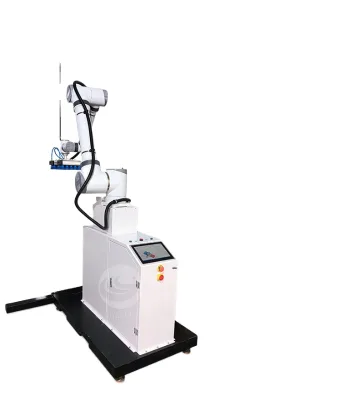


Automatic Robotic Palletizer Box Palletizing Robot Machine Depalletizing Robot
$8000.00 - $20000.00
MOQ: 1 Pieces


Automatic Carton Case Robot Palletizer Automatic Palletizing System Low Price Robot Arm
$17000.00 - $22000.00
MOQ: 1 Pieces

Robot Palletizer for Cartons Palletizing Industrial Robots Gt-R130
$17000.00 - $22000.00
MOQ: 1 Pieces

High Performance 4-Axis Fully Automatic Robot Palletizer System Robots
$17000.00 - $22000.00
MOQ: 1 Pieces
Comprehensive Sourcing Guide
Strategic Sourcing Guide for Automatic Electric Robotic Palletizers
Understanding Core Technical Specifications and Capabilities
When evaluating an Automatic Electric Robotic Palletizer, the primary focus must be on the mechanical architecture and the specific operational parameters that define its utility. The market offers machines characterized by a single column robotic structure, which provides a stable foundation for high-speed operations. These systems typically utilize a 6-axis or 4-axis configuration, with the 6-axis design offering superior flexibility for complex palletizing patterns. The degrees of freedom in these units allow for precise control over the end effector, enabling the robot to navigate around obstacles and place items with high accuracy.
The payload capacity is a critical specification that dictates the weight of the items the robot can handle. Observed data indicates a range of 70 to 150 kilograms for standard industrial models, though specific configurations may support loads up to 180 kilograms. This capacity is essential for industries handling heavy bags, cartons, or containers. The lifting height of these units generally spans from 1.8 to 5 meters, accommodating various pallet sizes and stacking requirements. The maximum coverage of the robotic arm is often cited around 2350 millimeters, ensuring a wide working envelope for large-scale operations.
Drive modes are predominantly electric, ensuring energy efficiency and precise control over movement. The control mode typically involves continuous path control, which is vital for maintaining smooth trajectories during high-speed picking and placing tasks. The production line integration capabilities are designed to be compatible with automatic packaging lines, allowing for seamless workflow continuity. The system configuration is modular, which facilitates easier upgrades and maintenance. The frame material is constructed from either carbon steel or stainless steel options, depending on the environmental requirements of the facility. Surface treatments include industrial anti-corrosion coatings to protect the machinery in harsh conditions.
Compliance, Certification, and Safety Standards
Ensuring that an Automatic Electric Robotic Palletizer meets international safety and quality standards is a non-negotiable aspect of the procurement process. Buyers must verify that the equipment carries recognized certifications, such as ISO and CE marks, which indicate compliance with global safety and quality management systems. These certifications are not merely formalities; they represent adherence to rigorous testing protocols regarding electrical safety, mechanical integrity, and operational reliability.
The safety system is a fundamental component of these machines, featuring an industrial safety protection system designed to prevent accidents during operation. This includes emergency stop mechanisms, safety light curtains, and interlocks that halt the machine if a human enters the danger zone. The standard for these systems is often defined as an "Industrial Palletizing System," which implies a baseline of safety and performance that must be met. Buyers should request documentation proving that the specific model they are considering has passed these safety tests.
In addition to general certifications, the machine's condition is typically listed as "New," ensuring that the buyer receives a unit with full warranty coverage and no prior wear. The warranty period is commonly one year, covering parts and labor for defects in manufacturing. It is crucial to confirm the specific terms of this warranty, including what is covered and the response time for after-sales service. The after-sales service is generally provided, but the scope of this service, including the availability of spare parts and technical support, must be clearly defined in the procurement contract.
Cost Drivers and Financial Considerations
The financial landscape of sourcing an Automatic Electric Robotic Palletizer is influenced by several key factors. The observed price range for these units in the market spans from 6,000 to 200,000 USD. This wide variance is driven by differences in payload capacity, axis configuration, customization levels, and the inclusion of advanced features. A basic 4-axis model with a lower payload capacity will naturally fall at the lower end of this spectrum, while a 6-axis system with high payload capacity and custom end-effectors will command a premium price.
The minimum order quantity (MOQ) for these industrial machines is typically 1 unit, allowing buyers to purchase a single system for pilot testing or small-scale deployment. However, the total cost of ownership extends beyond the initial purchase price. Buyers must consider the power capacity, which is often around 2.0 kVA, and the energy consumption over the machine's lifespan. The equipment weight, which can be around 2000 kg, also impacts logistics and installation costs, as heavy machinery may require specialized lifting equipment and reinforced flooring.
Customization is a significant cost driver. While standard models are available, many buyers require custom layouts and configurations to fit their specific production lines. This includes custom palletizing patterns, specific end-effector types for bags, cartons, or boxes, and integration with existing software. The production model, such as the KW1030D-1800 or KW1120M-2400, often dictates the pricing tier. Additionally, the packaging method, typically an export standard wooden case, adds to the shipping costs. Buyers should request a detailed breakdown of costs, including the base machine, customization fees, packaging, and shipping, to avoid hidden expenses.
Typical Applications and Industry Suitability
Automatic electric robotic palletizers are versatile tools designed to serve a wide array of industries. The primary application industries include food and beverage, chemical, building materials, and agriculture. In the food and beverage sector, these machines handle bags, cartons, and boxes with hygiene in mind, often utilizing stainless steel frames to meet sanitary standards. The chemical industry benefits from the anti-corrosion coatings and robust construction, which protect the machine from harsh substances.
The building materials and agriculture sectors often deal with heavy and irregularly shaped items, making the high payload capacity and programmable pallet patterns of these robots essential. The product handling type covers bags, cartons, boxes, and containers, making the system adaptable to various packaging formats. The end-effector type can be customized to include bag, carton, or box gripper options, ensuring that the robot can handle the specific items in the production line.
In addition to these core industries, the applications extend to pharmaceutical, logistics, electronics, and automotive sectors. The versatility of the robotic arm allows for complex picking and placing tasks, which are critical in high-volume logistics operations. The transport capacity of these machines can reach up to 1000 bags per hour, making them suitable for high-throughput environments. The modular design allows for easy integration into existing production lines, minimizing downtime during installation.
Supplier Evaluation and Geographic Considerations
When evaluating suppliers for automatic electric robotic palletizers, buyers should focus on the supplier's location and their ability to provide comprehensive support. The observed data indicates that many of these machines originate from Shandong, China, with specific manufacturing hubs in locations like Shandong Tai'an Feicheng. This geographic concentration suggests a mature supply chain with established logistics networks for exporting heavy machinery.
Buyers should verify the supplier's reputation for providing after-sales service, including the availability of technical support and spare parts. The warranty period is typically one year, but the quality of the service provided during this period is crucial. Suppliers that offer a "One Year" service commitment should be evaluated based on their response time and the availability of local technicians. The condition of the equipment is usually listed as "New," but buyers should request proof of this status and ensure that the machine has not been refurbished or used previously.
The production model and standard are also important indicators of supplier capability. Models like the KW1180M-3200 represent specific configurations that may offer unique advantages. Buyers should compare the specifications of different models to ensure they meet their operational needs. The standard for these machines is often defined as an "Industrial Palletizing System," which implies a certain level of quality and performance. Buyers should request documentation that confirms the machine meets these standards.
Quality Control and Long-Term Procurement Strategy
Quality control is paramount when procuring industrial automation equipment. Buyers should implement a rigorous inspection process that includes verifying the material composition, such as the use of stainless steel or carbon steel, and checking the surface treatment for anti-corrosion properties. The maintenance type is described as "Easy Maintenance Modular Design," which suggests that the machine is designed for minimal downtime and easy access to critical components. Buyers should verify this claim by reviewing the maintenance manual and ensuring that the modular design is practical for their maintenance team.
The long-term procurement strategy should focus on the scalability and adaptability of the chosen system. The system configuration is modular, allowing for future upgrades and expansions. The production line integration is compatible with automatic packaging lines, ensuring that the robot can grow with the business. Buyers should also consider the operating power, which is typically around 5.5 kg for the end-effector, and ensure that the power capacity of the facility can support the machine's requirements.
The warranty and after-sales service are critical components of the long-term strategy. A one-year warranty is standard, but buyers should negotiate extended warranty options if available. The after-sales service should include training for the maintenance team and access to technical support. The equipment weight and lifting height should be considered in the context of the facility's infrastructure to ensure that the machine can be installed and operated safely. By focusing on these long-term considerations, buyers can ensure that their investment in an Automatic Electric Robotic Palletizer delivers value over its entire lifecycle.
Comparative Analysis of Key Specifications
To facilitate a clear comparison of different models and configurations, the following table summarizes the key specifications observed in the market. This comparison highlights the variations in payload, axis configuration, and application suitability.
| Specification | Model A (Standard) | Model B (High Capacity) | Model C (Customized) |
|---|---|---|---|
| Degrees of Freedom | 4-axis | 6-axis | 6-axis |
| Payload Capacity | 70-150 Kg | 180 Kg | 150 Kg |
| Lifting Height | 1.8-5 Meters | 1.8-5 Meters | 1.8-5 Meters |
| Frame Material | Carbon Steel | Stainless Steel | Carbon Steel/Stainless |
| End Effector | Bag/Carton/Box | Bag/Carton/Box | Custom Gripper |
| Application | Food, Beverage | Pharma, Logistics | Agri, Chemical |
| Certification | ISO, CE | ISO, CE | ISO, CE |
| Warranty | 1 Year | 1 Year | 1 Year |
This table illustrates that while the core specifications remain consistent across models, the payload capacity and axis configuration are the primary differentiators. Buyers should select the model that best aligns with their specific operational requirements, ensuring that the machine can handle the weight and complexity of their products. The certification and warranty remain consistent, providing a baseline of quality and support across all models. By carefully analyzing these specifications, buyers can make an informed decision that maximizes the efficiency and reliability of their palletizing operations.
FAQs
What payload capacity does this robotic palletizer support?
The system supports a payload capacity ranging from 70 to 150 kilograms for standard models, with specific configurations handling up to 180 kilograms. This range accommodates heavy bags, cartons, and containers used in food, beverage, and chemical industries.
Which certifications verify the safety and quality of the machine?
The equipment carries ISO and CE certifications, confirming compliance with global safety and quality management systems. These marks indicate adherence to rigorous testing protocols for electrical safety and mechanical integrity required for industrial operations.
How is the robotic arm configured for complex palletizing tasks?
The machine utilizes a 6-axis or 4-axis configuration with continuous path control for precise movement. This setup enables programmable pallet patterns and navigation around obstacles while handling bags, cartons, and boxes efficiently.
Can the system be customized for specific production line layouts?
Yes, custom layouts and configurations are available to fit unique production requirements. Buyers can select specific end-effector types and palletizing patterns to ensure seamless integration with existing automatic packaging lines.
What is the warranty period and after-sales service provided?
A one-year warranty covers parts and labor for manufacturing defects, with after-sales service provided throughout this period. Buyers should verify the scope of support, including spare parts availability and technical assistance response times.
Which industries are suitable for this Automatic Electric Robotic Palletizer?
The system is designed for food, beverage, chemical, building materials, and agriculture sectors. It also serves pharmaceutical, logistics, electronics, and automotive industries by handling diverse product types like bags and containers.
How is the machine constructed to resist corrosion and wear?
The frame is made of carbon steel or stainless steel options with industrial anti-corrosion coating. This construction ensures durability in harsh environments while maintaining the modular design for easy maintenance and upgrades.