Source Automatic Electric Screw Capping Machine for Bottles, Cans, and Containers
Find 30 Automatic Electric Screw Capping Machine listings from Guangdong, China. Compare specifications like voltage, speed, and bottle sizes to identify reliable suppliers for medical and industrial packaging needs.
Key considerations
Products List
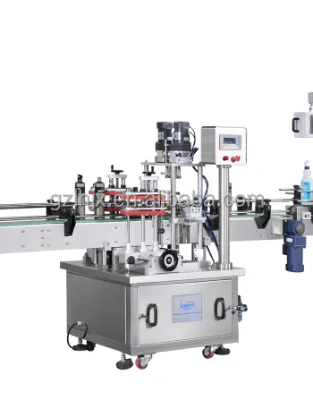
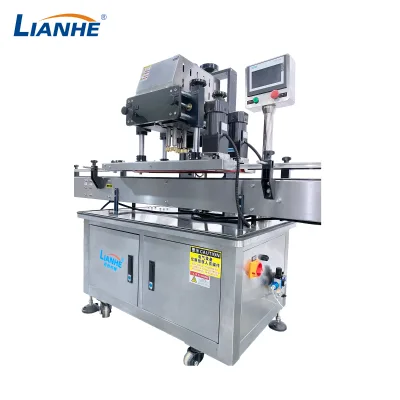


Automatic Capping Machine Four Wheels Bottle Capping Machine Screw Capper
$6250.00 - $6300.00
MOQ: 1 Sets


Automatic Capping Machine High Speed Bottle Capping Machine Screw Capper
$6250.00 - $6300.00
MOQ: 1 Sets


CE Certified Automatic Capping Machine with Adjustable Torque Control
$2388.00 - $5188.00
MOQ: 1 Pieces


Comprehensive Sourcing Guide
Strategic Sourcing Guide for Automatic Electric Screw Capping Machines
Procuring an Automatic Electric Screw Capping Machine requires a disciplined approach that balances technical precision with supply chain reliability. These machines are critical assets in the packaging line, designed to apply caps to containers with high speed and accuracy. Buyers must navigate a complex landscape of specifications, certifications, and operational requirements to ensure the selected equipment integrates seamlessly with existing production workflows. This guide outlines the essential factors for evaluating and sourcing these machines, focusing on verified data points and industry best practices.
Technical Specifications and Operational Parameters
The core functionality of an Automatic Electric Screw Capping Machine is defined by its mechanical and electrical specifications. When evaluating potential units, buyers must first verify the voltage requirements against their facility's power infrastructure. Available data indicates that models may operate on 220V at 50 Hz or 380V, depending on the specific configuration and regional standards. The power consumption for certain models is listed around 550W, though this varies significantly based on the machine's capacity and automation level.
Dimensional constraints are equally critical for factory floor planning. The physical footprint of these machines can be substantial, with specific models measuring approximately 2500 mm in length, 1000 mm in width, and 2000 mm in height. The weight of the machinery is another key logistical factor, with observed values ranging from 500 kg to 850 kg. This weight impacts shipping costs, foundation requirements, and the need for specialized handling equipment during installation.
The operational speed and capacity of the machine are often the primary drivers of procurement decisions. Production capacity figures vary widely based on the model and configuration, with some units capable of processing between 1800 and 3000 bottles per hour, while others may reach up to 5000 to 7200 bottles per hour. The working pressure requirements also differ; some systems operate at 3-5 kg/cm², while others require a range of 0.6-0.8 MPa. Buyers must ensure their compressed air supply meets these specific pressure thresholds to maintain consistent performance.
Noise levels are a significant consideration for workplace safety and compliance. High-quality units are designed to operate at noise levels of 70 dB or less, contributing to a safer working environment. The speed control mechanism is typically achieved through frequency control, allowing operators to adjust the capping speed dynamically to match production demands or bottle characteristics. The driven type for these machines is consistently electric, ensuring precise control over the capping torque and rotation speed.
Compliance, Certification, and Safety Standards
In the industrial machinery sector, compliance with international standards is non-negotiable. Buyers should verify that the supplier provides machines that meet recognized certification requirements. Common certifications observed in the market include CE marking and ISO 9001. The CE certification indicates conformity with health, safety, and environmental protection standards for products sold within the European Economic Area. ISO 9001 certification demonstrates that the manufacturer has implemented a quality management system that meets international standards for consistency and reliability.
Safety is paramount when operating high-speed machinery. The presence of core components such as PLCs (Programmable Logic Controllers) and motors suggests a reliance on automated control systems that must be safe and reliable. Buyers should request machinery test reports to validate the performance and safety of the equipment before purchase. These reports provide empirical evidence of the machine's capabilities and adherence to safety protocols. Additionally, the warranty period is a crucial indicator of manufacturer confidence; a standard warranty of one year is typical, but buyers should clarify the scope of coverage and the terms for extending this period.
Cost Drivers and Pricing Variables
Understanding the cost structure of automatic screw capping machines is essential for budgeting and total cost of ownership analysis. The observed price range for these units spans from approximately $348 to $24,750. This wide variance is driven by several factors, including the level of automation, the speed of production, the complexity of the capping mechanism, and the inclusion of advanced features like PLC integration.
The Minimum Order Quantity (MOQ) is another critical cost driver. In many cases, the MOQ is set at a single unit, allowing buyers to procure a single machine for pilot testing or small-scale production. However, the supply ability of the manufacturer must be considered; some suppliers can deliver up to 30 sets per month, while others may offer higher capacities of 80 sets per month. This capacity affects lead times and the ability to scale production quickly.
Shipping and packaging costs also contribute significantly to the final price. The standard packaging for these machines is typically a wooden case, which provides robust protection during transit. However, buyers can often request custom packaging according to specific requirements, which may incur additional costs. The port of dispatch, often listed as Guangzhou port for units originating from Guangdong, China, influences freight charges and insurance premiums. Buyers should factor in the logistics of moving a heavy machine (500-850 kg) from the port to their facility, including potential customs duties and import taxes.
Typical Applications and Bottle Compatibility
The versatility of automatic electric screw capping machines makes them suitable for a wide range of industries. The primary application for these machines is in the medical sector, where precision and hygiene are critical. However, they are also widely used in other industries requiring the capping of round and flat bottles. The machine's ability to handle various packaging materials, including glass, metal, and plastic, adds to its utility across different product lines.
Bottle compatibility is a key technical specification that buyers must verify. The machine must be capable of handling the specific dimensions of the bottles used in the production line. Observed specifications indicate that these machines can accommodate bottle diameters ranging from 20 mm to 120 mm, with some models supporting a narrower range of 20 mm to 25 mm or 25 mm to 100 mm. The height of the bottles is also a constraint, with typical ranges extending from 100 mm to 250 mm.
The packaging type supported includes both bottles and cans, offering flexibility for manufacturers producing diverse product lines. The ability to switch between different bottle sizes and types is often facilitated by adjustable components, though the specific changeover time and complexity should be evaluated. Buyers should ensure that the machine's specifications align with their current and future packaging needs to avoid costly upgrades or replacements.
Supplier Evaluation and After-Sales Support
Selecting the right supplier is as important as selecting the right machine. The brand name "Lianhe" is associated with some of the available units, but buyers should not limit their search to a single brand. Instead, they should evaluate suppliers based on their technical expertise, production capacity, and after-sales support capabilities. A critical factor is the availability of engineers to service machinery overseas. This service ensures that any technical issues can be resolved promptly, minimizing downtime and maintaining production efficiency.
Online support is another valuable service offered by many suppliers, providing remote assistance for troubleshooting and operational guidance. The warranty period, typically one year, should be clearly defined, including what components are covered and the response time for service requests. Buyers should also inquire about the availability of spare parts and the lead time for their delivery.
The production capacity of the supplier is another indicator of their reliability. A supplier with a production capacity of 5000-7200 bottles per hour for their own machinery or a supply ability of 30-80 sets per month demonstrates the ability to meet demand. Buyers should verify the place of origin, which is often Guangdong, China, and assess the logistics capabilities of the supplier to ensure timely delivery.
Quality Control and Long-Term Procurement Considerations
Quality control is essential to ensure the longevity and reliability of the automatic screw capping machine. Buyers should request detailed specifications regarding the machine's construction, including the materials used for critical components. The condition of the machine should be verified as "New" to ensure it has not been previously used or refurbished. The key selling points of these machines, such as being easy to operate, having a low noise level, and offering high accuracy, should be validated through testing or demonstration.
Customization is a significant advantage for buyers with unique requirements. Many suppliers offer customization options, allowing for modifications to the machine's dimensions, voltage, or control systems. This flexibility ensures that the machine can be tailored to fit specific production line configurations. However, buyers should carefully evaluate the impact of customization on the lead time and cost.
Long-term procurement considerations include the total cost of ownership, which encompasses not only the purchase price but also maintenance, energy consumption, and potential downtime. The frequency control system allows for efficient operation, but buyers should assess the energy efficiency of the machine to minimize operational costs. Additionally, the availability of technical documentation and training materials is crucial for the effective operation and maintenance of the machine by the buyer's staff.
Final Procurement Checklist
To conclude the sourcing process, buyers should compile a comprehensive checklist to ensure all critical factors have been addressed. This checklist should include verification of voltage and power requirements, confirmation of certification status (CE, ISO 9001), and validation of the machine's dimensions and weight. Buyers must also confirm the bottle size compatibility, production capacity, and the availability of after-sales support. Finally, they should review the warranty terms, shipping arrangements, and the supplier's reputation in the market. By following this structured approach, buyers can make informed decisions that align with their operational needs and long-term strategic goals.
FAQs
What certifications do these machines have?
The machines hold CE and ISO 9001 certifications. These standards confirm compliance with safety and quality management requirements for international markets.
How fast can the machine produce bottles?
Production capacity ranges from 1800 to 7200 bottles per hour depending on the specific model. Buyers should verify the exact output against their line requirements.
Can the machine handle different bottle sizes?
Yes, it accommodates bottle diameters from 20 to 120 mm and heights between 100 and 250 mm. The unit supports round and flat bottles made of glass, metal, or plastic.
What is the warranty period for the equipment?
A standard one-year warranty is provided for the machinery. This coverage ensures protection against defects while engineers remain available for overseas service support.
How much does the machine weigh?
The weight varies between 500 kg and 850 kg for different configurations. This substantial mass requires a sturdy foundation and specialized handling during installation.
Is customization available for the machine?
Customization options are available to meet specific buyer requirements. Suppliers can adjust packaging or dimensions, though this may impact lead times and costs.
What is the noise level during operation?
The noise level is kept at 70 dB or less during operation. This low noise design contributes to a safer and more comfortable working environment for staff.