Source Automatic Electric Thread Rolling Machine for Machinery Parts, Bolts, and Screws
Explore 30 listings for the Automatic Electric Thread Rolling Machine, comparing features like CNC machining, forgings, and electric power sources. Buyers can evaluate specifications including tolerances, material types, and packing options from verified Chinese suppliers.
Key considerations
Products List


High Efficiency Thread Rolling Machine Hot Sale Automatic Thread Roller
$50000.00 - $51000.00
MOQ: 1 Pieces


Automatic Thread Rolling Bar Threading Machine Thread Rolling Machine
$8300.00 - $9800.00
MOQ: 1 Pieces


Convenient and Labor-Saving Rolling Machine Small Thread Rolling Machine
$600.00 - $630.00
MOQ: 1 Pieces

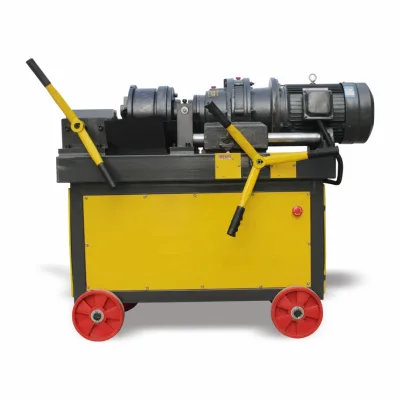

Comprehensive Sourcing Guide
Strategic Sourcing Guide for Automatic Electric Thread Rolling Machines
Understanding Core Technical Specifications and Capabilities
When evaluating an Automatic Electric Thread Rolling Machine, the primary focus must be on the precise technical parameters that define its operational efficiency and output quality. The market offers a diverse range of configurations, often distinguished by their specific processing objects and forming methods. In the context of industrial procurement, buyers should verify that the equipment is designed for metal processing, specifically targeting applications such as machinery parts. The core forming mechanism is typically identified as mold forging or rolling, which distinguishes these units from casting or machining centers, although some advanced systems may integrate machining centers for secondary operations.
A critical differentiator in this category is the tolerance capability. High-precision requirements demand equipment capable of maintaining tight tolerances, with observed market capabilities ranging from +/-0.1mm to +/-0.5mm. The selection between these tolerances depends heavily on the specific thread type and the material hardness being processed. For instance, machines designed for standard fasteners like M6-M24 sizes must demonstrate consistent accuracy within these narrow margins to ensure interchangeability in assembly lines. Furthermore, the physical dimensions of the machine, including the moving dies and stationary length, are vital for integration into existing factory layouts. Specifications such as a moving dies stationary length of 108/127/25mm or overall dimensions like 200016001700mm must be cross-referenced with the buyer's floor space constraints.
The power source is a fundamental specification, with the vast majority of modern automatic units operating on electric power. This ensures a stable energy supply for the high-speed operations required in thread rolling. The main motor capacity is another key metric; observed data suggests motor ratings around 5.5kW are common for specific models, directly influencing the machine's ability to handle the stress of cold forming without overheating. Additionally, the production speed, often measured in output rates or linear speeds like 150-185cm, dictates the throughput potential. Buyers must align these speed specifications with their production targets to avoid bottlenecks. The maximum output capacity, which can range from 145 to 165 units per cycle or hour depending on the model, serves as a benchmark for evaluating the machine's efficiency against competing units.
Compliance, Certification, and Standard Verification
Ensuring that an Automatic Electric Thread Rolling Machine meets international and regional safety and quality standards is a non-negotiable aspect of the procurement process. Compliance verification begins with checking for recognized certifications. The CE mark is a prominent indicator of conformity with health, safety, and environmental protection standards for products sold within the European Economic Area. Buyers should explicitly request and verify the presence of the CE certification on the machine's nameplate and accompanying documentation. This certification is not merely a formality but a critical assurance that the electrical and mechanical components adhere to rigorous safety protocols.
Beyond general certifications, the machine's adherence to specific product standards is essential. Standards can vary significantly between manufacturers, ranging from proprietary model codes like CY-08Z or CY12Z to custom standards defined by the customer's specific product requirements. Some units may be manufactured according to general dimensional standards, such as 300015001800mm, while others might adhere to weight-based standards like 1000Kg. It is imperative for the buyer to clarify whether the standard referenced is a national standard, an industry standard, or a custom specification agreed upon during the design phase. The absence of a clear standard designation should trigger a request for detailed technical drawings and compliance reports.
Material compatibility is another area where standards play a vital role. The machine must be capable of processing specific materials, such as iron or steel, without compromising the integrity of the thread or the tooling. The surface treatment processes applied to the finished parts, such as electroplating, must also be compatible with the machine's operation to prevent contamination or damage. Buyers should verify that the machine's design supports the necessary surface treatments and that the material specifications align with the intended application. Furthermore, the warranty period, typically observed as 12 months, serves as a contractual standard for the machine's reliability and the supplier's confidence in their product.
Cost Drivers and Pricing Structure Analysis
The pricing of automatic electric thread rolling machines is influenced by a complex interplay of factors, including the level of automation, material specifications, and the degree of customization required. The observed price range in the market spans from approximately 500 USD to nearly 100,000 USD, reflecting the vast difference between basic manual or semi-automatic units and fully automated, high-precision industrial systems. This wide variance necessitates a clear understanding of what drives the cost in a specific quote.
One of the primary cost drivers is the customization level. Machines that are fully customized to meet unique production requirements often command a higher price due to the engineering time and specialized tooling involved. In contrast, standard models with predefined specifications, such as those labeled with model numbers like CY05Z or Rainbow, may offer a more cost-effective solution for general applications. The material of the machine itself, particularly the use of steel or iron for the main structure, also impacts the cost, as high-grade materials are required to withstand the high forces generated during the rolling process.
Another significant factor is the complexity of the machine's features. Units equipped with advanced automation features, high-efficiency motors, and precise tolerance capabilities (e.g., +/-0.1mm) will inherently cost more than those with basic functionality. The inclusion of specific advantages, such as ease of maintenance or wide applicability, can also influence the final price. Buyers should be wary of quotes that seem unusually low, as they may indicate compromises in material quality, safety features, or the absence of essential certifications like CE. Conversely, excessively high prices should be scrutinized to ensure they are justified by superior performance metrics or extended warranty terms.
Typical Applications and Industry Use Cases
Automatic electric thread rolling machines are versatile tools designed for a wide array of industrial applications, with a primary focus on the manufacturing of machinery parts. The ability to process metal materials, specifically iron and steel, makes these machines indispensable in sectors such as automotive, construction, and general manufacturing. The specific application of the machine often dictates the required specifications, such as the thread type (M6-M24) and the length of the screw or thread being produced.
In the automotive industry, these machines are frequently used to produce high-strength fasteners and components that require precise tolerances and high durability. The cold forming process utilized by thread rolling machines enhances the grain structure of the metal, resulting in parts with superior strength compared to cut threads. This makes them ideal for critical applications where failure is not an option. Similarly, in the construction sector, the machines are employed to manufacture bolts, nuts, and other fasteners used in structural assemblies. The ability to handle large volumes with high efficiency makes them suitable for the mass production needs of these industries.
The versatility of these machines extends to their ability to produce a variety of thread lengths and diameters. Specifications such as a screw length of 100mm or a diameter range of 4-8mm indicate the machine's capacity to handle diverse product lines. The "Use Widely" advantage noted in many product descriptions underscores the broad applicability of these machines across different manufacturing environments. Whether for small-batch custom production or large-scale continuous manufacturing, the Automatic Electric Thread Rolling Machine offers a reliable solution for creating high-quality threaded components.
Supplier Evaluation and Operational Reliability
Selecting the right supplier for an Automatic Electric Thread Rolling Machine requires a thorough evaluation of their operational capabilities and track record. Buyers should prioritize suppliers who demonstrate a clear understanding of the technical specifications and can provide detailed documentation regarding the machine's performance. The origin of the machine, often listed as China or specific regions like Zhejiang, can provide insights into the manufacturing ecosystem and the availability of skilled labor and supply chains. However, the location should not be the sole determinant of quality; instead, it should be considered alongside the supplier's reputation and the specific certifications they hold.
A critical aspect of supplier evaluation is the assessment of their after-sales support and warranty provisions. A standard warranty period of 12 months is common, but buyers should verify the scope of this coverage, including what is included in terms of parts, labor, and technical support. The availability of spare parts and the supplier's ability to provide timely maintenance services are essential for minimizing downtime in a production environment. Additionally, the supplier's experience with customization should be evaluated, as many buyers require machines tailored to their specific production needs.
The packaging and shipping methods provided by the supplier are also indicators of their professionalism and attention to detail. Seaworthy packing or wooden cases are standard practices to ensure the machine arrives in pristine condition, especially for international shipments. Buyers should verify that the packaging meets the necessary standards to protect the equipment during transit. Furthermore, the supplier's ability to provide accurate lead times and handle logistics efficiently is crucial for maintaining production schedules. A supplier who can provide clear and reliable information regarding these aspects is more likely to be a reliable partner in the long term.
Quality Control and Long-Term Procurement Considerations
Implementing a robust quality control (QC) protocol is essential for ensuring that the Automatic Electric Thread Rolling Machine meets the required standards and performs reliably over time. Buyers should establish clear acceptance criteria based on the machine's specifications, including tolerance levels, output capacity, and surface treatment capabilities. Regular inspections during the manufacturing process and before shipment can help identify and rectify any potential issues. The use of standardized testing procedures, aligned with the machine's certifications and standards, is vital for validating its performance.
Long-term procurement considerations extend beyond the initial purchase price to include the total cost of ownership. This encompasses factors such as energy consumption, maintenance costs, and the lifespan of the machine. Machines with features like high efficiency and ease of maintenance can significantly reduce operational costs over time. Buyers should also consider the scalability of the machine, ensuring it can adapt to future production needs or changes in product specifications. The availability of upgrades or modular components can enhance the machine's longevity and flexibility.
Finally, the relationship between the buyer and the supplier should be viewed as a long-term partnership. A supplier who is committed to continuous improvement and customer satisfaction is more likely to provide ongoing support and value. Buyers should maintain open communication channels and regularly review the machine's performance against the agreed-upon specifications. By focusing on quality control and long-term strategic planning, buyers can ensure that their investment in an Automatic Electric Thread Rolling Machine delivers consistent value and supports their manufacturing goals.
FAQs
What certifications does the Automatic Electric Thread Rolling Machine have?
The machine holds CE certification, confirming compliance with European safety standards. This ensures the electrical and mechanical components meet rigorous health and environmental protection protocols for industrial use.
How is the Automatic Electric Thread Rolling Machine customized for buyers?
Customization is available to meet specific product requirements and standards. Buyers can request unique specifications, allowing the machine to adapt to diverse production needs rather than relying solely on standard models.
Which materials can the Automatic Electric Thread Rolling Machine process?
The equipment processes metal materials, specifically iron and steel. This capability supports the manufacturing of machinery parts and fasteners through cold forming techniques like mold forging and gravity casting.
What is the warranty period for the Automatic Electric Thread Rolling Machine?
The machine comes with a 12-month warranty covering reliability and performance. This standard period reflects the supplier's confidence in the product's durability and provides a baseline for after-sales support.
How does the Automatic Electric Thread Rolling Machine ensure precision?
Precision is maintained through tight tolerances ranging from plus or minus 0.1mm to plus or minus 0.5mm. These capabilities ensure consistent accuracy for thread types like M6 to M24 in assembly lines.
Can the Automatic Electric Thread Rolling Machine operate with high efficiency?
Yes, the machine features high efficiency and automation capabilities for mass production. It utilizes electric power sources and motors, such as 5.5kW units, to handle high-speed operations without overheating.
What packaging is used for shipping the Automatic Electric Thread Rolling Machine?
The machine is shipped in seaworthy packaging or wooden cases to ensure safety during transit. This professional packing method protects the equipment from damage and maintains its condition upon arrival.