Source Automatic Electric Snow Cone Machine with Filtering Device for Hotels, Restaurants, and Food Trucks
Explore 30 listings for the Automatic Electric Snow Cone Machine with Filtering Device, designed for commercial and household use. Buyers can compare specifications, prices, and certifications from verified suppliers in Guangdong, China.
Key considerations
Products List
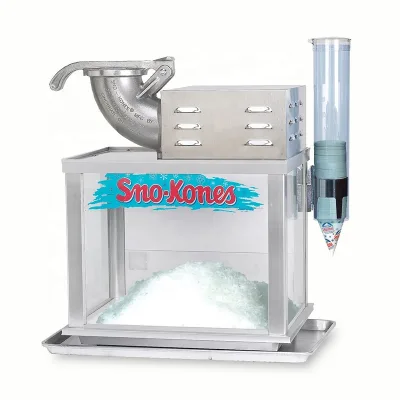
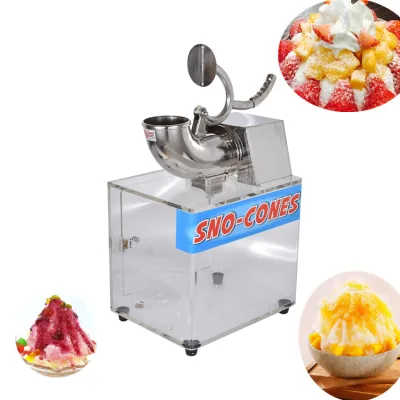
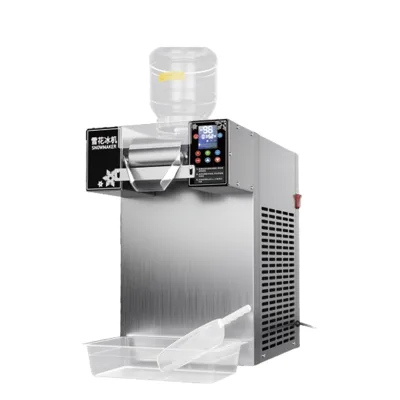
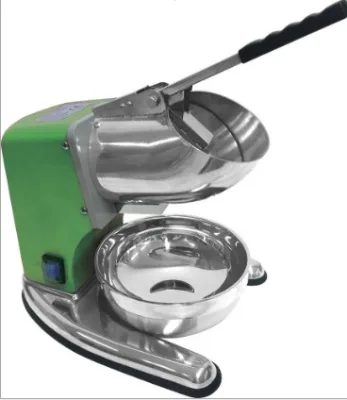


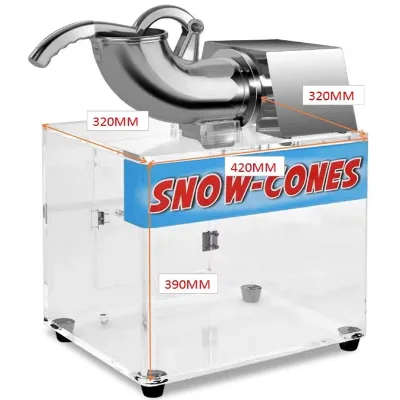


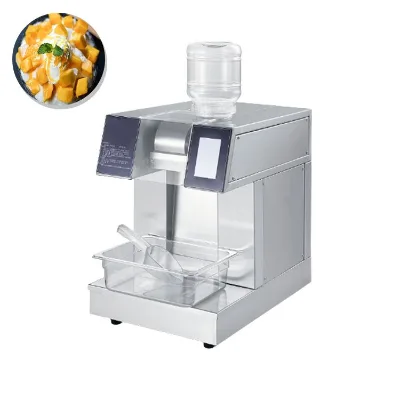
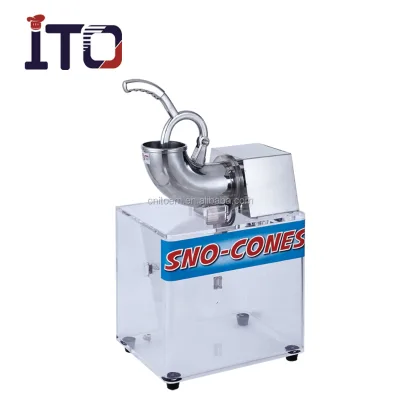


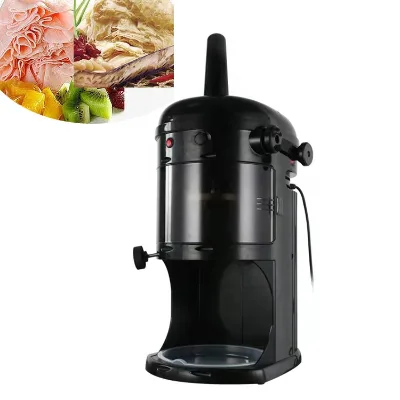
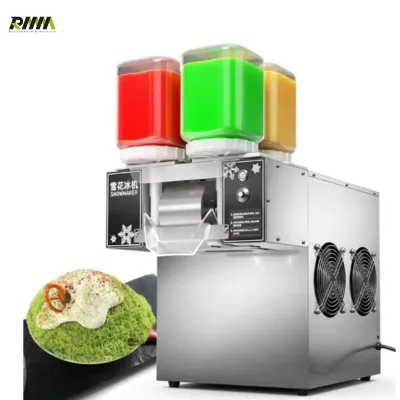
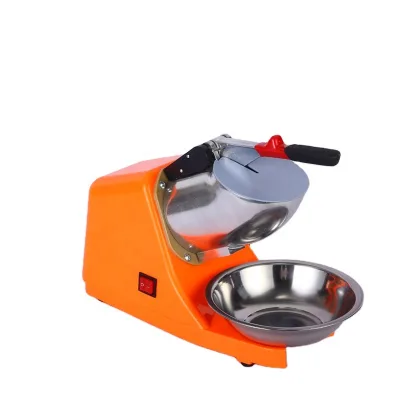
Electric Snow Cone Machine for Frozen Dessert, Shaved Ice Maker Commercial
$700.00 - $735.00
MOQ: 1 Pieces
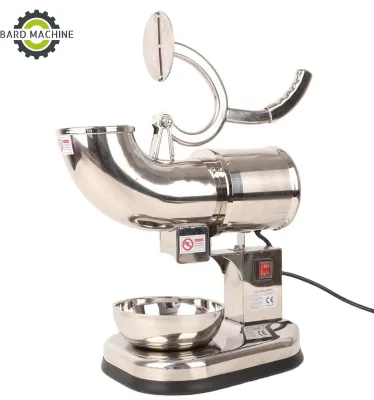





Comprehensive Sourcing Guide
Strategic Sourcing Guide for Automatic Electric Snow Cone Machines with Filtering Devices
Understanding the Technical Landscape and Core Specifications
When sourcing an automatic electric snow cone machine equipped with a filtering device, buyers must first distinguish between general food processing equipment and specialized ice-shaving technology. The market presents a variety of configurations, ranging from semi-automatic units to fully automated systems. Based on observed product attributes, the core technology often relies on high-speed motor mechanisms to process ice blocks into fine snow or slush. A critical specification to verify is the motor speed, which in verified listings reaches up to 1400 revolutions per minute (r/min). This speed is essential for achieving the desired texture, whether the end product is a fluffy snow cone or a dense slushie.
Power consumption is another fundamental technical parameter. While some industrial-grade units may demand higher wattage, observed specifications for certain models indicate a power rating of 200W, suggesting a focus on energy efficiency for commercial or semi-commercial environments. However, buyers must be cautious as power requirements can vary significantly based on the machine's capacity and the inclusion of advanced features like integrated filtration. The voltage compatibility is equally critical for international procurement. Standard observations include dual-voltage support, specifically 220V/110V, or specific frequency requirements such as 50-60Hz. Ensuring the machine matches the local grid infrastructure is a prerequisite to avoid operational failure.
The physical dimensions of the unit are often a constraint in commercial kitchens or food truck operations. Available data indicates a range of sizes, from compact units measuring approximately 33.55752cm to larger industrial models with dimensions around 500410660mm. The single package size can be substantial, with some listings noting a package dimension of 100X100X100 cm, which significantly impacts logistics planning and shipping costs. The weight of the machine is a key indicator of build quality; observed units range from 8 KG to 31 KG, with a single gross weight of 18 KG being a common benchmark. Heavier units often imply a more robust stainless steel construction, which is vital for durability in high-volume environments.
Material Integrity and Filtration System Verification
The material composition of the machine is paramount for food safety and longevity. The industry standard for food contact surfaces is 304 Stainless Steel, a grade observed in multiple product listings. This material offers excellent corrosion resistance and ease of cleaning, which is non-negotiable for equipment processing ice and sugary syrups. Some listings simply refer to "Stainless Steel," but buyers should explicitly request confirmation of the 304 grade to ensure the equipment meets food-grade standards. The color of the finished product is typically silver, reflecting the natural finish of the steel, though custom finishes may be available.
The "filtering device" mentioned in the core keyword requires specific attention. While the provided data highlights general food processing capabilities, the presence of a filtration system implies a mechanism to remove impurities from the water or ice before processing, or to filter the final product. Buyers must verify the specific design of this filtration component. Is it a pre-filter for the water supply, or a post-filter for the shaved ice? The absence of explicit filtration details in general product descriptions necessitates a direct inquiry to the supplier. The operating mode is frequently listed as "Semi-Automatic," which suggests that while the ice shaving is automated, manual intervention may still be required for loading ice blocks or managing the syrup. Understanding the balance between automation and manual operation is crucial for staffing requirements.
Compliance, Certification, and Regulatory Standards
Navigating the regulatory landscape is a critical step in B2B procurement. For equipment manufactured in Guangdong, China, and exported globally, compliance with international standards is a primary concern. Observed product attributes frequently cite CE and ISO9000 certifications. The CE mark indicates conformity with health, safety, and environmental protection standards for products sold within the European Economic Area. ISO9000 represents adherence to quality management systems, suggesting the manufacturer has established processes for consistent quality control. However, buyers must treat these as observations rather than universal guarantees for every listed item. Each supplier must provide valid, up-to-date certification documents for the specific model being purchased.
Safety certifications are particularly important for electric appliances. The voltage specifications observed, such as 110V-60Hz/220V 50-60Hz, suggest the machines are designed for multi-region use, but the electrical safety components must still meet local regulations. For instance, in the United States, UL certification might be required, while the EU mandates CE. Buyers should not assume that a machine with a CE mark automatically complies with all local electrical codes. Additionally, the refrigerant used in the cooling system is a significant environmental and safety factor. Observed listings mention R22a or R404 refrigerants. R22 is an ozone-depleting substance in many jurisdictions and is being phased out globally, whereas R404 is a hydrofluorocarbon (HFC) with a high global warming potential. Buyers must verify the specific refrigerant type to ensure compliance with local environmental regulations, such as the Kigali Amendment to the Montreal Protocol or regional bans on specific HFCs.
Cost Drivers and Pricing Dynamics
The pricing of automatic electric snow cone machines is influenced by a complex interplay of factors, including material quality, automation level, and certification status. The observed price range in the market spans from $10 to $5,000 USD. This wide disparity indicates that the market includes both basic, entry-level units and high-end, fully automated industrial systems. The lower end of the spectrum likely corresponds to simpler, semi-automatic models with basic stainless steel construction and minimal features. Conversely, the higher price points reflect machines with advanced filtering devices, higher motor speeds, robust industrial-grade components, and comprehensive warranty packages.
Minimum Order Quantity (MOQ) is another significant cost driver. Listings show an MOQ range from 1 set to 1,000 units. For small businesses or startups, an MOQ of 1 set is highly favorable, allowing for single-unit procurement to test the market or equip a single location. However, larger orders often unlock volume discounts. The supply ability of manufacturers, observed at 2,000 pieces per month, suggests that most suppliers can handle moderate to large orders without significant lead time delays. Buyers should also consider the "Selling Units" structure; while some items are sold as single units, bulk purchasing may require specific packaging configurations. The single gross weight of 18 KG per unit directly impacts shipping costs, which can be a substantial portion of the total landed cost, especially for international buyers.
Typical Applications and Operational Context
The versatility of these machines allows them to serve a diverse range of applications. Observed usage fields include hotels, commercial establishments, households, restaurants, snack food factories, and food trucks. The "Snow Ice Maker Machine" and "Slushies" functions indicate suitability for beverage-focused businesses. In a hotel setting, the machine might be used for breakfast buffets or poolside service, where the "Easy Operate" and "High Productivity" features are highly valued. For food trucks, the compact dimensions and robust build are essential for mobility and durability in a mobile environment.
The "Long Service Life" is a key selling point that aligns with the needs of high-volume commercial operators. A machine with a warranty of 1 to 2 years provides a baseline of reliability, but the actual lifespan depends heavily on maintenance and usage intensity. The "Online Support" after-sales service is a critical component for minimizing downtime. In a commercial setting, a machine failure can mean lost revenue, so the availability of remote troubleshooting and technical guidance is a significant value add. The application fields also extend to snack food factories, where the machine might be part of a larger production line. In these contexts, the "High Efficiency" and "Semi-Automatic" nature of the equipment must integrate seamlessly with existing workflows.
Supplier Evaluation and Quality Control Protocols
Selecting the right supplier requires a rigorous evaluation process beyond simple price comparison. Buyers should prioritize suppliers who provide transparent documentation regarding their manufacturing processes and quality control measures. The "place of origin" being Guangdong, China, is a common hub for food machinery, but the specific factory's reputation and history matter. Buyers should verify the "brand name" associated with the product. While some listings show "Truwin" or "JAWO," others indicate "neutral" branding, which may imply OEM manufacturing. For buyers seeking a branded product, confirming the brand's market presence and customer feedback is essential.
Quality control should be a collaborative effort between the buyer and the supplier. Before placing a large order, requesting a pre-shipment inspection is advisable. This inspection should verify the material grade (confirming 304 Stainless Steel), the integrity of the filtration system, and the functionality of the motor and electrical components. The "condition" of the product is listed as "New," but buyers must ensure that "new" implies brand-new, factory-sealed units rather than refurbished stock. The "Single package size" and "Packaging Details" (e.g., 1 piece/package Carton Package) should be reviewed to ensure the machine arrives without damage. A robust packaging solution is necessary to protect the machine during transit, especially given the heavy weight and delicate electronic components.
Long-Term Procurement and Maintenance Considerations
Procuring an automatic electric snow cone machine is a long-term investment that requires planning for maintenance and lifecycle management. The "warranty" period, observed as 1 to 2 years, is a critical factor in the total cost of ownership. A longer warranty period often indicates the manufacturer's confidence in their product's durability. However, the warranty terms must be clearly understood, including what is covered (parts, labor, shipping) and what is excluded (misuse, lack of maintenance).
Maintenance requirements should be evaluated based on the machine's design. The "Operating Mode" being semi-automatic suggests that regular cleaning and manual checks are necessary to maintain performance. The filtration device, if present, will require periodic replacement or cleaning to prevent clogging and ensure hygiene. Buyers should inquire about the availability of spare parts, such as blades, motors, and filters. The "Supply Ability" of 2,000 pieces per month suggests a healthy supply chain, but specific part availability for older models should be confirmed.
Finally, the "Port of dispatch" being Guangzhou or Shenzhen offers logistical advantages for international shipping, as these are major global ports. However, buyers must factor in lead times and customs clearance procedures. The "Single gross weight" and dimensions must be used to calculate accurate shipping costs and ensure the equipment fits the intended delivery location. By carefully considering these long-term factors, buyers can secure a reliable supply of high-quality snow cone machines that meet their operational needs and regulatory requirements.
FAQs
What certifications do these machines typically have?
Verified listings frequently cite CE and ISO9000 certifications for compliance. Buyers must request valid documents for the specific model as these are observations rather than universal guarantees for every listed item.
How is the motor speed configured for ice processing?
Observed specifications indicate motor speeds reaching up to 1400 revolutions per minute. This speed is essential for achieving the desired texture, whether the end product is a fluffy snow cone or a dense slushie.
Can the machine operate on different voltage standards?
Yes, standard observations include dual-voltage support specifically 220V/110V or 110V-60Hz/220V 50-60Hz. Ensuring the machine matches the local grid infrastructure is a prerequisite to avoid operational failure.
What material is used for food contact surfaces?
The industry standard for food contact surfaces is 304 Stainless Steel, which is observed in multiple product listings. This material offers excellent corrosion resistance and ease of cleaning, which is non-negotiable for equipment processing ice.
What is the typical warranty period for these units?
The warranty period is observed as ranging from 1 to 2 years depending on the supplier. A longer warranty often indicates the manufacturer's confidence in their product's durability and provides a baseline of reliability.
Which refrigerant types are commonly used in cooling systems?
Observed listings mention R22a or R404 refrigerants for the cooling system. Buyers must verify the specific type to ensure compliance with local environmental regulations as R22 is being phased out globally.
How does the minimum order quantity affect procurement?
Listings show an MOQ range from 1 set to 1,000 units depending on the supplier. For small businesses, an MOQ of 1 set is favorable, while larger orders often unlock volume discounts.