Source Automatic Electric Valve Control Unit for Water, Gas, and Air
Compare 30 automatic electric valve control units from verified Chinese manufacturers. Buyers can evaluate specifications like working pressure, signal input, and certifications to find the right solution for industrial automation needs; compare the available evidence and request quotations based on your requirements.
Key considerations
Products List


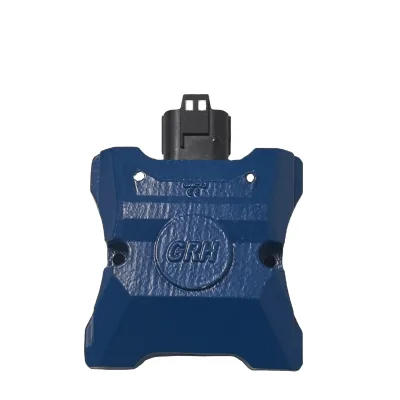
Intelligent Automatic Controller C-Top Control Unit for Regulating Valve
$150.00 - $450.00
MOQ: 1 Pieces


Intelligent Valve Process Control Unit With WiFi Function (New Version)
$120.00 - $320.00
MOQ: 1 Pieces

Intelligent Valve Controller Flow Control Unit with Built-in Solenoid Valve
$130.00 - $330.00
MOQ: 1 Pieces




Comprehensive Sourcing Guide
Automatic Electric Valve Control Unit Sourcing Guide
The Automatic Electric Valve Control Unit serves as a critical interface for managing fluid dynamics in industrial settings, specifically where precise adjustment of lubricated compressed air or inert gases is required. These units often function as single or double-action controllers, utilizing linear mathematical models to ensure consistent performance under varying pressure conditions ranging from 1.5 to 10 Bar. Buyers must recognize that these devices are designed for continuous signal input, typically accepting 0/4...20mA signals to modulate valve position accurately.
Procurement decisions should prioritize units that offer customization options to fit specific operational workflows, as standard configurations may not align with unique plant requirements. The observed market includes models with varying structural combinations, such as the 1421/1721 series or the C-TOP-II, each tailored for different pressure and flow demands. Understanding the specific air flux capabilities, such as the 200nl specification, is essential for matching the controller to the intended pneumatic system load.
Product Scope and Observed Listing Signals
Buyers should verify that the listed product matches the required signal type, as the market features units designed for continuous signal processing rather than discrete on-off switching. The observed listings indicate a wide price spectrum, suggesting significant variation in component quality and feature sets, from basic versions to advanced Asi versions. It is crucial to distinguish between units with different working pressures, such as those rated for 4-7 Bar versus those capable of handling up to 10 Bar, to prevent system failure.
The physical attributes of the unit, including its journey range of 3mm to 7mm and air connection size of G1/8", must align with the existing piping infrastructure. Listings often specify the condition as new, but buyers must confirm the specific model number, such as 1311/1711 or 1721, to ensure compatibility with their control logic. Additionally, the dimension of 110mm80mm30mm for certain controllers indicates a compact form factor suitable for tight installation spaces, provided the mounting holes align with the 24.5 mm specification.
Technical Specifications to Verify
Technical due diligence requires confirming the processor architecture, as some advanced units utilize a 32-bit processor running at 168 MHz to handle complex control algorithms efficiently. Buyers must verify the working voltage range, which typically spans from 9V to 32V, to ensure compatibility with the facility's power supply infrastructure. The continuous working current of 3A and no-load current of 30mA@24V are critical parameters for sizing the power distribution system and preventing electrical overloads.
The environmental resilience of the unit is another vital specification, with many models boasting an IP67 rating to withstand dust and temporary immersion. The material composition, often stainless steel, ensures durability in corrosive environments, while the warranty period of one year offers a baseline for reliability expectations. Procurement teams should also check the specific air pressure requirements, noting that some units operate optimally between 4-8 bar, while others may require a narrower 5-7 bar range for stable operation.
Compliance and Safety Documentation
Compliance verification is paramount, as the market listings frequently cite multiple standards including CE, ISO, 3A, FDA, and SGS. Buyers must request specific certification documents to confirm that the unit meets the regulatory requirements for their target industry, particularly in food and beverage or pharmaceutical applications where 3A and FDA compliance are mandatory. The presence of CE and ISO certifications indicates adherence to general safety and quality management systems, but specific industry standards must be validated against the actual product batch.
Safety documentation should also address the electrical safety of the controller, ensuring that the design prevents hazards associated with high-pressure air systems. The listed standards, such as ROTHS and SGS, suggest a commitment to material safety and quality assurance, but buyers should not assume these apply to every unit without explicit verification. It is essential to confirm that the product origin, whether from Wenzhou, Zhejiang, or Shanghai, aligns with the supplier's ability to provide valid, traceable compliance certificates for the specific model ordered.
Cost Drivers and Commercial Terms
Cost structures for automatic electric valve control units are influenced by the complexity of the internal processor and the durability of the materials used, such as stainless steel construction. The observed MOQ range of 1 to 100 units allows for flexibility, enabling buyers to start with small batches for testing before committing to larger volumes. However, the wide price range from 6.1 to 100,000 USD indicates that significant cost differences exist between basic models and high-performance controllers with advanced features.
Commercial terms regarding packing and shipping must be clarified, as some suppliers offer standard exporting packages while others provide custom packing according to specific requests. The selling unit is typically a single item, but buyers should negotiate lead times and shipping costs based on the origin location, which varies between Zhejiang and Shanghai. Understanding the warranty terms, specifically the one-year coverage, is also a key factor in the total cost of ownership, as it mitigates the risk of early failure in critical applications.
Supplier Qualification and Quality Control
Supplier qualification should focus on the manufacturer's ability to maintain consistent quality across different production batches, evidenced by their adherence to ISO and CE standards. Buyers must assess the supplier's track record in delivering units with the specified mathematical models and signal inputs, ensuring that the product matches the advertised specifications. The presence of multiple certifications like 3A and FDA suggests a robust quality control system, but on-site audits or third-party verification may be necessary for high-stakes applications.
Quality control processes should include rigorous testing of the air flux and working pressure capabilities to ensure the unit performs within the specified 1.5 to 10 Bar range. Suppliers should provide test results or quality reports that verify the IP67 rating and the structural integrity of the stainless steel components. It is also important to verify the supplier's capacity to handle customization requests, as the ability to tailor the product to specific needs often indicates a higher level of engineering competence and customer support.
Long-Term Procurement Checks
Long-term procurement strategies must account for the availability of spare parts and the continuity of the product line, especially for models like the 1421/1721 series. Buyers should establish a relationship with the supplier to ensure that the specific model number remains in production or that a suitable replacement is available if the unit is discontinued. The warranty period of one year provides a short-term safety net, but long-term reliability depends on the supplier's commitment to supporting the product throughout its lifecycle.
Regular performance checks are necessary to monitor the unit's ability to maintain the required signal input and working pressure over time. Buyers should implement a maintenance schedule that includes inspecting the air connections and verifying the IP rating integrity to prevent environmental degradation. Additionally, keeping a record of the supplier's location and contact information ensures that technical support is accessible when troubleshooting issues related to the 32-bit processor or the hydraulic vane proportional controller functionality.
FAQs
What certifications are available for automatic electric valve control units?
Available certifications include CE, ISO, 3A, FDA, and SGS. These standards ensure compliance with international safety and quality requirements. Buyers can select units based on specific regulatory needs for their target markets. The presence of these marks indicates adherence to recognized manufacturing and operational benchmarks for industrial components.
How does the Automatic Electric Valve Control Unit function?
The unit features automatic control with a linear mathematical model. It supports continuous signals and single or double action tasks. The system adjusts flow precisely using lubricated compressed air or inert gases. This design ensures reliable operation in various industrial environments requiring precise valve management and automation.
Can the Automatic Electric Valve Control Unit be customized?
Yes, customization is available for these control units. Buyers can request specific packing methods according to their logistical needs. The product offers basic and ASI versions to suit different operational requirements. This flexibility allows for tailored solutions that align with specific project specifications and supply chain preferences.
What is the working pressure range for these units?
The working pressure ranges from 1.5 Bar to 7 Bar for standard models. Some variants operate at 10 Bar or within a 4-8 bar range. Air pressure inputs typically fall between 4-7 Bar or 5-7 Bar. These ranges ensure compatibility with various pneumatic systems while maintaining stable performance under different load conditions.
Where are these automatic electric valve control units manufactured?
These units originate from Wenzhou, Zhejiang, and Shanghai, China. The manufacturing locations are known for producing high-quality industrial components. Buyers can source directly from these regions to ensure authenticity and traceability. The geographic origin supports efficient logistics and supply chain management for international procurement.
What material is used for the Automatic Electric Valve Control Unit?
The units are constructed from stainless steel for durability and corrosion resistance. This material choice ensures longevity in harsh industrial environments. Stainless steel construction also meets hygiene standards for food and pharmaceutical applications. The robust material supports reliable performance under varying pressure and temperature conditions.