Source Automatic Electric Tortilla Machine for Wrappers, Dumplings, and Breads
Compare 30 Automatic Electric Tortilla Machine listings from Zhengzhou suppliers. Buyers can evaluate models with PLC touch screens, stainless steel 304 construction, and output rates ranging from 600 to 2000 sheets per hour for various dough types.
Key considerations
Products List


Automatic Industrial Mexican Tortilla Machine Stainless Steel High Efficiency
$7000.00 - $10000.00
MOQ: 1 Pieces

Commercial Mexican Tortilla Machine Automatic High Efficiency Stainless Steel
$7000.00 - $10000.00
MOQ: 1 Pieces

Automatic Mexican Tortilla Production Machine High Capacity Industrial Use
$7000.00 - $10000.00
MOQ: 1 Pieces

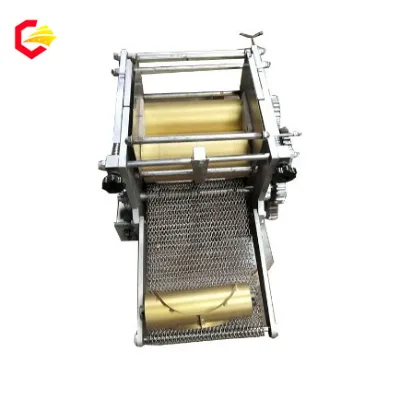


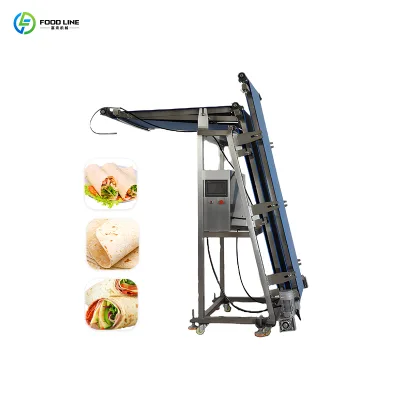
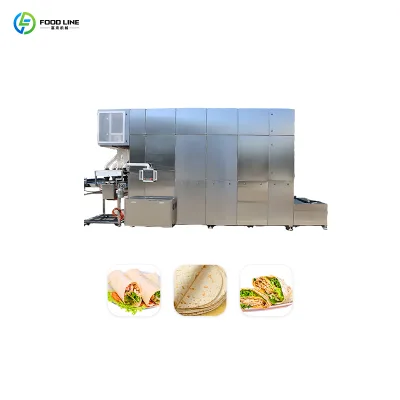
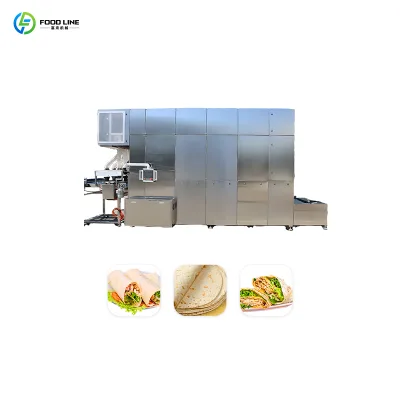
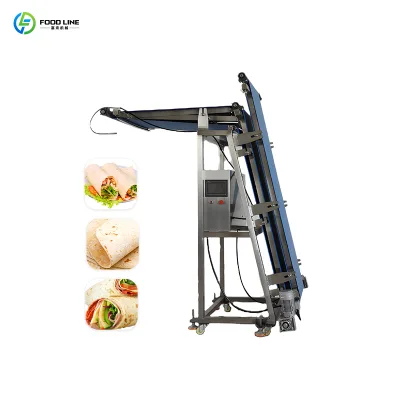
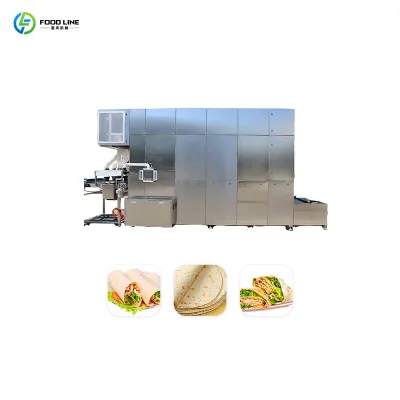
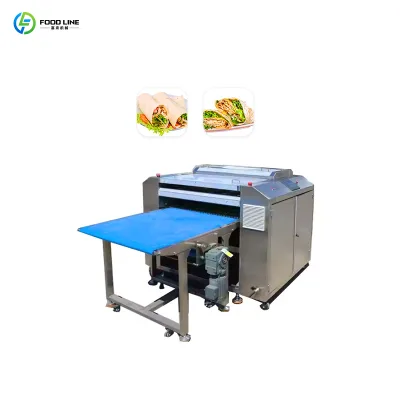

Wide Application Corn Tortillas Industrial Tortilla Machine Electric Tortilla
$680.00 - $950.00
MOQ: 1 Pieces


Factory Price Electric Machine Tortilla Small Automatic Tortilla Press Machine
$785.00 - $890.00
MOQ: 1 Pieces


Electric Mexico Taco Machine / Roti Making Machine / Corn Tortilla Maker
$489.00 - $629.00
MOQ: 1 Sets
Comprehensive Sourcing Guide
Strategic Sourcing Guide for Automatic Electric Tortilla Machines
Understanding Technical Specifications and Core Capabilities
When sourcing an Automatic Electric Tortilla Machine, the primary objective is to align the equipment's technical architecture with specific production volumes and product diversity. The market presents a range of configurations, but the most critical differentiator is the power source and control logic. Based on current market data, the standard configuration for these industrial units relies on an electric power source, typically operating at a voltage of 380V. This voltage requirement is essential for heavy-duty industrial environments and necessitates that buyers verify their facility's electrical infrastructure before procurement.
The electrical power consumption is a significant variable in the total cost of ownership. Observed data indicates that models vary from 20kW to 30kW units. For instance, specific configurations are rated at 20kW with an energy consumption of approximately 15 kWh per hour, while other high-output models may require 30kW and consume between 15 to 18 kWh per hour. Buyers must carefully match these figures to their local electricity rates and production schedules to calculate accurate operational costs.
The output capacity is another defining technical specification. The observed production ranges span from 600 to 2,000 sheets per hour for certain models, while others are rated for 1,200 to 1,800 sheets per hour. These variations often correlate with the number of rolling mechanisms; for example, some high-capacity units utilize two 30cm diameter rolls to achieve their throughput. The machine's physical footprint is equally important for factory floor planning. Dimensions observed in the market include units measuring approximately 3.5 meters in length, 1 meter in width, and 1.4 meters in height, while other compact models may measure 1.48 meters by 0.6 meters by 1.3 meters.
Control systems have evolved significantly, with modern units frequently featuring PLC (Programmable Logic Controller) touch screens. This automation allows for precise control over the timing device, ensuring consistent dough thickness and roasting duration. The heating method is predominantly electric heating, which offers cleaner operation compared to gas alternatives and allows for precise temperature regulation. The machine's construction material is almost universally stainless steel, specifically SUS304 or Stainless Steel 304, which is critical for food safety compliance and resistance to corrosion in humid baking environments.
Compliance, Certification, and Safety Standards
In the realm of industrial food machinery, compliance is not merely a formality but a prerequisite for market access and operational safety. Buyers must verify that the equipment meets international safety standards, particularly regarding electrical safety and mechanical guarding. While specific certification statuses can vary by batch and manufacturer, the presence of CE and ISO certifications is a common benchmark for high-quality machinery originating from major manufacturing hubs.
The CE marking indicates conformity with health, safety, and environmental protection standards for products sold within the European Economic Area. Similarly, ISO certifications suggest that the manufacturer adheres to international standards for quality management and operational consistency. However, buyers should treat these as verification points rather than automatic guarantees. It is imperative to request current, valid certification documents directly from the supplier for the specific model being purchased. The absence of these certifications in a supplier's documentation should trigger a deeper due diligence process regarding the machine's electrical safety and mechanical integrity.
Furthermore, the machine's design must align with local food safety regulations. The use of SUS304 stainless steel is a strong indicator of compliance with hygiene standards, as this material is non-toxic, easy to clean, and resistant to bacterial growth. Buyers should also inspect the machine for modular design features, which not only facilitate maintenance but also ensure that all food-contact surfaces are accessible for thorough cleaning protocols. The "New" condition of the machine is a standard expectation, but buyers must ensure that "new" implies factory-fresh units rather than refurbished stock, as this impacts the reliability of the warranty and the lifespan of critical components.
Cost Drivers and Financial Considerations
The pricing structure for automatic electric tortilla machines is influenced by a complex interplay of factors, including output capacity, control system sophistication, and material quality. The observed price range in the market is substantial, spanning from approximately $489 to $35,688. This wide disparity reflects the difference between entry-level semi-automatic units and fully automated, high-capacity industrial lines.
Several key drivers contribute to these cost variations. First, the power rating and energy efficiency play a role; a 30kW unit with advanced PLC controls will inherently cost more than a 20kW unit with basic automation. Second, the output capacity is a primary cost determinant. Machines capable of producing 2,000 sheets per hour require more robust motors, larger heating elements, and more complex dough handling systems, all of which increase the manufacturing cost. Third, the customization level significantly impacts the final price. While many machines offer customizable tortilla sizes and dough types, fully bespoke configurations involving specific raw material handling or unique packaging integration will command a premium.
Shipping and packaging also contribute to the total landed cost. The standard packaging for these heavy units is typically a wooden crate or wooden case, designed to protect the 300kg to 480kg machinery during transit. The weight of the machine, which can range from 300kg to 480kg depending on the model, directly influences freight charges. Buyers should factor in the cost of heavy-lifting equipment required for installation, as these units are not easily moved without specialized machinery. Additionally, the "Free spare parts" offer mentioned in some listings should be evaluated carefully; while it reduces initial risk, the long-term cost of spare parts availability and shipping must be considered in the total cost of ownership analysis.
Typical Applications and Production Versatility
The versatility of automatic electric tortilla machines makes them suitable for a diverse range of food production scenarios. The primary application is the manufacturing of flour tortillas and corn tortillas, which are staple foods in many global cuisines. The machines are specifically engineered to handle both corn dough and wheat dough, allowing producers to switch between product lines with minimal downtime. This flexibility is crucial for manufacturers who need to respond to fluctuating market demands or diversify their product portfolios.
Beyond standard tortillas, these machines are often capable of producing related flatbread products, such as dumpling wrappers. The ability to produce "final products" like tortillas and dumpling wrappers from the same unit highlights the adaptability of the dough processing and roasting mechanisms. The customizable tortilla size feature allows producers to cater to specific regional preferences or commercial requirements, ranging from small taco-sized rounds to large burrito-sized sheets.
The production process typically involves feeding the raw material (flour or corn) into the system, where it is processed through the rolling mechanism and then roasted using the electric heating elements. The timing device ensures that the roasting duration is consistent, which is vital for achieving the desired texture and flavor profile. The modular design of the machine further enhances its application scope, as it allows for easy integration into existing production lines or the addition of downstream packaging equipment. Whether the application is a small-scale bakery or a large industrial food processing plant, the ability to handle high volumes of consistent product makes these machines a valuable asset.
Supplier Evaluation and Verification Protocols
Evaluating a supplier for industrial food machinery requires a rigorous approach that goes beyond price comparison. The origin of the machine is a significant factor; a substantial number of these units originate from Zhengzhou, Henan, China, a region known for its concentration of food processing equipment manufacturers. While this region offers competitive pricing and a robust supply chain, buyers must verify the specific factory's reputation and production capabilities.
Buyers should prioritize suppliers who provide transparent documentation regarding the machine's specifications, including the exact model number (e.g., FL-Lexcy, FL-Miette, FL-Nyree, FL-Lasabel). The consistency of the model naming and the clarity of the technical data sheets are indicators of a professional supplier. It is also essential to verify the "After-sales Service Provided" claims. The offer of "Free spare parts" is a positive signal, but buyers must clarify the scope of this offer, including the types of parts covered, the duration of the warranty (typically 1 Year), and the response time for technical support.
The condition of the machine is another critical evaluation point. Buyers should insist on receiving video evidence of the machine in operation to verify the "New" condition claim and to observe the actual performance of the PLC touch screen and timing device. Additionally, the supplier's ability to provide a detailed packing list and shipping documentation is vital for customs clearance and insurance purposes. The use of wooden crate packaging is standard, but the quality of the packing materials should be sufficient to prevent damage during long-distance transit.
Quality Control and Long-Term Procurement Strategy
Implementing a robust quality control strategy is essential for ensuring the longevity and reliability of the Automatic Electric Tortilla Machine. Upon receipt of the equipment, buyers should conduct a thorough inspection of the physical condition, checking for any signs of damage to the stainless steel 304 surfaces, the electrical components, and the mechanical rollers. The machine's weight and dimensions should be verified against the provided specifications to ensure that the correct unit has been delivered.
Long-term procurement considerations should focus on the maintenance and operational sustainability of the machine. The modular design is a key feature that facilitates easy maintenance, allowing for the replacement of individual components without dismantling the entire unit. Buyers should establish a preventive maintenance schedule that includes regular cleaning of the heating elements, lubrication of the moving parts, and calibration of the PLC controls. The energy consumption of the machine, which ranges from 15 to 18 kWh per hour, should be monitored regularly to detect any inefficiencies that may indicate a need for repair or adjustment.
Furthermore, buyers should consider the scalability of their production needs. As the business grows, the ability to upgrade the machine or add additional units should be a key factor in the initial procurement decision. The availability of spare parts and the supplier's commitment to after-sales support will be critical in minimizing downtime and ensuring continuous production. By maintaining a proactive approach to quality control and long-term planning, buyers can maximize the return on investment and ensure that their Automatic Electric Tortilla Machine remains a reliable asset for years to come.
Comparative Analysis of Machine Models
To assist buyers in making informed decisions, the following table summarizes the key specifications observed across different models in the market. This comparison highlights the variations in power, output, and dimensions that influence the selection process.
| Feature | Model FL-Lexcy | Model FL-Miette | Model FL-Nyree | Model FL-Lasabel |
|---|---|---|---|---|
| Power Source | Electric | Electric | Electric | Electric |
| Voltage | 380V | 380V | 380V | 380V |
| Electrical Power | 20kW | N/A | 30kW | N/A |
| Energy Consumption | 15 Kwh/Hour | N/A | 15-18kwh/Hour | N/A |
| Output Capacity | 600-2000 Sheets/Hour | N/A | 1200-1800 Sheets/Hour | N/A |
| Dimensions (L x W x H) | 50.81.4 m | N/A | 3.5m x 1m x 1.4m | 3.5m x 1m x 1.4m |
| Machine Weight | 480kg | N/A | 300kg | N/A |
| Control System | PLC Touch Screen | N/A | PLC Touch Screen | N/A |
| Material | SUS304 | Stainless Steel 304 | Stainless Steel | Stainless Steel |
| Certification | N/A | N/A | CE ISO | N/A |
| Warranty | 1 Year | 1 Year | 1 Year | 1 Year |
Note: Data points marked "N/A" indicate that specific values were not explicitly provided in the source context for that specific model entry, though general attributes like voltage and material are consistent across the category.
This comparative overview underscores the importance of matching specific production requirements with the appropriate machine model. Buyers should prioritize the models that align with their desired output capacity and energy efficiency goals while ensuring that the physical dimensions fit their available factory space.
FAQs
What is the output capacity of the Automatic Electric Tortilla Machine?
The machine produces between 600 and 2000 sheets per hour depending on the specific model configuration. Some high-capacity units utilize two 30cm diameter rolls to achieve output rates of 1200 to 1800 sheets hourly.
Which voltage and power source does the machine require for operation?
The equipment operates on an electric power source with a standard voltage of 380V. Power ratings typically range from 20kW to 30kW, with energy consumption between 15 and 18 kWh per hour.
Can the machine handle both corn and wheat dough types?
Yes, the system is designed to process both corn dough and wheat dough effectively. It is capable of producing final products such as flour tortillas, corn tortillas, and dumpling wrappers.
What material is used to construct the machine body?
The machine is constructed from SUS304 stainless steel to ensure food safety and corrosion resistance. This material is standard for all food-contact surfaces to meet hygiene requirements.
How is the machine controlled and what features does it include?
Control is managed via a PLC touch screen with an automatic control method and a timing device. The unit features a modular design and electric heating for precise temperature regulation.
What are the standard dimensions and weight of the machine?
Dimensions vary by model, with common sizes measuring 3.5 meters long by 1 meter wide and 1.4 meters high. The machine weight ranges from 300kg to 480kg depending on the specific configuration.
Is customization available for tortilla size and raw materials?
Customization is available for tortilla size and the machine can be configured for specific raw materials. The product standard allows for adjustable settings to meet diverse production needs.