Source Automatic Falafel Ball Machine for Factories, Shops, and Restaurants
Find 30 listings for the Automatic Falafel Ball Machine designed for food processing facilities. Buyers can compare specifications, prices, and capabilities for manufacturing plants, retail outlets, and small businesses.
Key considerations
Products List
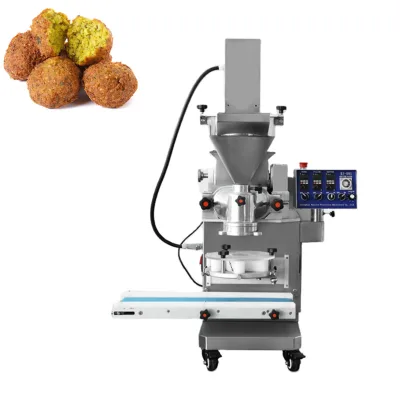
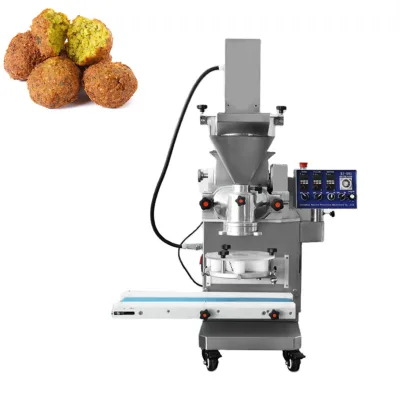
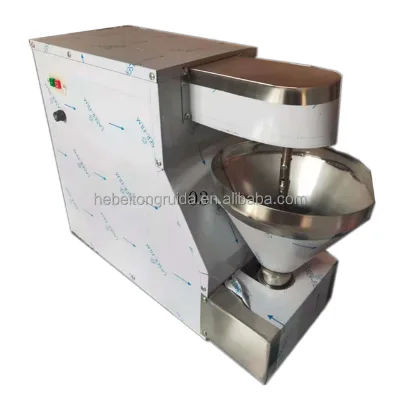


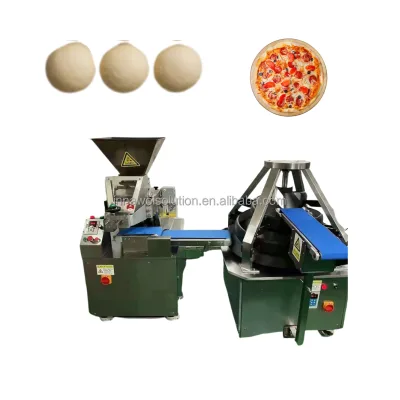
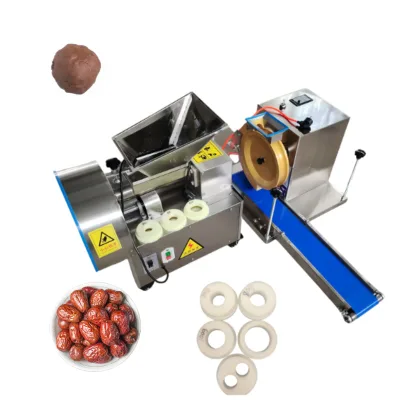
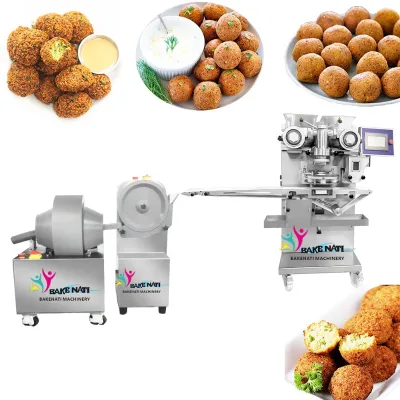


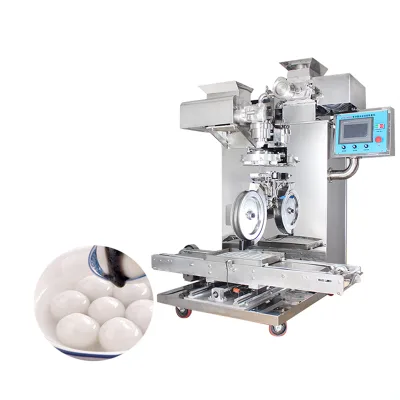

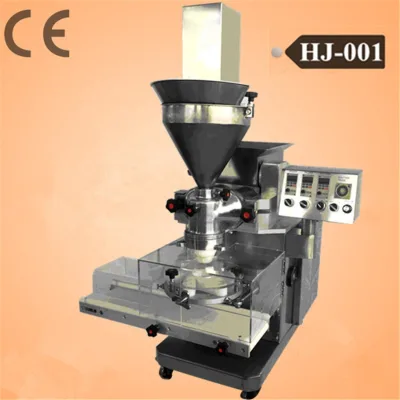
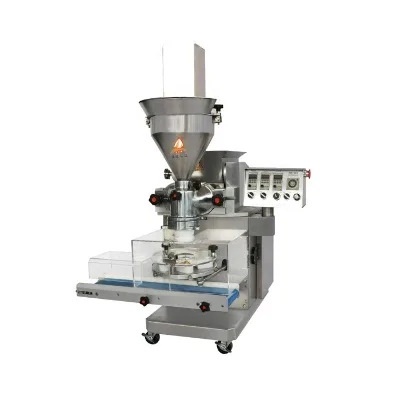


Automatic CE Certified Vegan Vegetable Coconut Falafel Balls Encrusting Machine
$9900.00 - $10580.00
MOQ: 1 Pieces



Comprehensive Sourcing Guide
Strategic Sourcing Guide for Automatic Falafel Ball Machines
Understanding Core Technical Specifications and Operational Capabilities
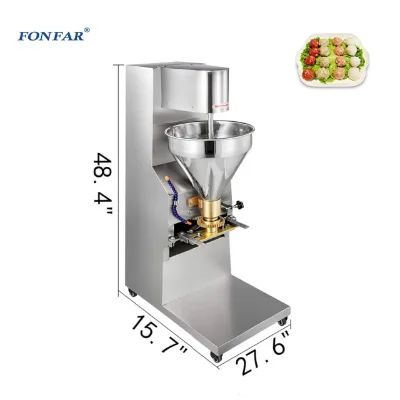
When evaluating an Automatic Falafel Ball Machine for commercial procurement, the primary focus must remain on the precise technical attributes that define operational efficiency and output consistency. The market presents machines with varying configurations, and distinguishing between them requires a careful review of the provided specifications. A critical observation in the current supply landscape involves the variance in physical dimensions and power consumption. For instance, specific models are engineered with a footprint of 105 x 82 x 123 cm, while others are designed as compact tabletop units measuring 73 x 30 x 60 cm. This disparity suggests that the buyer must align the machine's physical requirements with the available floor space in their specific facility, whether it is a large-scale manufacturing plant or a smaller food shop.
The functional core of these machines is the automatic forming and encrusting mechanism. This process is driven by high-performance motors, which are consistently listed as a core component across various listings. The power requirements also vary significantly; some units operate on a 0.85 kW motor, while others utilize a dual-motor setup totaling 0.75 kW plus 0.55 kW. This variation in power input directly influences the machine's throughput and energy efficiency. Buyers should verify the voltage compatibility, as the observed data indicates a standard operating voltage of 220V, which is common in many regions but requires confirmation against local grid standards. The production capacity is another vital metric, with some units capable of producing between 180 to 220 pieces per minute. This rate is essential for calculating the return on investment based on the expected volume of falafel balls required for the business.
Furthermore, the material grade of the machine is a distinguishing factor. The available units are classified as automatic grade, ensuring a streamlined workflow without manual intervention for the forming process. The machine is specifically designed for the food processing industry, with applications ranging from the production of falafel to meatballs. This versatility allows the equipment to serve multiple product lines, potentially increasing the utility of the asset. The condition of the machinery is predominantly new, with a production year of 2024, indicating that buyers are accessing the latest iterations of this technology. Understanding these technical baselines is the first step in narrowing down the supplier pool to those offering equipment that matches the specific operational needs of the buyer.
Compliance, Certification, and Safety Verification Protocols
In the realm of food processing equipment, compliance and safety are non-negotiable. While the supplied data does not explicitly list specific international certifications such as CE, ISO, or UL, the absence of such information in a product listing necessitates a rigorous verification process by the buyer. It is imperative to request documentation proving that the machine meets the electrical safety standards of the destination country. The core components, specifically the motor and engine, must be certified to operate safely within the specified voltage and power parameters without risk of overheating or electrical failure.
The origin of the machinery is a significant factor in compliance. The observed data points to production locations in Zhejiang and Hebei, China. While these regions are known for manufacturing capabilities, buyers must ensure that the specific supplier adheres to local manufacturing regulations that align with international food safety standards. The "Video outgoing-inspection" feature mentioned in the product attributes is a valuable tool for remote verification. This process allows the buyer to visually confirm the assembly quality and the presence of safety guards before the machine leaves the factory. However, this should be supplemented by a request for a comprehensive test report that details the machine's performance under load.
Additionally, the warranty terms provide a baseline for the manufacturer's confidence in their product's compliance and durability. A standard warranty period of one year is observed in the current market offerings. This warranty should explicitly cover the core components, including the motor and engine, and should outline the procedure for claiming repairs or replacements. Buyers must also verify the "After-sales Service Provided" options, which are listed as online support. In the event of a technical failure, the availability of remote troubleshooting is crucial, but it is equally important to understand the limitations of remote support and whether on-site service is available if the issue cannot be resolved digitally. The "After Warranty Service" is noted as video technical support, which reinforces the reliance on digital assistance post-warranty.
Cost Drivers and Total Cost of Ownership Analysis
The pricing structure for automatic falafel ball machines is influenced by a complex array of factors beyond the initial purchase price. The observed price range in the market spans from approximately $285.56 to $70,000, a variance that reflects differences in capacity, automation level, build quality, and included features. A lower price point may correspond to a compact, single-item unit with a lower production capacity, while the higher end of the spectrum likely includes industrial-grade machines with advanced features, higher throughput, and more robust construction.
Beyond the sticker price, the total cost of ownership (TCO) must be calculated. This includes the energy consumption of the machine, which varies based on the power rating. A machine rated at 0.85 kW will have a different operational cost profile compared to one with a dual-motor setup of 0.75 kW + 0.55 kW. Buyers should estimate the daily operating hours and multiply this by the power consumption and local electricity rates to determine the ongoing energy cost. Maintenance is another significant cost driver. The warranty period of one year covers initial repairs, but the long-term cost of replacing wear-and-tear parts, such as the forming dies or encrusting mechanisms, must be factored into the budget.
The Minimum Order Quantity (MOQ) is another financial consideration. The observed MOQ range is between 1 and 2 units, which offers flexibility for small businesses and startups. However, larger enterprises might benefit from negotiating bulk pricing, although the specific volume discounts are not provided in the current data. Shipping and logistics costs are also substantial, particularly given the weight of the machines. The single gross weight ranges from 60 kg to 150 kg, and the single package sizes vary from 73x30x63 cm to 91x95x114 cm. These dimensions and weights directly impact freight charges and the type of shipping container required. Buyers must also consider the cost of installation, which may require specialized electrical work to accommodate the 220V requirement and the specific power needs of the machine.
Typical Applications and Industry Suitability
The application scope of automatic falafel ball machines is broad, catering to a diverse range of business models within the food and beverage sector. The primary application is the production of falafel balls, but the versatility of these machines extends to the processing of meatballs and other similar food items. This adaptability makes them suitable for various settings, including manufacturing plants, food and beverage factories, retail outlets, and food shops. The "Machine Advantage" of being perfect for small home businesses, restaurants, and larger operations highlights the scalability of the technology.
For small home businesses or startups, the compact tabletop size and ease of operation are critical. These features allow for efficient production in limited spaces without the need for extensive training or specialized infrastructure. The "Easy Operation" and "High Efficiency" attributes ensure that even operators with minimal experience can produce consistent results. In contrast, larger food and beverage factories require machines with higher production capacities, such as the 180-220 pieces per minute output observed in some models. These high-volume machines are designed to meet the demands of large-scale distribution and catering services.
The "Processing Types" classification as a grain processing machine indicates that the equipment is capable of handling various raw materials, including chickpeas, beans, and meat mixtures. This versatility is essential for businesses that may need to switch between different product lines or adapt to seasonal changes in ingredient availability. The "Mild Processing" attribute suggests that the machine is designed to preserve the texture and nutritional value of the food, which is a key selling point for health-conscious consumers. Understanding the specific application requirements of the buyer is crucial in selecting the right machine, as a unit optimized for a small restaurant may not be suitable for a large-scale factory, and vice versa.
Supplier Evaluation and Quality Control Measures
Selecting the right supplier is as important as selecting the right machine. The evaluation process should begin with a thorough review of the supplier's track record and reputation. While specific supplier names are not to be recommended, buyers should look for evidence of consistent quality in their product listings. The presence of a "Video outgoing-inspection" is a strong indicator of a supplier's commitment to transparency and quality control. This feature allows the buyer to verify the machine's condition and functionality before shipment, reducing the risk of receiving defective equipment.
Quality control should also extend to the manufacturing process. Buyers should inquire about the supplier's quality assurance protocols, including the testing of core components like the motor and engine. The "Condition" of the machine being listed as "New" is a positive sign, but it should be verified through the inspection video and any available test reports. The "Year" of production, listed as 2024, suggests that the machines are current, but buyers should ensure that the components are not obsolete or nearing the end of their lifecycle.
The "After-sales Service" and "After Warranty Service" provided by the supplier are critical indicators of long-term support. The availability of online support and video technical support suggests a reliance on remote assistance, which can be effective for minor issues but may be insufficient for major mechanical failures. Buyers should assess the supplier's response time and the depth of their technical expertise. Additionally, the "Customization" options available should be evaluated to ensure that the machine can be tailored to the specific needs of the buyer, such as adjusting the size of the falafel balls or modifying the encrusting process.
Long-Term Procurement Considerations and Strategic Planning
Long-term procurement planning for automatic falafel ball machines involves more than just the initial purchase; it requires a strategic approach to ensure the equipment remains a valuable asset over time. The "Marketing Type" of "Hot Product 2024" indicates that these machines are currently in high demand, which may lead to supply chain constraints or price fluctuations. Buyers should consider the potential for future upgrades or expansions. The "Customization" availability is a key factor here, as it allows the machine to adapt to changing production needs without requiring a complete replacement.
The warranty period of one year is a standard offering, but buyers should consider the long-term maintenance costs and the availability of spare parts. The "Core Components" such as the motor and engine are critical, and their replacement costs should be factored into the long-term budget. The "Single package size" and "Single gross weight" are also important for logistics planning, especially if the buyer plans to expand their operations to multiple locations. The "Place of origin" in Zhejiang and Hebei, China, suggests a well-established manufacturing hub, but buyers should verify the reliability of the shipping routes and the potential for delays.
Finally, the "Selling Units" being listed as a single item offers flexibility for buyers who may not need to purchase in bulk immediately. However, for larger operations, negotiating a multi-unit purchase could lead to better pricing and more favorable terms. The "Key Selling Points" of high productivity and automatic operation are the primary drivers for adoption, but the long-term success of the investment depends on the reliability of the machine and the support provided by the supplier. By carefully evaluating these factors, buyers can make informed decisions that align with their strategic goals and ensure a sustainable return on investment.
FAQs
What is the production capacity of the Automatic Falafel Ball Machine?
The machine can produce between 180 to 220 pieces per minute. This output rate supports small home businesses and larger food shops effectively.
How much does the Automatic Falafel Ball Machine weigh?
The single gross weight ranges from 60 kg to 150 kg depending on the specific model. Buyers should check the exact weight for shipping calculations.
Can the machine operate on 220V power supply?
Yes, the machine operates on a standard 220V voltage. This specification is consistent across the listed models for various global regions.
What is the warranty period for the Automatic Falafel Ball Machine?
The standard warranty period is one year for the machine. This coverage includes core components like the motor and engine for initial peace of mind.
Which dimensions should I consider for the Automatic Falafel Ball Machine?
Dimensions vary between 105 x 82 x 123 cm and 73 x 30 x 60 cm. Select the size that fits your available floor space in the facility.
What core components are included in the Automatic Falafel Ball Machine?
The core components include a motor and an engine. These parts drive the automatic forming and encrusting functions essential for production.
Can I get online support for the Automatic Falafel Ball Machine?
Yes, online support is provided for after-sales service. Video technical support is also available after the warranty period expires.