Find Automatic Home Popcorn Machine with LED for Hotels, Garages, and Commercial Use
Source 30 verified options for an Automatic Home Popcorn Machine with LED from Chinese manufacturers. Buyers can compare specifications, certifications, and pricing for applications in households, hotels, and commercial settings.
Key considerations
Products List
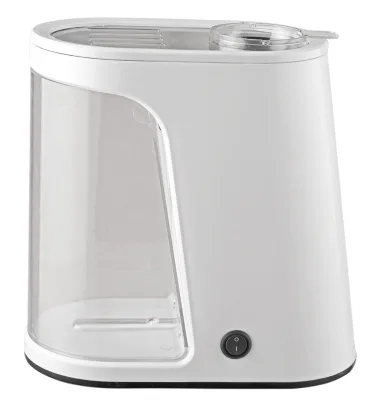
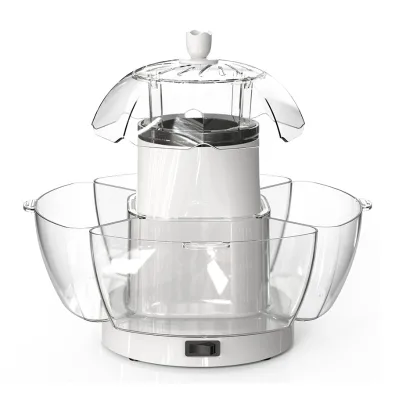
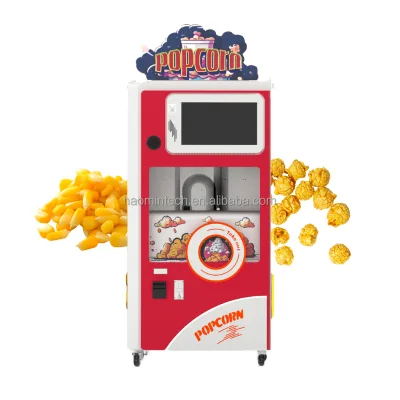
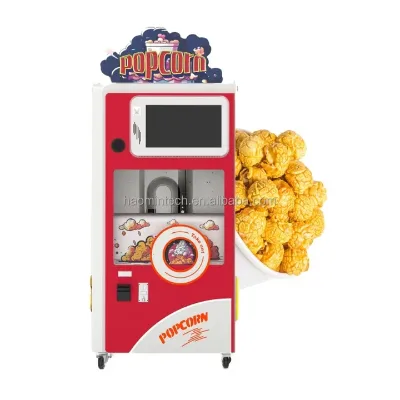
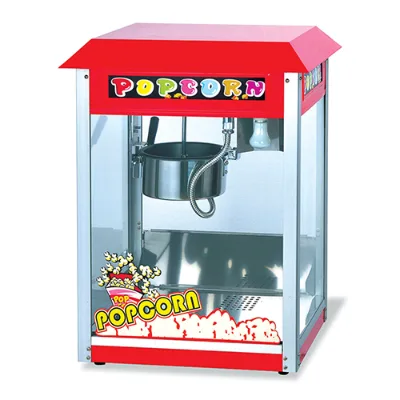
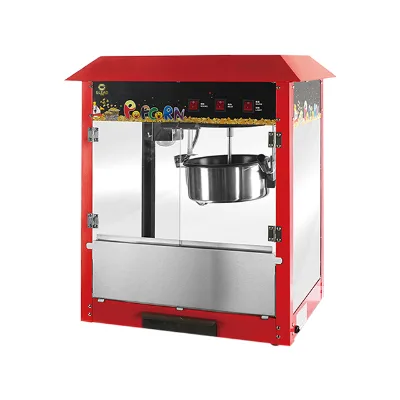
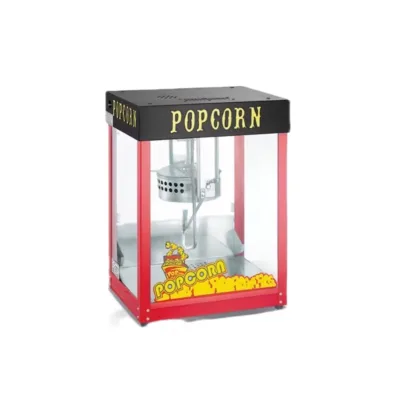
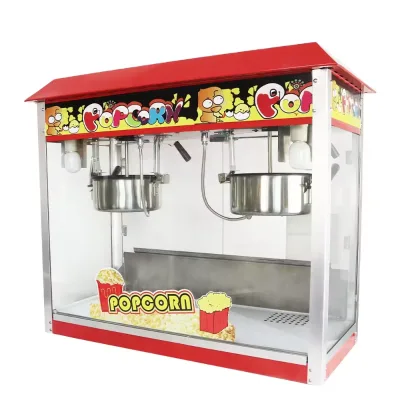
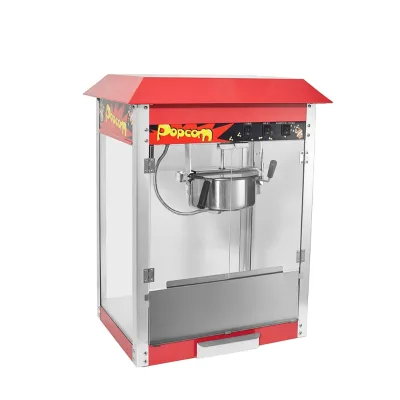
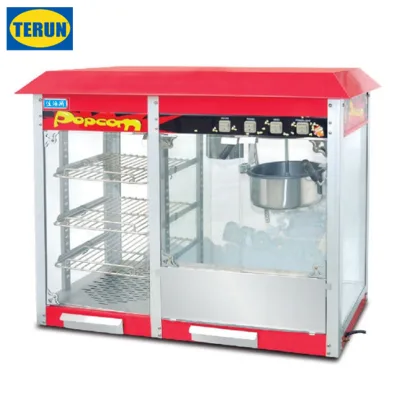
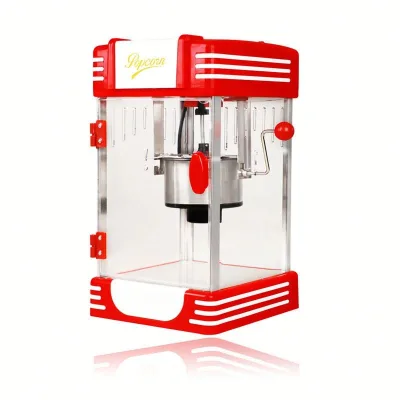
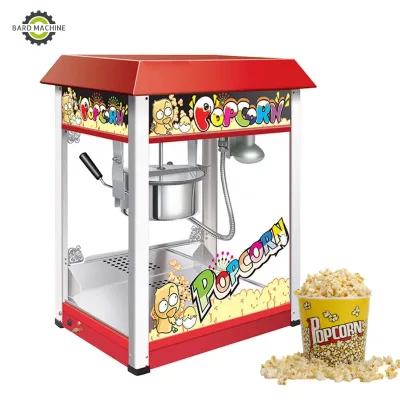
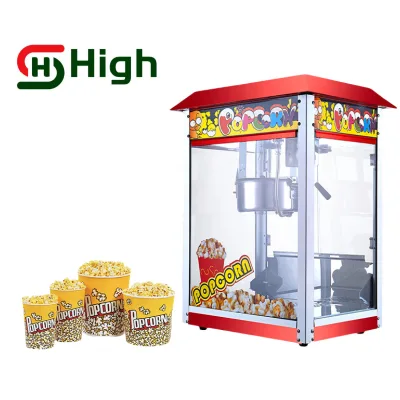
Automatic Popcorn Machine Commercial Use Cinema Kids Intelligent Popcorn Maker
$6157.77 - $6670.92
MOQ: 1 units




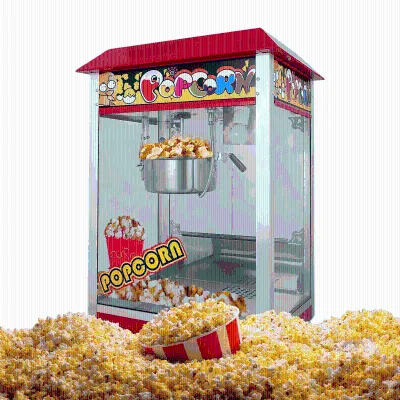
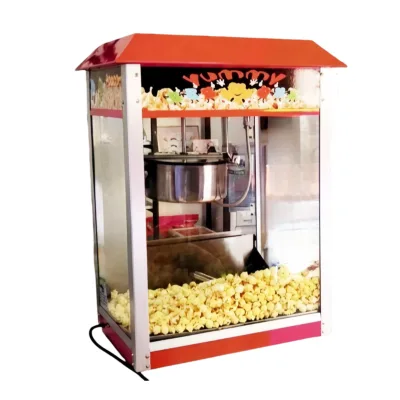
Comprehensive Sourcing Guide
Strategic Sourcing Guide for Automatic Home Popcorn Machines with LED Features
Understanding Product Variants and Core Specifications
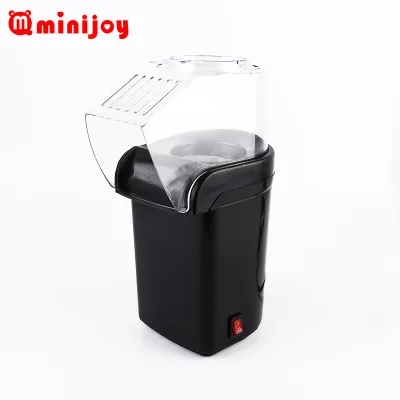
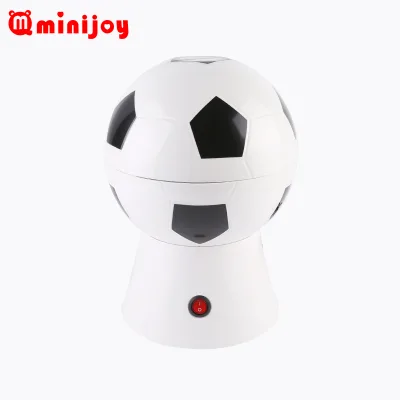
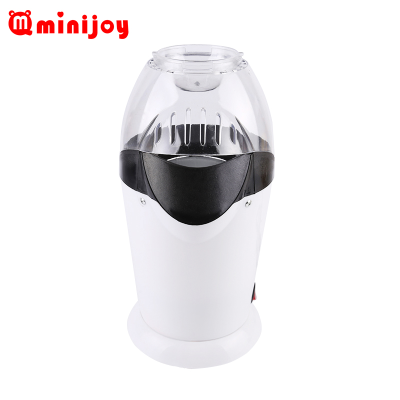
When sourcing an Automatic Home Popcorn Machine with LED features, buyers must first navigate the diverse landscape of product definitions found in the current market. The supplied data reveals a significant divergence between consumer-grade home units and industrial-grade commercial equipment, a distinction that is critical for procurement accuracy. The core keyword suggests a focus on "automatic" and "LED" functionality, yet the available product facts indicate that many listed items are manual or semi-automatic hot air poppers designed for household use. For instance, specific model numbers such as MY-B022 and MY-B027 are identified as "Hot Air Popcorn Maker" and "Popcorn Maker" respectively, featuring attributes like "Overheat Protection" and "With Switch Control." These units typically rely on electric power sources, with power ratings observed at 1200 Watts and voltages ranging from AC110V to AC230V.
A critical observation regarding the "automatic" aspect of the keyword is that while some listings describe "Automatic Popcorn Machine" capabilities, the detailed specifications often point to manual operation via a switch. The "Automatic" designation in some contexts may refer to the mechanism of hot air circulation rather than a fully automated loading and dispensing system. Furthermore, the presence of LED features in the supplied product facts is not explicitly confirmed as a standard attribute for all listed units. While the keyword implies a visual interface, the provided data highlights attributes such as "Color: White," "Black," "Rose Madder," and "Sky Blue," alongside "Customized Logo Acceptable." Buyers must verify if the LED feature is a standard inclusion or a specific customization option, as the current dataset lists "app-controlled: No," suggesting that advanced digital interfaces may be limited or non-existent in the baseline models.
The physical dimensions and material composition also vary significantly across the catalog. One category of products utilizes Aluminum construction, offering durability and heat conductivity, while another category specifies Plastic materials, which may be lighter but less robust under high-heat conditions. The single package sizes range from compact units measuring 27.215.226.8 cm to much larger industrial dimensions of 9171219.6 cm. This variance underscores the necessity for buyers to clearly define whether they are sourcing a countertop appliance for a single household or a larger unit for a commercial setting. The capacity differences are equally stark, with observed capacities ranging from 60g to 100pcs, indicating that the "home" designation in the keyword must be carefully aligned with the intended volume of production.
Compliance, Certification, and Safety Standards
In the realm of electrical appliances, particularly those involving high heat and food contact, compliance with international safety and material standards is non-negotiable. The supplied product facts explicitly list a robust set of certifications, including CB, CE, LFGB, RoHS, ETL, and GS. These certifications serve as the primary evidence of a product's adherence to safety and environmental regulations. The presence of CE and GS marks indicates compliance with European safety directives, while LFGB (German Food and Feed Code) is a critical standard for food contact materials, ensuring that the aluminum or plastic components do not leach harmful substances into the popcorn.
RoHS (Restriction of Hazardous Substances) compliance is equally vital, as it restricts the use of specific hazardous materials in electrical and electronic equipment. The ETL mark, often recognized in North America, suggests that the product has been tested and meets specific safety standards for that region. However, buyers must exercise caution when interpreting these certifications. The data shows that while some products list these certifications, the specific application context (e.g., "Household" vs. "Commercial") may influence which certifications are mandatory. For a product intended for the "Home" market, the combination of CE, RoHS, and LFGB is typically the baseline expectation.
Furthermore, the "Overheat Protection" function listed in the product attributes is a crucial safety feature that complements the external certifications. This internal mechanism prevents the heating element from reaching dangerous temperatures, reducing the risk of fire or equipment failure. When evaluating suppliers, buyers should request valid certification documents that correspond to the specific model number, such as MY-B022 or MY-B027, rather than accepting generic claims. The "Warranty" period of 1 year mentioned in the data also serves as a proxy for the manufacturer's confidence in their compliance and quality control processes. It is essential to verify that the warranty covers both the electrical components and the food-contact surfaces, as failures in these areas can lead to significant liability issues.
Cost Drivers and Pricing Dynamics
The pricing landscape for automatic popcorn machines is highly volatile, influenced by a wide array of factors ranging from material costs to order volume. The observed price range in the market spans from a low of $5.30 to a high of $6,670.92. This massive disparity is not indicative of a single product category but rather reflects the spectrum from basic, small-batch home units to large-scale, fully automated commercial systems. The lower end of the price spectrum likely corresponds to the plastic-based, 1200W hot air poppers with simple switch controls, while the higher end may include industrial-grade units with advanced automation, larger capacities, and extensive safety features.
Minimum Order Quantity (MOQ) is a primary driver of unit cost. The data indicates an MOQ range of 1 to 2,000 pieces. Products with an MOQ of 1 set are typically available for immediate purchase or small-scale trials, often at a higher per-unit cost due to the lack of economies of scale. Conversely, the high-confidence fact of an MOQ of 2,000 pieces suggests that bulk procurement is necessary to access the most competitive pricing tiers. Buyers aiming for the lower price points must be prepared to commit to larger volumes, which can impact cash flow and inventory management.
Additional cost drivers include customization options. The availability of "Customized Logo" and "Private Mold" services adds value but also increases the cost. While the "Color" options are listed as customizable (White, Black, Rose Madder, Sky Blue), creating a specific color or mold design requires tooling investment, which is often passed on to the buyer. The "OEM/ODM" availability further complicates the cost structure, as these services involve design and engineering fees. Buyers must also consider the "Place of Origin" as a cost factor; products originating from Zhejiang and Guangdong, China, benefit from established manufacturing ecosystems, yet logistics and shipping costs will vary based on the final destination and the weight of the product, which ranges from 210g for smaller units to significantly heavier industrial machines.
Typical Applications and Usage Scenarios
The versatility of popcorn machines allows them to serve a broad range of applications, from intimate household settings to large commercial venues. The product attributes explicitly list applications such as "Outdoor," "Hotel," "Garage," "Commercial," and "Household." This diversity requires buyers to match the specific machine capabilities to the intended environment. For "Household" use, the focus is on compactness, ease of operation, and safety. The "Hot Air Popcorn Maker" with a 60g capacity is ideal for family snacks, offering a healthy alternative to oil-based popping methods. The "With Butter Melting Container" feature adds a layer of convenience for home users who prefer flavored popcorn.
In "Commercial" and "Hotel" settings, the requirements shift towards efficiency and volume. The "Automatic Popcorn Machine" with a 100pcs cup capacity and "High Efficiency" advantage is better suited for these environments. These units are designed to handle continuous operation without overheating, supported by features like "Overheat Protection" and "Quick-Heat Technology." The "Plug Type: world plug" attribute is particularly relevant for international hotel chains or export markets, ensuring compatibility with local power grids. However, the "Garage" application is an unusual inclusion, suggesting that these machines might be used in informal or temporary settings, such as home theaters or event setups in non-traditional spaces.
The "Usage" attribute, described as "Popcorn Maker Healthy Snack," highlights the health-conscious trend driving demand. Consumers are increasingly seeking appliances that allow for low-oil or oil-free preparation. The "With Switch Control" and "Make Popcorn" functions cater to users who want direct control over the process. For "Outdoor" applications, the durability of the materials becomes paramount. Aluminum construction may offer better resistance to the elements compared to plastic, though the "Color: Customized" options suggest that aesthetic appeal is also a factor for outdoor events. Buyers must ensure that the selected machine can withstand the specific environmental conditions of its intended application, whether it is a humid kitchen, a dusty garage, or a high-traffic commercial lobby.
Supplier Evaluation and Quality Control Protocols
Selecting the right supplier is a critical step in the procurement process, requiring a rigorous evaluation of their capabilities, reputation, and quality control measures. The data indicates that suppliers offer "OEM/ODM" services and "Free Spare Parts" as part of their after-sales service. These are strong indicators of a supplier's commitment to long-term customer relationships. However, the presence of "Private Mold: Yes" suggests that some suppliers have the capability to develop exclusive designs, which can be a competitive advantage for buyers looking to differentiate their products.
Quality control should be a central focus during supplier evaluation. Buyers must verify the supplier's adherence to the listed certifications (CB, CE, LFGB, RoHS, ETL) through third-party testing reports. The "Warranty: 1 Year" is a standard benchmark, but buyers should inquire about the specific terms of this warranty, including what constitutes a defect and the process for claiming spare parts. The "After-sales service provided: Free Spare Parts" is a significant benefit, reducing the total cost of ownership. However, the availability of these parts must be confirmed for the specific model, as obsolescence can be an issue with electronic appliances.
When evaluating suppliers, buyers should also assess their production capacity and lead times. The "MOQ: 2000pcs" fact suggests that some suppliers are geared towards large-scale production, while others may accommodate smaller orders. The "Place of Origin" in Zhejiang and Guangdong, China, indicates access to a mature supply chain, but buyers should verify the specific factory's capacity to meet their volume requirements. The "Single package size" and "Product Size" data provided can help buyers estimate shipping costs and warehouse space requirements. It is also advisable to request samples to verify the "Material" quality, ensuring that the aluminum or plastic meets the expected standards for food safety and durability.
Long-Term Procurement Considerations and Strategic Planning
Sourcing automatic popcorn machines is not merely a transactional activity but a strategic decision that impacts long-term business operations. The "Selling Units: Single item" attribute suggests that the market supports both individual sales and bulk procurement, offering flexibility for different business models. However, buyers must plan for the lifecycle of the product, considering factors such as maintenance, part availability, and market trends. The "Customized Logo Acceptable" feature allows for brand building, but it also requires a long-term commitment to the supplier to ensure consistent branding over time.
The "Voltage" and "Plug Type" compatibility are critical for long-term viability, especially for businesses operating in multiple regions. The observed voltage range of AC110V to AC230V and the "world plug" option provide some flexibility, but buyers must ensure that the specific units they procure match the electrical standards of their target markets. Failure to do so can result in product returns or safety hazards. Additionally, the "Color" options, while customizable, should be selected based on market demand and brand identity to avoid inventory stagnation.
Finally, buyers should consider the "Advantage: Easy Operation High Efficiency" as a key selling point for end-users. Machines that are difficult to operate or inefficient will generate negative feedback and returns. Therefore, the procurement strategy should prioritize suppliers who demonstrate a track record of producing user-friendly, high-efficiency appliances. The "Quick-Heat Technology" mentioned in the attributes is another feature that enhances user experience and should be a priority in product selection. By focusing on these long-term factors, buyers can build a resilient supply chain that meets the evolving needs of the market while maintaining high standards of quality and safety.
FAQs
What certifications do automatic popcorn machines have?
These machines typically hold CB, CE, LFGB, RoHS, and ETL certifications. These marks confirm compliance with safety and food-contact standards for both household and commercial use, ensuring the aluminum or plastic materials are safe.
How much power does a hot air popcorn maker consume?
A standard unit usually consumes 1200 Watts of electric power. This rating supports quick-heat technology and overheat protection, allowing the device to pop approximately 60 to 70 grams of corn per batch efficiently.
Can I get a customized logo on the popcorn maker?
Yes, customized logos are acceptable for these products. Suppliers offer OEM and ODM services, allowing buyers to add their branding to the white, black, or rose madder colored units for private mold projects.
What is the minimum order quantity for these machines?
The minimum order quantity varies from one set to 2000 pieces depending on the supplier. Bulk orders often require 2000 units, while smaller trial orders might be available as a single set with higher per-unit costs.
Which materials are used to construct the popcorn maker?
Manufacturers use aluminum or plastic for the main body construction. Aluminum offers durability and heat conductivity, while plastic versions are lighter, and both materials are selected to meet LFGB food safety standards.
Does the machine include overheat protection features?
Yes, the device includes overheat protection and switch control functions. This safety mechanism prevents the heating element from reaching dangerous temperatures, ensuring safe operation during continuous use in hotels or households.