Source Automatic Horizontal Corn Peeling and Threshing Machine for Corn Shelling, Peeling, and Flour Milling
Compare 30 listings for the Automatic Horizontal Corn Peeling and Threshing Machine from verified suppliers. Buyers can evaluate specifications like voltage, capacity, and material to find the right unit for corn shelling, peeling, or flour milling applications.
Key considerations
Products List


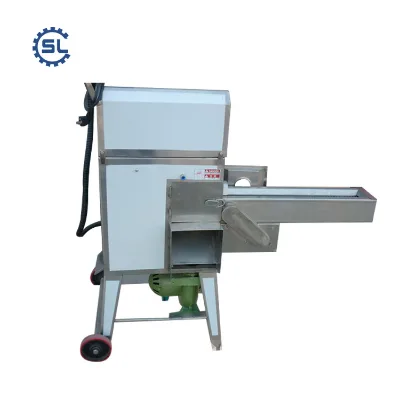


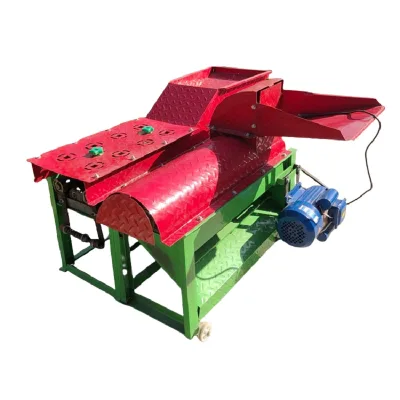
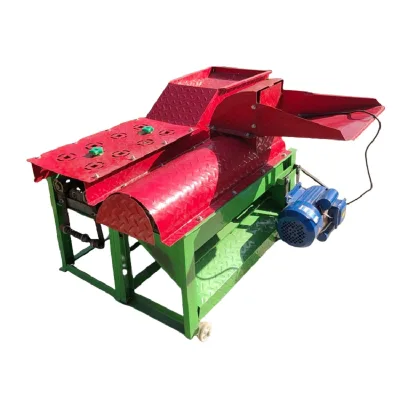
High Capacity Corn Peeling and Threshing Machine
$53.00 - $55.00
MOQ: 10 Pieces
Hunan Dongfanghong Electromechanical Manufacturing Co., Ltd.

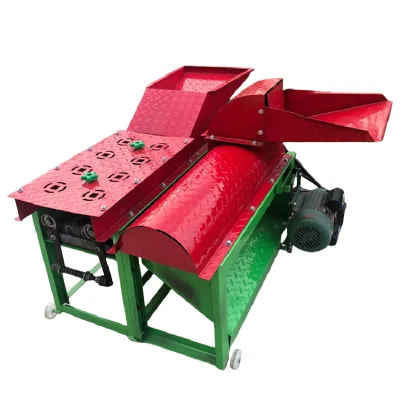
Non-Peeling Corn Threshing Machine
$45.00 - $50.00
MOQ: 10 Pieces
Hunan Dongfanghong Electromechanical Manufacturing Co., Ltd.


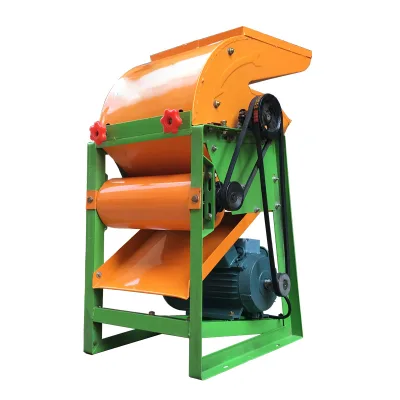
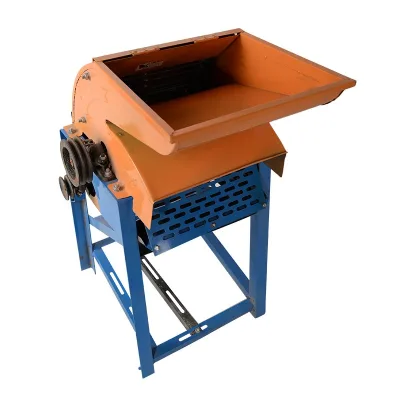
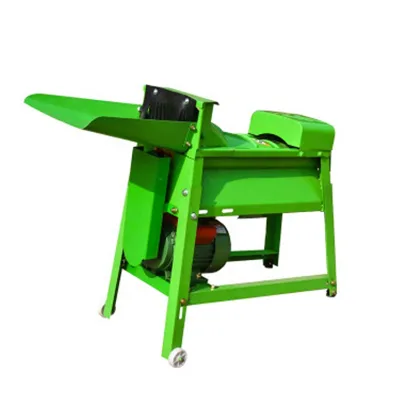


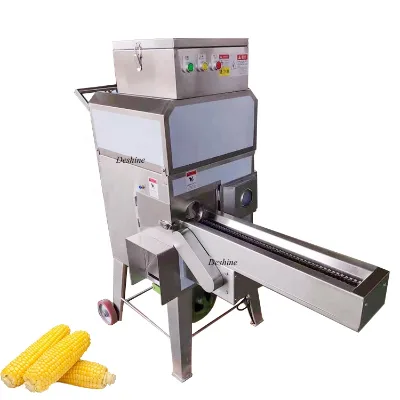
Combined Corn Maize Sheller Threshing Thresher Peeling Processing Machine
$300.00 - $3000.00
MOQ: 1 Pieces


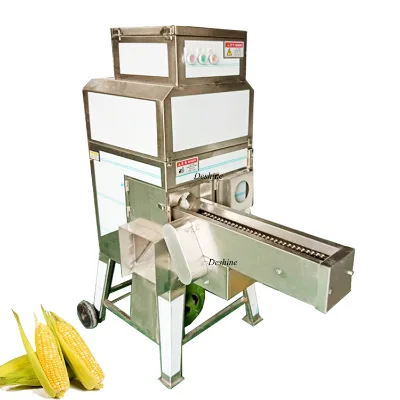
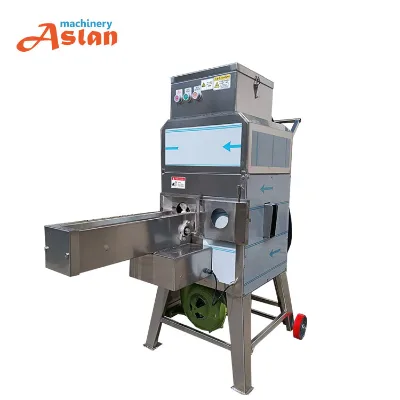


Comprehensive Sourcing Guide
Strategic Sourcing Guide for Automatic Horizontal Corn Peeling and Threshing Machines
Understanding Core Technical Specifications and Operational Variability
When sourcing an Automatic Horizontal Corn Peeling and Threshing Machine, buyers must first navigate the complex landscape of technical specifications that define machine performance. The market presents a diverse array of configurations, and the term "horizontal" often coexists with "vertical" structural designs in product listings, requiring careful verification of the specific physical orientation of the threshing drum and conveyor systems. Based on available product data, the structural configuration is a primary differentiator, with some units explicitly defined as horizontal while others are listed as vertical. This distinction directly impacts floor space requirements, material flow dynamics, and integration into existing processing lines.
The electrical requirements for these machines vary significantly across the supply base. While some units operate on a standard 220V single-phase supply, which is suitable for smaller operations or regions with limited industrial power infrastructure, other models are engineered for 220V/380V three-phase systems to handle higher loads. A critical specification to verify is the power rating, which ranges from approximately 1.35 kW (1350 Watts) for smaller peeling units to 6 HP (Horse Power) for more robust threshing assemblies. The power consumption directly correlates with the machine's capacity to process fresh corn seeds, with observed production capacities ranging from 500 kg/h to 600 kg/h. Buyers must ensure that their facility's power infrastructure aligns with the specific voltage and frequency (typically 50 Hz) of the selected unit to prevent operational failures.
Material composition is another vital technical factor. The durability and hygiene of the machine are heavily influenced by the materials used in construction. Listings indicate the use of steel and stainless steel for various components, particularly in areas exposed to moisture and abrasive corn kernels. The choice between standard steel and stainless steel often dictates the machine's resistance to corrosion and its suitability for environments requiring high sanitation standards. Additionally, the core components, such as the motor, are critical for sustained operation. Buyers should verify the quality and origin of these core components, as they are the primary drivers of the machine's reliability and threshing efficiency. The threshing rate is a key performance metric, with some models claiming a 100% threshing rate, though this figure should be validated through independent testing or machinery test reports provided by the supplier.
Compliance, Certification, and Safety Standards Verification
In the global procurement of agricultural machinery, compliance with safety and quality standards is non-negotiable, yet the verification process can be challenging due to varying levels of documentation provided by different suppliers. The sourcing guide emphasizes the need for buyers to rigorously check for machinery test reports, which serve as evidence of the machine's performance under controlled conditions. While some product listings explicitly state that a machinery test report is provided, the absence of this document does not necessarily indicate non-compliance but rather a gap in the provided information. Buyers must request these reports to verify claims regarding the threshing rate, power consumption, and structural integrity.
Dimensional standards and physical specifications are often cited in product data, with observed dimensions ranging from compact units measuring 690260380mm for conveyor components to larger assemblies reaching 13206201250mm. These dimensions are critical for planning warehouse space and factory floor layout. However, buyers should be cautious when interpreting standard dimensions, as some listings provide ranges (e.g., 1050400900 to 13504001200) indicating that the machine's size may be adjustable or vary by model. The standard for the machine's output weight or capacity is also a point of verification, with some units designed for a 50KG load capacity while others are rated for continuous hourly throughput.
Certification status regarding international safety standards (such as CE or ISO) is not explicitly confirmed in the provided product data. Therefore, buyers cannot assume that all listed machines meet specific international safety protocols. It is essential to request formal certification documents from the supplier before finalizing a purchase. The absence of overseas after-sales service in some listings is a significant compliance and operational risk. Buyers must evaluate whether the lack of local service support is mitigated by the availability of detailed manuals, remote technical support, or the procurement of spare parts. The warranty period, often listed as 1 Year, provides a baseline for manufacturer liability, but the scope of this warranty—specifically regarding labor, parts, and travel costs for repairs—must be clearly defined in the contract.
Cost Drivers and Pricing Structure Analysis
The pricing of automatic horizontal corn peeling and threshing machines is influenced by a multitude of factors, resulting in a wide observed price range from $43.50 to $3,918.65 USD. This variance is not arbitrary but reflects differences in machine capacity, material quality, power specifications, and the level of customization offered. Lower-priced units typically correspond to smaller, single-phase machines with lower horsepower and basic steel construction, often intended for small-scale farmers or pilot operations. Conversely, higher-priced models generally feature three-phase power systems, higher horsepower ratings (such as 6 HP), and more extensive stainless steel components designed for industrial-scale processing.
Material costs play a substantial role in the final price. Machines constructed with high-grade stainless steel command a premium over those using standard steel due to the increased durability and corrosion resistance. Similarly, the inclusion of advanced features, such as adjustable threshing depths and high-productivity conveyors, adds to the manufacturing cost. The customization options available, or the lack thereof, also impact pricing. While some suppliers offer fully customized solutions, others provide non-customized, standard models which may be more cost-effective but less adaptable to specific operational needs.
The Minimum Order Quantity (MOQ) is another critical cost driver, with observed ranges from 1 to 10 units. Buyers purchasing a single unit for a small operation may face a higher per-unit cost compared to those placing bulk orders. However, the flexibility of the MOQ allows small buyers to enter the market without significant capital commitment. Shipping and packaging costs are also significant, as machines are often shipped in wooden cases to prevent damage during transit. These packaging requirements add to the overall landed cost and must be factored into the total budget. Buyers should also consider the long-term cost of ownership, including energy consumption, maintenance, and the availability of spare parts, which can vary significantly between different models and suppliers.
Typical Applications and Operational Use Cases
The primary application of these machines is the processing of fresh corn, specifically for peeling and threshing operations. The versatility of the equipment allows it to be used in various agricultural settings, from small family farms to larger commercial processing facilities. The "fresh corn thresher" designation indicates that the machine is optimized for handling raw, unprocessed corn, ensuring that the kernels are separated from the cob efficiently while minimizing damage to the grain. The adjustable threshing depth is a crucial feature that allows operators to adapt the machine to different corn varieties and moisture levels, ensuring optimal performance across varying conditions.
Beyond simple threshing, some models are designed for dual-purpose applications, including corn peeling and flour milling. This versatility is particularly valuable for buyers looking to maximize the utility of their equipment. The "Flour Mill" type machines, with power ratings around 2.2 kW, offer a different application profile, focusing on the grinding and processing of corn into flour. This dual capability expands the potential market for the machinery, making it suitable for integrated agricultural processing lines where multiple stages of corn processing are required.
The production capacity of these machines, ranging from 500 kg/h to 600 kg/h, determines their suitability for different scales of operation. Small-scale operations may find the lower capacity units sufficient for their needs, while larger commercial enterprises will require the higher throughput models to meet demand. The key selling point of "High Productivity" is particularly relevant for buyers aiming to increase their processing efficiency and reduce labor costs. The machine's ability to handle fresh corn seeds with a high threshing rate ensures that the final product meets quality standards, reducing waste and maximizing yield.
Supplier Evaluation and Geographic Considerations
Evaluating suppliers for automatic horizontal corn peeling and threshing machines requires a thorough understanding of the geographic origins and production capabilities of the manufacturers. The majority of the observed products originate from China, with specific mentions of Henan as a production hub. Henan is known for its robust agricultural machinery industry, offering a wide range of equipment at competitive prices. However, the concentration of suppliers in this region also means that buyers must carefully vet individual suppliers to ensure they meet quality and reliability standards.
Supplier evaluation should focus on several key criteria, including the availability of machinery test reports, the clarity of warranty terms, and the provision of after-sales support. The absence of overseas service in some listings is a red flag that requires further investigation. Buyers should inquire about the supplier's ability to provide remote technical support, the availability of spare parts, and the potential for local partnerships to facilitate repairs. The brand name, such as "Gashili," may indicate a specific manufacturer, but buyers should not rely solely on brand recognition without verifying the supplier's reputation and track record.
The production capacity of the supplier is another critical factor. Suppliers with a production capacity of 600 kg/h or higher are likely to have the infrastructure and expertise to manufacture high-quality machines at scale. However, buyers should verify that the supplier's claimed capacity aligns with the actual output of the machines they are selling. The lead time for production and delivery is also a consideration, as it can impact the buyer's operational planning. While specific lead times are not provided in the data, buyers should request this information during the negotiation process to ensure timely delivery.
Quality Control and Long-Term Procurement Strategies
Implementing a robust quality control strategy is essential for ensuring the long-term success of procurement efforts for corn peeling and threshing machines. Buyers should establish clear quality benchmarks based on the technical specifications provided, such as voltage compatibility, power ratings, and material composition. Regular inspections and testing of the machines upon receipt are necessary to verify that they meet the agreed-upon standards. The availability of machinery test reports from the supplier can serve as a baseline for these inspections, but independent verification is often recommended.
Long-term procurement considerations include the availability of spare parts and the supplier's commitment to after-sales support. The 1-year warranty period is a standard offering, but buyers should negotiate for extended warranty terms or service contracts that cover critical components like the motor and conveyor systems. The condition of the machine, typically listed as "New," should be confirmed upon delivery to ensure that no used or refurbished units are inadvertently supplied.
To mitigate risks associated with supply chain disruptions, buyers should consider diversifying their supplier base and maintaining a relationship with multiple manufacturers. This strategy ensures that the buyer is not overly reliant on a single source and can adapt to changing market conditions. Additionally, buyers should stay informed about industry trends and technological advancements in corn processing machinery to ensure that their equipment remains competitive and efficient. By adopting a proactive approach to quality control and long-term planning, buyers can secure a reliable supply of high-performance corn peeling and threshing machines that meet their operational needs.
Comparative Analysis of Machine Configurations
To facilitate informed decision-making, the following table compares key attributes of different machine configurations observed in the market. This comparison highlights the variability in specifications and helps buyers identify the most suitable option for their specific requirements.
| Attribute | Configuration A | Configuration B | Configuration C |
|---|---|---|---|
| Structure | Horizontal | Vertical | Horizontal |
| Voltage | 220V | 220V/380V | 220V, Single Phase |
| Power | 6 HP | 2.2 kW | 1350 W |
| Capacity | 600 kg/h | 500 kg/h | 600 kg/h |
| Material | Steel | Stainless Steel | Steel |
| Dimensions | 13206201250mm | 1050400900mm | 690260380mm (Conveyor) |
| Threshing Rate | 100% | Not Specified | Not Specified |
| Warranty | 1 Year | 1 Year | 1 Year |
| After-Sales | No Overseas Service | Not Specified | Not Specified |
This table illustrates the trade-offs between different configurations. Configuration A offers high power and capacity but may require three-phase power. Configuration B provides a balance of power and material quality with stainless steel construction. Configuration C is a compact, single-phase option suitable for smaller operations. Buyers should weigh these factors against their specific operational needs, power availability, and budget constraints to make the optimal choice.
FAQs
What voltage options are available for these machines?
These machines typically operate on 220V single-phase or 220V/380V three-phase systems. Buyers must verify their facility power infrastructure matches the specific voltage and frequency requirements to prevent operational failures.
How is the structural design of the machine configured?
The structural configuration varies, with some units explicitly defined as horizontal while others are listed as vertical. This distinction directly impacts floor space requirements and material flow dynamics within the processing line.
What is the production capacity of the threshing units?
Production capacities range from 500 kg/h to 600 kg/h for fresh corn seeds. This throughput determines the suitability for different scales of operation, from small farms to larger commercial processing facilities.
Can buyers expect overseas after-sales service support?
No overseas service is provided for some listed models. Buyers must evaluate whether remote technical support or spare parts availability mitigates the lack of local service support before finalizing a purchase.
Which materials are used for machine construction?
Machines are constructed using steel or stainless steel for various components. The choice between these materials dictates the machine's resistance to corrosion and its suitability for environments requiring high sanitation standards.
What is the typical warranty period for these units?
The warranty period is often listed as 1 Year. Buyers must clearly define the scope of this warranty regarding labor, parts, and travel costs for repairs in the purchase contract.