Source Transparent Vacuum Barrier Shrink Film for Meat, Fish, and Cheese
Find and compare 30 Transparent Vacuum Barrier Shrink Film options from Chinese manufacturers. Evaluate thickness, hardness, and processing types like casting or blow molding to select the right packaging solution for meat, fish, poultry, and cheese applications; compare the available evidence and request quotations based on your requirements.
Key considerations
Products List


for Cheese and Chicken Package Transparent&Colored Barrier Shrink Film Bags
$0.08 - $0.09
MOQ: 80000 Pieces


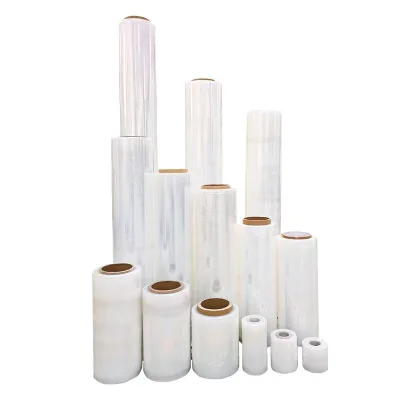
Clear Plastic Transparent Stretch Film Casting Soft ShrinkPacking Film
$0.26 - $0.29
MOQ: 10 kilograms


Comprehensive Sourcing Guide
Transparent Vacuum Barrier Shrink Film Sourcing Guide
Procurement teams must first distinguish between rigid and soft film variants when sourcing Transparent Vacuum Barrier Shrink Film, as the observed market data indicates a split between soft barrier films and rigid stretch films. The primary application for the soft, transparent variants is packaging meat, fish, poultry, and cheese, where high barrier properties are essential to prevent spoilage. Buyers should verify that the specific listing explicitly states "Soft" hardness and "Transparent" or "Clear" color attributes to ensure the material meets the requirements for food wrapping and vacuum sealing applications.
When evaluating product listings, it is critical to confirm the processing type, as the data shows a mix of casting, blow molding, and multiple extrusion methods. The correct processing method directly influences the film's clarity, shrinkage rate, and barrier performance against moisture and oxygen. Sourcing guides must emphasize that while some products are labeled as "Barrier Vacuum Shrink Bag," others may be generic "Shrink Wrap Stretch Film" intended for industrial or gift packaging, requiring careful scrutiny of the usage field to avoid purchasing the wrong material grade for food safety applications.
Product Scope and Observed Listing Signals
Buyers should analyze the observed price range of 0.08 to 3.85 USD to understand the cost variance driven by thickness and barrier technology. Listings with lower prices often correspond to thinner gauges or standard polyethylene constructions, whereas higher-priced items likely incorporate advanced multi-layer extrusion for superior oxygen and moisture resistance. It is vital to correlate the price point with the specified thickness, which ranges from 30 microns to 150 microns, ensuring that the selected film provides adequate mechanical strength without unnecessary material waste.
The minimum order quantity (MOQ) varies significantly from 1 unit to 80,000 units, reflecting the flexibility of suppliers to accommodate both trial orders and large-scale industrial contracts. Procurement managers must align their order volume with the supplier's capacity, noting that sample times are typically around three days for barrier shrink film. This variability allows buyers to test the "Anti Fog" and "High Barrier" claims on a small scale before committing to bulk purchases, provided the supplier confirms the specific packaging format, such as wound rolls or cartons, matches their downstream machinery.
Technical Specifications to Verify
Thickness verification is the most critical technical step, as the market data indicates a wide range from 30 microns to 150 microns, with specific mentions of 9, 12, and 20 microns for certain applications. Buyers must confirm that the selected thickness aligns with the intended product weight and the required shrinkage ratio for a tight vacuum seal. Thinner films may offer cost savings but could compromise the structural integrity needed for heavy meat products, while thicker films provide better puncture resistance but may require higher heat settings during the sealing process.
Surface properties and sealing capabilities must also be validated, specifically looking for "Heat Seal" functionality and a dyne level of 38 or higher to ensure proper ink adhesion and seal strength. The transparency of the film is a key visual indicator of quality, with options available in clear or custom colors, but the primary focus should remain on the "High Barrier" and "Green" specialty attributes. Procurement teams should request test data confirming the film's ability to maintain a vacuum seal over time, as the "Barrier Film" designation implies specific performance standards that generic shrink wrap may not meet.
Compliance and Safety Documentation
Food safety compliance is non-negotiable when sourcing Transparent Vacuum Barrier Shrink Film for meat, fish, and poultry applications. Buyers must verify that the material is explicitly designated for food contact, as the observed usage includes "Food Wrapping" and "Food & Medicine Film." While specific certification names like ISO 9001 appear in background data, the primary requirement is that the supplier provides documentation confirming the film meets local food safety regulations for the destination market, ensuring no harmful substances migrate into the packaged goods.
Documentation regarding the material composition is equally important, as the supply chain includes both PVC and PE (Polyethylene) options. Procurement teams must ensure the chosen material is compatible with the intended food type and that the "As required" standard mentioned in listings is interpreted as a commitment to meet specific regulatory frameworks. It is essential to request a Certificate of Analysis (CoA) that details the raw materials used, confirming that the "Multiple Extrusion" or "Casting" process did not introduce contaminants that could compromise the safety of the packaged food products.
Cost Drivers and Commercial Terms
The final cost of Transparent Vacuum Barrier Shrink Film is heavily influenced by the raw material type, with PVC and PE offering different price points and performance characteristics. Buyers should evaluate whether the "High Barrier" and "Anti Fog" features justify the premium over standard stretch films, as these specialized attributes often require more complex manufacturing processes like multiple extrusion. Understanding the relationship between thickness, material grade, and barrier performance is essential for negotiating a price that balances cost efficiency with the necessary protection for perishable goods.
Commercial terms regarding packaging and shipping must be clarified, as the data shows options ranging from "Packaging Box" and "Cartons and Pallets" to "Wound Roll Packed." The choice of packing affects the handling efficiency and potential damage during transit, which can impact the overall landed cost. Additionally, the "Sample Time" of three days and the wide MOQ range suggest that suppliers may offer flexible terms for new clients, but bulk orders should include clear agreements on lead times and the specific "Standard Package" or "Customized" packaging requirements to avoid logistical delays.
Supplier Qualification and Quality Control
Supplier qualification should focus on the manufacturing location and the specific processing capabilities listed, such as casting, blow molding, or multiple extrusion. The observed origins include Tianjin, Zhejiang, and Jiangsu in China, indicating a concentrated manufacturing hub with varying levels of technical expertise. Buyers must verify that the supplier has the specific equipment to produce the required thickness and barrier properties, as the "Hardness" and "Type" attributes vary significantly between different product lines within the same region.
Quality control protocols must be established to ensure consistency in the "Transparent" appearance and the "Heat Seal" performance of the film. Since the "Product Standard" is often listed as "As required" or "Customized," buyers should define their own acceptance criteria for thickness tolerance, seal strength, and barrier efficiency before production begins. Regular audits of the supplier's facility and random sampling of the "Barrier Film" rolls are necessary to maintain the "High Barrier" and "Green" quality standards promised in the product listings.
Long-Term Procurement Checks
Sustaining a reliable supply chain requires periodic re-evaluation of the film's performance under real-world storage and transport conditions. Buyers should monitor the "Moisture Proof" and "Anti Fog" attributes over time to ensure the barrier properties do not degrade, which could lead to product spoilage and financial loss. Establishing a feedback loop with the supplier to address any changes in the "Processing Type" or material composition is essential for maintaining the integrity of the vacuum seal throughout the product's shelf life.
Long-term contracts should include clauses that allow for adjustments in thickness and material specifications based on evolving market needs or regulatory changes. The "Customization" availability noted in the product data offers an opportunity to tailor the film to specific branding or functional requirements, but these changes must be validated through rigorous testing before full-scale implementation. By maintaining a proactive approach to supplier relationship management and continuous quality verification, procurement teams can ensure a steady supply of high-performance Transparent Vacuum Barrier Shrink Film.
FAQs
What is the typical thickness range for barrier vacuum shrink film?
The typical thickness range for barrier vacuum shrink film is 30 to 120 microns. This specification allows for versatile packaging applications across various industries. Thicker films provide enhanced durability and barrier properties, while thinner options offer cost efficiency. Buyers can select the optimal thickness based on their specific product protection needs and machinery compatibility requirements.
Can this shrink film be customized for specific printing requirements?
Yes, customization is available for specific printing requirements on this shrink film. Manufacturers offer printing methods as requested to support branding and labeling needs. This flexibility allows businesses to incorporate logos, nutritional information, or marketing graphics directly onto the packaging. Customization ensures that the final product aligns with brand identity while maintaining the film's essential barrier and sealing performance characteristics.
Which materials are commonly used to manufacture this shrink film?
Common materials used to manufacture this shrink film include PVC and PE. These materials are selected for their specific barrier properties and sealing capabilities. PVC offers clarity and shrinkage, while PE provides moisture proofing and flexibility. The choice of material depends on the intended application, such as food wrapping or industrial packaging, ensuring optimal protection and presentation for the packaged goods.
How long does it take to receive samples of this film?
It typically takes three days to receive samples of this barrier shrink film. This sample time allows buyers to evaluate the material quality, transparency, and sealing performance before placing bulk orders. The rapid turnaround supports efficient decision-making and reduces procurement lead times. Buyers can assess the film's suitability for their specific packaging machinery and product requirements during this evaluation period.
What are the primary applications for this transparent vacuum shrink film?
The primary applications for this transparent vacuum shrink film include packaging meat, fish, poultry, and cheese. It is also suitable for general food wrapping and medicine film uses. The high barrier properties protect products from moisture and oxygen, extending shelf life. Its versatility makes it ideal for both food industry applications and industrial gift packaging, ensuring product freshness and integrity.
Is this shrink film suitable for heat sealing processes?
Yes, this shrink film is suitable for heat sealing processes. It features a heat seal design that ensures secure and airtight closures. This characteristic is essential for maintaining the vacuum integrity of packaged products. The heat sealing capability works in conjunction with the film's shrink properties to create a tight, protective wrap around the product, preventing leakage and contamination during storage and transportation.