Source Automatic Led Flashlight Umbrella for Beach, Golf, Rain
Compare 30 listings for the Automatic Led Flashlight Umbrella to find options for beach, golf, and rain protection. Buyers can review specifications like frame material, fabric type, and customization availability from verified suppliers.
Key considerations
Products List


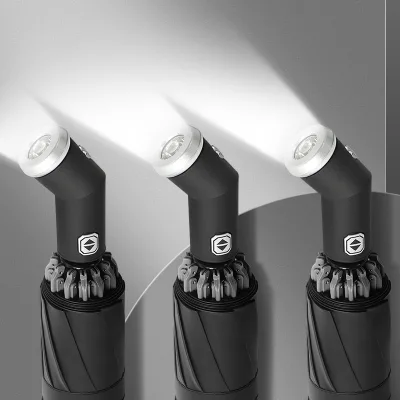


Kid Party Yellow Color Star LED Lighting Umbrella with Flashlight Handle
$8.50 - $10.50
MOQ: 500 Pieces


19 Inch LED Light Manual Funny Fashion Kids Straight Umbrella for Rain
$10.30 - $10.50
MOQ: 500 Pieces

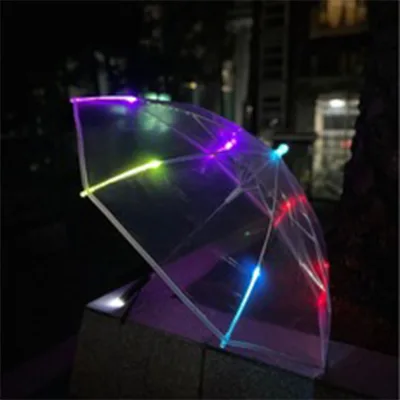
Custom 19 Inch LED Light Ribs Umbrella, Flashlight Handle Straight Kids Umbrella
$10.30 - $10.50
MOQ: 500 Pieces


Comprehensive Sourcing Guide
Automatic Led Flashlight Umbrella Sourcing Guide
Sourcing automatic LED flashlight umbrellas requires a nuanced understanding of how integrated electronics interact with traditional textile and metal components. These products represent a convergence of weather protection and utility lighting, often marketed for evening use, security, or promotional purposes. Buyers must navigate the complexity of verifying that the "automatic" mechanism—whether referring to the opening/closing action or the light activation—is reliable under real-world conditions. The integration of LED modules into the canopy or handle introduces potential points of failure, such as water ingress or battery degradation, which are not present in standard umbrellas. Therefore, the procurement strategy must prioritize suppliers who demonstrate robust engineering in both the mechanical folding systems and the electrical circuitry.
The market for these items is diverse, ranging from high-end promotional gifts to functional outdoor gear. Buyers should distinguish between umbrellas where the LED is a static feature and those with motion-activated or automatic light-up capabilities. The term "automatic" can be ambiguous in supplier listings; it may refer to a push-button open/close mechanism, a wind-resistant auto-open feature, or an LED that activates upon deployment. Clarifying this distinction early in the inquiry process is critical to avoiding mismatches between expectation and delivery. Furthermore, the power source for the LED, whether disposable batteries, rechargeable cells, or kinetic charging, significantly impacts the product’s lifecycle cost and environmental footprint, making it a key decision point for B2B buyers.
Product Scope and Observed Listing Signals
The observed product landscape includes a variety of umbrella types, including beach umbrellas, golf umbrellas, and rainshades, with specific models identified by codes such as Umbrella-002M and Led Beach Umbrella-019E. Listings indicate that customization is widely available, allowing buyers to tailor the LED features, handle styles, and fabric materials to their brand requirements. The presence of models like "Nylon Children Umbrella-002H" suggests that the market extends to younger demographics, requiring additional safety considerations regarding small parts and battery accessibility. Buyers should note that while "Anti UV" is listed as an attribute for some items, it is not universal, meaning that sun protection capabilities must be verified on a per-SKU basis rather than assumed across the category.
Packing and logistics data reveal significant variation in how these products are prepared for shipment. Some items are packed in poly bags with inner packaging, while others utilize carton boxes with specific quantities, such as 12 pieces per carton or 20 pieces per export box. The packing dimensions and weights, such as a packing size of 8255cm and a weight of 510g for certain models, provide essential data for calculating freight costs and warehouse storage requirements. Buyers must pay close attention to whether the LED components are installed before packing or if they are added later, as this affects the fragility of the package and the risk of damage during transit. The availability of customized packing options further allows for brand alignment but requires clear communication of specifications to avoid logistical errors.
Technical Specifications to Verify
Frame material is a primary technical differentiator, with aluminum alloy and iron being the most commonly observed options. Aluminum alloy frames offer a lighter weight and better corrosion resistance, which is crucial for umbrellas that may be exposed to humid environments or salt air, such as beach umbrellas. In contrast, iron frames may provide greater structural rigidity but are heavier and more susceptible to rust if the finish is compromised. Buyers should verify the gauge and quality of the metal used, as well as the quality of the joints and ribs, to ensure the umbrella can withstand wind loads without breaking. The interaction between the frame material and the LED components, particularly if the LEDs are embedded in the handle or canopy, must be assessed for potential interference or short-circuiting risks.
The fabric composition and style also play a significant role in the product’s performance and aesthetic appeal. Polyester and pongee fabrics are frequently cited, each offering different levels of water repellency, durability, and print quality for branding. The style of the umbrella, whether folding, straight, or golf-style, dictates the user experience and the space required for storage. For automatic LED models, the mechanism for light activation must be clearly defined; buyers should request detailed diagrams or videos showing how the LED circuit is triggered and powered. Additionally, the battery type and lifespan should be specified, as replacing batteries in integrated LED systems can be difficult or impossible for the end-user, affecting customer satisfaction and warranty claims.
Compliance and Safety Documentation
Electrical safety is paramount when sourcing products with integrated LED components. Buyers must ensure that the electrical systems comply with relevant standards, such as CE, SGS, GEM, and RoHS, which are mentioned in some listings. These certifications indicate that the product meets specific requirements for electromagnetic compatibility, chemical restrictions, and general safety. However, buyers should not assume that all listed models are certified; they must request valid test reports and certificates for each specific SKU. The presence of these certifications is particularly important for markets with strict regulatory environments, such as the European Union and North America, where non-compliant products can be seized at customs or lead to legal liabilities.
Battery safety is another critical area of compliance, especially for rechargeable or disposable battery-powered LEDs. Buyers should verify that the batteries used meet international safety standards for transport and usage, such as UN38.3 for lithium-ion batteries. The design of the battery compartment should prevent accidental short-circuits and be secure enough to prevent access by children, particularly for products marketed towards younger age groups. Additionally, buyers should inquire about the supplier’s quality control processes for electrical testing, including checks for leakage current, insulation resistance, and thermal stability. Ensuring that the supplier has a robust quality management system, potentially supported by certifications like ISO 9001, can provide additional assurance of consistent product safety.
Cost Drivers and Commercial Terms
The cost of automatic LED flashlight umbrellas is influenced by several factors, including the complexity of the LED circuit, the quality of the frame material, and the customization level. Models with advanced features, such as motion sensors or rechargeable batteries, will naturally command higher prices than those with simple LED lights. The MOQ (Minimum Order Quantity) is another significant commercial term, with observed ranges from 1 to 10,000 pieces, and specific models requiring MOQs of 500 or 1,000 pieces. Buyers should negotiate MOQs based on their sales volume and storage capacity, keeping in mind that lower MOQs may result in higher per-unit costs. OEM orders are generally accepted, allowing for brand customization, but this may involve additional setup fees or higher MOQs.
Pricing structures should be evaluated in the context of the total landed cost, including shipping, duties, and insurance. The observed price range of $0.01 to $10.5 USD indicates a wide spectrum of product quality and features, from basic promotional items to premium functional umbrellas. Buyers should request detailed quotations that break down the cost of the umbrella, the LED module, the battery, and any customization fees. It is also important to clarify the payment terms, such as T/T or L/C, and the lead time for production and delivery. Understanding these commercial terms helps in budgeting accurately and managing cash flow, ensuring that the procurement process aligns with the buyer’s financial constraints and timeline requirements.
Supplier Qualification and Quality Control
Supplier qualification should begin with a thorough review of their manufacturing capabilities and quality control processes. Buyers should verify that the supplier has experience in producing electronic-integrated textiles, as this requires specialized knowledge in both sewing and electronics assembly. Requesting samples is essential to evaluate the build quality, the functionality of the LED mechanism, and the durability of the frame and fabric. Buyers should test the samples under various conditions, including exposure to water and wind, to ensure that the product performs as expected. Additionally, suppliers should be able to provide references or case studies of previous clients, particularly those in similar industries or markets.
Quality control measures should be clearly defined and agreed upon before production begins. This includes specifying the acceptable defect rate, the inspection criteria for electrical components, and the procedures for handling non-conforming products. Buyers may consider hiring third-party inspection agencies to conduct pre-shipment inspections, ensuring that the goods meet the agreed-upon specifications before they are shipped. The supplier’s ability to provide traceability for components, such as the LED modules and batteries, is also important for managing warranty claims and recalls. Establishing a strong relationship with the supplier based on transparency and mutual trust can lead to better cooperation and problem-solving throughout the procurement lifecycle.
Long-Term Procurement Checks
Long-term procurement success depends on the supplier’s ability to maintain consistent quality and support over time. Buyers should establish a regular review process to assess supplier performance, including metrics such as on-time delivery, product quality, and responsiveness to issues. Feedback from end-users should be collected and shared with the supplier to drive continuous improvement in product design and functionality. Additionally, buyers should stay informed about changes in regulations and standards, particularly those related to electrical safety and environmental sustainability, to ensure ongoing compliance. Building a diversified supplier base can also mitigate risks associated with single-source dependencies, providing flexibility in case of supply chain disruptions.
Sustainability is becoming an increasingly important factor in procurement decisions, and buyers should consider the environmental impact of the products they source. This includes evaluating the recyclability of the materials, the energy efficiency of the LED components, and the supplier’s environmental management practices. Buyers may prefer suppliers who use eco-friendly fabrics and sustainable packaging solutions, as these align with growing consumer demand for responsible products. By incorporating sustainability into their procurement strategy, buyers can enhance their brand reputation and contribute to a more sustainable supply chain. Regular audits and discussions with suppliers about their sustainability goals can help drive progress in this area.
FAQs
Can I customize the LED beach umbrella specifications?
Yes, customization is available for the LED beach umbrella. The product model supports customized features including size and packing options. Buyers can request specific dimensions or packaging requirements to match their needs.
What is the minimum order quantity for these umbrellas?
The minimum order quantity varies by product model. Some listings require 500 pieces while others start at 1000 pieces. Buyers should verify the specific MOQ for the chosen model before placing an order.
Which materials are used for the umbrella frames?
Frames are constructed from aluminum alloy or iron depending on the model. The fabric options include polyester or pongee. These materials ensure durability for both beach and rain protection applications.
How are the umbrellas packed for export?
Packing methods include poly bags, cartons, or custom packaging per customer requirement. Export boxes typically hold 12 to 40 units with specific dimensions and weights. Buyers can request tailored packing solutions for their logistics.
Do these umbrellas offer anti-UV protection?
Anti-UV protection is available on specific models but not all. Some listings explicitly state the product is not anti-UV while others confirm it is. Buyers must check the specific product attributes for UV protection details.
What certifications do the manufacturers hold?
Certifications such as CE, SGS, GEM, and RoHS are listed for certain models. These standards indicate compliance with safety and environmental regulations. Buyers should confirm which certifications apply to their specific order requirements.
Can I place an OEM order for these umbrellas?
Yes, OEM orders are accepted for the umbrella products. Manufacturers support customization including branding and design elements. This allows buyers to create unique products tailored to their brand identity.